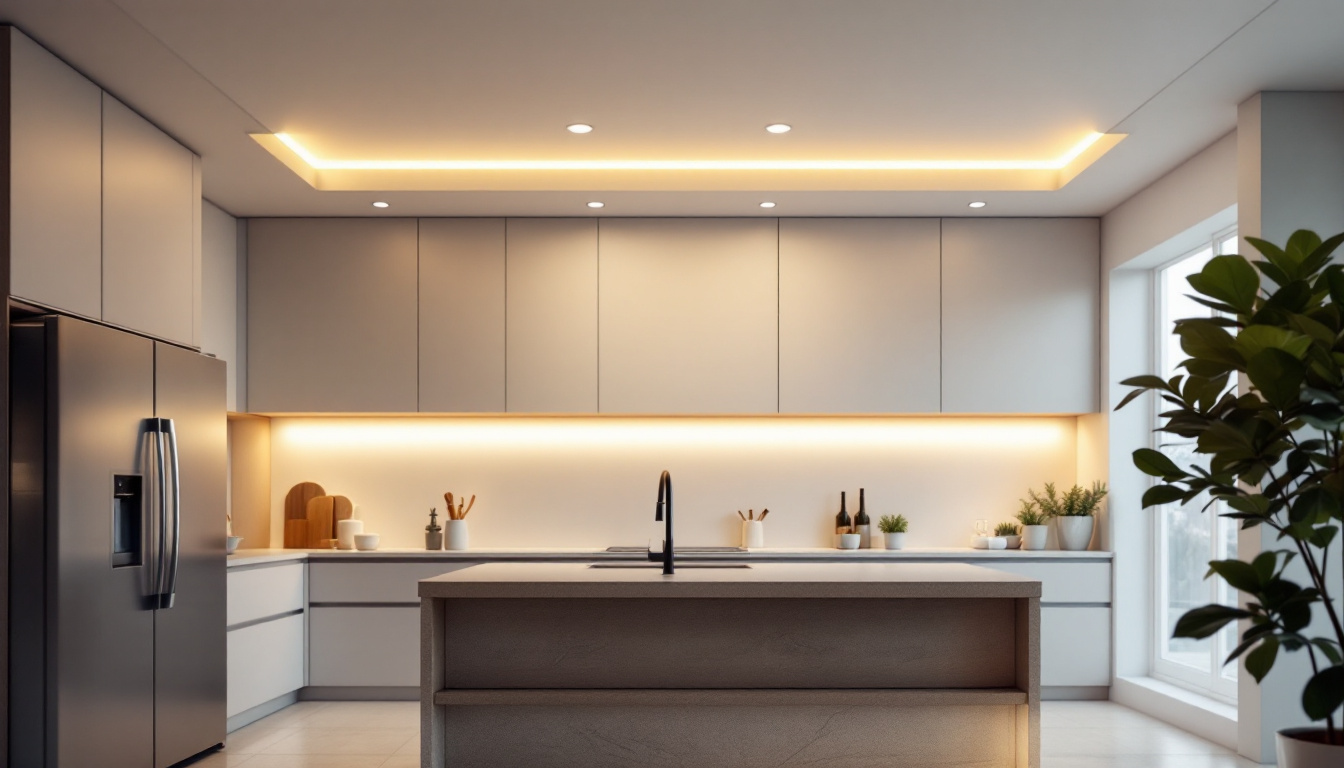
Why Linear Suspended Lighting Is Gaining Momentum
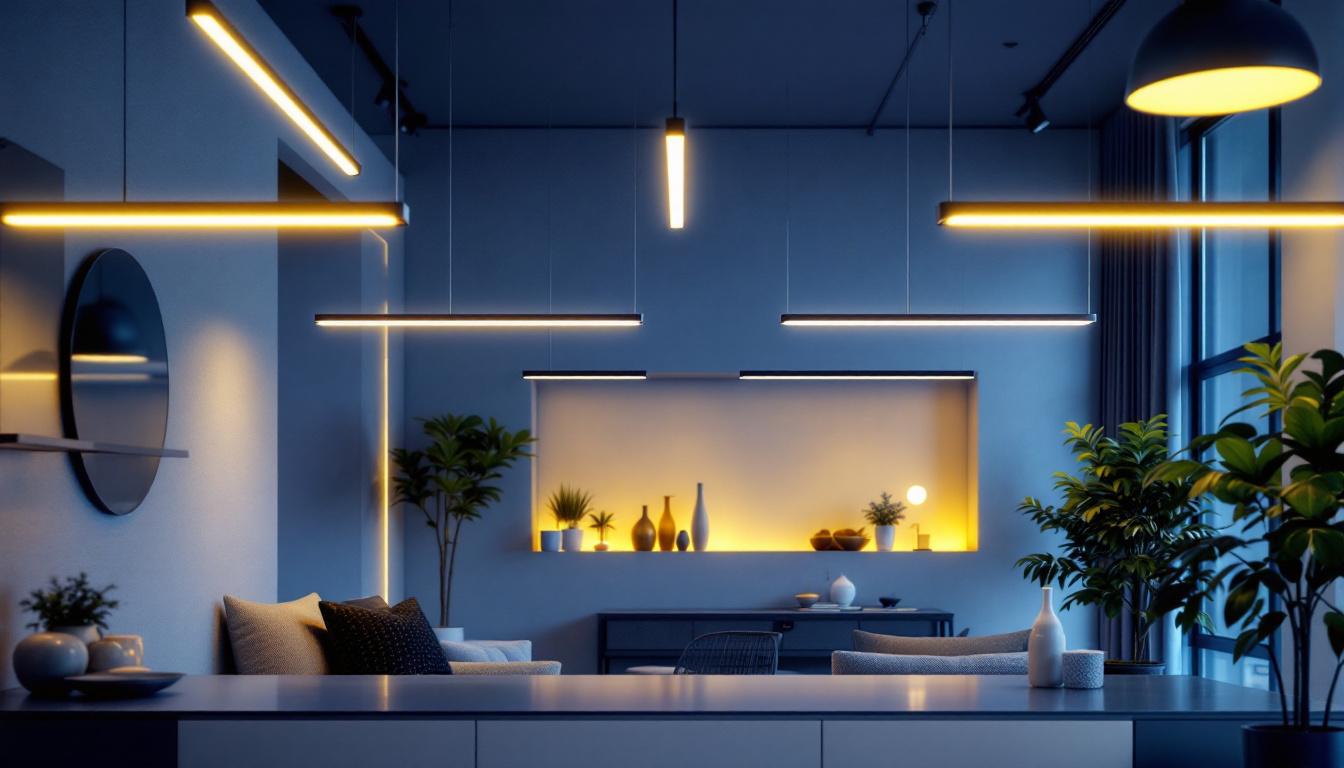
Linear suspended lighting has shifted from a niche architectural feature to a mainstream lighting solution embraced across commercial, residential, and industrial projects. Its clean lines and minimalist aesthetic align well with contemporary design principles, but the appeal goes beyond looks. For lighting contractors, understanding why this style is in demand is crucial for staying competitive.
One key driver is the versatility of linear suspended fixtures. They can serve as ambient, task, or accent lighting, depending on placement and configuration. This adaptability means contractors can recommend solutions that meet diverse client needs without compromising on style or performance. Additionally, advances in LED technology have made linear fixtures more energy-efficient and customizable than ever before.
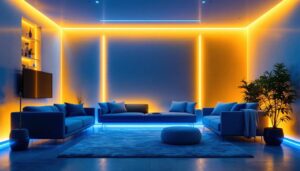
Moreover, the integration of smart technology into linear suspended lighting systems has further enhanced their appeal. With the ability to control brightness, color temperature, and even scheduling through mobile apps or voice-activated devices, users can create the perfect ambiance for any occasion. This level of control not only adds convenience but also promotes energy savings, as users can adjust lighting based on their specific needs throughout the day. As smart homes and offices become more prevalent, the demand for such adaptable lighting solutions is expected to rise significantly.
Another factor contributing to the popularity of linear suspended lighting is its ability to create a sense of spaciousness in a room. The elongated design draws the eye along its length, making areas feel larger and more open. This is particularly beneficial in spaces with high ceilings, where traditional lighting fixtures might feel dwarfed or out of place. By strategically placing linear fixtures, designers can enhance the architectural features of a space while also providing effective illumination, making them a favored choice for both residential and commercial applications.
Design Innovations Transforming Linear Suspended Lighting
Modular and Customizable Systems
Linear suspended lighting is no longer confined to simple straight bars. Modular systems allow lighting contractors to create intricate shapes—L-shapes, T-junctions, continuous runs, and even geometric patterns. This flexibility enables designers and contractors to tailor lighting to the architectural features of a space, enhancing both functionality and visual interest. The ability to configure lighting in various arrangements not only meets the aesthetic demands of contemporary architecture but also addresses practical considerations, such as optimizing light distribution and minimizing shadows in workspaces.
Customizable color temperatures and dimming options are also becoming standard. Clients increasingly expect lighting that can shift from warm, inviting tones to crisp, daylight-like brightness depending on the time of day or activity. This adaptability is particularly beneficial in multi-functional spaces, such as conference rooms or open-plan offices, where lighting needs can vary dramatically. Contractors who can offer these dynamic solutions will find themselves in higher demand, as they are able to create environments that enhance productivity and well-being through thoughtful lighting design.
Integration with Smart Controls
Smart lighting controls are no longer a luxury but a necessity in modern installations. Linear suspended fixtures that integrate seamlessly with building management systems or standalone smart hubs provide enhanced control over lighting scenes, energy consumption, and maintenance alerts. The integration of sensors that adjust lighting based on occupancy or natural light levels further optimizes energy efficiency, making it an attractive option for environmentally conscious clients.
Lighting contractors should familiarize themselves with protocols like DALI, Zigbee, and Bluetooth Mesh, which facilitate these integrations. Offering clients smart-enabled linear lighting not only adds value but also future-proofs installations against evolving technology standards. As the Internet of Things (IoT) continues to expand, the potential for interconnected lighting systems that communicate with other smart devices—such as HVAC systems or security cameras—will create even more opportunities for innovation and enhanced user experience. Embracing these technologies can position contractors as leaders in the industry, capable of delivering cutting-edge solutions that meet the demands of modern living and working environments.
Material and Finish Trends
Material innovation plays a significant role in the appeal of linear suspended lighting. Aluminum remains the dominant material due to its lightweight and durability, but finishes have expanded beyond the standard matte white or black.
Brushed metals, anodized finishes, and even wood accents are gaining traction. These options allow lighting contractors to match fixtures more precisely to interior design themes, whether it’s industrial chic, Scandinavian minimalism, or warm, natural aesthetics.
In addition to these popular choices, the rise of sustainable materials is reshaping the landscape of lighting design. Recycled metals and eco-friendly composites are not only reducing the environmental impact but also providing unique textures and finishes that can enhance the overall aesthetic. Designers are increasingly looking for ways to incorporate these materials into their projects, creating a balance between sustainability and style. Furthermore, the integration of smart technology into these materials is becoming more prevalent, allowing for customizable lighting solutions that can adapt to various moods and activities throughout the day.
Moreover, the finish of a fixture can dramatically alter its perceived ambiance within a space. For instance, a polished brass finish can evoke a sense of luxury and elegance, making it a popular choice for upscale residential and commercial environments. On the other hand, matte black or soft bronze finishes can create a more subdued and contemporary look, appealing to those who prefer understated sophistication. As designers experiment with layering different materials and finishes, the result is a rich tapestry of light and shadow that enhances the architectural features of a room, making linear suspended lighting not just a functional element but a key component of interior storytelling.
Energy Efficiency and Sustainability Considerations
Energy codes and sustainability goals are shaping lighting choices more than ever. Linear suspended LED fixtures typically outperform traditional fluorescent or incandescent options in terms of energy consumption and lifespan. For contractors, this means fewer callbacks and satisfied clients who appreciate lower operational costs.
Beyond efficiency, many manufacturers now offer fixtures made with recyclable materials and designed for easy disassembly. Lighting contractors should be prepared to discuss these environmental benefits with clients, especially in commercial projects aiming for LEED or WELL certification.
Moreover, the integration of smart lighting systems is becoming increasingly prevalent in energy-efficient designs. These systems not only allow for enhanced control over lighting levels and schedules but also contribute to significant energy savings through features like occupancy sensors and daylight harvesting. By leveraging technology, contractors can provide clients with tailored solutions that not only meet but exceed energy efficiency standards, further solidifying their commitment to sustainable practices.
In addition to the tangible benefits of energy savings and reduced environmental impact, there is a growing awareness of the psychological and health benefits associated with quality lighting. Research indicates that well-designed lighting can improve mood, productivity, and overall well-being in both residential and commercial spaces. Contractors should emphasize these advantages when discussing lighting options, as clients are increasingly looking for solutions that promote a healthier and more productive environment for occupants.
Installation Best Practices for Linear Suspended Lighting
Planning for Ceiling Types and Heights
Suspended fixtures require careful planning around ceiling construction and height. Whether working with drop ceilings, exposed beams, or concrete slabs, contractors must ensure secure mounting and appropriate suspension lengths. Adjustable suspension cables or rods are essential for accommodating different ceiling heights and achieving uniform illumination.
Pre-installation site surveys are invaluable. They help identify potential challenges such as obstructions, wiring accessibility, and structural support points. Investing time upfront reduces installation errors and enhances client satisfaction.
Wiring and Power Considerations
Linear fixtures often involve continuous runs that require consistent power distribution. Contractors should be adept at managing wiring runs that maintain electrical code compliance while minimizing visual clutter. Concealed wiring channels or integrated power rails are common solutions.
Understanding the power requirements for dimming and smart control systems is equally important. Proper wiring ensures that advanced features function reliably and safely.
Common Challenges and How to Overcome Them
One challenge contractors face is ensuring even light distribution across long runs. Uneven spacing or inconsistent suspension heights can create unwanted shadows or hotspots. Using laser levels during installation and verifying fixture alignment can mitigate these issues.
Another hurdle is coordinating with other trades, especially in complex commercial projects. Early communication with architects, electricians, and HVAC professionals helps avoid conflicts that could delay installation or compromise fixture performance.
Case Studies: Successful Linear Suspended Lighting Installations
In a recent office renovation, a contractor installed a continuous linear suspended system with integrated daylight sensors and occupancy controls. The result was a 40% reduction in energy use compared to the previous fluorescent setup, alongside improved employee comfort and productivity. This example highlights how combining design and technology can deliver measurable benefits.
Another project involved a high-end retail space where modular linear fixtures were arranged in geometric patterns to draw attention to product displays. The contractor’s ability to customize suspension lengths and finishes was critical to achieving the desired aesthetic and functional outcome.
Why Lighting Contractors Should Embrace These Trends
Linear suspended lighting is more than a passing fad. It represents a convergence of design elegance, technological advancement, and sustainability. Contractors who master these trends position themselves as trusted advisors capable of delivering modern, efficient, and visually compelling lighting solutions.
Staying updated on product innovations, installation techniques, and client expectations ensures that contractors can recommend the best options and execute installations flawlessly. This expertise not only enhances reputation but also opens doors to new business opportunities in a competitive market.
Get Your Premium Linear Suspended Lighting at LumenWholesale
As a lighting contractor committed to excellence, you understand the importance of staying ahead with the latest trends in linear suspended lighting. At LumenWholesale, we’re here to support your commitment. Our extensive collection of spec-grade lighting products is designed to meet your project’s needs with style, efficiency, and sustainability. With unbeatable wholesale prices and the convenience of free shipping on bulk orders, you can trust us to provide the quality and value your projects deserve. Elevate your lighting game and explore our selection of wholesale lighting to find the perfect fixtures for your next installation.