Introduction to Fluorescent Sockets and Their Role in Lighting
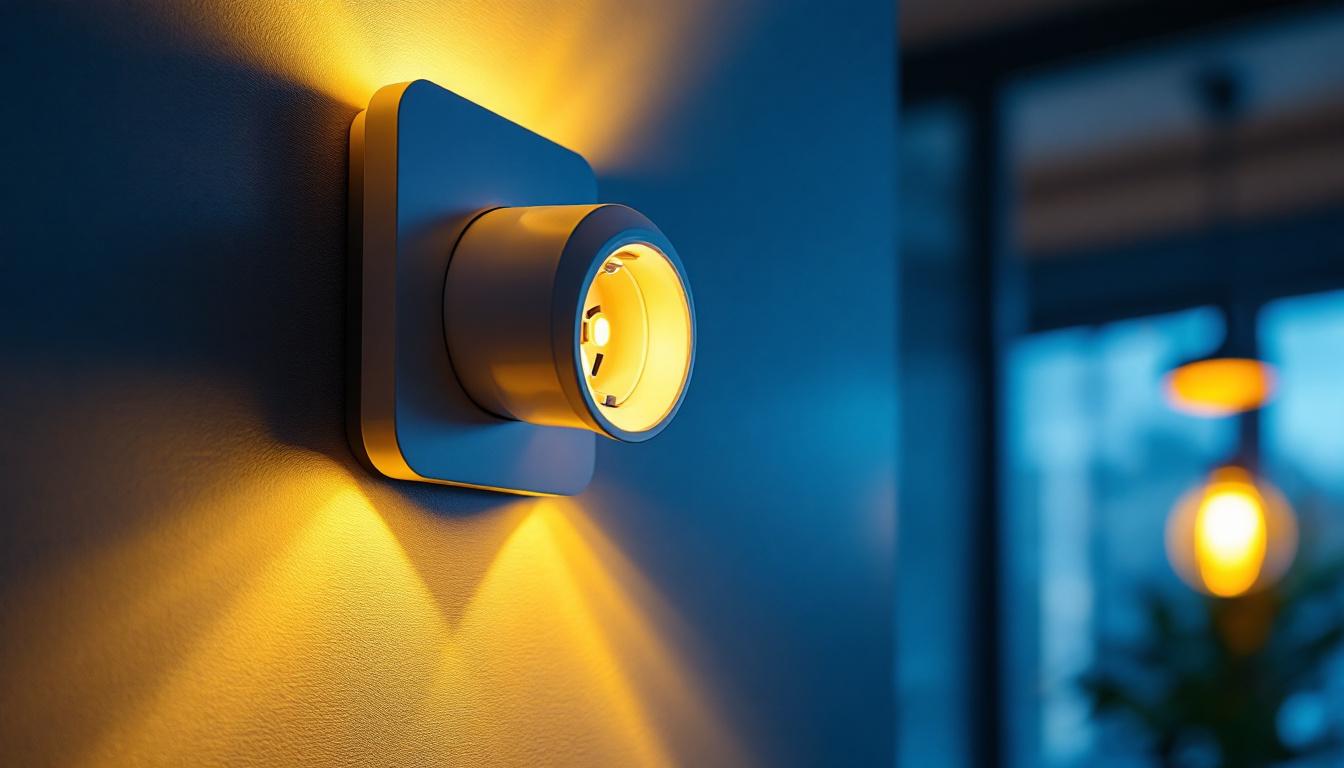
Fluorescent lighting has been a cornerstone of commercial, industrial, and residential illumination for decades. At the heart of this technology lies the fluorescent socket, a critical component that ensures the reliable operation of fluorescent lamps. For lighting contractors, understanding the evolution of fluorescent sockets is essential—not only to appreciate their design and functionality but also to navigate the ongoing shifts in lighting technology.
Fluorescent sockets serve as the interface between the power supply and the fluorescent tube. Their design affects installation efficiency, electrical safety, and overall fixture performance. Over time, these sockets have undergone significant advancements to meet changing industry standards and user needs.
One of the most notable advancements in fluorescent socket technology is the transition from traditional bi-pin sockets to more sophisticated designs that accommodate various lamp types and sizes. This evolution has allowed for greater versatility in lighting applications, enabling contractors to choose the right socket for specific environments, whether it be a high-bay warehouse or a cozy café. Furthermore, the introduction of push-in and twist-lock mechanisms has simplified the installation process, reducing the time and effort required for fixture setup.
In addition to functional improvements, the materials used in the construction of fluorescent sockets have also evolved. Modern sockets often incorporate heat-resistant plastics and durable metal components that enhance longevity and reduce the risk of failure. This is particularly important in commercial settings where lights are frequently turned on and off, as the thermal cycling can lead to premature wear. As energy efficiency becomes increasingly important, manufacturers are also focusing on designs that minimize energy loss, ensuring that more power is directed to the lamp itself rather than dissipated as heat in the socket.
The Origins and Early Design of Fluorescent Sockets
Initially, fluorescent sockets were relatively simple devices designed to hold and connect fluorescent tubes securely. Early models were primarily made from basic insulating materials such as Bakelite or phenolic resin, chosen for their electrical resistance and heat tolerance. The primary function was straightforward: provide mechanical support and electrical contacts for the lamp’s pins.
These early sockets often featured a bi-pin design, matching the common bi-pin fluorescent tubes. However, they lacked many of the safety features and ease-of-use improvements seen in modern designs. For example, early sockets were prone to wear and corrosion, which could lead to poor electrical contact and, in some cases, arcing or flickering. As a result, the lifespan of both the socket and the fluorescent tube was significantly reduced, prompting a demand for more durable and reliable solutions.
Challenges Faced by Early Fluorescent Sockets
Lighting contractors frequently encountered issues such as socket degradation due to heat and environmental exposure. Additionally, installation was sometimes cumbersome, requiring careful alignment and handling to avoid damaging the lamp or socket. These challenges highlighted the need for improved materials and design innovations. Over time, manufacturers began to experiment with more advanced plastics and composite materials that offered better thermal stability and resistance to chemical degradation, which ultimately led to enhanced performance and longevity of the sockets.
Moreover, the advent of new manufacturing techniques allowed for more precise engineering of the socket components. Innovations such as snap-fit designs and improved locking mechanisms made installation quicker and more intuitive, reducing the risk of user error. These advancements not only streamlined the installation process but also contributed to greater safety by minimizing the chances of improper connections that could lead to electrical failures. As the demand for energy-efficient lighting grew, the evolution of fluorescent socket design became increasingly important, setting the stage for the development of even more sophisticated lighting solutions in the years to come.
Material Innovations and Safety Enhancements
As the lighting industry evolved, so did the materials used in fluorescent sockets. The introduction of high-grade thermoplastics and ceramics significantly improved durability and heat resistance. Thermoplastics like polycarbonate and nylon allowed for more intricate socket designs, including features that enhanced safety and ease of installation. These materials not only provide robustness but also allow for a wider range of color and finish options, enabling designers to create aesthetically pleasing fixtures that blend seamlessly into various environments, from sleek modern offices to more traditional settings.
One of the most critical advancements was the incorporation of flame-retardant materials. This development addressed fire safety concerns, especially in commercial and industrial settings where fluorescent fixtures operate for extended periods. Additionally, improved insulation properties reduced the risk of electrical shock and short circuits. The evolution of these materials has also led to the development of sockets that can withstand extreme temperatures and humidity levels, making them suitable for outdoor applications and in areas with fluctuating environmental conditions, such as warehouses and manufacturing plants.
Incorporation of Safety Standards
Modern fluorescent sockets comply with rigorous safety standards such as UL (Underwriters Laboratories) and IEC (International Electrotechnical Commission) certifications. These standards ensure that sockets can withstand electrical loads, environmental stresses, and mechanical wear without compromising safety or performance. For contractors, sourcing sockets that meet these certifications is vital to guarantee compliance and reduce liability. Furthermore, these standards are continually updated to reflect the latest technological advancements and safety research, ensuring that manufacturers remain accountable for the quality and safety of their products.
In addition to compliance with established safety standards, manufacturers are increasingly adopting innovative testing methods to evaluate the performance of fluorescent sockets under extreme conditions. This proactive approach not only enhances the reliability of the products but also instills confidence in consumers and contractors alike. By investing in rigorous testing protocols, companies can identify potential weaknesses in their designs and materials, leading to continuous improvement and innovation in the industry. As a result, the modern fluorescent socket is not just a functional component but a testament to the commitment to safety and quality in lighting technology.
Design Evolution: From Simple Holders to Smart Components
Beyond materials, the design of fluorescent sockets has become increasingly sophisticated. Early models were passive holders, but contemporary sockets often incorporate features that enhance installation efficiency and operational reliability.
For example, many modern sockets now include quick-connect terminals or push-in wiring systems. These innovations reduce installation time and minimize wiring errors, which is particularly beneficial in large-scale projects where time and labor costs are critical.
Socket Types and Compatibility
Fluorescent lamps come in various sizes and pin configurations, such as T5, T8, and T12 tubes. Correspondingly, fluorescent sockets have diversified to accommodate these variations. Lighting contractors must be familiar with the specific socket types to ensure compatibility with the lamps being installed. Using the correct socket type not only ensures optimal electrical contact but also supports the lamp’s rated lifespan and performance.
Moreover, some sockets are designed to support dimmable fluorescent lamps or integrate with electronic ballasts, reflecting the industry’s shift toward more energy-efficient lighting solutions.
Impact of Electronic Ballasts on Fluorescent Socket Design
The transition from magnetic to electronic ballasts has had a profound impact on fluorescent socket design. Electronic ballasts operate at higher frequencies and lower currents, which reduces flicker and improves energy efficiency. However, this shift required sockets to be compatible with new electrical characteristics.
Modern fluorescent sockets are engineered to handle the different electrical loads and thermal profiles associated with electronic ballasts. Enhanced contact materials and improved heat dissipation features help maintain reliable connections and extend the service life of both the socket and lamp.
Integration with Smart Lighting Systems
As lighting technology advances, fluorescent sockets are increasingly designed with integration capabilities for smart lighting controls. While fluorescent lighting is gradually being supplanted by LED technology in many applications, fluorescent fixtures remain prevalent. Retrofitting these fixtures with smart controls often involves updating or replacing sockets to accommodate sensors or communication modules.
Environmental Considerations and Sustainability
The lighting industry’s growing emphasis on sustainability has influenced fluorescent socket design as well. Manufacturers are adopting eco-friendly materials and production processes to reduce environmental impact. For instance, many sockets now use recyclable plastics and avoid hazardous substances like lead and cadmium.
Additionally, the durability improvements in modern sockets contribute to longer fixture lifespans, reducing waste and the frequency of replacements. For lighting contractors, promoting sustainable components aligns with client expectations and regulatory requirements, especially in green building projects.
End-of-Life and Recycling Challenges
Fluorescent lighting systems, including sockets, eventually reach end-of-life stages that require responsible disposal or recycling. Sockets made from mixed materials can pose challenges for recycling, so there is a push toward designing sockets that are easier to disassemble and recycle. Contractors should be aware of local regulations and best practices for handling fluorescent lighting waste to support environmental stewardship.
The Future of Fluorescent Sockets in a Changing Industry
While LED technology is rapidly advancing and becoming the preferred choice for new installations, fluorescent lighting—and by extension, fluorescent sockets—continue to play a significant role in many existing facilities. Lighting contractors often encounter retrofit projects where maintaining or upgrading fluorescent systems is necessary.
Future fluorescent socket designs are likely to focus on enhanced compatibility with hybrid lighting systems, improved ease of installation, and integration with digital controls. Innovations may also include modular designs that allow for quick replacement or upgrades without extensive fixture modifications.
Balancing Legacy Systems and Emerging Technologies
For contractors, the challenge lies in balancing the maintenance of legacy fluorescent systems with the adoption of emerging lighting technologies. Understanding the evolution of fluorescent sockets equips professionals to make informed decisions about repairs, upgrades, and replacements, ensuring safety, efficiency, and client satisfaction.
Conclusion
The evolution of fluorescent sockets reflects broader trends in the lighting industry, encompassing advancements in materials, safety, design, and sustainability. For lighting contractors, staying informed about these developments is crucial to delivering high-quality installations and maintenance services.
From their humble beginnings as simple holders to their current role as sophisticated components compatible with electronic ballasts and smart systems, fluorescent sockets exemplify the continuous innovation that drives the lighting sector forward. As the industry continues to evolve, these components will remain a vital part of many lighting solutions, bridging the gap between traditional fluorescent technology and the future of illumination.
Illuminate Your Projects with LumenWholesale
As the lighting industry continues to innovate, LumenWholesale remains at the forefront, providing lighting contractors with the highest quality fluorescent sockets and lighting solutions. Embrace the evolution of lighting with our spec-grade products that promise reliability and performance. With unbeatable wholesale prices and free shipping on bulk orders, you’re guaranteed the best value for your investment. Don’t let inflated markups dim your project’s potential. Choose LumenWholesale for a seamless blend of quality, affordability, and convenience. Wholesale Lighting at the Best Value is just a click away.