Understanding Hanging Light Sets: A Comprehensive Overview
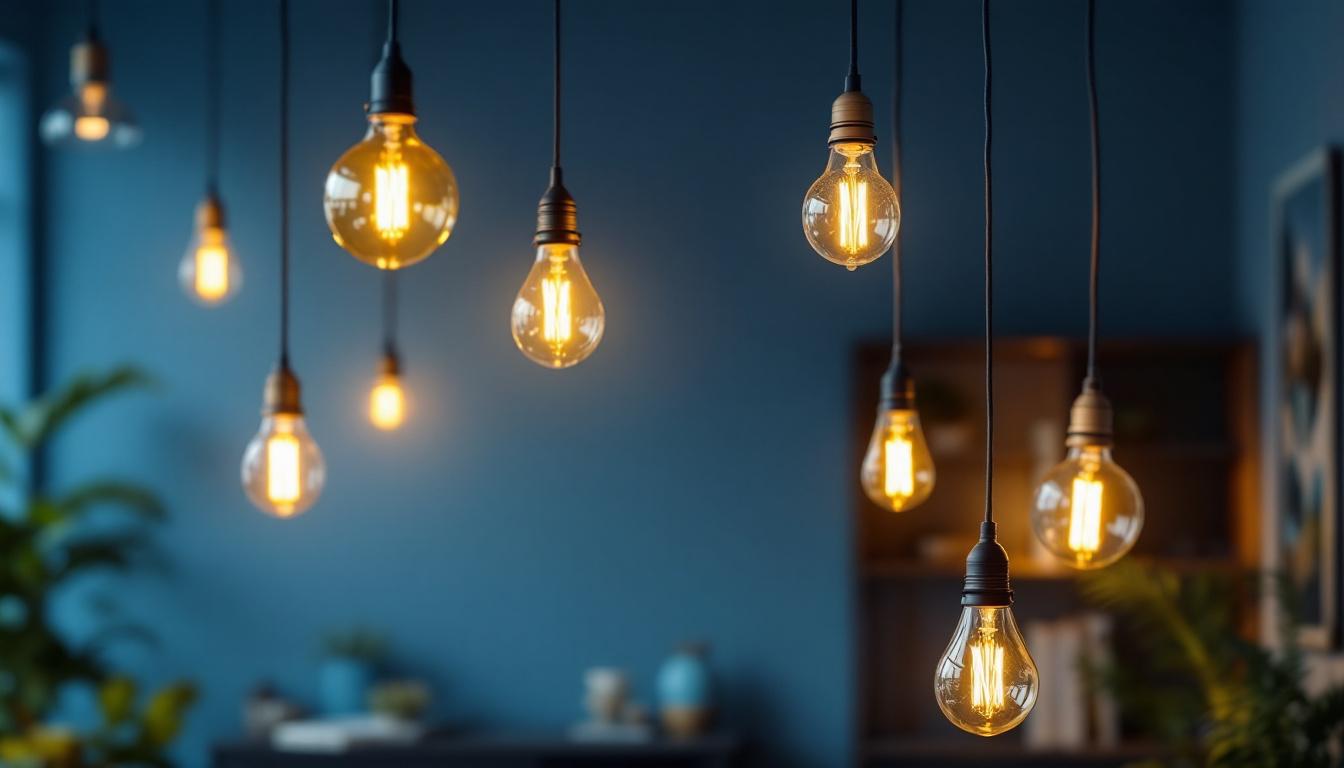
For lighting contractors, a thorough grasp of hanging light sets is essential to ensure successful installations and satisfied clients. Hanging light sets, often referred to as pendant lighting or suspended lighting, consist of fixtures that hang from the ceiling by cords, chains, or rods. These lighting solutions are widely used in both residential and commercial settings, offering versatility in design and function.
Unlike recessed or flush-mounted lighting, hanging light sets provide a focal point in a room, combining aesthetics with practical illumination. Their design can range from minimalist single bulbs to elaborate multi-light chandeliers, making them adaptable to various architectural styles and lighting requirements. The choice of materials, such as glass, metal, or fabric, can greatly influence the ambiance of a space, allowing designers to create a specific mood or theme through careful selection.
Additionally, the height at which these fixtures are hung plays a crucial role in their effectiveness. For instance, in dining areas, pendant lights are often suspended lower to create an intimate atmosphere, while in commercial spaces, they may be hung higher to illuminate larger areas without obstructing sightlines. The interplay of light and shadow created by these fixtures can enhance the overall aesthetic, drawing attention to architectural features or artwork within the space.
Key Components of Hanging Light Sets
Understanding the components helps contractors select and install the right fixture. Typically, a hanging light set includes:
- Canopy: The ceiling-mounted base that covers the electrical box and supports the fixture.
- Suspension System: This can be a chain, rod, or cord that holds the light fixture at the desired height.
- Light Fixture: The actual lighting element, which may include a shade, bulb socket, and decorative elements.
- Electrical Wiring: Connects the fixture to the power source, requiring adherence to electrical codes.
In addition to these key components, contractors should also consider the type of bulbs used in hanging light sets. LED bulbs, for example, are becoming increasingly popular due to their energy efficiency and long lifespan. They come in various color temperatures, allowing for customization of the light’s warmth or coolness to suit the desired atmosphere of the space. Moreover, dimmable options can provide flexibility, enabling users to adjust the brightness according to the time of day or occasion.
Another important aspect to consider is the installation process itself. Proper mounting techniques are crucial to ensure safety and functionality. Contractors must assess the ceiling structure to determine the best method for securing the canopy and suspension system, taking into account factors such as weight distribution and potential vibrations. Additionally, understanding local building codes and regulations is vital to ensure compliance and avoid future issues. By mastering these elements, contractors can confidently deliver high-quality installations that not only meet but exceed client expectations.
Why Hanging Light Sets Are a Contractor’s Go-To Choice
Hanging light sets offer several advantages that make them a preferred option for lighting contractors. Their adaptability to different environments and design preferences is unmatched.
One significant benefit is the ability to customize the height and placement, which is critical in spaces with varying ceiling heights or specific lighting needs. For example, in commercial kitchens or retail stores, adjustable hanging lights can provide targeted illumination, enhancing both functionality and ambiance. This versatility allows contractors to create a tailored lighting solution that meets the unique demands of each project, ensuring that every corner of a space is adequately lit while also contributing to the overall aesthetic.
Additionally, hanging light sets can serve as statement pieces in interior design. With a wide variety of styles available—from sleek, modern designs to rustic, vintage looks—contractors can select fixtures that not only fulfill practical lighting requirements but also enhance the visual appeal of a space. This dual functionality is particularly valuable in residential projects, where homeowners are often looking for ways to express their personal style while ensuring their homes are well-lit and inviting.
Energy Efficiency and Modern Lighting Technologies
Contemporary hanging light sets often incorporate LED technology, which dramatically reduces energy consumption compared to traditional incandescent bulbs. LEDs also offer longer lifespans and lower maintenance costs—factors that clients increasingly prioritize.
Moreover, many hanging light fixtures are compatible with smart lighting controls, allowing for dimming, color temperature adjustments, and integration with building automation systems. This flexibility not only improves energy management but also enhances user experience. The ability to control lighting through mobile apps or voice-activated systems adds a layer of convenience that modern consumers have come to expect. As smart home technology continues to evolve, contractors can leverage these advancements to provide clients with cutting-edge solutions that are both functional and stylish.
Furthermore, the integration of smart technology in hanging light sets can lead to improved energy savings over time. By utilizing sensors that detect occupancy or natural light levels, these fixtures can automatically adjust their brightness or turn off when not needed, further reducing energy waste. This not only benefits the environment but also translates to significant cost savings for businesses and homeowners alike, making hanging light sets an even more attractive option for contractors aiming to deliver sustainable and economically viable lighting solutions.
Installation Best Practices for Hanging Light Sets
Proper installation is critical to ensure safety, functionality, and aesthetic appeal. Lighting contractors must follow a systematic approach, adhering to local electrical codes and manufacturer guidelines.
Pre-Installation Assessment
Before installation, conduct a thorough site assessment. Verify the ceiling structure’s ability to support the fixture’s weight, especially for heavier chandeliers or multi-light sets. It’s also essential to check the existing electrical box’s rating; some fixtures require boxes rated for heavy loads.
Measure the ceiling height and determine the optimal hanging length. A common rule is to position the bottom of the fixture approximately 30 to 36 inches above a tabletop or countertop in residential settings, but this can vary based on ceiling height and room function.
Step-by-Step Installation Process
- Turn Off Power: Always switch off the circuit breaker to prevent electrical hazards.
- Mount the Canopy: Secure the canopy to the electrical box using appropriate hardware.
- Prepare the Suspension: Adjust the chain, cord, or rod to the desired length before connecting it to the fixture.
- Wire the Fixture: Connect the fixture wires to the house wiring—typically black to black (live), white to white (neutral), and green or bare copper to ground.
- Secure the Fixture: Attach the fixture to the suspension system and canopy, ensuring it is stable and level.
- Install Bulbs and Shades: Insert the appropriate bulbs and attach any decorative shades or covers.
- Restore Power and Test: Turn the circuit breaker back on and test the fixture for proper operation.
Common Installation Challenges and Solutions
Lighting contractors often encounter issues such as uneven hanging, insufficient support, or wiring complications. To mitigate these:
- Use a Level: Ensure the fixture hangs straight to maintain aesthetics and prevent strain on wiring.
- Upgrade Electrical Boxes: Replace standard boxes with heavy-duty ones when installing heavy fixtures.
- Double-Check Wiring: Confirm all connections are secure and insulated to prevent shorts or electrical fires.
Design Considerations and Client Consultation
Lighting contractors play a crucial role in guiding clients through design choices that balance style, function, and budget. Hanging light sets offer numerous options, making it important to understand client needs and space characteristics.
Matching Fixture Style to Space
Consider the architectural style and interior design when selecting a hanging light set. For instance, industrial-style fixtures with exposed bulbs and metal finishes complement loft apartments or modern commercial spaces, while classic crystal chandeliers suit traditional dining rooms or hotel lobbies.
Size is another critical factor. Oversized fixtures can overwhelm small rooms, whereas undersized lights may fail to provide adequate illumination or visual impact.
Lighting Levels and Layering
Hanging lights often serve as ambient or task lighting. Contractors should evaluate how the fixture integrates with other lighting sources such as recessed lights, wall sconces, or under-cabinet lighting to create a balanced lighting scheme.
For example, in a kitchen island setting, pendant lights provide focused task lighting, while recessed ceiling lights offer general illumination. Advising clients on layering lighting enhances comfort and usability.
Maintenance and Safety Tips for Long-Term Performance
Ensuring the longevity and safety of hanging light sets is part of a contractor’s responsibility, especially in commercial installations where compliance with safety standards is mandatory.
Routine Inspection and Cleaning
Regular inspections help identify loose fittings, worn wiring, or dust accumulation that can affect performance and safety. Cleaning fixtures with appropriate materials preserves finishes and light output.
Replacing Bulbs and Components
Using the correct bulb type and wattage is essential to avoid overheating or electrical issues. Contractors should educate clients on compatible bulbs, including energy-efficient LED replacements.
Additionally, periodic replacement of worn suspension components, such as cords or chains, prevents accidents caused by fixture falls.
Compliance with Electrical Codes
Adhering to local and national electrical codes ensures installations meet safety standards. Contractors must stay updated on code changes and incorporate them into their work practices, reducing liability and enhancing client trust.
Conclusion: Mastering Hanging Light Sets for Optimal Client Satisfaction
Hanging light sets represent a dynamic and essential category of lighting fixtures that lighting contractors must master. From understanding the technical components and installation procedures to advising on design and maintenance, contractors serve as vital experts in delivering effective lighting solutions.
By integrating energy-efficient technologies, following best installation practices, and maintaining open communication with clients about design and safety considerations, lighting contractors can ensure successful projects that enhance both the functionality and aesthetics of any space.
Get Your Premium Hanging Light Sets at LumenWholesale
Ready to elevate your lighting projects with the finest hanging light sets on the market? Look no further than LumenWholesale, where we provide lighting contractors with exceptional, spec-grade lighting products at unbeatable wholesale prices. Say goodbye to local distributor markups and hello to our extensive selection that meets the highest industry standards. With free shipping on bulk orders, you can stock up on premium lighting without any hidden fees. Make your next project shine with the perfect blend of quality, affordability, and convenience. Discover the best value in wholesale lighting by visiting Wholesale Lighting at the Best Value today.