In the world of lighting installation and maintenance, understanding the various components of light fixtures is essential for any contractor. Whether it’s a simple bulb replacement or a more complex fixture overhaul, knowing the right parts to use can save time and enhance the quality of the work. This article provides valuable insights and quick tips for lighting contractors looking to navigate the often intricate landscape of light fixture replacement parts.
Understanding Light Fixture Components
Before diving into replacement parts, it’s crucial to have a solid grasp of the different components that make up light fixtures. Each part plays a significant role in the overall functionality and efficiency of the lighting system. A well-designed fixture not only illuminates a space but also contributes to the aesthetic appeal and energy efficiency of a building. Therefore, understanding the intricacies of these components can lead to better lighting solutions and improved maintenance practices.
Types of Light Fixtures
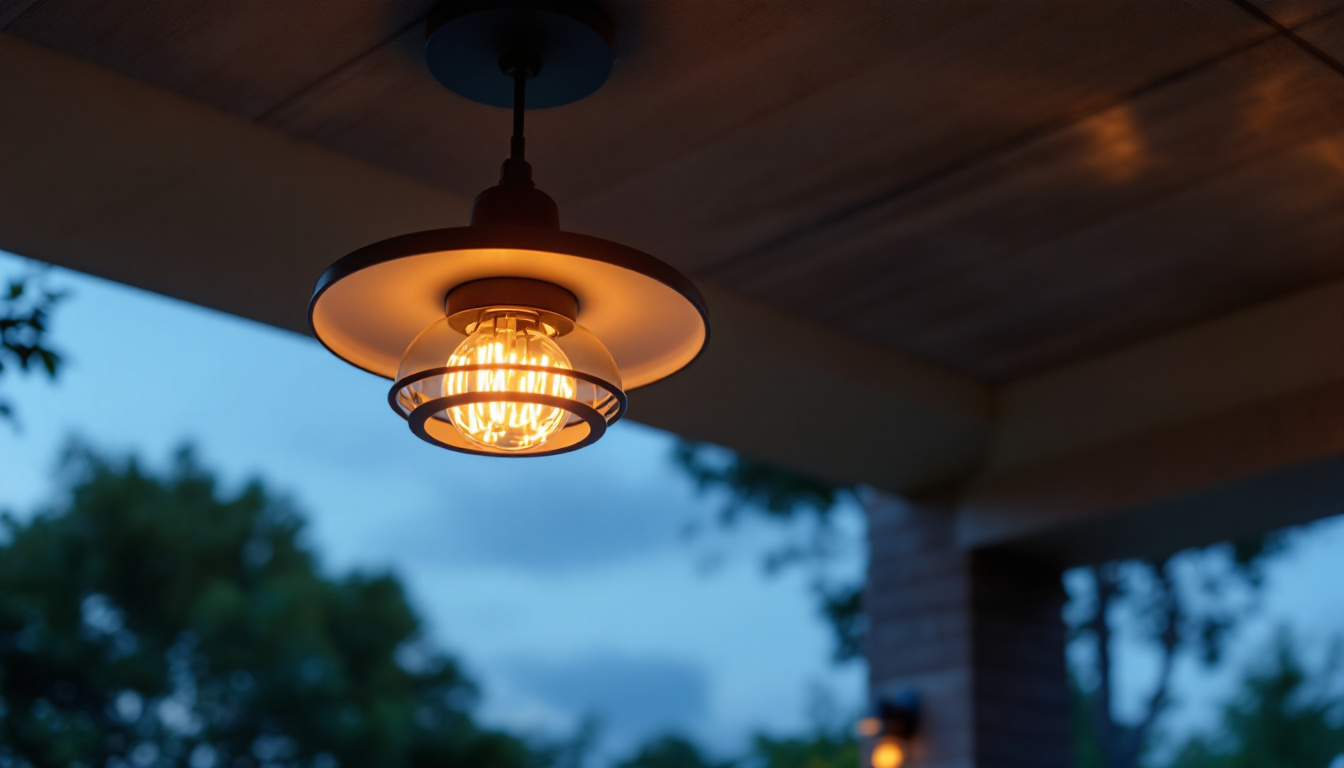
Light fixtures come in various types, including recessed, pendant, wall-mounted, and track lighting. Each type has its unique components, which can include sockets, lenses, and housing. For instance, recessed fixtures are often used in modern designs for a sleek, unobtrusive look, while pendant lights can serve as statement pieces in dining areas or kitchens. Familiarity with these types ensures that contractors can quickly identify the necessary parts when replacements are needed. Additionally, understanding the applications and advantages of each fixture type can help in selecting the right lighting for specific environments, enhancing both functionality and style.
Common Components to Know
Some of the most common components include:
- Ballasts: Essential for fluorescent and HID fixtures, ballasts regulate the current to the lamp.
- Sockets: These hold the bulb in place and connect it to the electrical supply.
- Reflectors: Used to direct light output, enhancing efficiency and brightness.
Understanding these components will help contractors quickly diagnose issues and order the correct parts for replacements. Furthermore, other components such as dimmers and switches can significantly impact the overall lighting experience. Dimmers allow for adjustable brightness, creating ambiance and saving energy, while switches can vary in complexity, from simple toggle switches to advanced smart home systems that enable remote control of lighting. By being well-versed in these additional elements, contractors can offer more comprehensive solutions to their clients, ensuring both satisfaction and efficiency in their lighting setups.
Identifying When Replacement is Necessary
Recognizing when a part needs replacement is key to maintaining lighting systems effectively. There are several signs that can indicate a component is failing.
Common Signs of Failure
Contractors should be on the lookout for the following signs:
- Flickering Lights: This may indicate a failing ballast or socket.
- Burnt Smell: A burnt smell can be a sign of overheating components, which may require immediate attention.
- Inconsistent Brightness: This could suggest issues with the wiring or the bulb itself.
Being proactive about these signs can prevent larger issues down the line, saving both time and resources. Additionally, it is essential to understand that ignoring these warning signs can lead to more significant failures, which may disrupt operations or even pose safety hazards. For instance, flickering lights not only create an uncomfortable environment but can also lead to accidents in workplaces where visibility is crucial.
Regular Maintenance Checks
Implementing a regular maintenance schedule can help identify potential issues before they escalate. This includes checking connections, cleaning fixtures, and ensuring that all components are functioning properly. Such diligence not only prolongs the life of the fixtures but also enhances the safety of the installation. Regular checks can also help in identifying outdated technology that may need upgrading, such as transitioning from incandescent bulbs to energy-efficient LED options, which can significantly reduce energy costs and improve overall lighting quality.
Moreover, incorporating a detailed log of maintenance activities can be beneficial. This log can track the performance of various components over time, allowing contractors to spot patterns that may indicate recurring issues. By analyzing this data, they can make informed decisions about when to replace parts preemptively, rather than reactively, thus ensuring a more reliable and efficient lighting system in the long run.
Essential Replacement Parts for Common Fixtures
Different types of fixtures require specific replacement parts. Understanding which parts are essential for common fixtures can streamline the replacement process.
Recessed Lighting
For recessed lighting, the following parts are often needed:
- Trims: These come in various styles and finishes, allowing for customization.
- Housings: The housing is the body of the fixture, which can be either new construction or remodel.
- LED Modules: As LED technology advances, having compatible modules is crucial for upgrades.
Having a stock of these parts can help contractors respond quickly to client needs. Additionally, understanding the differences between various trim styles—such as baffle, reflector, and adjustable trims—can aid in selecting the right part for the desired ambiance and functionality. For instance, baffle trims are excellent for reducing glare, making them ideal for living areas, while reflector trims can enhance brightness in spaces requiring more light, such as kitchens or workspaces.
Pendant Lighting
Pendant fixtures also have unique requirements. Key replacement parts include:
- Canopies: These cover the electrical junction box and are available in various designs.
- Downrods: Adjustable lengths allow for customization in height.
- Glass Shades: These can be easily replaced to update the look of the fixture.
Keeping a variety of these components on hand can enhance the flexibility of installations and repairs. Moreover, pendant lighting can serve as a focal point in a room, so choosing the right glass shade can significantly impact the overall aesthetic. From frosted finishes that diffuse light softly to clear glass shades that provide a more modern look, the options are extensive. Furthermore, downrods can be selected not only for height adjustment but also for style, with finishes that match or contrast with the pendant itself, adding an extra layer of design consideration to any space.
Tools for Efficient Replacement
Having the right tools is just as important as having the right parts. The right equipment can make the replacement process smoother and more efficient.
Essential Tools
Some essential tools that every lighting contractor should have include:
- Screwdrivers: A set of both flathead and Phillips screwdrivers is necessary for various fixtures.
- Wire Strippers: These are essential for preparing wires when replacing components.
- Voltage Tester: Ensuring that power is off before starting any work is crucial for safety.
Having these tools readily available can significantly reduce downtime during replacement tasks.
Organizational Tips
Keeping tools organized can also enhance efficiency. Using tool belts, organizers, or portable toolboxes can help contractors quickly access what they need, minimizing the time spent searching for tools.
Ordering Replacement Parts
Once the necessary components have been identified, the next step is ordering the right parts. This process can be streamlined with a few best practices.
Choosing Suppliers
Establishing relationships with reliable suppliers can ensure quick access to quality parts. Look for suppliers who offer:
- Wide Selection: A diverse inventory can help meet various client needs.
- Competitive Pricing: Cost-effective options can help maintain profitability.
- Good Customer Support: Responsive support can assist in resolving issues quickly.
Building a network of trusted suppliers can greatly enhance the efficiency of the replacement process.
Inventory Management
Maintaining an organized inventory of replacement parts can prevent delays. Regularly reviewing stock levels and reordering popular items can ensure that contractors are always prepared for unexpected repairs.
Safety Considerations
Safety should always be a top priority when working with electrical components. Understanding the risks and implementing safety measures can prevent accidents and injuries.
Personal Protective Equipment (PPE)
Wearing appropriate PPE is essential. This may include:
- Safety Glasses: Protects eyes from debris and accidental sparks.
- Gloves: Insulated gloves can prevent electrical shocks.
- Hard Hats: Useful in construction environments where overhead hazards may exist.
Ensuring that all team members are equipped with the necessary PPE can significantly reduce the risk of accidents on the job.
Electrical Safety Protocols
Before starting any work, it is critical to follow electrical safety protocols. This includes:
- Turning off the power at the circuit breaker.
- Using voltage testers to confirm that the power is off.
- Working in dry conditions to minimize the risk of electrical shock.
By adhering to these protocols, contractors can create a safer working environment for themselves and their clients.
Staying Updated with Industry Trends
The lighting industry is constantly evolving, with new technologies and trends emerging regularly. Staying informed can help contractors provide the best service possible.
Continuing Education
Participating in workshops, webinars, and training sessions can enhance skills and knowledge. Many organizations offer certifications that can further establish credibility in the field.
Networking Opportunities
Engaging with other professionals in the industry can provide insights into best practices and emerging trends. Joining industry associations or attending trade shows can be beneficial for networking and learning.
Conclusion
In conclusion, understanding light fixture replacement parts is crucial for lighting contractors looking to provide efficient and high-quality service. By familiarizing themselves with the components, recognizing signs of failure, and having the right tools and suppliers, contractors can streamline their processes. Prioritizing safety and staying updated with industry trends will further enhance their capabilities and reputation in the field. With these quick tips, lighting contractors can navigate the complexities of light fixture replacements with confidence and expertise.
Get Your Lighting Essentials at LumenWholesale
Ready to elevate your lighting game? Look no further than LumenWholesale for all your light fixture replacement part needs. Our extensive selection of spec-grade lighting products ensures you have access to the highest quality components for every project. With unbeatable wholesale prices and the convenience of free shipping on bulk orders, you can trust that you’re getting the best value without any hidden fees. Don’t compromise on quality or cost—visit LumenWholesale today and experience the ease of getting premium lighting at the best price.