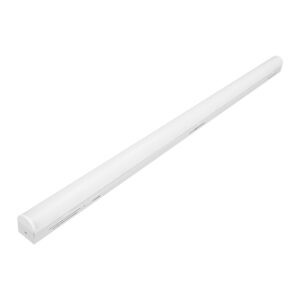
Understanding the Rise of Panel Flat LED Lighting
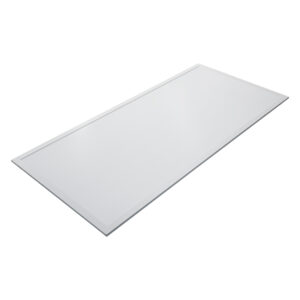
In recent years, panel flat LED lighting has transformed the lighting industry, offering contractors a versatile and energy-efficient solution that meets the demands of modern architectural and commercial spaces. These slim, sleek fixtures provide uniform illumination, reduce energy consumption, and offer long operational lifespans, making them a preferred choice for offices, retail environments, healthcare facilities, and educational institutions.
For lighting contractors, the adoption of panel flat LEDs represents both an opportunity and a challenge. While these fixtures promise enhanced performance and client satisfaction, they also require a nuanced understanding of installation techniques, electrical compatibility, and design integration. Successfully navigating these factors is essential to delivering high-quality lighting solutions that meet client expectations and regulatory standards.
One of the standout features of panel flat LED lighting is its ability to blend seamlessly into various interior designs. With their low-profile design, these panels can be recessed into ceilings or mounted directly, allowing for greater flexibility in layout and aesthetics. This adaptability is particularly beneficial in spaces where traditional lighting fixtures might be obtrusive or where a minimalist design is desired. Furthermore, many panel LEDs come with adjustable color temperatures, enabling users to customize the ambiance of a room, whether it’s a warm, inviting glow for a café or a bright, energizing light for a workspace.
Additionally, the advancements in smart technology have further propelled the popularity of panel flat LEDs. Many modern fixtures now come equipped with smart features, such as dimming capabilities and remote control options, which can be integrated into existing building management systems. This not only enhances user convenience but also contributes to energy savings by allowing for precise control over lighting levels based on occupancy and natural light availability. As sustainability becomes a central theme in construction and renovation projects, the integration of smart panel flat LEDs stands out as a forward-thinking solution that aligns with eco-friendly practices while enhancing the overall functionality of a space.
“`html
Common Challenges Faced by Lighting Contractors with Panel Flat LEDs
1. Compatibility with Existing Electrical Systems
One of the primary challenges contractors encounter is ensuring that panel flat LEDs are compatible with existing electrical infrastructure. Older buildings often have outdated wiring or incompatible dimming systems, which can cause flickering, reduced lifespan, or complete failure of LED panels.
Addressing this requires thorough site assessments and sometimes upgrading control systems to support LED technology. Understanding the electrical requirements of different LED drivers and their dimming protocols—such as 0-10V, DALI, or TRIAC—is crucial to avoid costly rework and maintain system reliability. Additionally, contractors may need to educate clients on the benefits of upgrading their electrical systems, which can lead to improved energy efficiency and reduced operational costs in the long run.
2. Installation Complexity and Mounting Options
Panel flat LEDs come with various mounting options, including recessed, surface-mounted, and suspended installations. Each method presents unique challenges, especially in retrofit projects where ceiling conditions may be less than ideal. Contractors must carefully evaluate ceiling types, available space above ceilings, and structural support to select the appropriate mounting method.
Moreover, ensuring proper alignment and secure mounting is vital for both aesthetic appeal and safety. Poor installation can lead to uneven lighting distribution, fixture damage, or even hazards over time. In some cases, contractors may also need to coordinate with other trades, such as HVAC or plumbing, to avoid conflicts during installation, which can complicate scheduling and project timelines.
3. Managing Heat Dissipation
Though LEDs generate less heat than traditional lighting, panel flat LEDs still require adequate heat dissipation to maintain performance and longevity. Inadequate ventilation or improper installation can cause overheating, leading to premature failure.
Contractors must consider the fixture’s thermal management design and ensure that installation environments allow for sufficient airflow. This is particularly important in enclosed ceiling spaces or areas with limited ventilation. To mitigate these risks, some contractors may incorporate additional cooling solutions or select fixtures with advanced thermal management features, such as heat sinks or fans, to enhance performance and reliability.
4. Navigating Regulatory Compliance and Standards
Lighting contractors must ensure that panel flat LED installations comply with local building codes, energy efficiency standards, and safety regulations. This includes adherence to standards such as UL certification, RoHS compliance, and relevant energy codes like ASHRAE or IECC.
Failure to comply can result in penalties, project delays, or the need for costly modifications. Staying informed about evolving regulations and incorporating compliance checks into project workflows is essential for smooth project execution. Furthermore, contractors may benefit from establishing relationships with local regulatory bodies or industry associations, which can provide valuable resources and updates on compliance requirements, helping to streamline the installation process and enhance overall project success.
“`
Strategies to Overcome Panel Flat LED Installation Challenges
Conducting Comprehensive Site Assessments
Before beginning any installation, a detailed site assessment is critical. This involves evaluating the existing electrical system, ceiling structure, and environmental conditions. Using diagnostic tools to test wiring integrity and compatibility with LED drivers helps preempt issues related to flickering or dimming.
Additionally, assessing ceiling types and available space ensures that the selected panel flat LEDs and mounting methods are appropriate. This proactive approach minimizes surprises during installation and enhances overall project efficiency. Moreover, understanding the ambient light conditions and potential obstructions, such as ductwork or plumbing, can further refine the installation plan, ensuring optimal light distribution and performance. By taking these factors into account, contractors can tailor their approach to meet specific site needs, ultimately leading to a more successful installation.
Partnering with Reliable Suppliers and Manufacturers
Selecting high-quality panel flat LED products from reputable manufacturers can significantly reduce installation challenges. Reliable suppliers provide comprehensive technical documentation, installation guides, and responsive customer support, which are invaluable resources for contractors.
Furthermore, working with manufacturers that offer customizable solutions or integrated control systems can simplify compatibility issues and improve system performance. Establishing a strong relationship with suppliers can also lead to better pricing, access to the latest technologies, and insights into industry trends. This collaboration not only enhances the quality of the installation but also fosters innovation, allowing contractors to implement cutting-edge solutions that can set them apart in a competitive market.
Investing in Training and Skill Development
Given the technical nuances of panel flat LED installations, ongoing training is vital for contractors and their teams. Training programs focusing on LED technology, wiring standards, dimming protocols, and installation best practices empower contractors to execute projects with confidence and precision.
Staying updated on the latest advancements in LED technology and installation techniques also positions contractors as knowledgeable experts, enhancing their credibility with clients. Additionally, hands-on workshops and certification courses can provide practical experience, allowing teams to troubleshoot common issues effectively. By fostering a culture of continuous learning, companies can ensure that their workforce remains adaptable and skilled, ready to tackle the evolving challenges of the lighting industry.
Implementing Quality Control and Testing Procedures
Establishing rigorous quality control measures throughout the installation process helps identify and rectify issues early. This includes verifying electrical connections, testing dimming functionality, and ensuring proper fixture alignment before project completion.
Post-installation testing, such as photometric measurements and thermal imaging, can confirm that lighting performance meets design specifications and safety standards. Documenting these tests also provides valuable records for clients and regulatory bodies. Moreover, implementing a feedback loop where installers can report challenges encountered during the process can lead to improved practices and solutions in future projects. This commitment to quality not only enhances client satisfaction but also builds a reputation for excellence in the industry, encouraging repeat business and referrals.
Leveraging Technology and Innovation for Better Outcomes
Smart Lighting Controls Integration
Integrating panel flat LEDs with smart lighting controls enhances energy efficiency and user experience. Systems that support occupancy sensors, daylight harvesting, and programmable scenes allow for dynamic lighting adjustments that reduce energy consumption and extend fixture lifespan.
For contractors, offering smart control solutions adds value to their services and aligns with growing client demand for sustainable and intelligent building technologies.
Utilizing Design Software and Simulation Tools
Advanced lighting design software enables contractors to simulate panel flat LED installations in virtual environments. This helps optimize fixture placement, lighting levels, and energy use before physical installation begins.
By leveraging these tools, contractors can present clients with accurate visualizations and data-driven recommendations, facilitating informed decision-making and reducing the risk of costly design changes.
Adopting Modular and Scalable Solutions
Modular panel flat LED systems offer flexibility for future upgrades or expansions. Contractors can recommend these solutions to clients who anticipate changing lighting needs, such as growing office spaces or evolving retail layouts.
Scalable systems simplify maintenance and reduce downtime, as individual modules can be replaced or upgraded without disrupting the entire lighting network.
Case Studies: Successful Panel Flat LED Installations
Office Renovation Project
In a large corporate office renovation, a lighting contractor faced challenges integrating panel flat LEDs with an outdated dimming system. By conducting a thorough electrical assessment and upgrading the control system to a compatible 0-10V dimming protocol, the contractor ensured seamless operation and improved energy efficiency by over 40% compared to previous lighting.
The project also incorporated suspended panel flat LEDs with adjustable mounting hardware, allowing for precise alignment and uniform illumination across workspaces. Post-installation testing confirmed compliance with local energy codes and client satisfaction with the improved lighting quality.
Healthcare Facility Upgrade
A healthcare facility required bright, flicker-free lighting to enhance patient comfort and staff productivity. The contractor selected high-CRI panel flat LEDs with advanced thermal management features to meet these needs.
Challenges included limited ceiling space and strict regulatory requirements. The contractor utilized surface-mounted panels with low-profile designs and collaborated closely with suppliers to ensure UL certification and compliance with healthcare lighting standards. The successful installation resulted in a safer, more comfortable environment and reduced maintenance costs.
Conclusion: Embracing Challenges as Opportunities
Panel flat LED lighting presents lighting contractors with a dynamic landscape of challenges and opportunities. By understanding the technical complexities, investing in training, leveraging technology, and maintaining rigorous quality standards, contractors can overcome common obstacles and deliver superior lighting solutions.
Embracing these challenges not only enhances project outcomes but also positions contractors as leaders in the evolving lighting industry, capable of meeting the sophisticated demands of modern clients and contributing to sustainable building practices.
“`html
Get Your Spec-Grade Lighting Solutions at LumenWholesale
Ready to tackle the challenges of panel flat LED installations with confidence? LumenWholesale is your trusted partner, offering an extensive selection of top-quality, spec-grade lighting products at unbeatable wholesale prices. Say goodbye to inflated markups and hello to reliable, high-performance lighting that meets the highest industry standards. With free shipping on bulk orders, you can stock up on premium lighting solutions without the hassle of hidden fees. Elevate your lighting projects and enjoy the perfect blend of quality, affordability, and convenience. Discover wholesale lighting at the best value today!
“`