Introduction to Solar Powered Lighting Systems
As the demand for sustainable energy solutions continues to grow, solar powered lighting has become a vital component in modern outdoor and commercial lighting projects. For lighting contractors, understanding the nuances of solar powered lights with remote control capabilities is essential to delivering efficient, cost-effective, and environmentally friendly lighting installations.
Solar powered lights harness energy from the sun, converting it into electrical power stored in batteries. This eliminates the need for extensive wiring and reduces dependence on grid electricity, making these systems ideal for remote locations, temporary setups, and eco-conscious projects. The addition of remote control functionality further enhances usability, allowing for convenient operation and customization without physical access to the fixture.
Moreover, advancements in solar technology have led to the development of high-efficiency solar panels and smart battery management systems, which maximize energy capture and storage. These innovations ensure that solar powered lights can operate effectively even in less-than-ideal weather conditions, such as cloudy or rainy days. Additionally, many modern solar lighting systems now incorporate LED technology, which not only provides brighter illumination but also extends the lifespan of the lights, reducing the frequency of replacements and maintenance.
Incorporating solar powered lighting into outdoor spaces can also significantly enhance safety and security. With features such as motion sensors and adjustable brightness settings, these lights can be programmed to activate only when needed, conserving energy while providing illumination when it matters most. This adaptability makes them perfect for pathways, gardens, and commercial properties, where both aesthetics and functionality are key considerations. As cities and communities increasingly prioritize sustainability, the integration of solar lighting solutions is likely to become a standard practice in urban planning and development.
Why Solar Powered Lights with Remote Control Matter to Lighting Contractors
Improved Installation Efficiency
One of the primary benefits of solar powered lights is the simplified installation process. Without the need for trenching or electrical wiring, contractors can complete projects faster and with fewer resources. The remote control feature adds another layer of convenience, enabling adjustments to lighting settings such as brightness, timing, and modes without revisiting the installation site.
This efficiency translates into reduced labor costs and shorter project timelines, which are critical factors for contractors managing multiple jobs or working within tight deadlines. Additionally, the lightweight and portable nature of solar lights allows for easier transportation to various job sites, further enhancing the contractor’s ability to respond quickly to client needs. As a result, contractors can take on more projects simultaneously, increasing their overall profitability and market competitiveness.
Enhanced Client Satisfaction and Flexibility
Clients increasingly seek lighting solutions that are both sustainable and easy to manage. Solar lights with remote controls meet these demands by offering energy savings and user-friendly operation. Contractors who can provide these advanced options position themselves as forward-thinking professionals capable of delivering modern, adaptable lighting systems.
Remote controls often include programmable settings, allowing clients to tailor lighting schedules to their specific needs. This flexibility is particularly valuable in commercial or public spaces where lighting requirements may vary by time of day or event. For instance, a retail store may want brighter lights during peak shopping hours while dimming them during quieter times to create a more inviting atmosphere. Furthermore, the ability to control multiple fixtures from a single remote enhances the overall user experience, making it easier for clients to manage their lighting without the hassle of complicated setups or manual adjustments.
Moreover, the integration of solar technology aligns with the growing trend of eco-consciousness among consumers. Clients are increasingly interested in reducing their carbon footprint, and by choosing solar-powered solutions, they can achieve both aesthetic and environmental goals. This commitment to sustainability not only enhances client satisfaction but also opens up opportunities for contractors to market their services to a broader audience, including those specifically seeking green alternatives. As the demand for eco-friendly solutions continues to rise, lighting contractors who embrace solar technology will find themselves at the forefront of a rapidly evolving industry.
Key Components of Solar Powered Lights with Remote
Solar Panels
The solar panel is the heart of the system, responsible for capturing sunlight and converting it into electrical energy. For contractors, selecting panels with appropriate wattage and efficiency ratings is crucial to ensure reliable performance. Factors such as geographic location, typical weather conditions, and installation angle must be considered to maximize energy harvest.
High-quality monocrystalline panels are often preferred due to their superior efficiency and durability, especially in limited space installations. These panels can perform better in low-light conditions compared to their polycrystalline counterparts, making them an ideal choice for areas that experience frequent overcast weather. Furthermore, advancements in solar technology have led to the development of bifacial panels, which can capture sunlight from both sides, further enhancing energy production and efficiency.
Battery Storage
Energy storage is essential for providing consistent lighting during nighttime or cloudy days. Lithium-ion batteries have become the industry standard because of their long lifespan, high energy density, and maintenance-free operation. Contractors should verify battery capacity aligns with the expected usage duration and power consumption of the lighting fixtures.
Proper battery management systems integrated into the light help prevent overcharging and deep discharging, extending the overall system life. Additionally, some modern systems incorporate smart technology that allows for real-time monitoring of battery health and performance, enabling proactive maintenance and replacement before failures occur. This not only enhances the reliability of the lighting system but also ensures that clients remain satisfied with consistent performance over time.
LED Light Fixtures
LED technology offers significant advantages in solar lighting due to its low power consumption, high brightness, and longevity. Selecting LEDs with the right color temperature and lumen output is critical for meeting project specifications, whether for security, pathway, or decorative lighting.
Additionally, fixtures designed for outdoor use must have appropriate ingress protection (IP) ratings to withstand environmental conditions such as rain, dust, and temperature fluctuations. The choice of materials for the fixture housing is also important; corrosion-resistant materials such as aluminum or high-grade plastics can significantly increase the lifespan of the lights. Moreover, the integration of smart sensors, such as motion detectors and ambient light sensors, can optimize energy usage by adjusting brightness levels based on surrounding conditions, further enhancing efficiency and user experience.
Remote Control Units
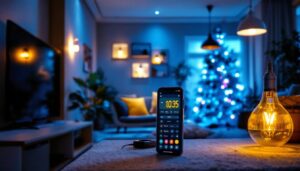
Remote controls vary from simple on/off switches to sophisticated devices capable of adjusting brightness, switching between lighting modes, and programming timers. Some systems also support smartphone app integration via Bluetooth or Wi-Fi, providing even greater control and monitoring capabilities.
For contractors, understanding the compatibility and range of these remote units is vital to ensure seamless operation and client satisfaction. The ability to customize settings through a mobile app not only enhances user convenience but also allows for energy consumption tracking, enabling users to make informed decisions about their energy usage. Furthermore, some advanced remote systems can integrate with home automation platforms, allowing users to control their solar lights alongside other smart home devices, creating a cohesive and efficient living environment.
Installation Best Practices for Lighting Contractors
Site Assessment and Planning
Before installation, a thorough site assessment is necessary to identify optimal solar panel placement. Panels should be positioned to receive maximum sunlight exposure, free from shading by trees, buildings, or other obstructions. Contractors should use tools like solar pathfinders or smartphone apps to evaluate sun angles and potential shading throughout the day and seasons.
Planning also involves determining the appropriate number and placement of light fixtures to achieve uniform illumination and meet safety standards.
Mounting and Wiring Considerations
Solar panels and light fixtures must be securely mounted to withstand environmental stresses such as wind and vibration. Contractors should use corrosion-resistant hardware and follow manufacturer guidelines to ensure stability and longevity.
Although solar lighting reduces wiring needs, some systems require minimal connections between panels, batteries, and lights. Proper cable management and waterproof connectors are essential to prevent damage and maintain system integrity.
Programming and Testing
After installation, contractors should program the remote controls according to the client’s preferences, setting schedules, brightness levels, and operational modes. Comprehensive testing ensures the system functions correctly under various conditions, including nighttime operation and low sunlight scenarios.
Providing clients with a demonstration and clear instructions on remote control use enhances their experience and reduces support requests.
Maintenance and Troubleshooting Tips
Routine Inspections
Regular maintenance is key to sustaining optimal performance. Contractors should advise clients to inspect solar panels for dirt, debris, or damage that could impair energy collection. Cleaning panels with water and a soft cloth every few months can significantly improve efficiency.
Battery health should also be monitored, with replacement intervals based on manufacturer recommendations and usage patterns.
Common Issues and Solutions
Lighting contractors often encounter issues such as dim lights, inconsistent operation, or remote control malfunctions. These problems can stem from battery degradation, panel shading, or signal interference.
Troubleshooting steps include verifying battery charge levels, ensuring panels are unobstructed, checking remote control batteries, and resetting the system if necessary. Maintaining detailed records of installations and client reports helps contractors diagnose recurring issues and improve future projects.
Emerging Trends and Technologies in Solar Lighting
Smart Integration and IoT
The integration of solar lighting systems with smart home and building automation platforms is gaining traction. Lighting contractors can leverage Internet of Things (IoT) technology to offer clients remote monitoring, adaptive lighting based on occupancy or ambient light, and energy usage analytics.
Such innovations enhance energy efficiency and user convenience, positioning contractors as leaders in cutting-edge lighting solutions.
Advancements in Battery and Panel Technology
Ongoing improvements in battery chemistry and solar panel materials continue to boost system performance. Emerging technologies like solid-state batteries and bifacial solar panels promise higher energy density and better energy capture from reflected light, respectively.
Contractors who stay informed about these advancements can recommend the most effective solutions tailored to client needs and project constraints.
Conclusion
For lighting contractors, mastering the essentials of solar powered lights with remote control is a strategic advantage in today’s market. These systems offer streamlined installation, enhanced client satisfaction, and sustainable energy benefits that align with evolving industry standards and consumer preferences.
By understanding component selection, installation best practices, maintenance requirements, and emerging technologies, contractors can deliver high-quality, reliable solar lighting solutions that meet diverse project demands and contribute to a greener future.
Illuminate Your Projects with LumenWholesale
Ready to elevate your lighting projects with the efficiency and sustainability of solar powered lights? At LumenWholesale, we provide lighting contractors like you with the highest quality, spec-grade solar lighting solutions at unbeatable wholesale prices. Say goodbye to local distributor markups and hello to our extensive selection that meets the strictest industry standards. With free shipping on bulk orders, you can trust that you’re getting premium lighting at the best value — no hidden fees, no compromises. Make the smart choice for your next project and experience the perfect blend of quality, affordability, and convenience. Visit LumenWholesale now for Wholesale Lighting at the Best Value.