The Revolution Sparked by the Light Bulb
The invention of the light bulb did more than just illuminate rooms; it transformed society, industry, and the way people live and work. Before electric lighting, activities were limited by daylight or the flickering, often hazardous glow of candles and gas lamps. The light bulb extended productive hours, enhanced safety, and created new possibilities for urban development and industrial growth. The introduction of electric light not only allowed factories to operate around the clock but also encouraged the establishment of vibrant nightlife in cities, leading to a cultural renaissance that reshaped social interactions and leisure activities.
For lighting contractors, understanding this historical impact is more than academic. It highlights the critical role they play in shaping environments that influence daily life and business operations. The light bulb’s journey from a novel invention to an essential utility underscores the importance of innovation, reliability, and efficiency in lighting solutions today. Furthermore, as technology has evolved, so too have the demands placed on lighting systems. Modern lighting contractors must now navigate a landscape filled with energy-efficient options, smart lighting technologies, and sustainable practices that reflect a growing awareness of environmental impact. This evolution not only requires technical expertise but also a vision for how lighting can enhance both functionality and aesthetic appeal in diverse settings, from homes to commercial spaces.
Additionally, the societal implications of the light bulb’s invention cannot be overstated. It played a pivotal role in the electrification of homes and businesses, which in turn fueled the growth of suburbs and the expansion of cities. The ability to light streets and public spaces transformed urban planning, making cities safer and more accessible after dark. This shift also paved the way for innovations in architecture, as buildings could now be designed with larger windows and more open spaces, free from the constraints of natural light. As we continue to innovate with lighting technology, the legacy of the light bulb serves as a reminder of how a single invention can ripple through time, influencing everything from our daily routines to the very fabric of our communities.
From Incandescent to LED: The Evolution of Lighting Technology
Why the Shift Matters
The incandescent bulb, once the standard bearer of electric lighting, is now largely obsolete. Its inefficiency—converting only about 10% of energy into light while the rest becomes heat—made it unsustainable for modern energy demands. Lighting contractors need to be fluent in newer technologies, especially LEDs, which use a fraction of the energy and last significantly longer. This transition is not just a matter of preference; it reflects a broader commitment to energy conservation and environmental stewardship that resonates with consumers and businesses alike.
LEDs have revolutionized lighting by offering superior energy efficiency, durability, and design flexibility. They also allow for smarter lighting systems that can be integrated with automation and IoT devices. For contractors, this means expanding skill sets and offering clients solutions that reduce operational costs and environmental impact. The lifespan of LEDs can reach up to 25,000 hours or more, significantly reducing the frequency of replacements and maintenance. This longevity, combined with lower energy consumption, translates into substantial cost savings over time, making it a win-win for both contractors and their clients.
Adapting to Client Needs
Clients today expect lighting that not only illuminates but enhances ambiance, improves productivity, and supports sustainability goals. Lighting contractors who can recommend and install advanced systems—such as tunable white lighting or sensor-based controls—position themselves as trusted advisors rather than mere installers. The ability to customize lighting solutions to fit specific environments, whether it’s a cozy restaurant or a high-tech office, is increasingly important. For instance, tunable white lighting can mimic natural daylight, which has been shown to boost mood and focus, making it an attractive option for workplaces aiming to enhance employee well-being.
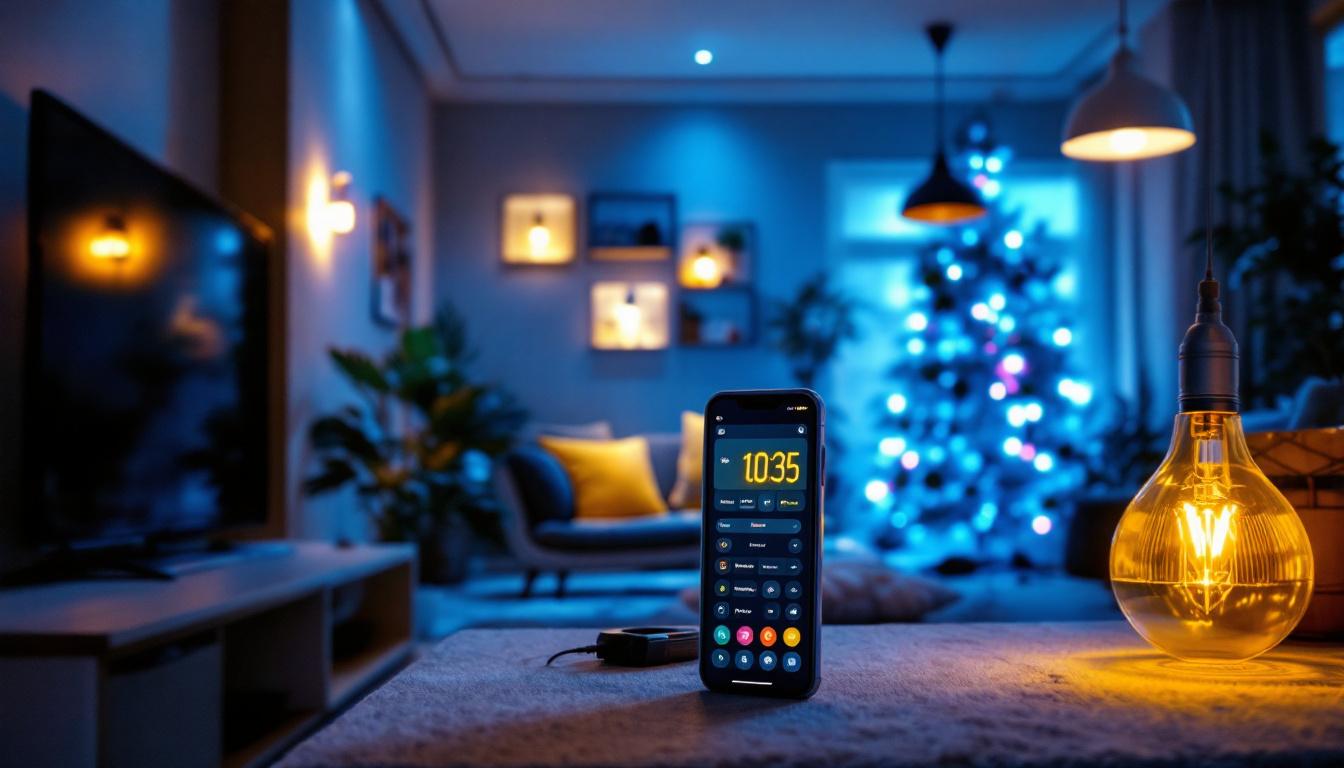
Moreover, as smart home technology continues to gain traction, clients are looking for integrated solutions that allow them to control their lighting remotely or automate it based on their routines. This demand for connectivity means that contractors must stay updated on the latest advancements in smart lighting systems, including compatibility with voice-activated assistants and mobile applications. By understanding these emerging trends and technologies, contractors can not only meet client expectations but also drive innovation in their projects, ensuring that they remain competitive in an ever-evolving market.
Maximizing Success Through Expertise and Innovation
Staying Ahead with Continuous Learning
Lighting technology evolves rapidly. Contractors who invest in ongoing education and certification in emerging technologies gain a competitive edge. This includes understanding smart lighting platforms, energy codes, and the latest in fixture design. Knowledge translates into better project outcomes and stronger client relationships. Furthermore, with the rise of sustainable practices, staying informed about eco-friendly lighting solutions not only meets client demands but also aligns with global initiatives to reduce carbon footprints. Workshops, webinars, and industry conferences provide invaluable opportunities for professionals to network and share insights, fostering a community of innovation that benefits all involved.
Leveraging Data and Analytics
Modern lighting systems generate valuable data on usage patterns and energy consumption. Contractors who can interpret this data provide clients with actionable insights to optimize lighting schedules and maintenance, reducing costs and extending system life. This analytical approach differentiates contractors in a crowded market. By employing advanced software tools, contractors can create predictive maintenance schedules, minimizing downtime and enhancing client satisfaction. Additionally, the integration of IoT (Internet of Things) devices allows for real-time monitoring, enabling contractors to proactively address issues before they escalate. This not only improves operational efficiency but also positions contractors as trusted advisors, capable of delivering tailored solutions that meet the unique needs of each client.
Building Client Trust Through Quality and Service
The Importance of Reliable Installation
Even the best lighting products fail to deliver if installed improperly. Lighting contractors must prioritize precision and adherence to standards. This not only ensures safety and performance but also builds client confidence and leads to repeat business. A well-executed installation can be a showcase of craftsmanship, demonstrating the contractor’s expertise and attention to detail. For instance, using the right tools and techniques can significantly reduce the risk of future issues, such as flickering lights or uneven illumination, which can frustrate clients and tarnish a contractor’s reputation.
Moreover, effective communication during the installation process is crucial. Keeping clients informed about the steps being taken, potential challenges, and timelines fosters transparency. When clients feel involved and educated about the process, they are more likely to trust the contractor’s judgment and feel satisfied with the end result. This rapport can lead to valuable referrals, as happy clients often share their positive experiences with friends and family, further expanding the contractor’s reach.
Offering Comprehensive Maintenance Plans
Lighting systems require ongoing care to maintain efficiency and functionality. Contractors who offer maintenance contracts provide clients with peace of mind and create steady revenue streams. Proactive service prevents costly downtime and extends the lifespan of lighting investments. Regular inspections can identify potential issues before they escalate, allowing for timely repairs that save clients money in the long run. Additionally, these maintenance plans can be tailored to fit the unique needs of each client, ensuring that every system operates at peak performance, regardless of its complexity.
Furthermore, educating clients about the benefits of regular maintenance can enhance their appreciation for the services provided. By explaining how factors such as dust accumulation, bulb wear, and outdated technology can affect lighting quality, contractors can position themselves as trusted advisors rather than just service providers. This educational approach not only reinforces the value of the maintenance plans but also encourages clients to take an active role in the upkeep of their lighting systems, fostering a long-term partnership built on trust and mutual respect.
Capitalizing on Sustainability Trends
Meeting Regulatory and Market Demands
Energy efficiency regulations and green building certifications increasingly influence lighting choices. Contractors who understand these requirements and can guide clients through compliance stand out as essential partners in sustainable construction and renovation projects. As governments and organizations push for stricter environmental standards, staying informed about the latest regulations, such as LEED (Leadership in Energy and Environmental Design) and BREEAM (Building Research Establishment Environmental Assessment Method), is crucial. By being proactive in this area, contractors not only ensure their projects meet legal requirements but also position themselves as industry leaders who prioritize sustainability.
Moreover, the integration of smart lighting solutions is becoming a pivotal aspect of meeting these regulatory demands. Smart lighting systems can automatically adjust based on occupancy or natural light levels, significantly reducing energy consumption. By embracing these technologies, contractors can offer clients innovative solutions that not only comply with regulations but also enhance the overall functionality and aesthetic appeal of the space.
Promoting Energy Savings and Environmental Responsibility
Beyond compliance, many clients seek to reduce their carbon footprint. Lighting contractors can lead the way by recommending energy-saving technologies and designs that minimize waste. Demonstrating environmental stewardship enhances reputation and attracts eco-conscious customers. For instance, utilizing LED lighting not only lowers energy costs but also has a longer lifespan compared to traditional bulbs, resulting in less frequent replacements and reduced waste. This aligns perfectly with the growing consumer demand for sustainable products and practices.
In addition to recommending energy-efficient products, contractors can educate clients on the importance of proper lighting design. Factors such as light placement, color temperature, and the use of daylighting strategies can significantly impact energy use and occupant comfort. By providing comprehensive lighting solutions that consider both aesthetic and environmental factors, contractors can foster a deeper connection with their clients, encouraging them to embrace sustainability as a core value in their projects. This holistic approach not only benefits the environment but also enhances the overall user experience within the built environment.
Conclusion: Lighting Contractors as Catalysts for Progress
The light bulb’s impact on the world is a story of innovation, adaptation, and transformation. Lighting contractors are at the forefront of this ongoing evolution, shaping how spaces are illuminated and experienced. By embracing new technologies, honing expertise, and prioritizing client needs, contractors can maximize success and drive the future of lighting forward.
Illuminate Your Projects with LumenWholesale
As lighting contractors continue to be the catalysts for progress in the world of illumination, LumenWholesale stands ready to support your endeavors. We provide you with the highest quality, spec-grade lighting products at prices that respect your bottom line. By choosing us, you eliminate the middleman and gain access to a vast selection of reliable and high-performance lighting solutions that meet the most stringent industry standards. With the convenience of free shipping on bulk orders, we ensure that you get the premium lighting you need at the best value. Elevate your lighting projects and experience the seamless blend of quality, affordability, and convenience. Visit LumenWholesale today and take the first step towards a brighter future for your clients.