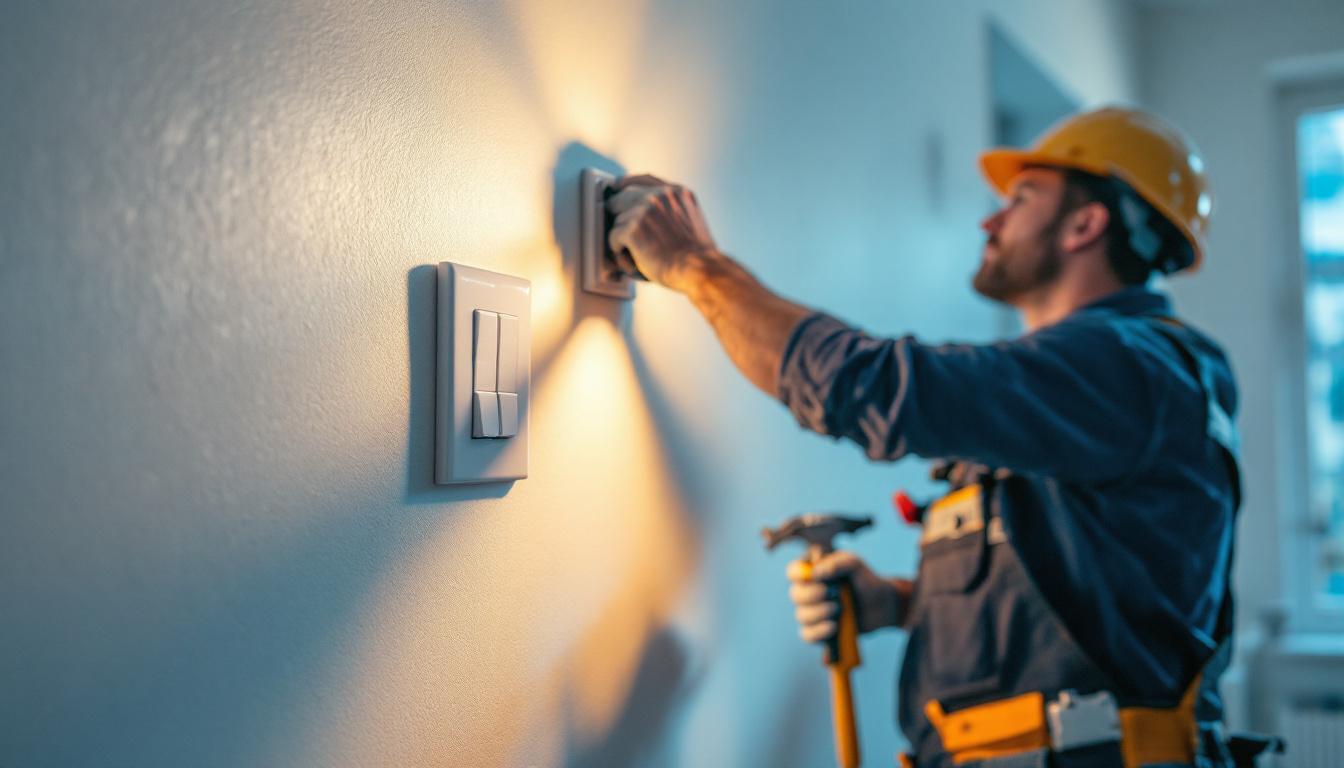
In the realm of residential and commercial lighting, the installation of 3-way wall switches is a common yet crucial task. These switches allow users to control a single light fixture from two different locations, providing convenience and enhancing the functionality of spaces. For lighting contractors, mastering the installation and troubleshooting of 3-way switches is essential. This article delves into best practices, tips, and common pitfalls to avoid when working with 3-way wall switches.
Understanding 3-Way Switch Basics
Before diving into installation techniques, it’s vital to understand the fundamental components and operation of a 3-way switch. Unlike standard single-pole switches, which control a light from one location, 3-way switches work in pairs to control a single light fixture from two different points. This feature is particularly useful in larger spaces where accessibility to light switches can enhance both functionality and safety.
Components of a 3-Way Switch
A typical 3-way switch setup consists of two switches and a light fixture. Each switch has three terminals: one common terminal and two traveler terminals. The common terminal connects to the power source or the light fixture, while the traveler terminals connect to the other switch. This configuration allows for the light to be turned on or off from either switch. Additionally, some modern 3-way switches may also include features such as dimming capabilities or smart technology integration, allowing for even greater control over lighting environments.
Wiring Configuration
Proper wiring is crucial for the functionality of a 3-way switch. The most common wiring configuration involves running a three-wire cable between the two switches. This cable typically includes a black (hot), red (traveler), white (neutral), and bare or green (ground) wire. Understanding how to connect these wires correctly ensures a seamless operation of the light fixture. It’s also important to note that the wiring can vary depending on the specific installation scenario, such as whether the power source is at the switch or at the light fixture. Familiarizing oneself with these variations can prevent potential issues during installation.
Common Applications
3-way switches are often used in hallways, staircases, and large rooms where multiple access points to lighting are necessary. They enhance safety and convenience, allowing users to control lighting from both ends of a space. Understanding the common applications can help contractors recommend the best solutions to their clients. Beyond residential use, 3-way switches are also prevalent in commercial settings, such as offices and retail spaces, where lighting needs can change throughout the day. The ability to control lighting from multiple locations can significantly improve energy efficiency and user comfort, making them a valuable addition to any building’s design.
Safety Considerations
When working with 3-way switches, safety should always be a top priority. Before beginning any electrical work, it’s essential to turn off the power at the circuit breaker to prevent electrical shock. Additionally, using a voltage tester to confirm that the wires are not live can provide an extra layer of safety. Properly securing all connections and ensuring that the switches are rated for the load they will handle is crucial in preventing overheating and potential fire hazards. Furthermore, for those unfamiliar with electrical work, consulting a licensed electrician can ensure that the installation meets local codes and standards.
Best Practices for Installation
Installing a 3-way switch may seem straightforward, but attention to detail is essential for a successful outcome. Here are some best practices that lighting contractors should adhere to when installing 3-way switches.
Planning the Installation
Before beginning any electrical work, planning is key. Assess the layout of the space and determine the most logical locations for the switches. Consider factors such as accessibility, the flow of traffic, and the overall design of the room. Proper planning can prevent future issues and ensure user satisfaction. Additionally, it’s beneficial to visualize how the switches will interact with existing lighting fixtures and how they will be used in daily routines. For instance, placing a switch at the top and bottom of a staircase can greatly enhance safety and convenience, making it easier to control lighting as one ascends or descends.
Utilizing the Right Tools
Having the right tools on hand is vital for efficient installation. Essential tools include a voltage tester, wire strippers, screwdrivers, and a drill. Additionally, using a circuit tester helps ensure that the power is off before starting any work. Investing in quality tools can enhance the overall installation experience. It’s also wise to have a good flashlight or work light available, as many installations may occur in dimly lit areas or during times when natural light is insufficient. Keeping your workspace organized and free of clutter can also improve safety and efficiency, allowing for a smoother workflow.
Following Electrical Codes
Adhering to local electrical codes and regulations is non-negotiable. Each region may have specific requirements regarding wiring, switch placement, and safety measures. Familiarizing oneself with these codes not only ensures compliance but also promotes safety for both the contractor and the end-user. Moreover, it can be beneficial to consult with local building authorities or experienced electricians if there are uncertainties about specific regulations. Understanding the rationale behind these codes can also aid in making informed decisions during the installation process, ultimately leading to a safer and more reliable electrical system.
Wiring Techniques for 3-Way Switches
Wiring is the backbone of any electrical installation, and 3-way switches are no exception. Understanding various wiring techniques can significantly impact the performance of the installed switches.
Standard Wiring Method
The standard wiring method involves connecting the switches using a three-wire cable. The black wire serves as the hot wire, while the red and white wires serve as travelers. Properly connecting these wires to the terminals on each switch is crucial for ensuring the light fixture operates correctly. It’s essential to double-check all connections before securing the switches in their boxes.
Alternative Wiring Methods
In some cases, alternative wiring methods may be necessary, especially in older homes or unique installations. For instance, using a four-way switch can allow for control from more than two locations. Understanding these alternatives can help contractors provide tailored solutions to their clients’ needs.
Labeling Wires
Labeling wires during installation can save time and prevent confusion in future troubleshooting. Using colored electrical tape or labels can help identify each wire’s purpose, making it easier for anyone who may work on the system later. This practice enhances safety and efficiency in electrical maintenance.
Common Mistakes to Avoid
Incorrect Wiring Connections
One of the most common mistakes is incorrect wiring connections. Misplacing the traveler wires or connecting them to the wrong terminals can lead to malfunctioning switches. Always double-check wiring against the manufacturer’s instructions and electrical codes to avoid these issues.
Neglecting Ground Connections
Ground connections are often overlooked but are essential for safety. Failing to connect the ground wire can lead to electrical shocks or fire hazards. Ensuring that all ground wires are properly connected is a critical step in any electrical installation.
Inadequate Testing
After installation, thorough testing is crucial to ensure everything functions as intended. Neglecting to test the switches can result in undetected issues that may lead to customer dissatisfaction. Using a voltage tester to check each switch and light fixture before completing the job can prevent future problems.
Troubleshooting 3-Way Switch Issues
Even with proper installation, issues can arise. Knowing how to troubleshoot common problems can save time and enhance customer satisfaction.
Identifying the Problem
The first step in troubleshooting is to identify the problem. Common issues include flickering lights, switches that do not operate correctly, or lights that remain on or off regardless of switch position. Understanding the symptoms can help narrow down potential causes.
Checking Connections
Loose or faulty connections are often the culprits behind 3-way switch issues. Inspecting all wiring connections, ensuring they are secure, and checking for any signs of wear or damage can help resolve many problems. If a connection appears faulty, it may need to be repaired or replaced.
Testing Switch Functionality
If wiring connections appear intact, testing the functionality of each switch is the next step. Using a multimeter can help determine if a switch is functioning correctly. If a switch is found to be defective, replacing it may be necessary to restore proper operation.
Enhancing User Experience with 3-Way Switches
Beyond functionality, enhancing the user experience is crucial for lighting contractors. Providing clients with options and educating them about their systems can lead to greater satisfaction.
Smart 3-Way Switch Options
With the rise of smart home technology, offering clients smart 3-way switches can significantly enhance their lighting experience. These switches allow for remote control via smartphones or voice commands, providing added convenience. Educating clients on the benefits of smart switches can set a contractor apart from competitors.
Customizing Lighting Solutions
Every space is unique, and offering customized lighting solutions can greatly enhance the user experience. Understanding client needs and preferences can help contractors recommend the best switch configurations and lighting options. This personalized approach can lead to higher client satisfaction and repeat business.
Providing Maintenance Tips
Educating clients about maintenance can prolong the life of their lighting systems. Simple tips such as checking for loose connections, cleaning switches, and understanding when to call a professional can empower clients to take care of their installations. Providing a maintenance guide can also enhance the contractor-client relationship.
Conclusion
The installation of 3-way wall switches is a fundamental skill for lighting contractors. By understanding the basics, adhering to best practices, and being aware of common pitfalls, contractors can ensure successful installations that meet client needs. Troubleshooting skills and a focus on enhancing the user experience can further elevate a contractor’s service offerings. Embracing these best practices will not only enhance the quality of installations but also foster long-term relationships with clients, leading to a thriving business in the lighting industry.
Get Your Premium 3-Way Switches at LumenWholesale
Ready to elevate your lighting installations with the highest quality 3-way switches? Look no further than LumenWholesale. Our spec-grade lighting products are designed to meet the rigorous demands of any project, big or small. With unbeatable wholesale prices and no middleman markups, you’re guaranteed to get the best value for your investment. Plus, with our commitment to hassle-free bulk buying and free shipping, you can stock up on all your lighting needs without any hidden fees. Don’t compromise on quality or price. Visit LumenWholesale today and experience the perfect blend of quality, affordability, and convenience for your next lighting project.