Understanding the Importance of Proper Wall Mounting
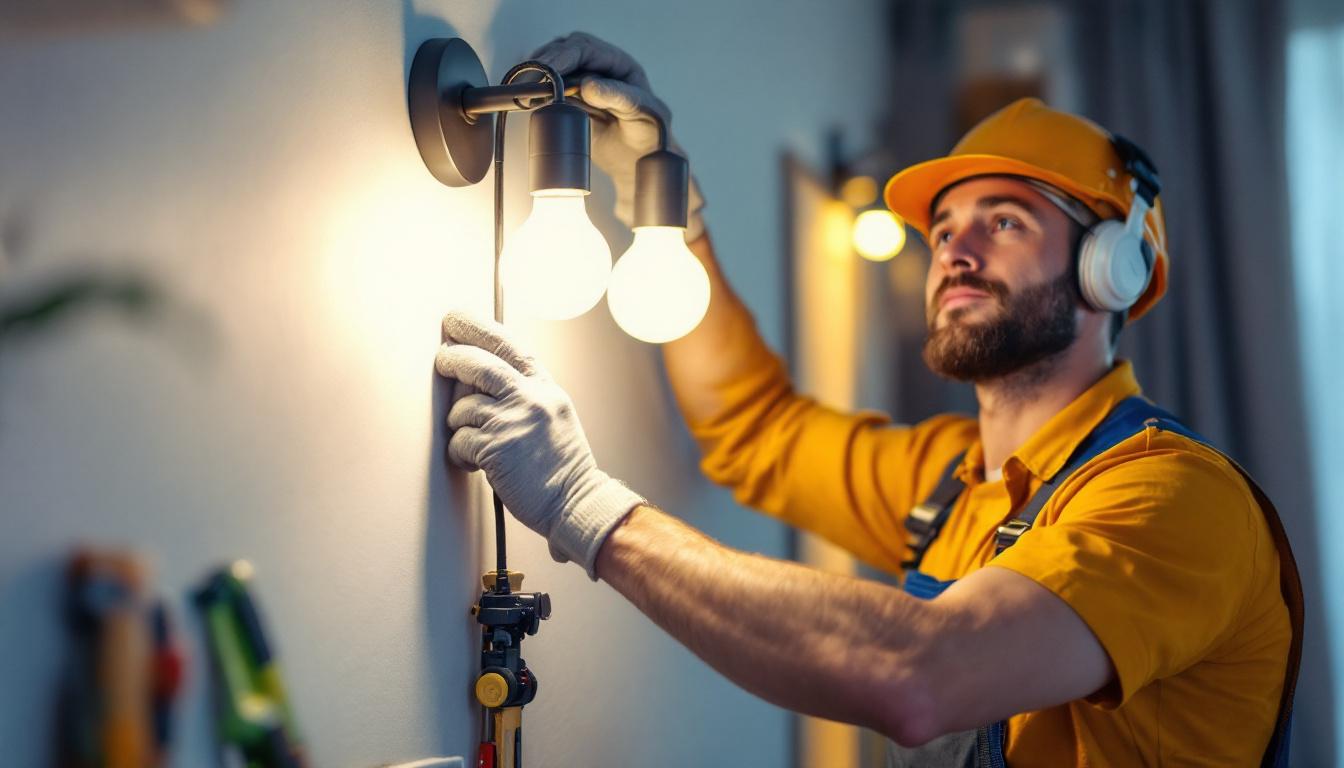
For lighting contractors, wall mounting lights is a fundamental skill that directly impacts both the functionality and aesthetics of a space. Proper installation ensures that lighting fixtures are secure, aligned, and positioned to optimize illumination. Incorrect mounting can lead to safety hazards, premature fixture failure, and unsatisfactory lighting effects that disappoint clients.
In commercial and residential projects alike, wall-mounted lights often serve as both primary and accent lighting. They can highlight architectural features, provide task lighting, or create ambiance. Therefore, understanding the nuances of mounting these fixtures is essential to delivering professional-quality results that meet client expectations and comply with safety standards.
Moreover, the choice of mounting height and angle can significantly influence the overall lighting effect. For instance, wall sconces installed too high may cast shadows that detract from the intended design, while those placed too low might not provide adequate illumination. Additionally, the type of wall surface—be it drywall, brick, or concrete—can affect the mounting process, necessitating different tools and techniques to ensure a secure fit. Lighting contractors must be adept at assessing these variables to achieve optimal results.
Furthermore, the integration of smart lighting technology has added another layer of complexity to wall mounting. With the rise of smart home systems, contractors must consider not only the physical installation but also the electrical wiring and connectivity of these fixtures. Ensuring compatibility with smart devices and maintaining a clean, organized appearance while accommodating wiring can be a challenge. This evolving landscape requires contractors to stay informed about the latest trends and technologies in lighting to provide clients with innovative solutions that enhance their living or working environments.
Planning and Preparation: The Foundation of Successful Installation
Assessing the Site and Electrical Infrastructure
Before commencing any installation, a thorough assessment of the site is critical. This includes identifying the type of wall surface—drywall, concrete, brick, or wood—as each requires different mounting hardware and techniques. Additionally, evaluating the existing electrical infrastructure is necessary to ensure compatibility with the new fixtures.
Lighting contractors should verify the location of electrical boxes and wiring, checking for any potential obstructions or code violations. In some cases, upgrading wiring or installing new junction boxes may be required to meet current electrical codes and support the fixture’s power requirements. Furthermore, understanding the layout of the space can help in determining the optimal placement of fixtures to enhance both functionality and aesthetics. For instance, in a living room, placing lights at varying heights can create a layered lighting effect, adding depth and warmth to the environment.
Selecting Appropriate Fixtures and Mounting Hardware
Choosing the right fixtures for wall mounting involves considering the fixture’s weight, size, and intended use. Heavy fixtures demand robust anchors and mounting brackets, while lighter fixtures may only require basic hardware. Contractors must also select hardware compatible with the wall material to ensure a secure installation.
For example, toggle bolts or molly bolts are effective for hollow walls like drywall, whereas expansion anchors or sleeve anchors are better suited for masonry surfaces. Using improper hardware can result in loose fixtures or damage to the wall, compromising both safety and aesthetics. Additionally, it is essential to consider the style and finish of the fixtures, as these elements can significantly influence the overall design of the space. A modern pendant light might beautifully contrast with rustic wooden beams, while sleek, minimalist fixtures can enhance a contemporary aesthetic. This thoughtful selection process not only ensures functionality but also contributes to the overall ambiance of the room, making it a vital step in the planning and preparation phase.
Installation Techniques for Different Wall Types
Mounting on Drywall and Plaster Walls
Drywall and plaster are common interior wall materials but lack the strength to support heavy fixtures without reinforcement. When mounting lights on these surfaces, lighting contractors should locate studs whenever possible, as anchoring directly into studs provides the most secure hold.
If studs are unavailable at the desired mounting location, specialized anchors designed for hollow walls should be used. It is important to pre-drill holes to avoid cracking plaster and to carefully follow manufacturer instructions for anchor installation. Additionally, using mounting plates or backer boards can distribute weight more evenly, reducing stress on the wall.
Mounting on Masonry and Concrete Walls
Masonry and concrete walls require different preparation. Drilling into these hard surfaces necessitates the use of a hammer drill and masonry bits. Contractors should select heavy-duty anchors such as sleeve anchors, wedge anchors, or concrete screws to provide a secure hold.
Proper dust management during drilling is also important to maintain a clean work environment and prevent debris from interfering with the mounting process. After drilling, cleaning the hole thoroughly ensures that the anchor seats properly. This approach minimizes the risk of fixture loosening over time.
Dealing with Metal and Other Specialty Surfaces
Mounting lights on metal surfaces, such as steel studs or metal panels, requires self-tapping screws or rivets designed for metal. Pre-drilling pilot holes can prevent metal deformation and ensure precise alignment. For specialty surfaces like glass or tile, adhesive mounts or specialized brackets may be necessary, but these require careful consideration of weight limits and environmental factors.
Ensuring Safety and Compliance
Adhering to Electrical Codes and Standards
Safety is paramount in any lighting installation. Lighting contractors must be well-versed in local and national electrical codes, such as the National Electrical Code (NEC), which dictate requirements for wiring, grounding, and fixture placement. Compliance reduces the risk of electrical fires, shocks, and system failures.
For example, ensuring that fixtures installed in damp or wet locations have appropriate ratings (such as UL wet-location listing) is critical. Additionally, all connections must be secure and protected within electrical boxes, and any modifications to wiring should be performed by qualified personnel.
Using Personal Protective Equipment (PPE) and Safe Practices
During installation, contractors should always use appropriate PPE, including gloves, safety glasses, and hard hats when working on elevated surfaces. Ladder safety is also essential; using stable, rated ladders and following proper climbing techniques reduces the risk of falls.
Electrical safety measures, such as de-energizing circuits before working and using insulated tools, further protect contractors from injury. Regular training and adherence to safety protocols foster a culture of safety on job sites.
Optimizing Lighting Performance Through Placement and Alignment
Strategic Positioning for Functional and Aesthetic Goals
Proper placement of wall-mounted lights can dramatically influence the effectiveness of a lighting design. Contractors should collaborate with designers and clients to understand the intended function—whether it’s task lighting, ambient lighting, or accent lighting—and position fixtures accordingly.
For instance, sconces placed near mirrors in bathrooms should be mounted at eye level to minimize shadows on the face. In hallways, evenly spaced fixtures provide uniform illumination, enhancing safety and navigation. Understanding how light interacts with the environment helps contractors achieve the desired visual effects.
Adjusting Angles and Orientation
Many wall-mounted fixtures offer adjustable heads or swivels, allowing fine-tuning of light direction. Contractors should take advantage of these features to reduce glare, highlight architectural elements, or create mood lighting. Testing different angles during installation ensures optimal light distribution.
Additionally, considering the height at which fixtures are mounted affects the spread and intensity of light. Higher placements may provide broader illumination, while lower mounts create pools of light suitable for specific tasks or ambiance.
Maintenance Considerations and Client Education
Designing for Easy Access and Longevity
Lighting contractors should consider future maintenance when selecting mounting locations and hardware. Fixtures installed in hard-to-reach areas can complicate bulb replacement and cleaning, leading to client dissatisfaction. Using mounting systems that allow easy removal or adjustment can extend fixture lifespan and simplify upkeep.
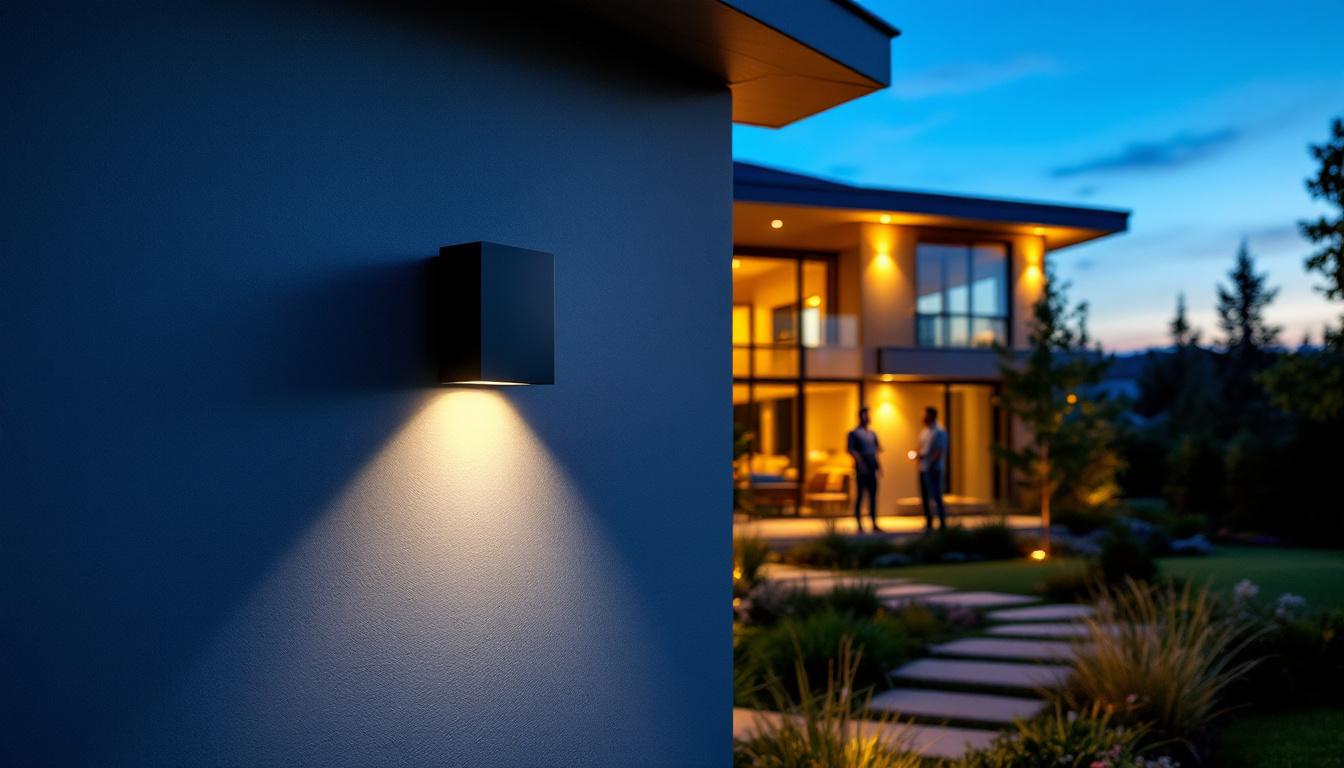
Furthermore, selecting durable materials and finishes resistant to corrosion, dust, and moisture enhances fixture longevity, especially in challenging environments like kitchens, bathrooms, or outdoor spaces.
Educating Clients on Proper Use and Care
Providing clients with clear instructions on how to operate, clean, and maintain their wall-mounted lights adds value to the service. This may include guidance on bulb types and wattages, cleaning methods to avoid damage, and recommendations for periodic inspections.
Well-informed clients are more likely to appreciate the quality of the installation and maintain the fixtures properly, reducing the need for service calls and enhancing overall satisfaction.
Leveraging Technology and Innovations in Wall-Mounted Lighting
Incorporating Smart Lighting Solutions
Advancements in smart lighting technology have transformed how wall-mounted lights are controlled and integrated into building systems. Lighting contractors should stay informed about the latest products featuring wireless controls, dimming capabilities, and programmable settings.
Installing smart fixtures or compatible dimmers can offer clients enhanced convenience, energy savings, and customization options. Understanding the technical requirements and compatibility issues is essential for seamless integration.
Energy Efficiency and Sustainable Practices
Energy-efficient lighting, such as LED technology, is now the industry standard for wall-mounted fixtures. Contractors should prioritize recommending and installing LED lights due to their long lifespan, low heat emission, and reduced energy consumption.
Additionally, incorporating occupancy sensors or daylight harvesting controls can further optimize energy use. These sustainable practices not only benefit the environment but also appeal to clients seeking cost-effective and eco-friendly solutions.
Conclusion: Mastering Wall Mounting for Professional Excellence
Wall mounting lights is a multifaceted task that demands technical knowledge, attention to detail, and a commitment to safety and quality. By thoroughly assessing the installation environment, selecting appropriate hardware, adhering to safety codes, and optimizing fixture placement, lighting contractors can deliver superior results that enhance both the function and beauty of a space.
Continual learning about new technologies and sustainable practices positions contractors as trusted experts in their field, capable of meeting evolving client needs. Ultimately, mastering the art and science of wall-mounted lighting installation is key to professional success and client satisfaction.
Get Your Premium Lighting Supplies at LumenWholesale
Ready to elevate your lighting projects with professional-grade fixtures that combine quality and affordability? Look no further than LumenWholesale for all your wall-mounted lighting needs. Our extensive selection of spec-grade lighting products is available at unbeatable wholesale prices, ensuring you get the best value for your investment. With free shipping on bulk orders, you can stock up on superior lighting solutions without worrying about hidden fees. Make your next installation a shining example of excellence with the reliability and performance of LumenWholesale products. Wholesale Lighting at the Best Value is just a click away.