Understanding the Appeal and Challenges of Hidden LED Strip Lighting
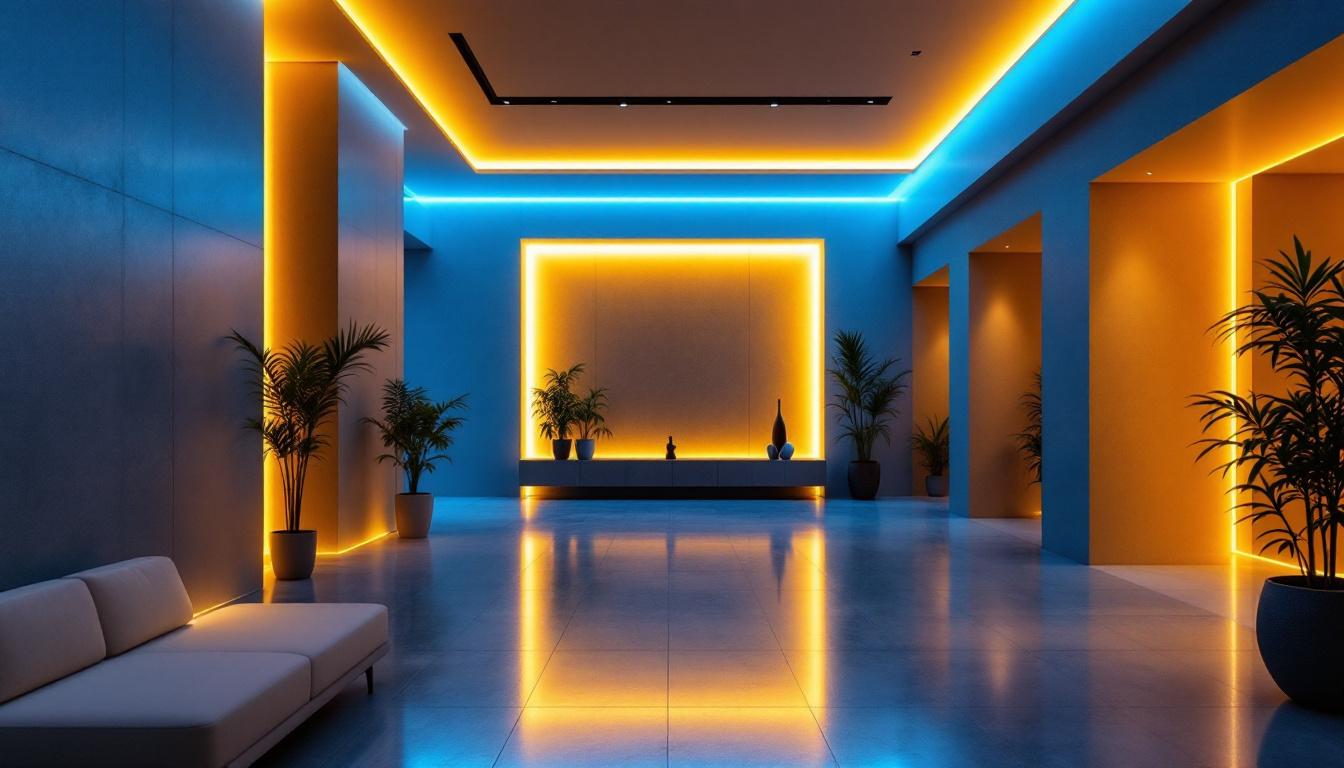
Hidden LED strip lighting has become a staple in modern interior and architectural lighting design. Its ability to create ambient glows, highlight architectural features, and deliver energy-efficient illumination makes it highly sought after. However, the very nature of “hidden” installations introduces unique challenges that can trip up even seasoned lighting contractors.
Unlike traditional fixtures, LED strips are often installed in tight, concealed spaces—under cabinets, behind coves, inside recesses, or beneath stair treads. This invisibility demands meticulous planning and execution. Without it, the lighting effect can be compromised, or worse, the installation can fail prematurely.
Why Hidden LED Strip Lighting is Popular
LED strips offer flexibility in length and color temperature, enabling designers and contractors to tailor lighting schemes precisely to client needs. They consume less power and produce less heat than conventional lighting, making them safer and more sustainable. Plus, their slim profile allows for seamless integration into various surfaces, maintaining clean aesthetics. This versatility extends to various applications, from residential spaces to commercial environments, where the right lighting can enhance mood and functionality. For instance, in a home theater, strategically placed LED strips can create an immersive viewing experience, while in retail settings, they can draw attention to products without overwhelming the space.
Common Pitfalls That Lighting Contractors Face
Despite these advantages, contractors often encounter issues such as uneven illumination, poor adhesion, overheating, and difficult maintenance access. These problems usually stem from underestimating the technical requirements or the environment where the strips are installed. Recognizing these pitfalls early can save time, money, and client dissatisfaction. Additionally, the choice of adhesive and surface preparation plays a crucial role in the longevity of the installation. For example, using the wrong adhesive can lead to peeling or sagging over time, especially in areas with high humidity or temperature fluctuations. Moreover, ensuring adequate ventilation is vital to prevent overheating, which can not only diminish the lifespan of the LED strips but also pose safety risks. Proper planning and attention to detail can mitigate these issues, allowing contractors to deliver stunning and reliable lighting solutions.
Choosing the Right LED Strip for the Job
Not all LED strips are created equal. Selecting the appropriate type is crucial to ensuring longevity and performance, especially when the lighting is hidden from view.
Understanding LED Strip Specifications
LED strips vary by brightness (measured in lumens per foot), color temperature, density of LEDs per meter, and IP rating. For hidden applications, a higher LED density often results in smoother, more uniform light without visible hotspots. However, higher density strips can generate more heat, which must be managed properly.
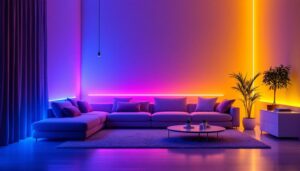
Color temperature choices influence the mood and functionality of the space. Warm white (2700K-3000K) is cozy and inviting, ideal for residential settings, while cooler temperatures (4000K-5000K) suit commercial or task-oriented environments. Some projects benefit from tunable white or RGB strips for dynamic lighting effects. RGB strips, in particular, allow for a broad spectrum of colors, enabling users to customize their lighting based on occasion or personal preference, making them a versatile choice for both ambient and accent lighting.
IP Ratings and Environmental Considerations
When installing hidden LED strips in areas prone to moisture—such as kitchens, bathrooms, or outdoor soffits—choosing strips with an appropriate IP rating is essential. An IP65 or higher rating ensures protection against dust and water splashes, preventing premature failure.
Additionally, consider the substrate material. Some surfaces may not dissipate heat well, which can shorten LED lifespan. Aluminum channels or heat sinks are often necessary to maintain optimal operating temperatures. Furthermore, the placement of the LED strips should also be carefully planned; for instance, positioning them in a way that allows for adequate airflow can significantly enhance their performance and durability. Proper installation techniques, such as using thermal adhesive or mounting brackets, can further ensure that the strips remain securely in place while effectively managing heat dissipation.
Installation Best Practices to Avoid Common Issues
Proper installation is where many hidden LED strip lighting projects succeed or fail. Attention to detail during this phase is non-negotiable.
Surface Preparation and Adhesion
LED strips typically come with adhesive backing, but relying solely on this can be risky. Surfaces must be clean, dry, and free of dust or oils to ensure strong adhesion. For long-term reliability, mechanical fastening or mounting in aluminum profiles is recommended, especially on vertical or overhead surfaces. Additionally, consider the type of surface you are working with; for instance, textured surfaces may require additional preparation or a different adhesive solution to ensure a secure bond. Using a primer designed for LED installations can also enhance adhesion, providing an extra layer of security against peeling or detachment over time.
Managing Heat Dissipation
Heat is the enemy of LED longevity. Hidden installations often trap heat, so using aluminum channels not only helps with mounting but also acts as a heat sink. Avoid installing strips on surfaces that insulate heat, such as wood or plastic, without additional thermal management. Furthermore, the layout of the LED strips can play a significant role in heat management; ensuring that strips are not bunched together too closely can facilitate better airflow. Spacing between the LED strip and the surface can also improve airflow. Some contractors use thermal pads or tapes designed to enhance heat transfer to the channel. In addition, consider implementing a dimming solution that reduces the output of the LEDs when they are not needed at full brightness, which can also help in managing heat production during operation.
Power Supply and Wiring Considerations
Power supplies must be sized correctly to handle the total wattage of the LED strips, with some margin for safety. Undersized power supplies cause dimming and premature failure. It’s also important to consider voltage drop, especially in long runs. Using thicker gauge wire or multiple power injection points can mitigate this. When planning your power supply, also take into account the environment; if the installation is in a damp or humid area, selecting a power supply with appropriate weatherproofing can prevent potential failures. Hidden wiring should be planned to allow easy access for maintenance. Avoid tight bends or sharp corners in the wiring to prevent damage. Additionally, labeling wires and connections can save time and confusion during future maintenance, ensuring that any adjustments or repairs can be made quickly and efficiently.
Design Strategies for Optimal Lighting Effects
Beyond technical installation, the design approach significantly influences the success of hidden LED strip lighting.
Creating Uniform Light Without Hotspots
Hotspots occur when individual LEDs are visible as bright dots rather than a continuous line of light. To avoid this, use high-density LED strips and diffuse the light with frosted covers or acrylic lenses. Positioning the strips at the right distance from the surface being illuminated also helps. Additionally, consider the angle at which the light is cast; a slight tilt can often enhance the diffusion effect, allowing for a more even spread of illumination. Experimenting with different mounting techniques, such as recessed installations, can also contribute to a seamless appearance that enhances the overall aesthetic.
Layering Light for Depth and Ambiance
Hidden LED strips work best when integrated into a layered lighting plan. Combining them with ambient, task, and accent lighting creates a balanced environment. For example, under-cabinet LED strips provide task lighting in kitchens, while cove lighting adds soft ambient glow. This layering not only enriches the visual experience but also allows for versatility in how spaces are used throughout the day. For instance, a well-lit workspace can easily transition to a cozy evening setting with just a few adjustments to the lighting layers. Consider incorporating RGB LED strips to introduce color-changing capabilities, which can further enhance mood and atmosphere depending on the occasion.
Consider color temperature consistency across all layers to avoid visual discomfort. A harmonious blend of warm and cool tones can evoke different feelings; warmer temperatures often create a welcoming and relaxing environment, while cooler tones can enhance focus and alertness. This attention to detail in color temperature can significantly impact the functionality of a space, making it essential to select the right hues for the intended use.
Controlling the Lighting
Incorporating dimmers and smart controls enhances functionality and energy savings. Many LED strips are compatible with standard dimmers or smart home systems. Planning control systems during installation prevents costly retrofits. Furthermore, integrating motion sensors can optimize energy efficiency by ensuring that lights are only active when needed, particularly in areas with sporadic foot traffic. The ability to customize lighting schedules through smart home applications not only adds convenience but also allows for the creation of dynamic environments that adapt to daily routines.
Maintenance and Troubleshooting Tips
Hidden LED strip lighting can be challenging to service due to its concealed nature. Planning for maintenance access is vital.
Designing for Easy Access
Whenever possible, install strips in removable channels or panels. This allows easy replacement or repair without damaging surrounding finishes.
Common Issues and Solutions
Flickering lights often indicate power supply issues or loose connections. Checking and securing wiring connections is the first step. Dim or uneven lighting can result from voltage drop or damaged LEDs, which may require re-wiring or replacing sections of the strip.
Adhesive failure can cause strips to peel off, which is usually due to poor surface preparation or unsuitable adhesives. Mechanical fastening can prevent this problem.
Final Thoughts for Lighting Contractors
Hidden LED strip lighting offers tremendous design flexibility and energy efficiency but demands a thorough understanding of materials, installation techniques, and design principles. Avoiding common pitfalls requires careful product selection, meticulous installation, and thoughtful design integration.
Contractors who master these elements not only deliver superior lighting solutions but also build trust and repeat business with clients who appreciate quality and reliability.
Get Your Premium Lighting Supplies at LumenWholesale
Ready to elevate your hidden LED strip lighting installations with the best materials on the market? Look no further than LumenWholesale, where we provide lighting contractors with spec-grade products that blend quality with unbeatable wholesale value. Say goodbye to local distributor markups and hello to a vast selection of reliable lighting solutions that meet the highest industry standards. Plus, enjoy the convenience of free shipping on bulk orders, ensuring you get the most out of your investment. Don’t compromise on quality or price. Wholesale Lighting at the Best Value is just a click away. Partner with LumenWholesale today and light up your projects with confidence.