Understanding Wallpacks: A Foundation for Success
Wallpacks are a staple in the outdoor lighting industry, widely used for commercial, institutional, and residential applications. These fixtures are mounted on exterior walls and provide essential illumination for safety, security, and aesthetics. For lighting contractors, mastering the nuances of wallpack installation and maintenance is critical to delivering reliable, efficient, and code-compliant lighting solutions.
Before diving into the practical do’s and don’ts, it’s important to understand the types of wallpacks available and their typical applications. Wallpacks come in a variety of styles—from traditional bulkhead designs to sleek, modern LED units. They can be equipped with different light sources such as LED, metal halide, or high-pressure sodium lamps, although LED technology has become the industry standard due to its energy efficiency and longevity.
Recognizing the purpose behind each wallpack installation helps contractors recommend the right fixture. For example, a high-lumen LED wallpack is ideal for parking lot perimeters, while a more decorative, lower-intensity fixture might suit a residential setting. This foundational knowledge ensures contractors approach each project with the right mindset and tools.
In addition to understanding the types of wallpacks, it is also crucial to consider the environmental factors that can influence their performance. For instance, wallpacks installed in coastal areas may require corrosion-resistant materials to withstand salty air, while those in colder climates should be rated for low temperatures to prevent performance issues during winter months. Furthermore, the placement of wallpacks can significantly affect their effectiveness; proper height and angle can minimize glare and maximize light distribution, ensuring that the intended areas are adequately illuminated.
Moreover, advancements in smart lighting technology are beginning to reshape the landscape of outdoor illumination. Many modern wallpacks now come equipped with motion sensors, timers, and even connectivity to smart home systems, allowing for enhanced control over lighting schedules and energy consumption. This not only contributes to energy savings but also enhances security by providing light only when needed. As such, lighting contractors should stay informed about these innovations to offer clients the most up-to-date and efficient solutions available in the market.
Do’s: Best Practices for Wallpack Installation and Maintenance
Do Conduct a Thorough Site Assessment
Every successful wallpack installation begins with a detailed site assessment. This includes evaluating the mounting surface, ambient lighting conditions, and the area’s security needs. Understanding the environment helps determine the appropriate fixture type, wattage, and placement.
For instance, mounting a wallpack on a brick façade requires different anchors and drilling techniques than a metal or wood surface. Additionally, assessing potential obstructions such as trees, awnings, or signage ensures the light distribution will be effective and compliant with local ordinances. It’s also beneficial to consider the time of day when evaluating the site; conducting assessments during both day and night can provide insights into how natural light interacts with the space, allowing for better fixture placement and intensity adjustments.
Do Prioritize Energy Efficiency and Compliance
Energy codes and regulations increasingly mandate the use of energy-efficient lighting solutions. LEDs have become the preferred choice due to their low power consumption and long lifespan. Lighting contractors should always recommend fixtures that meet or exceed local energy codes, such as those outlined by the International Energy Conservation Code (IECC) or ASHRAE standards.
Furthermore, ensuring that wallpacks have appropriate controls—like photocells or motion sensors—can significantly reduce energy waste. These controls not only save money for the end user but also demonstrate a contractor’s commitment to sustainable practices. In addition, educating clients on the long-term savings associated with energy-efficient lighting can help them appreciate the initial investment, fostering a more environmentally conscious mindset while enhancing their property’s value.
Do Follow Manufacturer Guidelines Meticulously
Each wallpack model comes with specific installation instructions that must be followed to maintain warranty coverage and ensure optimal performance. This includes using the recommended mounting hardware, wiring methods, and sealing techniques to protect against moisture intrusion.
Ignoring manufacturer guidelines can lead to premature fixture failure, safety hazards, and costly callbacks. Lighting contractors should keep these manuals accessible on-site and train their teams accordingly. Additionally, documenting any deviations from the guidelines and the rationale behind them can be beneficial for future reference, ensuring that all team members are aligned with the best practices for installation and maintenance.
Do Ensure Proper Wiring and Electrical Safety
Electrical safety is paramount. Contractors must verify that the power supply matches the fixture’s voltage requirements and that all wiring complies with the National Electrical Code (NEC). Proper grounding and the use of weatherproof junction boxes are essential to prevent electrical faults and corrosion.
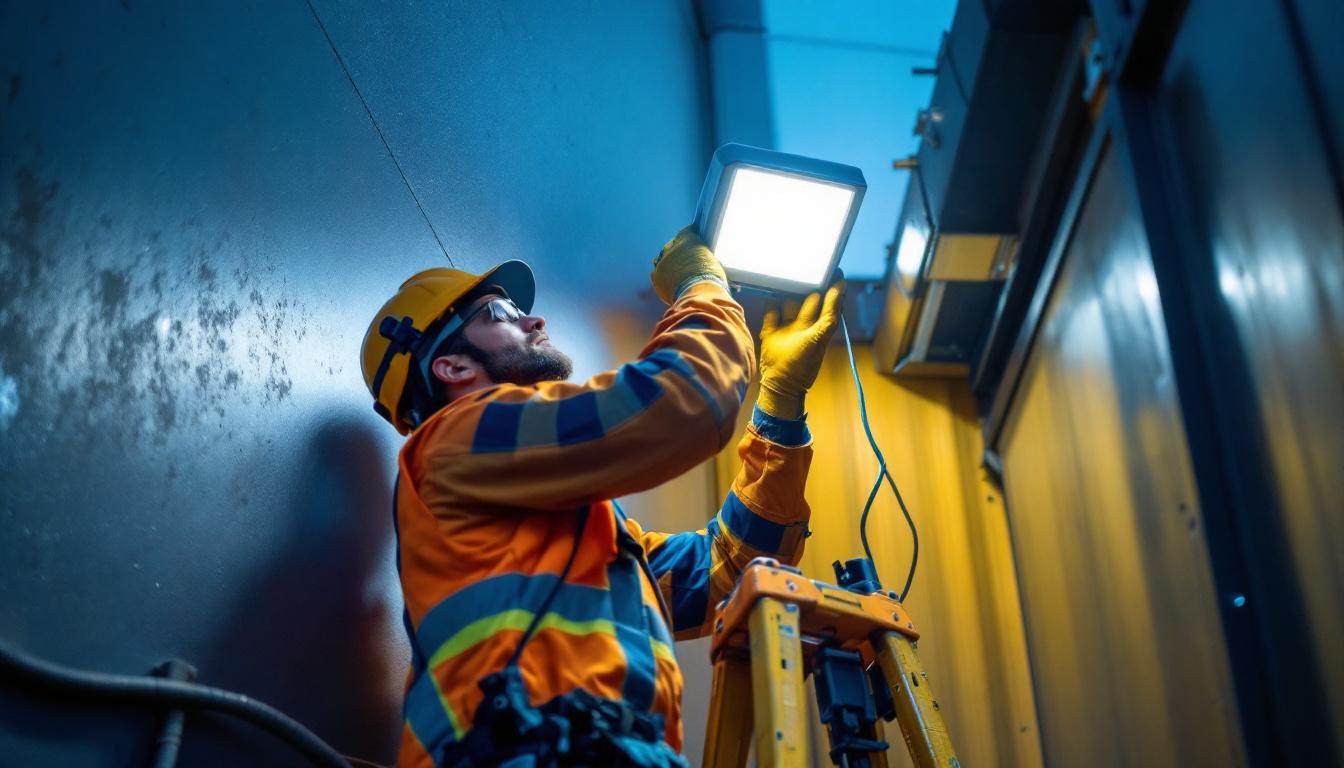
Additionally, testing the circuit before and after installation helps identify potential issues early. Using appropriate personal protective equipment (PPE) and lockout/tagout procedures protects workers during installation. It’s also advisable to conduct regular inspections of the wiring and connections over time, as environmental factors can lead to wear and tear that might compromise safety and performance.
Do Consider Light Pollution and Neighboring Properties
Responsible lighting contractors understand the impact of wallpacks on the surrounding environment and community. Overly bright or poorly aimed fixtures can cause glare, light trespass, and skyglow, which are increasingly regulated by local ordinances and dark-sky initiatives.
Using full cutoff or shielded wallpacks and adjusting the fixture’s angle can minimize unwanted light spill. Communicating with property owners about these considerations helps prevent complaints and potential rework. Moreover, providing educational resources about the benefits of responsible lighting practices can encourage clients to advocate for better lighting solutions in their neighborhoods, fostering a community-wide commitment to reducing light pollution and enhancing nighttime visibility without compromising the natural beauty of the night sky.
Don’ts: Common Pitfalls to Avoid in Wallpack Projects
Don’t Overlook Fixture Placement and Height
Improper placement is one of the most frequent mistakes in wallpack installations. Mounting fixtures too high or too low can reduce their effectiveness and create uneven lighting patterns. For example, a wallpack installed above 15 feet might cause excessive glare, while one mounted too low may not adequately illuminate the target area.
Contractors should follow industry guidelines and manufacturer recommendations for mounting height, typically between 8 and 12 feet for most commercial applications. Conducting a mock-up or using lighting design software can help visualize the final outcome before installation.
Don’t Neglect Routine Maintenance and Inspection
Wallpacks, like all outdoor lighting, require periodic maintenance to maintain performance and safety. Dirt accumulation, insect nests, and weather damage can degrade light output and fixture integrity over time.
Contractors should advise clients on maintenance schedules and offer inspection services. Simple tasks such as cleaning lenses, tightening mounts, and checking electrical connections can extend the life of the installation and prevent unexpected failures.
Don’t Use Incompatible or Low-Quality Components
Using substandard fixtures or components to cut costs often results in poor lighting quality and increased maintenance expenses. Low-quality wallpacks may suffer from inadequate sealing, inferior optics, or unreliable drivers, leading to early failures.
Lighting contractors should source products from reputable manufacturers with proven track records. Investing in quality upfront reduces callbacks and enhances client satisfaction.
Don’t Ignore Local Codes and Permitting Requirements
Failure to comply with local building codes, electrical codes, and permitting processes can cause project delays and legal complications. Some jurisdictions have specific requirements regarding fixture types, light levels, and installation methods.
Contractors must stay informed about relevant regulations in their service areas and ensure all necessary permits are obtained before commencing work. This diligence protects both the contractor and the client.
Don’t Forget to Document and Communicate
Clear documentation of the installation process, including fixture specifications, wiring diagrams, and compliance certificates, is essential. This information supports future maintenance and warranty claims.
Effective communication with clients about what to expect during and after installation fosters trust and reduces misunderstandings. Providing detailed reports and operation manuals empowers property owners to manage their lighting systems properly.
Advanced Tips for Lighting Contractors Working with Wallpacks
Leverage Lighting Controls for Enhanced Performance
Incorporating advanced lighting controls such as dimmers, timers, and occupancy sensors can optimize wallpack performance. These technologies adapt lighting levels based on actual usage patterns, further reducing energy consumption and operational costs.
For example, integrating a motion sensor that dims the light during low-traffic periods but brightens when movement is detected improves security without wasting energy. Contractors should stay current with control technologies and offer these options as value-added services.
Embrace Smart Lighting Solutions
Smart lighting systems, which allow remote monitoring and management, are gaining traction in commercial and municipal projects. Wallpacks equipped with networked controls enable facility managers to adjust lighting schedules, monitor energy usage, and receive alerts for maintenance needs.
Contractors who develop expertise in smart lighting installation and troubleshooting position themselves as leaders in the evolving lighting market.
Focus on Thermal Management and Fixture Longevity
LED wallpacks generate heat that must be effectively dissipated to maintain performance and extend lifespan. Selecting fixtures with proper thermal design and ensuring adequate airflow around the installation site prevents overheating.
During installation, avoid placing wallpacks near heat sources or in enclosed spaces that trap heat. Educating clients on these factors helps protect their investment.
Customize Solutions for Unique Client Needs
Not all projects fit a one-size-fits-all approach. Some clients may require specific color temperatures, dimming capabilities, or vandal-resistant features. Understanding these needs and tailoring solutions accordingly enhances client satisfaction and project success.
Offering a range of options and demonstrating their benefits through samples or mock-ups can help clients make informed decisions.
Conclusion: Elevating Wallpack Installations with Expertise and Care
Wallpacks are more than just functional fixtures; they are critical components of outdoor lighting strategies that impact safety, energy efficiency, and aesthetic appeal. For lighting contractors, adhering to best practices and avoiding common pitfalls ensures installations that stand the test of time and meet client expectations.
By conducting thorough site assessments, prioritizing energy-efficient products, following manufacturer guidelines, and maintaining clear communication, contractors can deliver superior wallpack solutions. Embracing advanced technologies and customizing installations further distinguishes professionals in a competitive market.
Ultimately, success in wallpack projects hinges on a combination of technical knowledge, attention to detail, and a commitment to quality—qualities that every lighting contractor should strive to embody.
Get Your Premium Wallpacks at LumenWholesale
Ready to elevate your lighting projects with the highest quality wallpacks on the market? Look no further than LumenWholesale. Our spec-grade lighting products are designed to meet the rigorous demands of any installation, ensuring you deliver on safety, efficiency, and aesthetic appeal every time. By choosing us, you’re not just getting superior lighting solutions; you’re also enjoying the best value with our unbeatable wholesale prices and free shipping on bulk orders. Don’t compromise on quality or cost—visit LumenWholesale today and experience the ideal combination of excellence and affordability for all your lighting contractor needs.