Introduction to Exterior Up Lighting
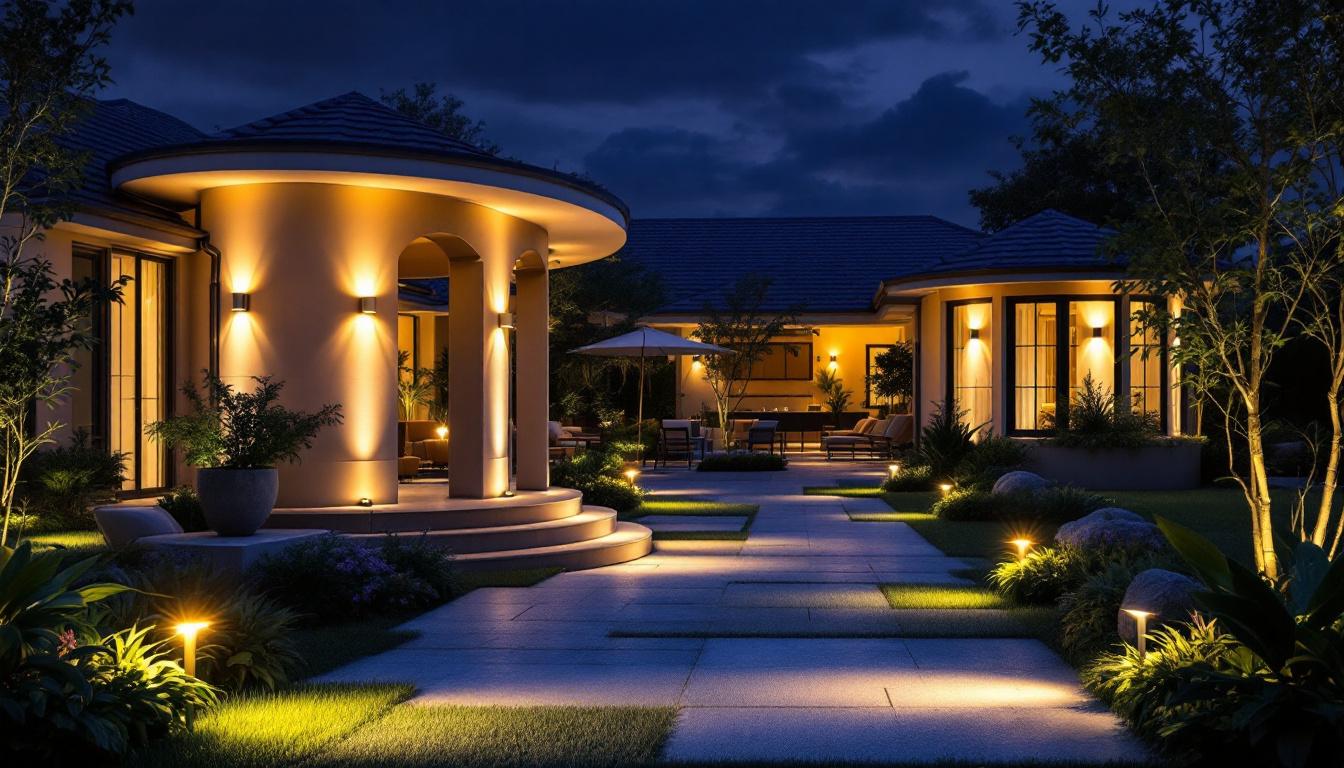
Exterior up lighting has emerged as a transformative element in architectural and landscape lighting design. Unlike traditional floodlights or downlights, up lights are installed at ground level or near the base of structures, casting beams upward to highlight architectural features, trees, and outdoor spaces. This technique not only enhances aesthetic appeal but also improves safety and security around properties. By illuminating pathways, driveways, and entryways, up lighting creates a welcoming atmosphere while deterring potential intruders, making it a practical choice for residential and commercial properties alike.
For lighting contractors, understanding the nuances of exterior up lighting is essential. It represents a growing market segment driven by evolving design trends, technological advancements, and increasing demand for energy-efficient, customizable lighting solutions. This article explores the future of exterior up lighting design and installation, offering insights into current trends, technological innovations, and best practices to help contractors stay ahead in a competitive industry. Moreover, as sustainability becomes a focal point in design, many contractors are now integrating smart lighting systems that allow for remote control and automation, enabling users to adjust brightness and color temperature according to their preferences or the time of day. This not only enhances the user experience but also significantly reduces energy consumption, aligning with the global push for greener solutions.
In addition to the practical benefits, the artistic potential of up lighting cannot be overlooked. By strategically placing fixtures to accentuate textures and colors of materials such as stone, wood, and metal, designers can create dramatic effects that transform ordinary spaces into extraordinary environments. The interplay of light and shadow adds depth and dimension, allowing for a dynamic visual experience that changes throughout the night. Furthermore, with the rise of LED technology, contractors now have access to a wider range of colors and intensities, enabling them to craft unique lighting schemes that reflect the personality of the property and its surroundings. As the demand for such tailored solutions grows, so too does the opportunity for contractors to showcase their creativity and technical expertise in this evolving field.
The Evolution of Exterior Up Lighting Design
From Functional to Artistic Illumination
Historically, exterior lighting primarily served functional purposes—illuminating pathways, entrances, or security zones. However, exterior up lighting has shifted the paradigm by blending functionality with artistry. Lighting designers now use up lights to create dramatic shadows, highlight textures, and add depth to outdoor environments.
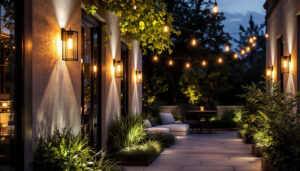
For example, illuminating the rough bark of a large oak tree or the intricate stonework of a building façade can transform a mundane exterior into a captivating nighttime spectacle. This approach enhances curb appeal and can significantly increase property value, a compelling selling point for residential and commercial clients alike.
Integration with Landscape Architecture
Modern landscape design increasingly incorporates lighting as a fundamental element rather than an afterthought. Exterior up lights are strategically placed to complement plantings, water features, and hardscape elements. This integration requires lighting contractors to collaborate closely with landscape architects and designers to achieve cohesive, immersive outdoor environments.
Moreover, exterior up lighting can extend the usability of outdoor spaces by creating inviting atmospheres for evening gatherings, dining, or relaxation. This trend underscores the importance of lighting contractors mastering both technical installation skills and design sensibilities.
Technological Advancements Shaping the Future
LED Technology and Energy Efficiency
One of the most significant technological drivers in exterior up lighting is the widespread adoption of LED (Light Emitting Diode) technology. LEDs offer numerous advantages over traditional incandescent or halogen bulbs, including lower energy consumption, longer lifespan, and reduced maintenance costs.
For lighting contractors, specifying LED fixtures means clients benefit from cost savings and environmental sustainability. Additionally, LEDs provide superior color rendering and a broad spectrum of color temperatures, enabling precise control over the mood and ambiance created by exterior up lighting.
Smart Lighting Systems and Automation
The integration of smart technology into exterior up lighting is revolutionizing how lighting is controlled and experienced. Wireless controls, smartphone apps, and voice-activated systems allow users to adjust brightness, color, and timing remotely. This level of customization enhances convenience and enables dynamic lighting scenes tailored to different occasions or seasons.
For contractors, familiarity with smart lighting protocols such as Zigbee, Z-Wave, and Wi-Fi is becoming increasingly important. Offering clients intelligent lighting solutions can differentiate a contractor’s services and open new revenue streams through system upgrades and maintenance contracts.
Durability and Weather Resistance Innovations
Exterior up lights must withstand harsh environmental conditions including rain, snow, heat, and UV exposure. Advances in materials science have led to the development of fixtures with enhanced corrosion resistance, waterproof seals, and impact-resistant housings.
These improvements reduce failure rates and maintenance needs, ensuring reliable performance over time. Lighting contractors should prioritize high-quality, weather-rated products to uphold professional standards and client satisfaction.
Design Considerations for Effective Exterior Up Lighting
Placement and Beam Angle
Proper placement of up lights is critical to achieving the desired visual effect. Fixtures should be positioned to accentuate key architectural or landscape features without causing glare or light pollution. The choice of beam angle—narrow for focused highlighting or wide for broader washes—also influences the overall impact.
Contractors must conduct thorough site assessments and collaborate with designers to determine optimal fixture locations. Using adjustable fixtures can provide flexibility during installation and future modifications.
Color Temperature and Light Quality
Color temperature plays a pivotal role in setting the mood of an illuminated space. Warm white tones (2700K–3000K) create inviting, cozy atmospheres, ideal for residential settings. Cooler whites (4000K–5000K) offer a crisp, modern look often preferred in commercial or contemporary landscapes.
High color rendering index (CRI) values are also important to ensure that colors appear natural and vibrant under artificial light. Lighting contractors should guide clients in selecting fixtures with appropriate color characteristics to complement the environment.
Energy Codes and Environmental Impact
Compliance with local energy codes and environmental regulations is a crucial aspect of exterior lighting design. Many jurisdictions now mandate the use of energy-efficient fixtures and limit light trespass and skyglow to protect nocturnal ecosystems.
Contractors must stay informed about these regulations and incorporate shielding, timers, and dimmers to minimize environmental impact while meeting client expectations. Sustainable lighting practices not only enhance reputation but also contribute to long-term operational savings.
Installation Best Practices for Lighting Contractors
Site Preparation and Safety
Successful exterior up light installation begins with meticulous site preparation. This includes verifying underground utilities, ensuring proper drainage, and planning cable routes to avoid trip hazards or damage.
Safety protocols must be rigorously followed, especially when working with electrical components outdoors. Contractors should use weatherproof connectors, ground fault circuit interrupters (GFCIs), and adhere to National Electrical Code (NEC) standards to protect both installers and end users.
Wiring and Power Management
Efficient wiring practices are essential for system reliability and ease of maintenance. Low-voltage systems are popular for exterior lighting due to their safety and energy efficiency; however, they require careful voltage drop calculations and appropriate transformer sizing.
Contractors should also consider future scalability by installing conduit or extra capacity to accommodate additional fixtures or upgrades. Proper labeling and documentation of wiring layouts facilitate troubleshooting and serviceability.
Testing and Commissioning
After installation, comprehensive testing ensures that all fixtures operate correctly and lighting effects meet design intent. This includes verifying beam angles, color consistency, and control system responsiveness.
Contractors should provide clients with detailed operational instructions and maintenance guidelines. Offering post-installation support and warranty services can build trust and encourage repeat business.
Emerging Trends and Opportunities
Human-Centric and Adaptive Lighting
Future exterior up lighting systems are increasingly focused on human-centric design, which considers the biological and psychological effects of light. Adjustable color temperatures and intensity levels can support circadian rhythms, improve mood, and enhance outdoor comfort.
Adaptive lighting that responds to environmental conditions such as ambient light, weather, or occupancy is gaining traction. These intelligent systems optimize energy use and user experience, presenting new challenges and opportunities for lighting contractors to innovate.
Integration with Renewable Energy Sources
As sustainability becomes a priority, integrating exterior up lighting with renewable energy sources like solar power is an expanding niche. Solar-powered up lights reduce dependence on grid electricity and simplify installation in remote or off-grid locations.
Contractors can capitalize on this trend by offering turnkey solar lighting solutions, including battery management and system monitoring, appealing to eco-conscious clients and public sector projects.
Customization and Artistic Collaborations
Customization is a growing demand in exterior lighting, with clients seeking unique designs that reflect their brand or personal style. Collaborations between lighting contractors, artists, and architects are producing innovative installations that blend technology with creative expression.
Offering bespoke lighting design services and staying abreast of artistic trends can position contractors as leaders in a competitive marketplace, opening doors to high-profile projects and partnerships.
Conclusion: Preparing for the Future of Exterior Up Lighting
Exterior up lighting is poised to become a cornerstone of modern lighting design and installation. For lighting contractors, embracing the latest technologies, design principles, and sustainable practices is essential to meet evolving client expectations and regulatory requirements.
By honing expertise in LED systems, smart controls, and site-specific design, contractors can deliver compelling, energy-efficient lighting solutions that enhance outdoor environments. Staying informed about emerging trends and investing in continuous education will ensure that lighting professionals remain competitive and relevant in this dynamic field.
Ultimately, exterior up lighting offers unparalleled opportunities to transform spaces, improve safety, and contribute to environmental stewardship—making it a vital focus for the future of lighting design and installation.
Illuminate Your Projects with LumenWholesale
Ready to elevate your lighting installations with the cutting-edge solutions discussed in this article? At LumenWholesale, we specialize in providing lighting contractors with the highest quality, spec-grade exterior up lights and more, all at unbeatable wholesale prices. Say goodbye to inflated markups and hello to a vast selection of reliable, high-performance lighting that meets the most rigorous industry standards. Plus, with free shipping on bulk orders, you can ensure your projects shine without any hidden fees. Don’t compromise on quality or value—Wholesale Lighting at the Best Value is just a click away. Partner with LumenWholesale today and experience the perfect blend of quality, affordability, and convenience.