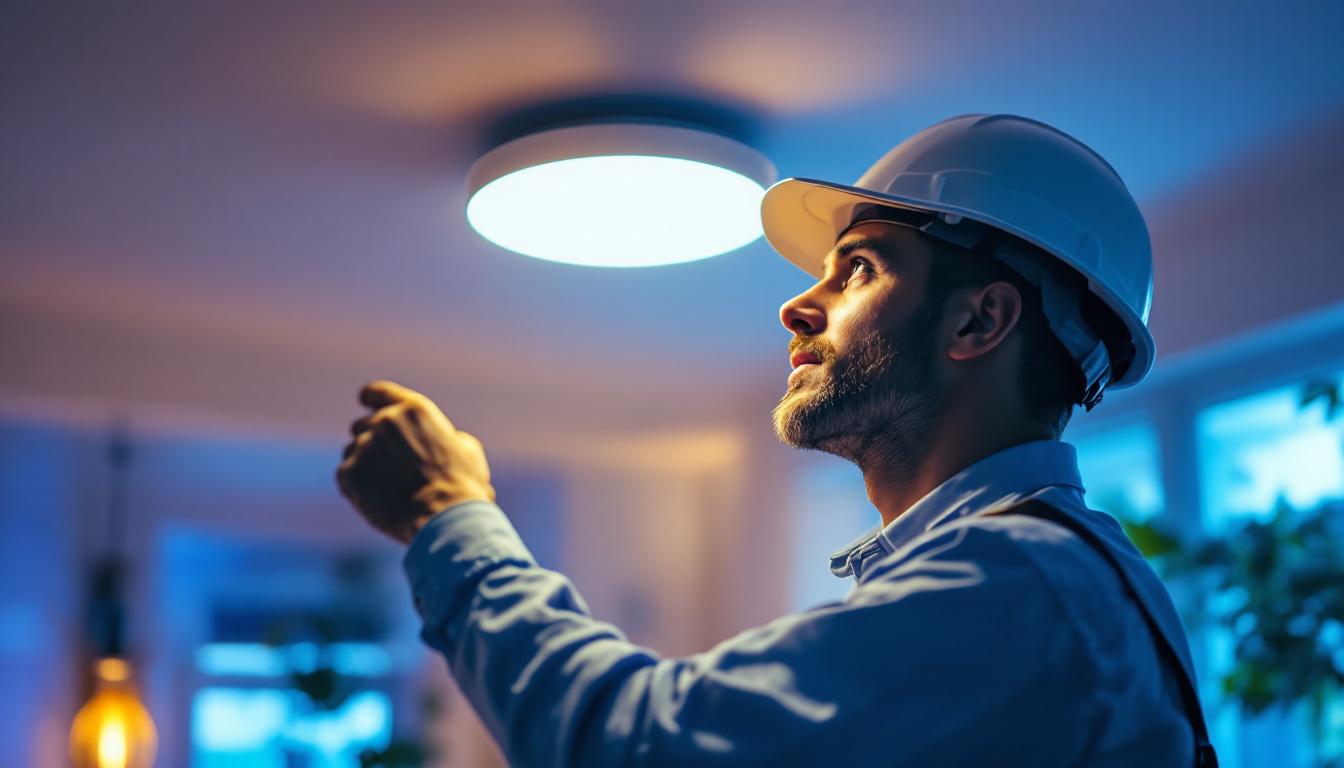
Understanding the Importance of Choosing the Right Light Bulbs for Outdoor Security
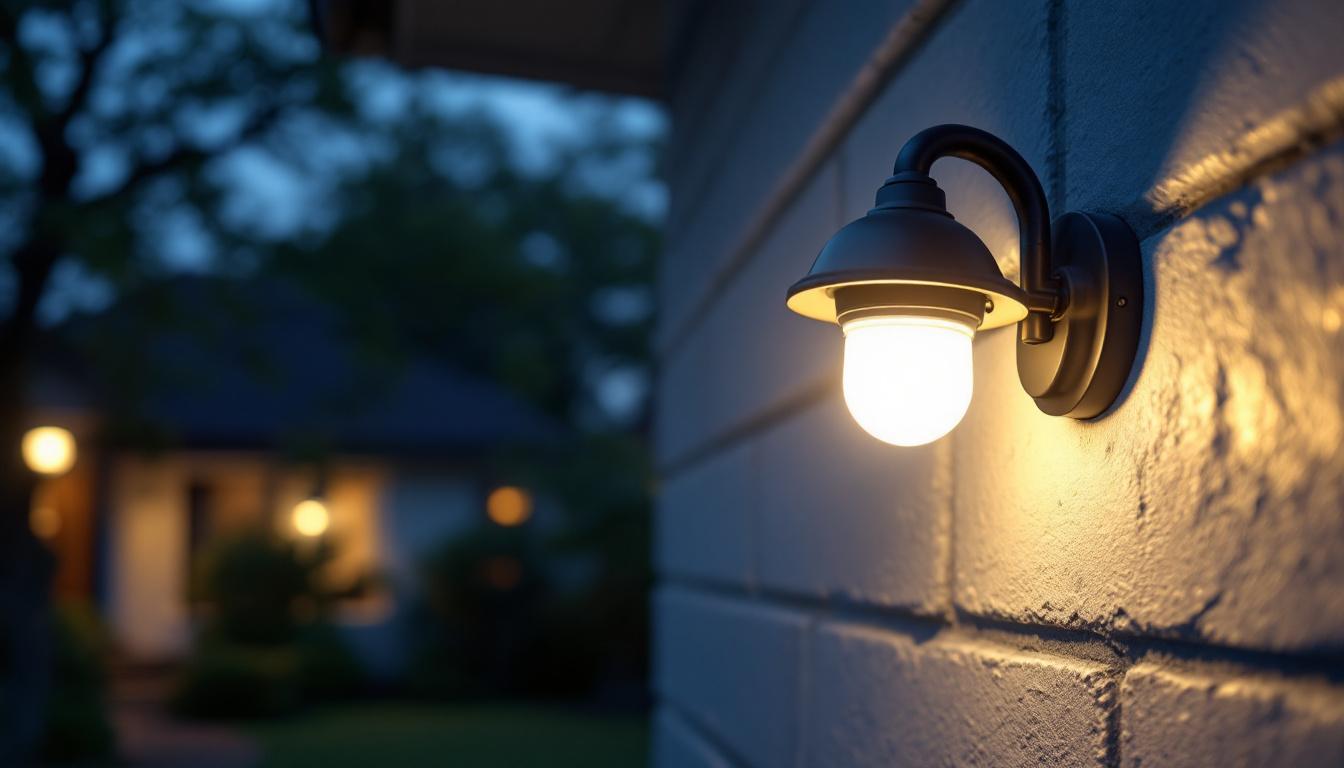
Outdoor security lighting plays a critical role in safeguarding properties, deterring criminal activity, and enhancing the overall safety of residential and commercial spaces. For lighting contractors, selecting the appropriate light bulbs for these fixtures is not just about illumination; it’s about optimizing performance, durability, and energy efficiency. However, many contractors fall into common pitfalls that compromise the effectiveness of security lighting installations.
Choosing the right bulb impacts everything from brightness and coverage to longevity and maintenance costs. Moreover, the outdoor environment presents unique challenges such as exposure to moisture, temperature fluctuations, and physical impacts, which must be considered when specifying bulbs. Understanding these factors is essential to avoid costly callbacks and to ensure client satisfaction.
In addition to the physical characteristics of light bulbs, contractors should also consider the color temperature of the bulbs. Warm white light (around 2700K to 3000K) can create a welcoming atmosphere, making it suitable for residential areas, while cooler white light (5000K and above) tends to enhance visibility and alertness, making it ideal for commercial properties. The right color temperature not only affects the aesthetic appeal of the property but also influences how well potential intruders can be seen, thereby enhancing security measures. Furthermore, the use of LED technology has revolutionized outdoor lighting, offering longer lifespans and lower energy consumption compared to traditional incandescent or halogen bulbs, which can significantly reduce operational costs over time.
Another critical aspect to consider is the placement and angle of the light fixtures themselves. Properly positioned lights can eliminate dark spots and provide comprehensive coverage, ensuring that all areas of a property are well-lit. Additionally, integrating motion sensors or timers can further enhance the effectiveness of security lighting by ensuring that lights are activated only when needed, thus conserving energy and extending bulb life. This level of strategic planning not only improves security but also adds value to the property, making it more attractive to potential buyers or tenants. By taking the time to assess these various elements, contractors can deliver a more effective and reliable outdoor security lighting solution that meets the specific needs of their clients.
Common Mistakes Lighting Contractors Make When Selecting Bulbs for Outdoor Security Lights
1. Overlooking the Importance of Color Temperature
One of the most frequently overlooked aspects is the color temperature of the bulb. Outdoor security lighting demands a color temperature that balances visibility and comfort. Many contractors default to bulbs with a harsh, overly blue light (high Kelvin rating), which can create glare and reduce visibility in fog or rain.
Warm white to neutral white bulbs, typically in the 3000K to 4000K range, are often more effective for outdoor security lighting. They provide clear illumination without causing excessive glare or discomfort to neighbors and passersby. Selecting bulbs with inappropriate color temperatures can also impact the effectiveness of surveillance cameras, which rely on natural-looking light for accurate image capture.
2. Ignoring the Impact of Lumens Versus Watts
Many contractors still rely on wattage as a measure of brightness, a practice that has become outdated with the advent of LED technology. Watts measure energy consumption, not light output. Lumens, on the other hand, quantify the actual brightness emitted by a bulb.
Failing to specify bulbs based on lumens can result in security lights that are either too dim to be effective or unnecessarily bright, wasting energy and causing light pollution. For outdoor security, a minimum of 700 to 1,300 lumens per fixture is generally recommended, depending on the area to be illuminated and the fixture’s design.
3. Using Incompatible Bulbs with Fixtures
Compatibility issues between bulbs and fixtures are a common source of premature bulb failure and reduced performance. For example, installing bulbs that are not rated for enclosed or damp locations in outdoor fixtures can lead to overheating and early burnout.
Contractors must verify that bulbs are rated for outdoor use and compatible with the fixture’s specifications, including voltage, base type, and physical dimensions. LED retrofit bulbs, while popular for their energy efficiency, often have specific requirements regarding heat dissipation and fixture compatibility that must be observed to avoid safety hazards and warranty voidance.
4. Neglecting Energy Efficiency and Long-Term Cost Implications
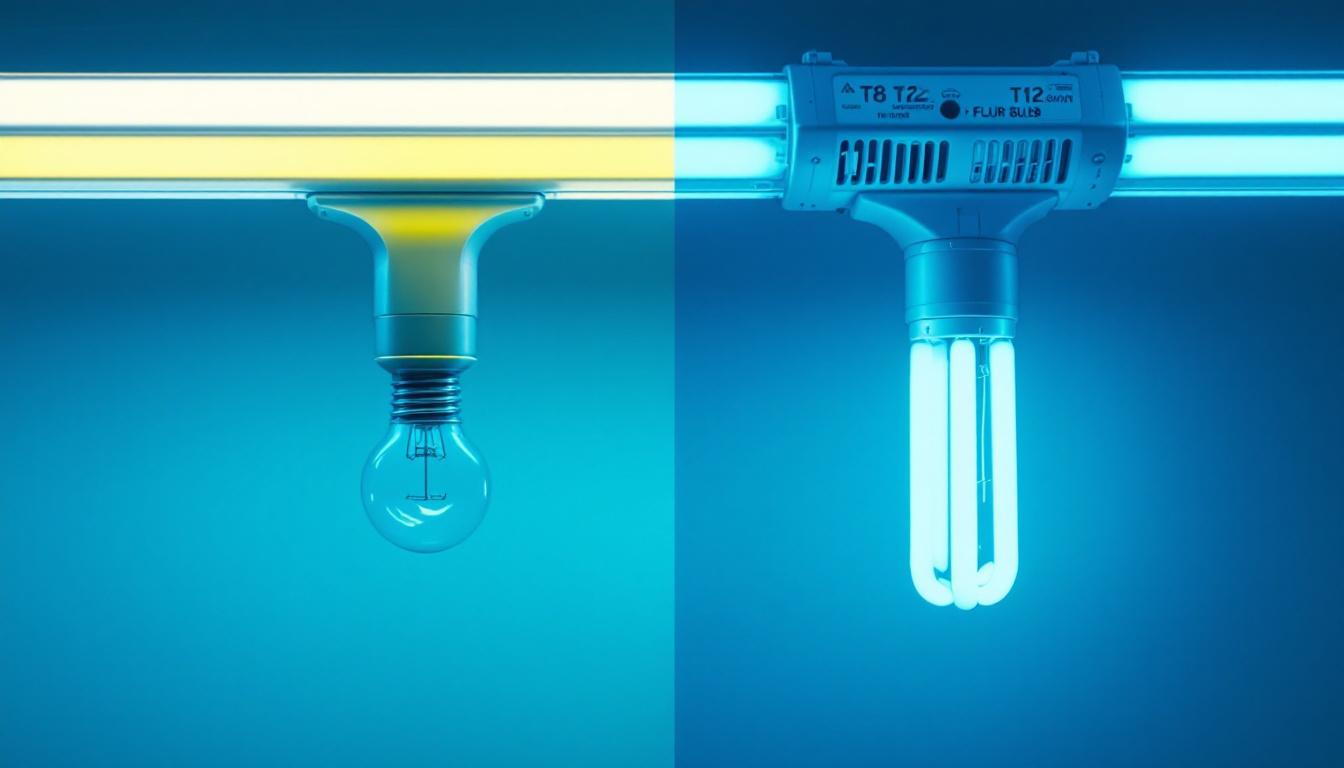
While initial cost is an important consideration, focusing solely on upfront expenses can lead to higher operational costs over time. Many contractors still install traditional halogen or incandescent bulbs that consume more energy and have shorter lifespans compared to modern LED options.
LED bulbs, despite a higher initial price, offer significant savings through reduced energy consumption and fewer replacements. Additionally, LEDs provide consistent light output over their lifespan, which can extend to tens of thousands of hours. Ignoring these factors can result in dissatisfied clients facing frequent maintenance and inflated utility bills.
Technical Considerations for Optimal Outdoor Security Lighting
Weather Resistance and Durability
Outdoor security lights are exposed to rain, snow, dust, and extreme temperatures. Bulbs must be designed to withstand these conditions without degradation. Contractors often make the mistake of selecting bulbs without adequate IP (Ingress Protection) ratings or weatherproof features.
Choosing bulbs with an IP65 rating or higher ensures protection against dust and water jets, making them suitable for most outdoor security applications. Additionally, bulbs constructed with robust materials and sealed designs resist corrosion and physical damage, reducing maintenance frequency.
Beam Angle and Light Distribution
The beam angle of a bulb determines how light is dispersed across an area. A narrow beam angle concentrates light into a smaller area, creating intense illumination, while a wide beam angle spreads light over a broader surface but with less intensity.
Lighting contractors must match the beam angle to the security requirements of the site. For perimeter lighting, wider beam angles help cover larger areas, whereas focused beams are better suited for entry points or vulnerable spots. Misjudging beam angles can lead to dark spots or excessive glare, both of which undermine security objectives.
Compatibility with Smart and Sensor Technologies
Modern outdoor security lighting increasingly integrates motion sensors, photocells, and smart controls. Bulbs that are incompatible with these technologies can cause erratic behavior, reduced sensor sensitivity, or premature failure.
Contractors should specify bulbs designed to work seamlessly with sensors and smart systems, ensuring reliable activation and dimming capabilities. For instance, some LED bulbs flicker when paired with incompatible motion sensors, which can be distracting and reduce security effectiveness.
Best Practices for Lighting Contractors to Avoid Common Mistakes
Conduct a Thorough Site Assessment
Before selecting bulbs, contractors should perform detailed site evaluations, considering factors such as ambient lighting, security risks, fixture placement, and environmental conditions. This assessment guides the choice of bulb type, brightness, color temperature, and beam angle tailored to the specific application.
Specify Bulbs Based on Performance Data and Industry Standards
Relying on manufacturer specifications, third-party testing, and industry standards helps ensure the selected bulbs meet performance and safety criteria. Contractors should prioritize products with certifications such as ENERGY STAR, DLC (DesignLights Consortium), and UL listings for outdoor use.
Educate Clients on the Benefits of Quality Bulbs
Clients may be tempted to opt for cheaper bulbs to reduce initial costs. Lighting contractors can add value by explaining the long-term benefits of energy-efficient, durable bulbs, including reduced maintenance, lower energy bills, and enhanced security performance. Providing clear comparisons and case studies can facilitate informed decisions.
Maintain Proper Installation and Regular Maintenance
Even the best bulbs can underperform if installed incorrectly. Contractors must follow manufacturer guidelines for installation, including proper fixture sealing and wiring. Additionally, recommending regular maintenance checks helps identify issues early, such as bulb degradation or fixture damage, preserving optimal security lighting.
Case Studies Highlighting the Impact of Proper Bulb Selection
Residential Neighborhood Upgrade
A lighting contractor was tasked with upgrading security lighting in a residential neighborhood plagued by frequent nighttime disturbances. Initially, the existing halogen bulbs caused glare and frequent outages.
By switching to 4000K LED bulbs with a wide beam angle and IP66 rating, the contractor improved visibility and reliability. The new bulbs reduced energy consumption by over 60%, and residents reported feeling safer due to the consistent, comfortable lighting. The upgrade also minimized maintenance visits, saving time and costs.
Commercial Parking Lot Security Enhancement
In a commercial parking lot, a contractor faced challenges with vandalism and theft. The original lighting system used incandescent bulbs with low lumens and poor weather resistance.
After assessing the site, the contractor installed high-lumen LED bulbs with motion sensors and a color temperature of 3500K. This combination provided bright, even coverage while activating only when movement was detected, optimizing energy use. The improved lighting deterred criminal activity and enhanced customer confidence.
Conclusion: Elevating Outdoor Security Lighting Through Informed Bulb Selection
For lighting contractors, the choice of light bulbs for outdoor security lighting is a critical decision that affects safety, client satisfaction, and operational efficiency. Avoiding common mistakes such as ignoring color temperature, misinterpreting brightness metrics, using incompatible bulbs, and neglecting energy efficiency can significantly improve project outcomes.
By embracing technical considerations like weather resistance, beam angle, and sensor compatibility, contractors can deliver lighting solutions that are both effective and sustainable. Coupled with thorough site assessments and client education, these best practices position contractors as trusted experts in the security lighting field.
Ultimately, the goal is to provide outdoor security lighting that not only illuminates but also protects — lighting the way to safer environments for all.
Upgrade Your Outdoor Security Lighting with LumenWholesale
Ready to enhance your outdoor security lighting projects with the best in spec-grade lighting? At LumenWholesale, we provide lighting contractors with top-quality products that promise reliability and high performance. Say goodbye to inflated markups and hello to unbeatable wholesale prices. Our extensive selection is designed to meet the highest industry standards, ensuring your installations stand the test of time. Plus, with free shipping on bulk orders, you can stock up on premium lighting solutions at the best value — all without hidden fees. Elevate your lighting game and make LumenWholesale your go-to source for all your lighting needs. Wholesale Lighting at the Best Value is just a click away.