Introduction to Under Roof Lighting
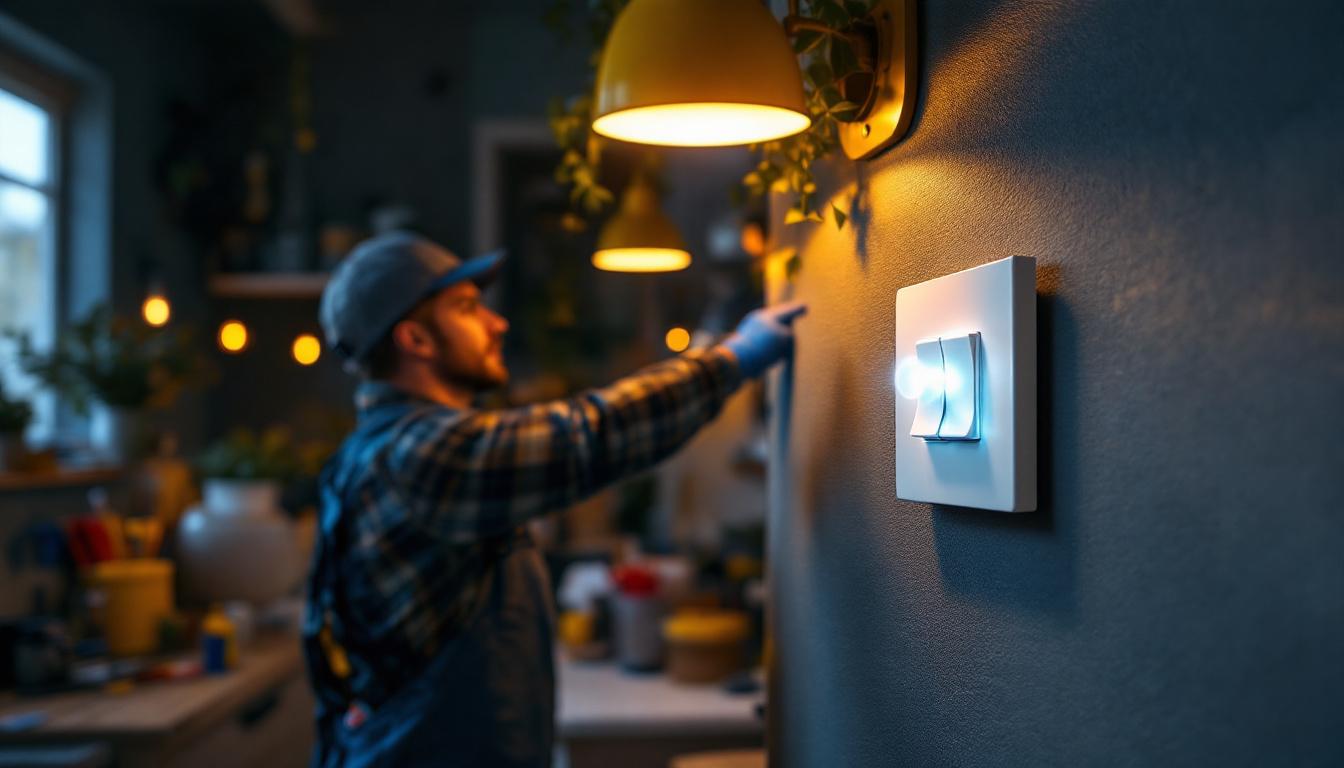
Under roof lighting plays a critical role in both residential and commercial construction projects. For lighting contractors, understanding the nuances of installing, selecting, and maintaining lighting systems beneath roofs is essential to delivering quality outcomes that enhance aesthetics, functionality, and safety. This checklist aims to guide lighting professionals through the key considerations and best practices when working with under roof lighting installations.
Whether the project involves illuminating a porch, a covered walkway, or a commercial canopy, the challenges and opportunities are unique. Proper planning and execution can prevent common pitfalls such as moisture damage, insufficient illumination, and energy inefficiency. This article breaks down the process into manageable sections, ensuring contractors are well-prepared for every stage of the job.
One of the primary considerations in under roof lighting is the selection of appropriate fixtures that can withstand the environmental conditions typical of covered areas. For instance, fixtures must be rated for damp or wet locations, particularly in areas prone to humidity or precipitation. Additionally, choosing the right type of bulb—whether LED, fluorescent, or incandescent—can significantly impact energy consumption and longevity. LED options, in particular, have gained popularity due to their energy efficiency and long lifespan, making them an ideal choice for both residential and commercial applications.
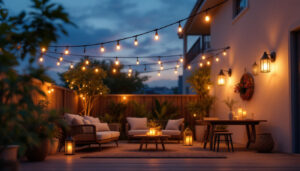
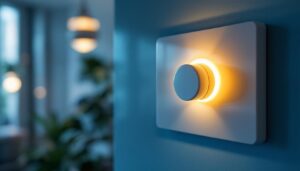
Moreover, the design of the lighting layout is crucial for achieving optimal illumination. Lighting contractors should consider factors such as the height of the roof, the intended use of the space, and the desired ambiance. For example, a cozy, inviting atmosphere for a residential porch may require softer, warmer lighting, while a commercial canopy may benefit from brighter, more focused lighting to enhance visibility and safety. Incorporating dimmers or smart lighting controls can also provide flexibility, allowing users to adjust the brightness according to their needs and preferences. This attention to detail not only improves the functionality of the space but also contributes to a more aesthetically pleasing environment.
Planning and Design Considerations
Assessing the Space and Lighting Needs
Before selecting fixtures or beginning installation, a thorough assessment of the under roof space is necessary. Contractors should evaluate the size, shape, and intended use of the area. For example, a residential porch may require softer, ambient lighting, while a commercial loading dock demands bright, uniform illumination for safety. Understanding the specific activities that will take place in the space can also influence the lighting design. For instance, areas designated for social gatherings might benefit from adjustable lighting options that can transition from bright and functional during the day to warm and inviting in the evening.
Lighting levels should comply with industry standards such as those set by the Illuminating Engineering Society (IES). These guidelines provide recommended foot-candle levels depending on the space’s function. For instance, a covered walkway might require 5 to 10 foot-candles, whereas a workspace under a roof could need 30 or more. Furthermore, it’s essential to consider the color temperature of the lighting, as this can significantly affect the mood and functionality of the space. Warmer tones (2700K-3000K) may create a cozy atmosphere for leisure areas, while cooler tones (4000K-5000K) are often better suited for task-oriented environments, enhancing visibility and focus.
Choosing the Right Lighting Fixtures
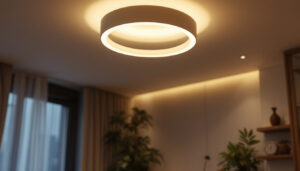
Fixture selection is pivotal. Contractors must consider the fixture’s IP rating, which indicates its resistance to dust and water. Under roof environments can be exposed to moisture, especially in open or semi-enclosed spaces, so choosing fixtures rated at least IP44 or higher is advisable. In addition to the IP rating, the mounting options and fixture height should be carefully evaluated to ensure optimal light distribution. For instance, pendant lights may be ideal for lower ceilings, while recessed lighting can provide a sleek, unobtrusive look in spaces with higher ceilings.
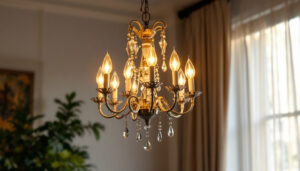
Additionally, the style and finish of fixtures should complement the architectural design of the building. LED technology is the preferred choice due to its energy efficiency, longevity, and versatility. Dimmable LEDs offer flexibility in creating mood and ambiance, which is particularly valuable in residential settings. Moreover, incorporating smart lighting systems can enhance user experience by allowing homeowners to control their lighting remotely or set schedules, further integrating technology into everyday life.
Energy Efficiency and Sustainability
Energy-efficient lighting not only reduces operational costs but also aligns with increasing regulatory demands and sustainability goals. Contractors should prioritize LED fixtures with high lumens-per-watt ratios and consider integrating lighting controls such as occupancy sensors and daylight harvesting systems. These technologies optimize energy use by adjusting lighting based on occupancy and available natural light. Additionally, using fixtures that are designed for easy maintenance and long life can further contribute to sustainability efforts, reducing the frequency of replacements and the associated waste.
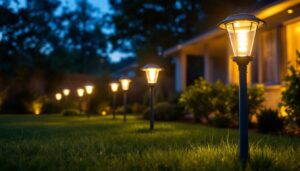
Furthermore, exploring options for solar-powered lighting can be an excellent way to enhance energy efficiency, particularly in outdoor under roof spaces. These fixtures harness solar energy during the day and provide illumination at night without drawing from the electrical grid. This not only lowers energy costs but also minimizes the carbon footprint of the lighting system. As more homeowners and businesses seek to reduce their environmental impact, integrating sustainable lighting solutions becomes not just a trend but a necessity in modern design practices.
Installation Best Practices
Ensuring Electrical Safety
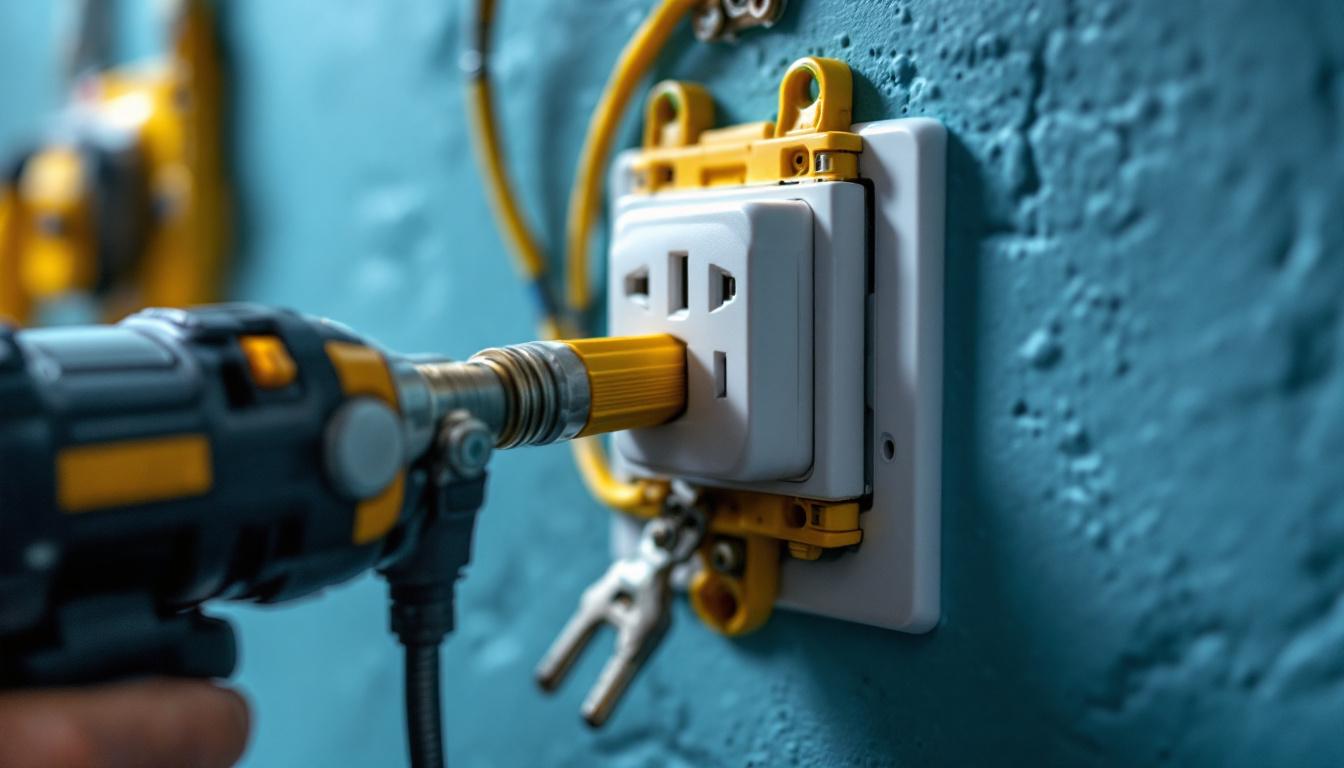
Safety is paramount during installation. Under roof lighting often involves working near moisture-prone areas, so all electrical components must be properly rated and installed according to the National Electrical Code (NEC) or local regulations. Ground fault circuit interrupters (GFCIs) are essential in preventing electrical shock hazards in damp environments. It’s also advisable to use weather-resistant fixtures that can withstand the rigors of outdoor conditions, which not only enhances safety but also prolongs the life of the installation.
Contractors should verify that wiring methods protect against exposure to weather and physical damage. Using conduit or armored cable where appropriate enhances durability and safety. Furthermore, employing a qualified electrician to perform or oversee the installation can ensure that all safety protocols are followed meticulously. Regular inspections and maintenance checks can also help identify potential issues before they become hazardous, ensuring a safe environment for both the installers and the end users.
Proper Mounting and Positioning
Mounting fixtures securely to the roof structure prevents damage from wind or vibration. The mounting height and angle should be carefully planned to avoid glare and shadows, ensuring even light distribution. For example, recessed fixtures can provide a sleek look while minimizing exposure to the elements, whereas surface-mounted fixtures may be easier to maintain. It’s also important to consider the aesthetic impact of the lighting; fixtures should complement the architectural style of the building while providing functional illumination.
In some cases, adjustable fixtures allow fine-tuning of the light direction post-installation, which can be beneficial for spaces with changing layouts or uses. Additionally, incorporating dimmable features can enhance flexibility, allowing users to modify the ambiance according to different activities or times of day. This adaptability not only improves user experience but can also contribute to energy savings by allowing for reduced lighting levels when full brightness is unnecessary.
Moisture Management and Ventilation
Under roof areas can accumulate moisture due to condensation or rain infiltration. Proper sealing around fixtures and the use of weatherproof gaskets are necessary to prevent water ingress. Additionally, ensuring adequate ventilation in enclosed or semi-enclosed spaces reduces humidity levels, extending the lifespan of lighting components. Installing vents or utilizing passive airflow designs can significantly mitigate moisture buildup, which is crucial for maintaining both the integrity of the electrical system and the overall health of the building structure.
Furthermore, incorporating moisture-absorbing materials or dehumidifiers in particularly humid environments can further enhance moisture management. Regular maintenance, such as cleaning gutters and ensuring drainage systems are functioning properly, can also help prevent water accumulation that could lead to long-term damage. By proactively addressing moisture concerns, property owners can ensure that their lighting systems remain functional and safe for years to come.
Maintenance and Troubleshooting
Routine Inspection and Cleaning
Regular maintenance is vital to sustain lighting performance. Contractors should advise clients on inspection schedules, typically semi-annually or annually, depending on environmental conditions. Cleaning lenses and fixtures removes dirt and debris that can reduce light output.
Checking for signs of corrosion, water damage, or loose connections helps identify potential issues before they cause failures. LED fixtures generally require less maintenance than traditional bulbs but still benefit from periodic attention.
Common Issues and Solutions
Lighting contractors should be prepared to address typical problems such as flickering lights, dimming, or complete outages. Flickering often results from loose wiring or incompatible dimmers, while dimming may indicate voltage drops or aging components.
Replacing drivers or upgrading to compatible dimming systems can resolve many issues. In cases of water damage, resealing or replacing fixtures with higher IP ratings may be necessary.
Compliance and Documentation
Adhering to Codes and Standards
Compliance with electrical and building codes is non-negotiable. Contractors must stay current with local amendments to the NEC and any relevant state or municipal regulations. This includes proper labeling, grounding, and circuit protection.
Documentation of compliance not only ensures safety but also protects contractors and clients legally. Proper permits and inspections should be obtained and recorded.
Providing Clients with Usage and Warranty Information
After installation, contractors should supply clients with detailed information about the lighting system. This includes operating instructions, maintenance recommendations, and warranty details. Clear communication helps clients maximize the benefits of their under roof lighting and reduces service calls.
Conclusion
Under roof lighting requires careful consideration from planning through maintenance to ensure safety, efficiency, and aesthetic appeal. By following this comprehensive checklist, lighting contractors can deliver superior results that satisfy client expectations and comply with industry standards.
Staying informed about technological advances, energy regulations, and best installation practices empowers contractors to tackle under roof lighting projects confidently and professionally. Ultimately, meticulous attention to detail and proactive maintenance are the keys to long-lasting, effective lighting solutions beneath any roof.
Illuminate Your Projects with LumenWholesale
Ready to elevate your under roof lighting projects with the finest selection of spec-grade lighting products? Look no further than LumenWholesale for exceptional quality at wholesale prices that outshine the competition. Say goodbye to middleman markups and hello to a vast array of reliable, high-performance lighting that meets the most rigorous industry standards. With the added convenience of free shipping on bulk orders, LumenWholesale is your go-to source for premium lighting solutions that blend quality, affordability, and convenience seamlessly. Don’t compromise on your lighting needs—choose LumenWholesale for the best value in wholesale lighting.