Choosing the Right Fixtures for Outdoor Hanging
Outdoor lighting contractors know that selecting the appropriate fixtures is the foundation of a successful installation. Hanging outdoor lights must withstand weather conditions while providing the desired aesthetic and functional lighting. Not all fixtures are created equal, and understanding the differences is crucial.
First, consider the fixture’s rating for outdoor use. Look for products with a minimum of IP44 rating, which means they are protected against solid objects larger than 1mm and water splashing from any direction. For areas exposed to heavy rain or direct water jets, IP65 or higher is advisable. This ensures durability and safety over time.
Material choice is another vital factor. Fixtures made from corrosion-resistant materials such as brass, stainless steel, or specially coated aluminum will last longer and maintain their appearance. Plastic fixtures can be cost-effective but often degrade quickly under UV exposure, leading to brittleness and discoloration.
Fixture Style and Functionality
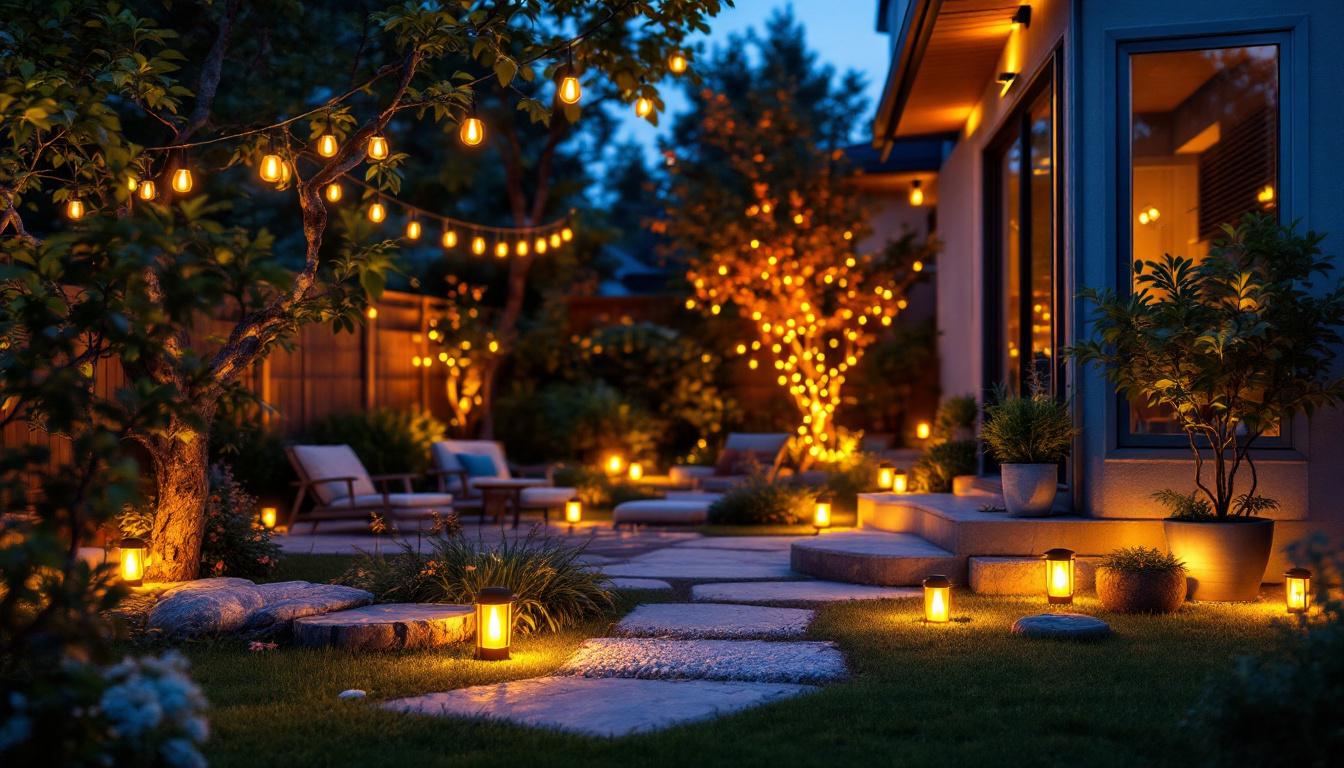
Hanging fixtures come in various styles – from lanterns and pendant lights to string lights and chandeliers. Each serves a different purpose. For example, pendant lights offer focused illumination, perfect for patios or entryways, while string lights create ambiance and soft lighting over larger spaces.
Functionality is just as important as style. Some fixtures include adjustable features like swivel hooks or extendable chains, allowing for flexible placement. Dimmable fixtures or those compatible with smart controls provide added value for clients looking to customize their lighting experience.
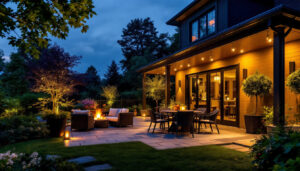
When selecting fixtures, it’s also essential to consider the overall design theme of the outdoor space. For a rustic garden, vintage-style lanterns can enhance the charm, while sleek, modern fixtures may suit contemporary patios better. Additionally, the color temperature of the bulbs plays a significant role in setting the mood; warm white lights create a cozy atmosphere, while cooler tones can offer a more vibrant, energetic feel. Balancing these elements will ensure that the lighting not only serves its functional purpose but also complements the surrounding environment beautifully.
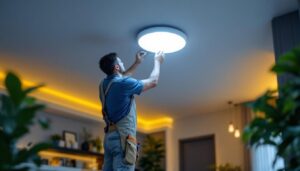
Lastly, think about the installation process and maintenance requirements. Some fixtures may require professional installation, especially if they involve electrical work or complex mounting systems. Regular maintenance, such as cleaning and checking for corrosion, is also necessary to keep the fixtures looking their best and functioning efficiently. By taking these factors into account, homeowners can enjoy a well-lit outdoor area that enhances their property’s appeal and usability for years to come.
Proper Installation Techniques for Safety and Longevity
Safety is non-negotiable when installing hanging outdoor lighting. Contractors must adhere to electrical codes and best practices to prevent hazards and ensure the system’s longevity. The installation process starts with a thorough site assessment, which includes identifying potential obstacles such as trees, buildings, and existing electrical lines. This careful planning phase is crucial to avoid any complications during installation and to ensure that the lighting serves its intended purpose effectively.
Evaluate the mounting points carefully. Fixtures must be securely anchored to withstand wind and other environmental forces. Use appropriate hardware rated for outdoor use, such as stainless steel screws and weatherproof anchors. Avoid using indoor-rated fasteners that can rust or fail. Additionally, consider the weight of the fixtures; heavier lights may require more robust support structures, such as beams or brackets, to ensure they remain securely in place over time.
Electrical Considerations
Outdoor wiring requires special attention. Use cables and connectors rated for direct burial or outdoor exposure. All connections should be housed in weatherproof junction boxes with proper sealing to prevent moisture intrusion. Ground-fault circuit interrupters (GFCIs) are essential for outdoor circuits to protect against electric shock. It’s also wise to install surge protectors to guard against voltage spikes caused by lightning or other electrical disturbances, which can damage your lighting system and pose safety risks.
When hanging multiple fixtures, plan the wiring layout to minimize voltage drop and ensure consistent illumination. Using low-voltage lighting systems can reduce risk and simplify installation, but verify compatibility with the chosen fixtures. Consider the use of timers or smart controls to enhance energy efficiency and allow for automated lighting schedules, which can be particularly beneficial for security and convenience.
Height and Placement Guidelines
Determining the correct height for hanging fixtures is both an art and a science. Fixtures should be high enough to avoid head clearance issues but low enough to provide effective lighting. For walkways or patios, a height between 7 to 9 feet is typical. Over dining areas, slightly lower placement can enhance ambiance without obstructing views. Additionally, consider the angle of light; fixtures that can be adjusted or tilted allow for more flexibility in achieving the desired lighting effect, whether it’s for functional tasks or creating a cozy atmosphere.
Spacing between fixtures matters as well. Even distribution prevents dark spots and glare. For string lights, a general rule is to space bulbs 12 to 24 inches apart, depending on the desired brightness and fixture type. Furthermore, take into account the surrounding landscape; trees, shrubs, and other features can affect how light is perceived. Incorporating dimmable fixtures or varying bulb wattages can also help tailor the lighting to different occasions, from lively gatherings to intimate dinners under the stars.
Maintenance Tips to Extend Fixture Life
Outdoor lighting fixtures face constant exposure to the elements. Regular maintenance is key to preserving their function and appearance. Lighting contractors can advise clients on simple upkeep routines that prolong fixture life.
Start with routine cleaning. Dirt, dust, and cobwebs can accumulate and reduce light output. Use a soft cloth and mild detergent to clean glass or plastic covers. Avoid abrasive materials that could scratch surfaces. Additionally, consider using a gentle hose spray to remove stubborn dirt from fixtures mounted at higher elevations, ensuring that the water pressure is low enough to prevent damage.
Inspecting for Wear and Damage
Seasonal inspections help catch issues early. Check for signs of corrosion, loose connections, or cracked wiring insulation. Replace damaged parts promptly to avoid safety hazards or fixture failure. It’s also wise to inspect the mounting hardware; screws and brackets can loosen over time due to wind or temperature fluctuations, which may lead to misalignment or even detachment of the fixture.
Bulb replacement is another maintenance aspect. Use bulbs recommended by the manufacturer to ensure proper fit and performance. LED bulbs are preferred for their longevity and energy efficiency, reducing the frequency of replacements. When replacing bulbs, consider the color temperature and brightness to maintain the desired ambiance of the outdoor space. Warmer tones can create a cozy atmosphere, while cooler tones may enhance visibility and security.
Protective Measures
Applying protective coatings to metal fixtures can help prevent rust and corrosion. Silicone sprays or specialized outdoor protectants form a barrier against moisture and UV damage. Reapplying these treatments annually can make a significant difference. Furthermore, for fixtures located in particularly harsh environments, such as coastal areas with salty air, consider using marine-grade coatings designed for maximum durability against corrosion.
Encourage clients to turn off outdoor lighting during severe weather or when not in use for extended periods. This reduces wear and energy consumption. Additionally, installing timers or smart lighting systems can automate this process, ensuring that lights are only on when needed and providing peace of mind, especially for those who travel frequently. Regularly updating these systems can also enhance energy efficiency and adapt to changing schedules or seasons.
Common Challenges and How to Overcome Them
Lighting contractors often encounter obstacles when installing hanging outdoor fixtures. Being prepared for these challenges ensures smooth project completion and satisfied clients.
Dealing with Uneven Surfaces and Limited Mounting Options
Not every outdoor space has ideal mounting points. Uneven walls or ceilings may complicate fixture installation. In such cases, using adjustable mounting brackets or custom mounting plates can provide a secure and level attachment.
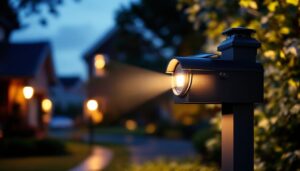
For areas without overhead structures, consider freestanding poles or pergola mounts designed for outdoor lighting. These alternatives expand installation possibilities without compromising safety.
Managing Wiring in Difficult Environments
Running wiring through dense landscaping or rocky terrain can be tricky. Trenching tools and conduit systems protect cables from damage and make future maintenance easier. Always follow local codes regarding burial depth and conduit types.
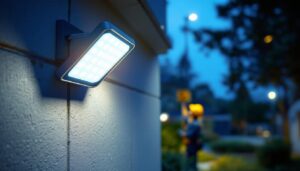
Wireless or solar-powered fixtures offer solutions when wiring is impractical. While these have limitations in brightness and runtime, they are excellent for accent lighting or remote locations.
Balancing Aesthetics and Functionality
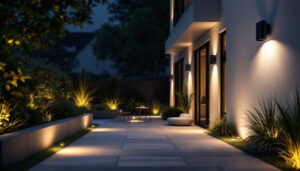
Clients often want beautiful lighting that also meets practical needs. Balancing these demands requires careful fixture selection and placement. Using layered lighting-combining hanging fixtures with ground lights or wall sconces-can create depth and versatility.
Consulting with clients about their usage patterns and preferences helps tailor solutions that satisfy both style and utility.
Staying Updated with Industry Trends and Technologies
Lighting technology evolves rapidly. Staying informed about new products, energy standards, and smart controls can give contractors a competitive edge. LED technology continues to improve, offering brighter, more efficient options with customizable color temperatures.
Smart outdoor lighting systems allow remote control, scheduling, and integration with home automation platforms. These features appeal to tech-savvy clients and add value to installations.
Energy Efficiency and Sustainability
Energy codes increasingly encourage or require efficient lighting solutions. Advising clients on LED upgrades and solar-powered options demonstrates environmental responsibility and cost savings. Many municipalities offer incentives for energy-efficient outdoor lighting, which contractors should be aware of to assist clients.
Training and Certification
Continuing education through workshops, certifications, and manufacturer training helps contractors maintain high standards. Understanding the latest electrical codes and installation techniques reduces liability and improves workmanship.
Networking with suppliers and industry peers also provides insights into emerging trends and best practices.
Conclusion
Hanging outdoor lighting fixtures present unique challenges and opportunities for lighting contractors. From selecting the right fixtures and ensuring safe, durable installations to advising clients on maintenance and embracing new technologies, expertise in this area is essential.
By focusing on quality materials, proper installation techniques, and staying current with industry developments, contractors can deliver lighting solutions that enhance outdoor spaces beautifully and reliably.
Illuminate Your Projects with LumenWholesale
Ready to elevate your outdoor lighting projects with fixtures that blend durability, style, and cutting-edge technology? Look no further than LumenWholesale for an exceptional range of spec-grade lighting products at wholesale prices that can’t be beaten. Our commitment to quality and affordability ensures that you can deliver outstanding results to your clients while maximizing your profits. Say goodbye to middleman markups and hello to hassle-free bulk buying with free shipping. Don’t compromise on quality or value—choose LumenWholesale for your lighting needs and experience the ultimate in contractor convenience. Wholesale Lighting at the Best Value is just a click away.