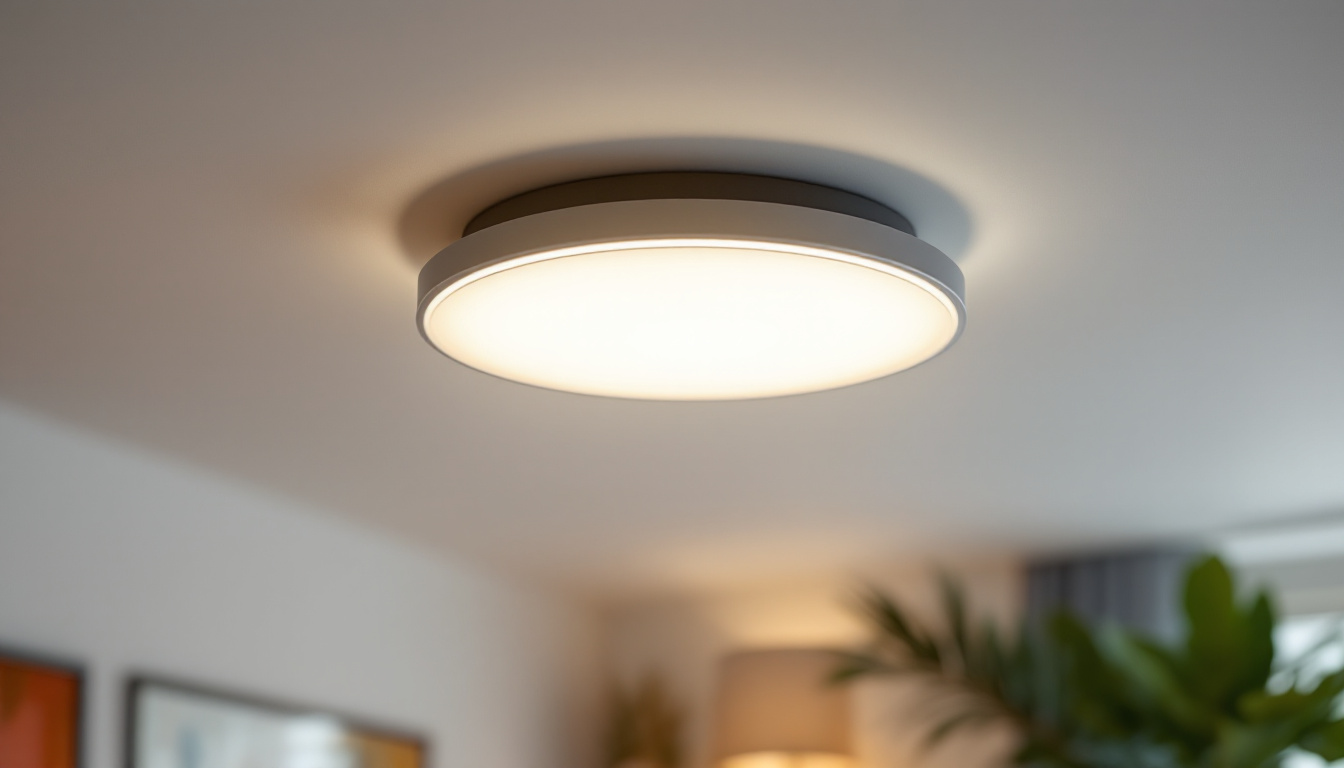
Overlooking the Importance of Color Temperature
Color temperature is one of the most critical factors when selecting LED light bulbs, yet it’s often underestimated by lighting contractors. The Kelvin scale, which measures color temperature, ranges from warm (around 2700K) to cool (above 5000K). Choosing the wrong color temperature can drastically affect the ambiance and functionality of a space.
For example, installing bulbs with a cool white (5000K+) in a residential setting can create a harsh, clinical atmosphere that clients may find uninviting. Conversely, using warm white bulbs in commercial or task-oriented environments might reduce visibility and productivity. Lighting contractors must understand the intended use of the space and the psychological impact of different color temperatures to make informed decisions.
Ignoring this aspect can lead to costly reworks and dissatisfied clients. Always ask for the client’s preferences and consider the environment’s purpose before finalizing the color temperature of LED bulbs.
Moreover, the impact of color temperature extends beyond mere aesthetics. Studies have shown that different lighting conditions can influence mood, alertness, and even cognitive performance. For instance, cooler temperatures are often associated with increased concentration and energy, making them ideal for offices or study areas. On the other hand, warmer temperatures can evoke feelings of comfort and relaxation, which is why they are commonly used in living rooms and bedrooms. Understanding these nuances allows lighting contractors to create spaces that not only look good but also enhance the well-being of their occupants.
Additionally, the interplay between color temperature and other elements of design, such as wall color and furniture, should not be overlooked. A well-lit space harmonizes with its surroundings, and the right color temperature can accentuate or diminish the effects of other design choices. For example, a warm light can make a room feel cozier when paired with earthy tones, whereas a cooler light might clash with warm wood finishes. Therefore, it is essential for contractors to consider the entire design scheme when selecting color temperatures, ensuring that the lighting complements the overall aesthetic and functional goals of the space.
Failing to Check Compatibility with Existing Fixtures
LED technology has advanced rapidly, but not all LED bulbs are compatible with every fixture or dimmer switch. One of the most common mistakes is assuming that any LED bulb will fit and function properly in an existing setup.
For instance, many older dimmer switches were designed for incandescent bulbs and can cause flickering or buzzing when paired with LED bulbs. This not only affects performance but can also lead to premature bulb failure. Lighting contractors should verify the compatibility of LED bulbs with the fixtures and controls already in place. This often means consulting manufacturer specifications or recommending upgrades to compatible dimmers and fixtures.
Skimping on this step can create headaches for both the contractor and the client, resulting in callbacks and damage to professional reputation. Moreover, the energy efficiency and longevity that LED technology promises can be significantly undermined if the bulbs are not used in the right environment. For example, using an LED bulb in a fully enclosed fixture can lead to overheating, as many LED bulbs are designed to dissipate heat effectively only when there is adequate airflow. This can drastically reduce their lifespan and negate the cost savings that LED bulbs are known for.
Additionally, the color temperature and brightness of LED bulbs can vary widely, and selecting the wrong type for a specific application can alter the intended ambiance of a space. For instance, a warm white LED might be perfect for creating a cozy atmosphere in a living room, but it may not be suitable for a workspace where bright, cool light is necessary for productivity. Therefore, lighting contractors must not only consider the technical compatibility of LED bulbs with existing fixtures but also the aesthetic and functional requirements of the space to ensure a successful installation that meets the client’s needs.
Neglecting to Consider Lumen Output Instead of Wattage
Traditional lighting was often judged by wattage, but LED bulbs require a different approach. Wattage indicates power consumption, not brightness. Lumens measure the actual light output, which is what truly matters when selecting bulbs.
A common error is choosing LED bulbs based on wattage equivalency alone without checking the lumens. This can lead to under-lit or over-lit spaces, negatively impacting both aesthetics and functionality. For example, a 60-watt incandescent equivalent LED bulb should produce around 800 lumens. If a contractor picks a bulb with significantly fewer lumens, the space will be dimmer than expected.
Understanding lumens ensures the lighting design meets the client’s needs. Always prioritize lumen output and verify it aligns with the project’s lighting requirements.
Ignoring Beam Angle and Light Distribution
Beam angle determines how light spreads from a bulb. Narrow beam angles focus light on a small area, while wide beam angles cover larger spaces. Lighting contractors frequently overlook this detail, leading to uneven lighting or unwanted shadows.
For example, using narrow beam LED bulbs in a large room can create hotspots and leave other areas under-lit. On the other hand, wide beam bulbs in accent lighting applications may wash out the intended focus. Understanding the relationship between beam angle and the space’s layout is crucial for effective lighting design.
Always evaluate the fixture’s purpose and the room’s dimensions before selecting LED bulbs with the appropriate beam angle. This attention to detail enhances both the visual appeal and functionality of the installation.
Underestimating the Importance of Quality and Certification
With the surge in LED bulb options, it’s tempting to choose the cheapest product available. However, low-quality bulbs often come with hidden costs such as shorter lifespan, inconsistent color rendering, and safety risks.
Lighting contractors should prioritize bulbs that meet recognized certifications like ENERGY STAR, DLC (DesignLights Consortium), or UL listings. These certifications ensure the product has undergone rigorous testing for performance, energy efficiency, and safety.
Investing in quality LED bulbs reduces maintenance, enhances client satisfaction, and protects the contractor’s reputation. It’s better to recommend slightly higher-priced bulbs backed by certifications than risk frequent replacements and complaints.
Failing to Account for Environmental Factors
Environmental conditions can significantly affect LED bulb performance and longevity. Factors such as temperature, humidity, and exposure to elements must be considered when selecting bulbs for specific applications.
For example, LED bulbs used in outdoor fixtures or unconditioned spaces like warehouses need to be rated for damp or wet locations. Using indoor-rated bulbs in these environments can lead to early failure and safety hazards. Similarly, extremely high or low temperatures can impact LED efficiency and lifespan.
Lighting contractors should review the environmental ratings of LED bulbs and match them to the installation conditions. This foresight ensures reliable performance and reduces costly replacements.
Overlooking the Impact of Color Rendering Index (CRI)
Color Rendering Index (CRI) measures how accurately a light source reveals the colors of objects compared to natural light. A higher CRI (above 80) means colors appear more vibrant and true to life. This is particularly important in retail, hospitality, and healthcare settings where color accuracy influences customer experience and operational effectiveness.
Contractors often select LED bulbs without considering CRI, leading to dull or distorted colors that can disappoint clients. For example, clothing stores require high CRI lighting to showcase merchandise effectively, while art galleries need precise color rendering to preserve the integrity of artworks.
Always specify LED bulbs with appropriate CRI values based on the project’s needs. This attention to detail elevates the quality of the lighting installation and client satisfaction.
Neglecting Proper Heat Management
LED bulbs generate less heat than traditional bulbs, but they still produce some heat that must be dissipated properly. Poor heat management can shorten the lifespan of LED bulbs and cause performance issues.
Lighting contractors sometimes install LED bulbs in enclosed fixtures without considering whether the bulb’s design supports adequate heat dissipation. This oversight can lead to overheating, dimming, or premature failure.
It’s essential to select LED bulbs designed for use in enclosed or recessed fixtures if that’s the installation environment. Checking the manufacturer’s specifications for heat management recommendations can prevent costly problems down the line.
Skipping Field Testing Before Final Installation
Relying solely on specifications and manufacturer claims without conducting field tests is a common pitfall. Lighting contractors should always test LED bulbs in the actual environment before completing the installation.
Field testing allows contractors to verify brightness, color temperature, beam spread, and compatibility with controls. It also helps identify any unforeseen issues such as flickering or color shifts under real-world conditions.
Incorporating this step into the workflow minimizes the risk of callbacks and ensures the client receives exactly what was promised. It’s a simple yet effective way to maintain professionalism and quality assurance.
Conclusion: Elevate Your LED Lighting Projects
LED lighting offers tremendous benefits, but only when approached with careful consideration and expertise. Lighting contractors who avoid these common mistakes-overlooking color temperature, ignoring compatibility, neglecting lumen output, and more-will deliver superior results that satisfy clients and reduce costly errors.
Investing time in understanding the nuances of LED technology, selecting quality products, and testing installations leads to more reliable, efficient, and visually appealing lighting solutions. This not only enhances client trust but also strengthens the contractor’s reputation in a competitive market.
Approach each LED lighting project with attention to detail and a commitment to best practices. The difference is clear-both in the quality of light and the success of your installations.
Get Your Premium LED Lighting Supplies at LumenWholesale
Ready to elevate your lighting projects and avoid common pitfalls? Choose LumenWholesale for your LED lighting needs. Our extensive selection of top-quality, spec-grade lighting products comes at unbeatable wholesale prices, directly to you without the middleman markups. Ensure your installations shine with our reliable, high-performance lighting solutions. Plus, enjoy the convenience of bulk buying with free shipping and no hidden fees. Make the smart choice for quality, affordability, and hassle-free service. Wholesale Lighting at the Best Value is just a click away. Experience the LumenWholesale difference today!