Introduction to Operating Room Lighting
Operating room (OR) lighting is a critical component in healthcare facilities, directly impacting surgical outcomes and patient safety. For lighting contractors, understanding the unique requirements and challenges of OR lighting is essential to delivering effective, reliable installations that meet stringent medical standards.
Unlike standard commercial or residential lighting, operating room lighting demands precision, durability, and adaptability. Surgeons and medical staff rely on optimal illumination to perform intricate procedures, making the lighting system an indispensable tool in the surgical environment.
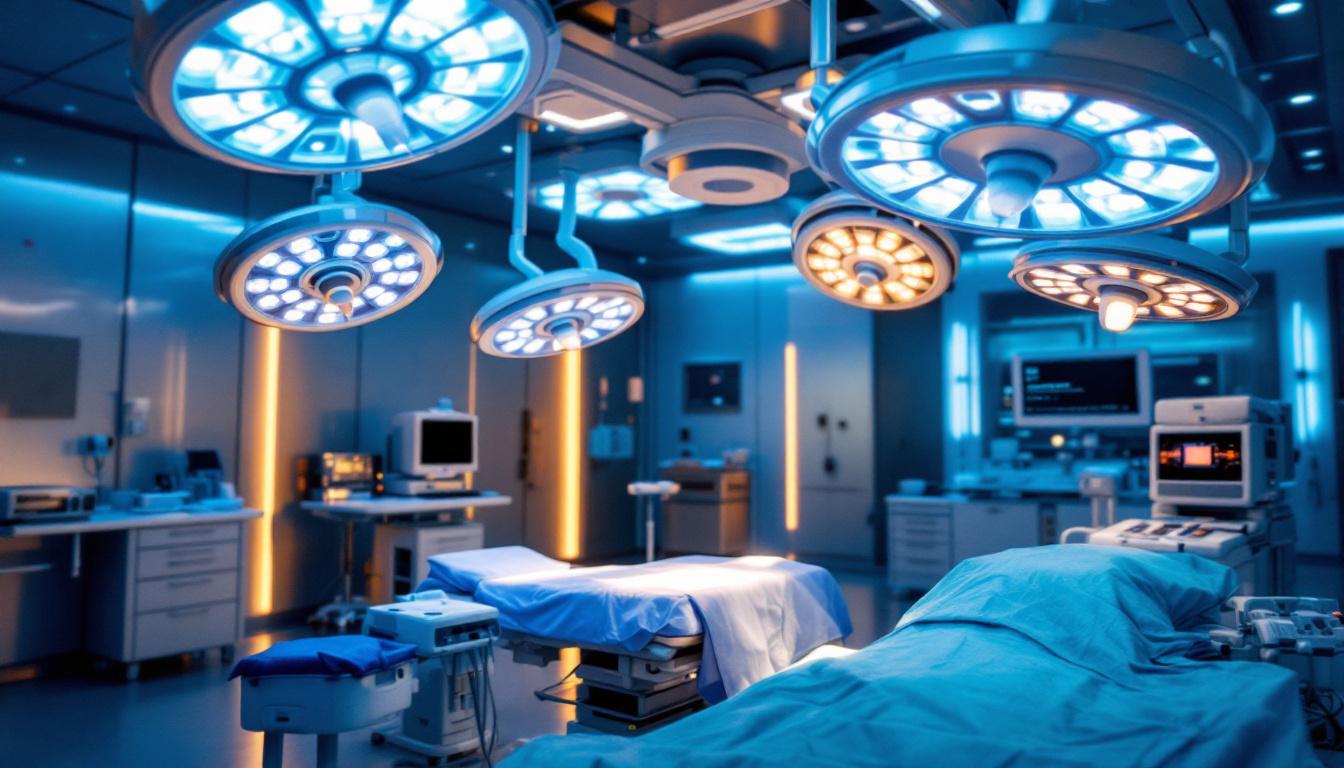
One of the key features of OR lighting is the use of shadow-free illumination, which is achieved through the strategic placement of multiple light sources. These lights are designed to minimize shadows that could obscure the surgeon’s view of the surgical field, ensuring that every detail is visible. Additionally, modern OR lights often come equipped with adjustable intensity and color temperature settings, allowing for customization based on the specific needs of the procedure being performed. This adaptability is crucial, as different surgeries may require varying levels of brightness and color accuracy to distinguish between tissues and blood vessels effectively.
Furthermore, the design of operating room lighting systems must consider infection control and maintenance. Many OR lights are constructed with smooth, easy-to-clean surfaces that resist the accumulation of dust and bacteria. This feature is vital in maintaining a sterile environment, as any contamination can lead to serious complications for patients. Additionally, the longevity and reliability of these lighting systems are paramount; therefore, many manufacturers focus on energy-efficient LED technology that not only reduces operational costs but also minimizes the frequency of bulb replacements, which can disrupt surgical schedules. Overall, the integration of advanced technology and thoughtful design in OR lighting plays a significant role in enhancing the surgical experience for both the medical team and the patient.
Key Characteristics of Operating Room Lighting
Illumination Intensity and Uniformity
One of the primary requirements for OR lighting is high illumination intensity. Surgical lights typically provide between 40,000 to 160,000 lux, ensuring that the surgical field is brightly lit without shadows or glare. Uniformity across the illuminated area is equally important, as inconsistent lighting can cause eye strain and hinder the surgeon’s ability to distinguish fine details.
Lighting contractors must select fixtures that offer adjustable intensity levels to accommodate different surgical procedures and preferences. Many modern surgical lights incorporate advanced optics to maintain consistent light distribution, even when the light head is repositioned. Furthermore, the ability to dim or brighten the lights can be crucial during various stages of surgery, allowing for a tailored approach that meets the specific needs of each procedure. This adaptability not only enhances the surgical experience but also contributes to better patient outcomes by ensuring that the surgical team has the best possible visibility at all times.
Color Rendering and Temperature
Color rendering index (CRI) is a vital specification for OR lighting. A CRI of 90 or above is typically required to accurately reproduce tissue colors, helping surgeons differentiate between anatomical structures. Additionally, the color temperature of surgical lights usually falls within the range of 3,500K to 5,000K, mimicking natural daylight to reduce eye fatigue and improve visual clarity.
Lighting contractors should prioritize LED surgical lights with high CRI and adjustable color temperature features. These options enhance the surgical team’s ability to work efficiently and safely. The use of tunable white lighting, which allows for adjustments in color temperature during a procedure, can further assist in maintaining focus and reducing strain on the eyes. This technology not only supports the surgical staff but also creates a more comfortable environment for patients, who may be more at ease in a well-lit and visually pleasant setting.
Shadow Management and Heat Control
Shadows can obscure the surgical field, so OR lighting systems are designed to minimize shadow formation through multiple light heads and strategic positioning. Contractors must ensure that the lighting setup includes overlapping beams and flexible mounting options to achieve optimal shadow control.
Heat generation is another concern, as traditional halogen surgical lights can produce significant heat, causing discomfort for medical staff and potentially affecting sterile environments. LED technology has become the preferred choice due to its low heat emission and energy efficiency, making it a critical consideration for contractors during installation. Additionally, the longevity of LED lights reduces the frequency of replacements, which is not only cost-effective but also minimizes disruptions in the operating room. The integration of cooling systems within the light fixtures can further enhance comfort, ensuring that the surgical team remains focused on the task at hand without the distraction of excessive heat or discomfort.
Essential Tools and Equipment for Lighting Contractors in OR Installations
Precision Measuring Instruments
Accurate measurement is the foundation of successful OR lighting installation. Contractors rely on lux meters to verify illumination levels and ensure compliance with medical standards. These devices help confirm that the light intensity meets the required range and that uniformity is maintained across the surgical field.
Additionally, color meters can be used to assess the color temperature and CRI of installed fixtures, ensuring that the lighting environment supports surgical precision. The importance of color rendering is particularly critical in surgical settings, where accurate color perception can influence the outcome of procedures. For instance, surgeons need to distinguish between subtle shades of tissue, which can be crucial for identifying abnormalities. Thus, the use of high-quality color meters not only enhances the effectiveness of lighting but also contributes to improved patient outcomes.
Advanced Mounting and Positioning Tools
Operating room lights often require complex mounting solutions, including ceiling mounts, wall arms, or mobile stands. Contractors need specialized tools such as torque wrenches and alignment lasers to secure fixtures properly and guarantee precise positioning.
Given the importance of flexibility in OR lighting, contractors must also be proficient with adjustable mounting systems that allow medical staff to easily reposition lights during procedures without compromising stability. These systems often incorporate advanced features such as gas spring mechanisms or counterbalance weights, which facilitate smooth adjustments. Furthermore, the design of these mounting solutions must consider the unique layout of each operating room, ensuring that the lights can be maneuvered effectively without obstructing the surgical team’s workflow or access to essential equipment.
Electrical Testing and Safety Equipment
Safety is paramount in healthcare environments. Lighting contractors must use insulation testers, ground resistance testers, and circuit analyzers to verify that all electrical components meet safety codes and hospital regulations. These tests prevent electrical faults that could jeopardize patient safety or disrupt surgical procedures.
Proper grounding and surge protection are critical, especially in sensitive medical settings. Contractors should also be familiar with hospital-grade wiring and connectors designed to withstand rigorous sanitation protocols. In addition to standard safety measures, the implementation of emergency backup lighting systems is essential. These systems ensure that in the event of a power failure, the operating room remains illuminated, allowing surgical teams to continue their work without interruption. The integration of such systems not only enhances safety but also aligns with the hospital’s commitment to providing uninterrupted patient care, reinforcing the contractor’s role in maintaining high standards in healthcare environments.
Installation Best Practices for Operating Room Lighting
Collaborating with Healthcare Professionals
Successful OR lighting installation requires close collaboration with surgeons, nurses, and facility managers. Contractors should engage stakeholders early in the project to understand specific lighting preferences, surgical workflow, and any unique environmental constraints.
This collaboration ensures that the lighting system supports the clinical needs effectively while complying with regulatory standards such as those from the Illuminating Engineering Society (IES) and healthcare accreditation bodies.
Ensuring Compliance with Standards and Regulations
Operating room lighting must adhere to rigorous standards governing illumination, safety, and infection control. Contractors should be well-versed in guidelines such as the National Fire Protection Association (NFPA) codes, Occupational Safety and Health Administration (OSHA) requirements, and local building codes.
These regulations often dictate fixture placement, emergency lighting provisions, and maintenance accessibility, all of which influence installation strategies.
Testing and Commissioning Procedures
After installation, comprehensive testing and commissioning are essential to verify that the lighting system performs as intended. Contractors should conduct light level measurements, color accuracy assessments, and functional tests of adjustable features.
Documentation of test results and certification of compliance provide assurance to healthcare providers and facility managers, supporting ongoing maintenance and future upgrades.
Emerging Technologies and Trends in Operating Room Lighting
LED and Smart Lighting Solutions
LED technology has revolutionized OR lighting by offering superior energy efficiency, longer lifespan, and reduced heat output. Many modern surgical lights now incorporate smart controls, allowing surgeons to adjust intensity, color temperature, and beam focus via touchscreens or voice commands.
For lighting contractors, staying current with these innovations is crucial. Installing smart lighting systems requires knowledge of integrated control networks and compatibility with hospital IT infrastructure.
Integration with Surgical Visualization Systems
Advanced OR lighting is increasingly integrated with surgical cameras and visualization tools. Lighting systems that synchronize with imaging equipment enhance visibility and improve documentation of procedures.
Contractors should be prepared to coordinate with medical technology vendors to ensure seamless integration and optimal performance.
Sustainability and Energy Efficiency
Healthcare facilities are prioritizing sustainability, and lighting contractors play a key role in supporting energy-efficient OR environments. Installing LED fixtures with dimming capabilities and occupancy sensors helps reduce energy consumption without compromising lighting quality.
Additionally, contractors can advise on lighting designs that minimize environmental impact while meeting clinical requirements.
Conclusion
Operating room lighting is a specialized field that demands a deep understanding of medical requirements, technical specifications, and regulatory standards. For lighting contractors, mastering the essential tools and best practices is vital to delivering installations that enhance surgical performance and patient safety.
By embracing emerging technologies and maintaining close collaboration with healthcare professionals, contractors can ensure that OR lighting systems remain at the forefront of innovation and reliability. This commitment not only supports better clinical outcomes but also strengthens the contractor’s reputation in the healthcare sector.
Illuminate Your Operating Rooms with LumenWholesale
Ready to elevate your operating room installations with the best in lighting technology? At LumenWholesale, we provide lighting contractors with superior, spec-grade lighting products at unbeatable wholesale prices. Our extensive selection is designed to meet the highest industry standards, ensuring you deliver reliable, high-performance lighting for critical healthcare environments. With LumenWholesale, bulk buying is straightforward and cost-effective, thanks to our free shipping policy. Don’t let inflated markups and hidden fees compromise your project’s quality and budget. Choose LumenWholesale for the perfect blend of quality, affordability, and convenience. Wholesale Lighting at the Best Value is just a click away.