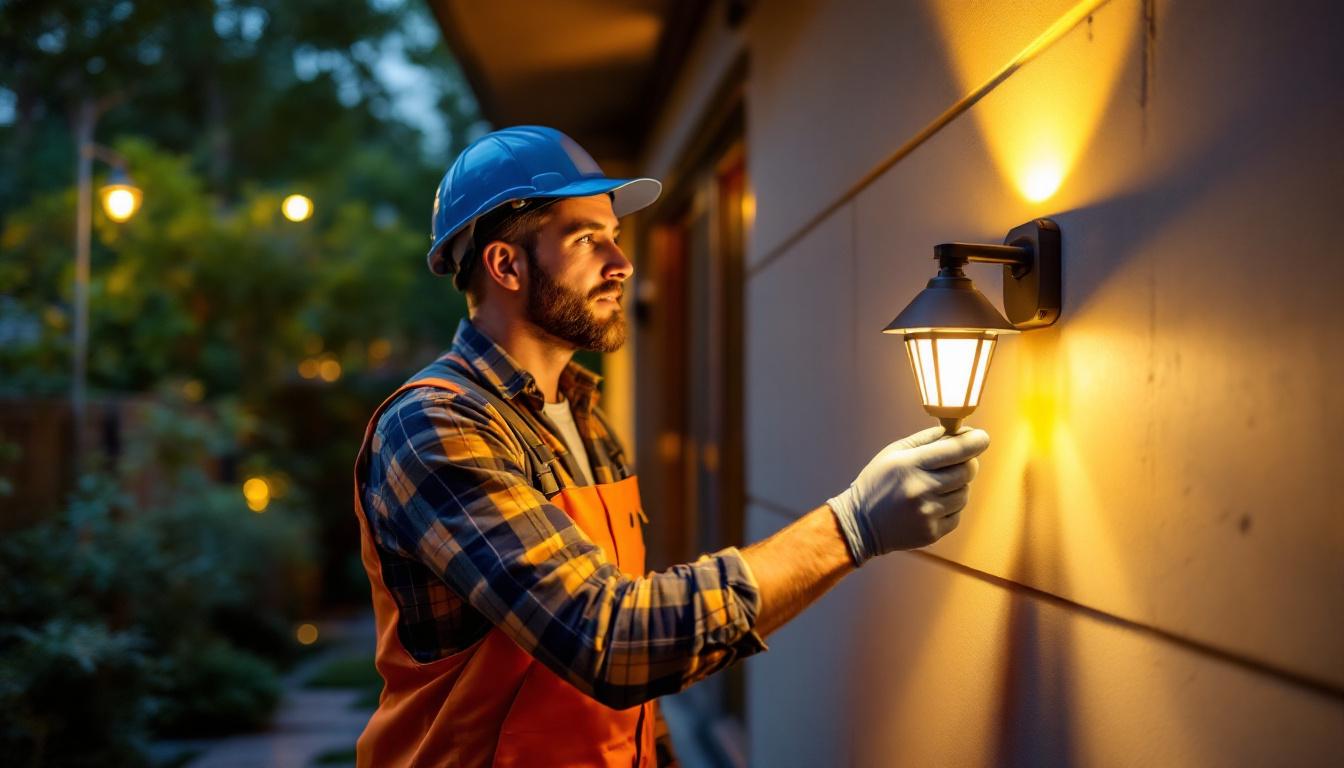
As the demand for sustainable energy solutions continues to rise, wall mountable solar lights have emerged as a popular choice for both residential and commercial applications. For lighting contractors, understanding the nuances of these fixtures is essential for delivering effective and efficient lighting solutions to clients. This article explores key tips and considerations for working with wall mountable solar lights, ensuring that contractors can maximize their offerings and meet the needs of their customers.
Understanding Wall Mountable Solar Lights
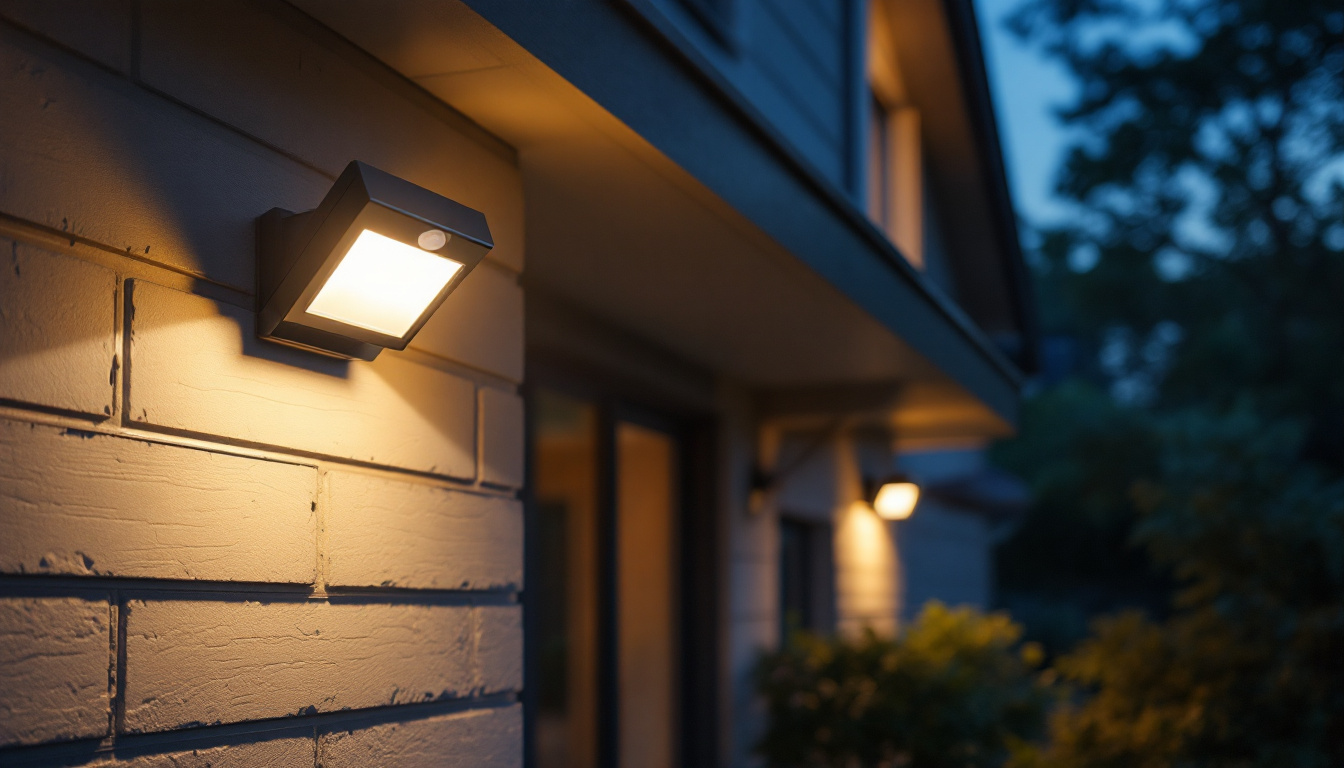
Wall mountable solar lights are designed to harness solar energy, converting it into electricity to power LED lights. These fixtures are typically installed on walls, fences, or other vertical surfaces, making them ideal for illuminating pathways, driveways, and outdoor spaces. They offer several advantages over traditional lighting solutions, including energy efficiency, ease of installation, and minimal maintenance. With advancements in solar technology, these lights have become increasingly popular among homeowners and businesses alike, providing a sustainable lighting option that aligns with modern energy practices.
Types of Wall Mountable Solar Lights
There are various types of wall mountable solar lights available, each catering to different needs and preferences. Understanding these types can help contractors recommend the best options to their clients. The diversity in design and functionality means that there is likely a perfect fit for any outdoor lighting requirement.
- Solar Wall Sconces: These fixtures provide ambient lighting and are often used for decorative purposes. They can enhance the aesthetic appeal of outdoor spaces while offering functional illumination. Available in various styles, from contemporary to vintage, solar wall sconces can complement the architectural design of a home or garden.
- Solar Flood Lights: Ideal for security applications, solar flood lights provide bright, focused illumination. They are often used in commercial settings or for larger residential properties. Equipped with high-lumen output, these lights can cover expansive areas, making them a reliable choice for enhancing safety and visibility at night.
- Solar Motion Sensor Lights: These lights activate when motion is detected, making them an excellent choice for security and safety. They help conserve energy by only operating when needed. Additionally, many models come with adjustable sensitivity settings, allowing users to customize the detection range according to their specific needs.
Benefits of Wall Mountable Solar Lights
Choosing wall mountable solar lights comes with numerous benefits that can be highlighted to clients. These advantages include:
- Energy Efficiency: By utilizing solar power, these lights reduce electricity costs and reliance on the grid. This not only lowers utility bills but also provides a reliable source of light even during power outages.
- Environmentally Friendly: Solar lights contribute to reducing carbon footprints, appealing to eco-conscious consumers. They operate entirely on renewable energy, making them a sustainable choice for those looking to minimize their environmental impact.
- Easy Installation: Most solar lights do not require complex wiring, making installation straightforward and cost-effective. This ease of setup allows homeowners to enhance their outdoor spaces without the need for professional assistance, empowering them to take control of their lighting solutions.
Furthermore, many wall mountable solar lights come equipped with advanced features such as adjustable brightness settings and built-in timers, allowing users to customize their lighting experience. For instance, some models can be programmed to dim during certain hours or to turn on automatically at dusk, providing convenience and energy savings. Additionally, the durability of these lights is worth noting; many are constructed with weather-resistant materials, ensuring they can withstand various environmental conditions, from heavy rain to extreme heat. This resilience makes them a long-lasting investment for any outdoor lighting project.
Key Considerations for Installation
When installing wall mountable solar lights, several factors should be taken into account to ensure optimal performance and longevity. Proper installation can significantly affect the effectiveness of the lighting solution.
Location and Orientation
The placement of solar lights is critical for maximizing their efficiency. Ideally, they should be installed in locations that receive ample sunlight throughout the day. Factors to consider include:
- Sun Exposure: Ensure that the chosen location is free from obstructions such as trees or buildings that could cast shadows on the solar panels.
- Height of Installation: Mounting the lights at an appropriate height can enhance their effectiveness. Generally, lights should be installed at least 6 to 8 feet above the ground.
Weather Resistance and Durability
Lighting contractors should select solar lights that are designed to withstand various weather conditions. Look for fixtures that are rated for outdoor use and have features such as:
- Waterproofing: Ensure that the lights have a high IP rating, indicating resistance to water and dust.
- Material Quality: Opt for lights made from durable materials such as aluminum or high-grade plastic that can resist corrosion and fading.
Choosing the Right Solar Light Fixtures
With a plethora of options available, selecting the right solar light fixtures can be daunting. However, by considering specific factors, lighting contractors can make informed decisions that align with their clients’ needs.
Brightness and Lumens
The brightness of solar lights is measured in lumens, and understanding this metric is crucial for providing adequate illumination. For different applications, the required lumens may vary:
- Pathway Lighting: Generally requires about 50-100 lumens per fixture.
- Security Lighting: Often needs 700 lumens or more to effectively illuminate larger areas.
Battery Capacity and Runtime
The battery capacity of solar lights directly affects their performance. Contractors should evaluate:
- Battery Type: Lithium-ion batteries tend to have a longer lifespan and better performance compared to lead-acid batteries.
- Runtime: Ensure that the lights can operate for the desired duration, especially during cloudy days or in winter months.
Maintenance Tips for Longevity
While solar lights require minimal maintenance, regular checks and care can extend their lifespan and efficiency. Contractors should advise clients on best practices to keep their solar lights in optimal condition.
Regular Cleaning
Solar panels should be kept clean to ensure maximum sunlight absorption. Dust, dirt, and debris can accumulate, reducing efficiency. A simple cleaning routine can include:
- Wiping Down Panels: Use a soft cloth and mild soap to clean the solar panels periodically.
- Inspecting for Obstructions: Regularly check for any plants or debris that may block sunlight from reaching the panels.
Battery Maintenance
Monitoring the health of the batteries is essential for ensuring consistent performance. Contractors can recommend:
- Battery Replacement: Advise clients on when to replace batteries, typically every 2-3 years, depending on usage and type.
- Storage Conditions: Ensure that batteries are stored in a cool, dry place to prevent damage.
Regulatory Considerations
Lighting contractors should also be aware of any regulations or standards that may apply to the installation of solar lights. Compliance with local codes is essential for ensuring safety and legality.
Building Codes and Permits
Before installation, contractors should check local building codes to determine if any permits are required. This can vary significantly depending on the municipality. Key points to consider include:
- Height Restrictions: Some areas may have regulations regarding the height at which lights can be mounted.
- Electrical Codes: Ensure that any wiring or electrical components meet local safety standards.
Environmental Regulations
In addition to building codes, contractors should be aware of environmental regulations that may impact the use of solar lights. This can include:
- Wildlife Protection: In certain areas, lighting solutions may need to be designed to minimize disruption to local wildlife.
- Energy Efficiency Standards: Some regions may have specific energy efficiency requirements that solar lights must meet.
Marketing Solar Lighting Solutions
As the market for solar lighting continues to grow, effective marketing strategies can help lighting contractors stand out. Understanding how to communicate the benefits and features of solar lights can attract more clients.
Educating Clients
One of the most effective ways to market solar lighting solutions is through education. Providing clients with information about the benefits, installation process, and maintenance can build trust and encourage purchases. Consider:
- Workshops and Demonstrations: Hosting events where clients can see solar lights in action can be persuasive.
- Informative Content: Creating blog posts, videos, or brochures that explain solar technology can position contractors as knowledgeable experts.
Highlighting Cost Savings
Many clients are motivated by the potential cost savings associated with solar lights. Emphasizing the long-term financial benefits can be a compelling selling point. Key aspects to highlight include:
- Lower Energy Bills: Show potential clients how much they can save on electricity costs over time.
- Tax Incentives: Inform clients about any available tax credits or rebates for installing solar technology.
Future Trends in Solar Lighting
The solar lighting industry is continuously evolving, with new technologies and trends emerging. Staying informed about these developments can help lighting contractors remain competitive and offer cutting-edge solutions.
Smart Solar Lighting
As smart home technology becomes more prevalent, the integration of smart features into solar lighting is gaining traction. This includes:
- Remote Control: Allowing users to control lighting settings via smartphone apps.
- Integration with Home Automation Systems: Enabling solar lights to work in conjunction with other smart devices for enhanced functionality.
Advancements in Solar Technology
Improvements in solar panel efficiency and battery technology are making solar lights more effective than ever. Key advancements to watch include:
- Higher Efficiency Panels: New solar panels are being developed that can capture more sunlight, even in low-light conditions.
- Longer Lasting Batteries: Innovations in battery technology are leading to longer runtimes and quicker charging times.
Conclusion
Wall mountable solar lights offer a versatile and sustainable lighting solution for a variety of applications. By understanding the key aspects of these fixtures, from installation to maintenance and marketing, lighting contractors can enhance their service offerings and meet the growing demand for energy-efficient solutions. As the industry evolves, staying informed about trends and advancements will ensure that contractors remain competitive and continue to provide value to their clients.
Illuminate Your Projects with LumenWholesale
Ready to elevate your lighting projects with the most efficient and sustainable wall mountable solar lights? Look no further than LumenWholesale, where we provide lighting contractors with the highest quality, spec-grade lighting products at unbeatable wholesale prices. Our commitment to cutting out the middleman means you get the superior lighting you need without the inflated markups. With our extensive selection that meets rigorous industry standards, you can ensure reliable, high-performance lighting for every application. Plus, with free shipping on bulk orders, you can secure premium lighting at the best value — without hidden fees or compromises. Don’t miss out on the perfect blend of quality, affordability, and convenience. Visit us at Wholesale Lighting at the Best Value and start transforming your lighting solutions today.