In the realm of modern interior design, LED strip lighting has emerged as a popular choice for enhancing the aesthetic appeal and functionality of cabinets. For lighting contractors, understanding the best practices for installing and utilizing LED strips in cabinetry can significantly elevate the quality of work provided to clients. This article delves into the essential strategies, considerations, and tips for effectively incorporating LED strips into cabinet designs.
Understanding LED Strip Lighting
LED strip lights are flexible circuit boards populated with light-emitting diodes (LEDs) that can be cut to size and adhered to various surfaces. Their versatility makes them ideal for illuminating cabinets, whether in kitchens, bathrooms, or living spaces. The ability to customize length and brightness allows contractors to tailor solutions to meet specific client needs. Beyond mere functionality, LED strip lighting can also enhance the aesthetic appeal of a space, providing a modern and sleek look that complements contemporary design trends. The soft glow of LED strips can create a warm and inviting atmosphere, making them a popular choice among homeowners and interior designers alike.
Types of LED Strips
There are several types of LED strips available, each suited for different applications. The most common types include:
- Standard LED Strips: These are typically used for general lighting purposes and come in various brightness levels. They are perfect for ambient lighting and can be used in a variety of settings, from residential to commercial.
- High-Output LED Strips: Designed for areas requiring more light, these strips provide a brighter output and are ideal for task lighting. They are especially useful in workspaces, where clear visibility is crucial for productivity.
- RGB LED Strips: These strips can change colors, allowing for dynamic lighting effects that can enhance the ambiance of a space. With the ability to sync with music or change colors based on mood, RGB strips are popular for entertainment areas and creative installations.
Benefits of Using LED Strips in Cabinets
Integrating LED strips into cabinet designs offers numerous advantages:
- Energy Efficiency: LED strips consume significantly less energy compared to traditional lighting options, making them an eco-friendly choice. This energy efficiency translates into lower electricity bills, which is a significant benefit for both residential and commercial users.
- Longevity: With a lifespan of up to 50,000 hours, LED strips reduce the need for frequent replacements, saving both time and money. This durability is particularly advantageous in hard-to-reach areas, where changing bulbs can be cumbersome.
- Versatility: Their flexibility allows for creative installations, whether along shelves, inside cabinets, or under countertops. This adaptability means that LED strips can be used in a variety of ways, from highlighting decorative items to providing functional lighting for everyday tasks.
Moreover, the ease of installation further enhances their appeal. Many LED strips come with adhesive backing, making it simple to apply them to any clean surface without the need for professional assistance. This DIY-friendly aspect empowers homeowners to take control of their lighting design, allowing for quick updates or changes as their needs evolve. Additionally, the wide range of color temperatures available—from warm white to cool daylight—enables users to create the perfect lighting environment for any occasion, whether it’s a cozy family dinner or an elegant gathering with friends.
Planning the Installation
Proper planning is crucial to ensure a successful LED strip installation. Lighting contractors should consider several factors before proceeding with the installation process.
Assessing the Space
Before choosing LED strips, it’s essential to assess the space where they will be installed. Factors such as cabinet size, color, and the intended use of the cabinets should be evaluated. For instance, kitchen cabinets may require brighter lighting for food preparation, while living room cabinets might benefit from softer, ambient lighting.
Choosing the Right LED Strip
After assessing the space, selecting the appropriate type of LED strip is the next step. Contractors should consider:
- Brightness: Measured in lumens, the brightness of the LED strip should align with the intended use of the cabinet.
- Color Temperature: The color temperature, measured in Kelvin, affects the ambiance. Warmer tones (2700K-3000K) create a cozy feel, while cooler tones (4000K-5000K) are more suitable for task lighting.
- IP Rating: For areas exposed to moisture, such as bathrooms, selecting LED strips with an appropriate Ingress Protection (IP) rating is essential.
Installation Techniques
Once the planning phase is complete, the installation can begin. Proper techniques will ensure a clean and professional finish.
Preparation of the Surface
Before applying LED strips, the surface must be clean and dry. Dust and grease can hinder adhesion, leading to premature failure of the lighting solution. Use a suitable cleaner to prepare the surface, allowing it to dry completely before proceeding.
Cutting and Connecting LED Strips
LED strips can be cut to fit specific lengths, but it’s essential to cut them at designated points to avoid damaging the circuitry. After cutting, connectors or soldering may be required to link strips or connect them to power sources. Ensuring proper connections is vital for maintaining the integrity of the lighting system.
Power Supply Considerations
Choosing the right power supply is critical for the successful operation of LED strips. The power supply must match the voltage and current requirements of the LED strips to prevent damage.
Voltage Compatibility
Most LED strips operate on either 12V or 24V systems. Contractors should verify the voltage of the selected LED strips and ensure the power supply is compatible. Using an incompatible power supply can lead to flickering lights or complete failure.
Calculating Power Needs
To determine the appropriate power supply, contractors should calculate the total wattage required for the LED strips. This involves multiplying the wattage per foot of the strip by the total length of the installation. It’s advisable to add a buffer of around 20% to the total wattage to accommodate any fluctuations and ensure reliable performance.
Enhancing Functionality with Controls
Incorporating controls into LED strip installations can significantly enhance their functionality. Lighting contractors should consider various options for controlling brightness and color.
Dimming Options
Adding dimmers allows clients to adjust the brightness of the LED strips according to their preferences. This feature is particularly useful in areas where ambiance is important, such as living rooms or bedrooms. Contractors should ensure that the dimming system is compatible with the LED strips being used.
Smart Lighting Solutions
For a modern touch, integrating smart lighting solutions can provide clients with greater control over their lighting. Smart LED strips can be connected to home automation systems, allowing users to adjust settings via smartphones or voice commands. This not only adds convenience but also enhances the overall user experience.
Maintenance and Troubleshooting
Regular maintenance and troubleshooting are essential to ensure the longevity and functionality of LED strip installations. Lighting contractors should educate clients on basic maintenance practices.
Cleaning and Care
LED strips should be kept clean to maintain their brightness and efficiency. Clients can use a soft, dry cloth to wipe down the strips, avoiding harsh chemicals that may damage the components. Regular checks for dust accumulation, especially in kitchen areas, can help maintain optimal performance.
Troubleshooting Common Issues
Despite their durability, issues may arise with LED strips. Common problems include flickering lights, dimming, or complete failure. Contractors should be prepared to troubleshoot these issues:
- Flickering Lights: This may be caused by a poor connection or an incompatible power supply. Checking connections and ensuring compatibility can resolve the issue.
- Dimming: If lights are dimming unexpectedly, it may indicate insufficient power supply. Re-evaluating the power needs and upgrading the supply may be necessary.
- Complete Failure: In cases where the entire strip fails, checking for damaged sections and ensuring proper connections can help identify the problem.
Design Considerations for Aesthetic Appeal
In addition to functionality, the aesthetic appeal of LED strip installations plays a crucial role in client satisfaction. Lighting contractors should consider various design elements when planning installations.
Placement Strategies
The placement of LED strips can dramatically affect the overall look of cabinetry. Common strategies include:
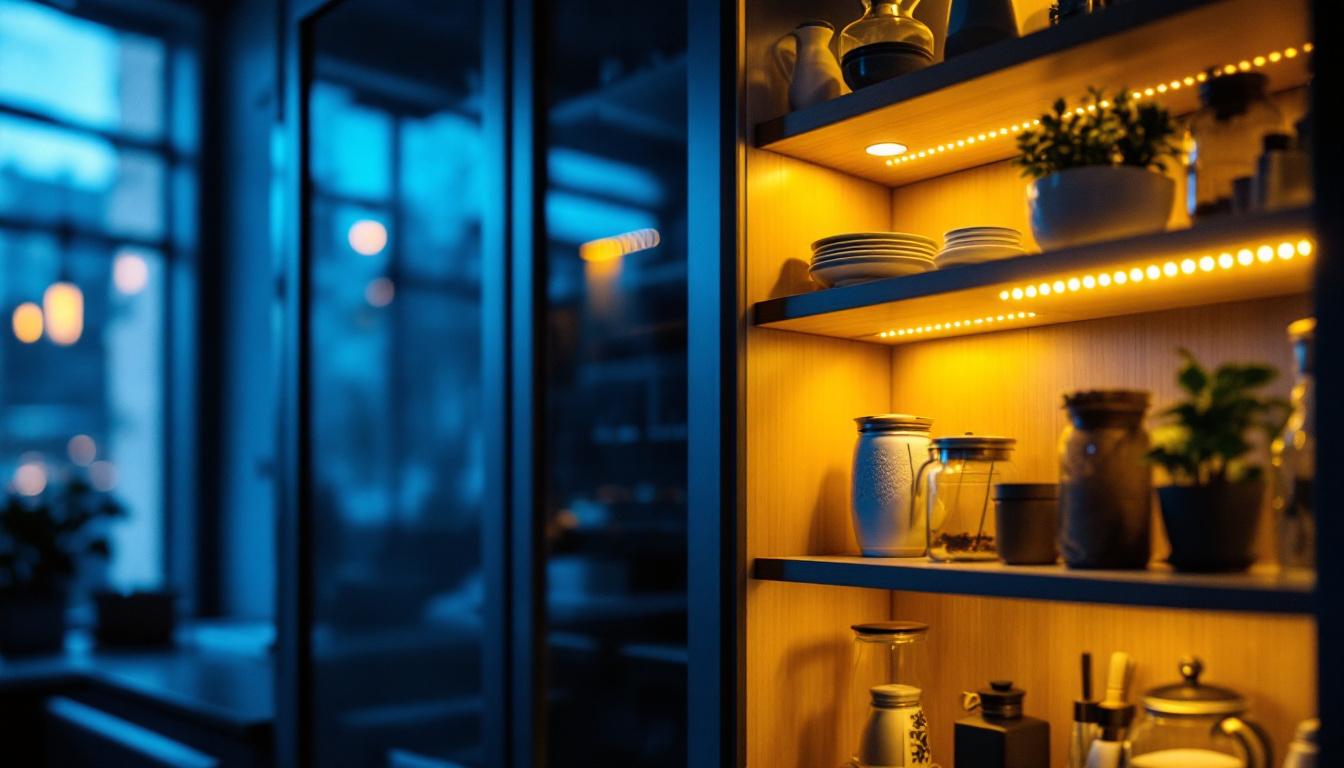
- Under-Shelf Lighting: Installing strips beneath shelves can create a floating effect, enhancing the visual appeal while providing functional lighting.
- Inside Cabinet Lighting: Placing LED strips inside cabinets can illuminate contents, making it easier for clients to find items while adding a touch of elegance.
- Accent Lighting: Using LED strips to highlight architectural features or decorative elements can create a stunning focal point in a room.
Color and Temperature Choices
The choice of color and temperature can significantly influence the ambiance of the space. Warmer tones are often preferred in living areas for a cozy feel, while cooler tones are suitable for workspaces. Contractors should discuss these options with clients to ensure the final result aligns with their vision.
Conclusion
Incorporating LED strips into cabinet designs presents an opportunity for lighting contractors to enhance both the functionality and aesthetic appeal of spaces. By understanding the types of LED strips available, planning installations effectively, and considering design elements, contractors can deliver high-quality results that meet client expectations. With proper maintenance and troubleshooting knowledge, contractors can ensure that their installations stand the test of time, providing clients with beautiful and efficient lighting solutions.
Illuminate Your Projects with LumenWholesale
Ready to take your cabinet lighting projects to the next level? At LumenWholesale, we provide lighting contractors with the highest quality LED strips and lighting solutions at unbeatable wholesale prices. Say goodbye to local distributor markups and hello to spec-grade products that meet the highest industry standards. With our hassle-free bulk buying and free shipping, you can trust that you’re getting premium lighting at the best value — without any hidden fees. Elevate your lighting installations with the perfect blend of quality, affordability, and convenience. Visit LumenWholesale today and experience Wholesale Lighting at the Best Value for your next project.