Understanding the Dual Role of Light Kit Ceiling Fans
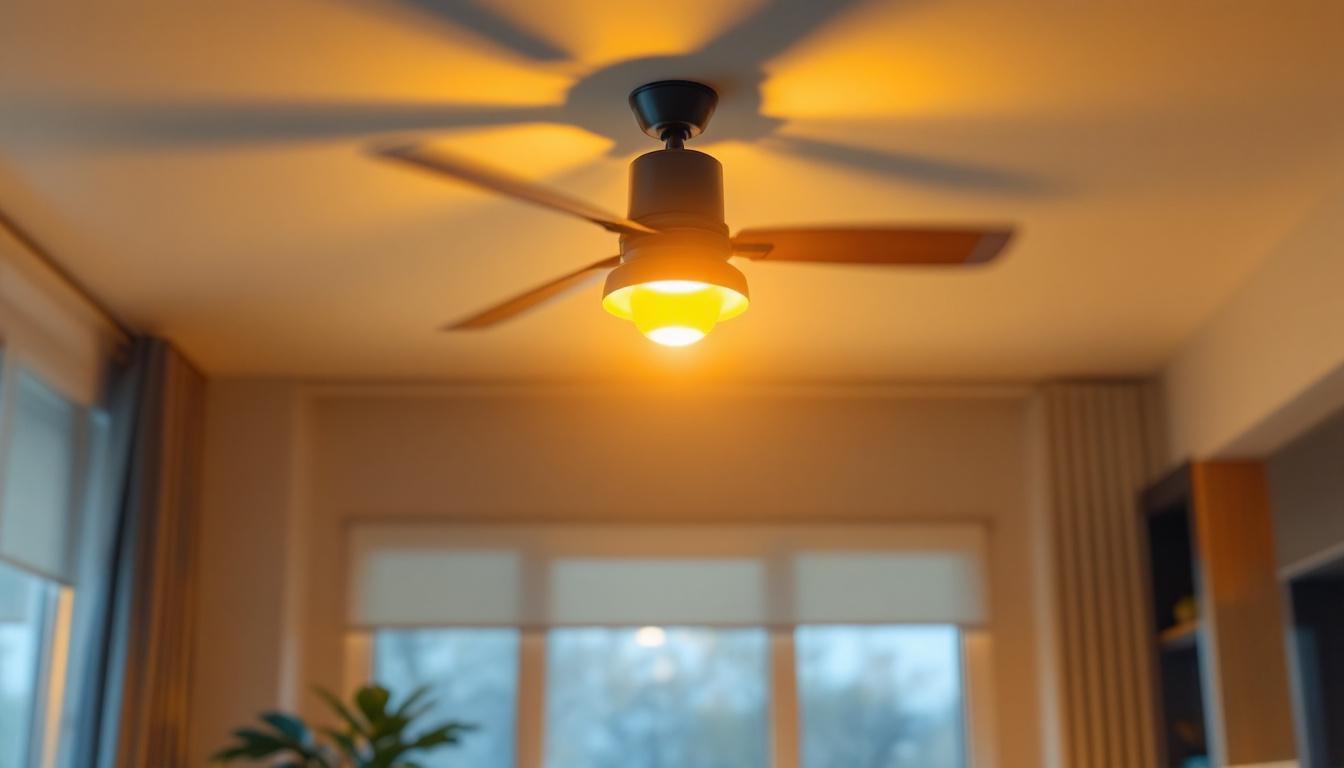
Ceiling fans with integrated light kits serve a dual purpose: they provide both air circulation and illumination. For lighting contractors, this combination presents unique challenges and opportunities that are often underestimated. While the fan’s mechanical and electrical components are typically the focus during installation, the lighting aspect demands equal attention to ensure optimal performance, safety, and client satisfaction.
Many contractors approach light kit ceiling fans as just another fixture to wire and mount. However, overlooking the nuances of the lighting component can lead to issues such as inadequate illumination, incompatible bulbs, or even electrical hazards. Recognizing the interplay between the fan and its light kit is crucial for delivering a comprehensive solution that meets both functional and aesthetic requirements.
The Importance of Proper Lighting Design in Ceiling Fans
Lighting contractors must consider the lighting design principles that apply specifically to ceiling fans. Unlike standalone light fixtures, light kits are constrained by the fan’s size, style, and airflow requirements. This means the light output, distribution, and fixture compatibility need to be carefully evaluated to avoid underwhelming or uneven lighting.
For instance, the lumen output of the bulbs used in a fan’s light kit should correspond to the room’s size and purpose. A living room or dining area demands higher illumination levels compared to a bedroom or hallway. Failing to match the light output to the space can result in dissatisfied clients who may perceive the fan as ineffective or poorly designed.
Moreover, the color temperature of the bulbs is another critical factor that can significantly impact the ambiance of a room. Warm white bulbs (around 2700K) create a cozy atmosphere, ideal for bedrooms and living areas, while cooler white bulbs (5000K and above) are better suited for task-oriented spaces like kitchens or home offices. By understanding these nuances, contractors can guide clients in selecting the most suitable lighting options that enhance both the functionality and aesthetics of their spaces.
Additionally, the design and style of the light kit should harmonize with the overall decor of the room. From sleek modern designs to more traditional looks, the choice of light kit can either complement or clash with existing furnishings. This consideration not only affects the visual appeal but also the perceived value of the installation. Contractors who take the time to discuss these design elements with their clients can foster a collaborative relationship, ensuring that the final product is not only practical but also tailored to the client’s taste and lifestyle.
Common Oversights in Light Kit Ceiling Fan Installations
Ignoring Electrical Compatibility and Load Requirements
One frequent oversight is neglecting the electrical load specifications of the light kit in relation to the circuit and dimmer switches used. Many contractors assume that any dimmer or switch compatible with standard lighting will work seamlessly with the fan’s light kit. This is not always the case.
Light kits often use LED or CFL bulbs, which require specific dimmers designed for their electrical characteristics. Using incompatible dimmers can cause flickering, buzzing, or even damage to the bulbs and wiring. Additionally, the combined electrical load of the fan motor and light kit must be within the circuit’s capacity to prevent tripping breakers or overheating.
Moreover, it’s crucial to consider the total wattage of all devices connected to the circuit. Many homeowners may not realize that a seemingly minor addition, like a light kit, can push the circuit beyond its limits, especially in older homes where electrical systems may not be up to current standards. Therefore, performing a thorough load calculation before installation can save both time and money, ensuring a safe and efficient setup.
Overlooking Bulb Type and Wattage Recommendations
Another common mistake is disregarding the manufacturer’s recommendations for bulb type and wattage. Many light kits are designed for specific bulb types—such as LED, incandescent, or halogen—and exceeding the recommended wattage can cause overheating, reducing the lifespan of the fixture and posing fire risks.
Lighting contractors should always verify the bulb specifications and educate clients on the importance of using the correct bulbs. This not only ensures safety but also maintains the warranty and performance standards promised by the manufacturer.
Additionally, the choice of bulb type can significantly impact energy efficiency and light quality. For instance, while LED bulbs are generally more energy-efficient and have a longer lifespan, they can also produce a different light quality compared to traditional incandescent bulbs. Educating clients about the color temperature and brightness levels of various bulbs can help them make informed decisions that align with their preferences and needs, ultimately enhancing their satisfaction with the installation.
Neglecting Aesthetic and Functional Integration
While functionality is paramount, the aesthetic integration of the light kit with the room’s design is often overlooked. A ceiling fan’s light kit should complement the room’s style and lighting needs, rather than detract from them.
Contractors sometimes install light kits that are too bright, too dim, or stylistically mismatched with the space. This can lead to client dissatisfaction and costly callbacks. Taking the time to select or recommend light kits that align with the client’s vision and the room’s purpose enhances the overall satisfaction and perceived value of the installation.
Furthermore, considering the placement and direction of the light is essential for achieving the desired ambiance. For example, a light kit that directs light upwards can create a softer, more diffused glow, perfect for cozy living spaces, while downward-facing lights may be better suited for task-oriented areas like kitchens or home offices. By engaging clients in discussions about their lighting preferences and how different styles can affect the overall mood of the room, contractors can foster a more collaborative approach that leads to better outcomes and happier clients.
Best Practices for Lighting Contractors Working with Light Kit Ceiling Fans
Conducting a Thorough Pre-Installation Assessment
Before installation, lighting contractors should perform a comprehensive assessment of the space. This includes measuring room dimensions, evaluating existing lighting levels, and understanding the client’s lighting preferences and lifestyle needs.
Such assessments help determine the appropriate lumen output, color temperature, and fixture placement. For example, cooler color temperatures (around 4000K) may be preferred in kitchens or workspaces, while warmer tones (2700K to 3000K) suit living rooms and bedrooms.
Ensuring Compliance with Electrical Codes and Safety Standards
Compliance with local electrical codes and safety standards is non-negotiable. Contractors must verify that the wiring, grounding, and circuit protection meet or exceed regulatory requirements. This includes using UL-listed components, proper wire gauge, and secure connections.
Additionally, the installation should accommodate future maintenance and bulb replacement without compromising safety. For example, ensuring that the light kit is easily accessible and that the fan’s mounting bracket supports the combined weight of the fan and lighting assembly.
Utilizing Compatible and Quality Components
Using compatible components is essential for longevity and performance. Contractors should source light kits and bulbs from reputable manufacturers and confirm compatibility with the ceiling fan model. This minimizes the risk of electrical issues and ensures that the lighting performs as intended.
Moreover, selecting energy-efficient bulbs such as LEDs not only reduces energy consumption but also decreases heat generation, enhancing the safety and comfort of the space.
Educating Clients on Operation and Maintenance
Client education is often overlooked but is a critical part of the installation process. Lighting contractors should provide clear instructions on how to operate the fan and light kit, including dimmer use, bulb replacement, and cleaning procedures.
Informing clients about the importance of using recommended bulbs and avoiding modifications helps prevent premature failures and safety hazards. This proactive communication builds trust and reduces the likelihood of service calls related to user error.
Emerging Trends and Innovations in Light Kit Ceiling Fans
Integration of Smart Lighting and Fan Controls
Smart home technology is increasingly influencing ceiling fan and lighting installations. Many modern light kits come equipped with smart controls that allow users to adjust lighting intensity, color temperature, and fan speed via smartphone apps or voice commands.
Lighting contractors should familiarize themselves with these systems to offer clients enhanced convenience and energy management. Proper integration requires understanding wireless protocols, compatibility with home automation systems, and ensuring secure installation.
Advancements in LED Technology and Design
LED technology continues to evolve, offering brighter, more energy-efficient, and longer-lasting options for light kit ceiling fans. Innovations include tunable white LEDs that can shift color temperature throughout the day, improving ambiance and supporting circadian rhythms.
Contractors should stay informed about these advancements to recommend solutions that enhance both the functional and emotional aspects of lighting in residential and commercial spaces.
Focus on Sustainability and Energy Efficiency
Environmental considerations are increasingly important to clients and regulatory bodies alike. Selecting light kits and bulbs that meet ENERGY STAR or equivalent certifications can significantly reduce energy consumption and operational costs.
Lighting contractors can add value by advising clients on sustainable options and demonstrating how efficient light kit ceiling fans contribute to green building certifications and long-term savings.
Conclusion: Elevating the Role of Lighting Contractors in Ceiling Fan Installations
Light kit ceiling fans represent a specialized intersection of lighting and mechanical systems. For lighting contractors, understanding the complexities of these fixtures is essential to delivering safe, efficient, and aesthetically pleasing installations.
By addressing common oversights—such as electrical compatibility, bulb selection, and design integration—and adopting best practices, contractors can enhance client satisfaction and reduce service issues. Embracing emerging technologies and sustainability trends further positions lighting contractors as valuable partners in modern lighting solutions.
Ultimately, the success of a light kit ceiling fan installation hinges on a holistic approach that balances technical precision with thoughtful design, ensuring that both the fan and its lighting fulfill their intended roles effectively.
Upgrade Your Lighting Game with LumenWholesale
Ready to take your light kit ceiling fan installations to the next level? At LumenWholesale, we provide lighting contractors with the quality, affordability, and convenience needed to excel in today’s competitive market. Our extensive selection of spec-grade lighting products ensures you have access to the best options for any project, all at unbeatable wholesale prices. Say goodbye to middleman markups and hello to hassle-free bulk buying with free shipping. Elevate your installations with reliable, high-performance lighting from LumenWholesale. Discover the difference and explore our wholesale lighting solutions today for the best value in the industry.