Understanding Outdoor LED Puck Lights: A Contractor’s Essential Guide
Outdoor LED puck lights have become a staple in modern landscape and architectural lighting projects. For lighting contractors, mastering the nuances of these compact yet powerful fixtures is key to delivering high-quality, durable, and aesthetically pleasing installations. Unlike traditional lighting options, LED puck lights offer energy efficiency, longevity, and versatility, making them an indispensable tool in outdoor lighting design.
These small, circular lights are designed to provide focused illumination in a discreet form factor. They are commonly used for accent lighting, pathway illumination, deck lighting, and highlighting architectural features. Given their widespread applications, understanding their technical specifications, installation requirements, and environmental considerations is crucial for any contractor aiming to excel in outdoor lighting projects.
Why LED Puck Lights Are a Game-Changer
LED puck lights deliver several advantages over conventional outdoor lighting solutions. Their low power consumption translates into significant energy savings, an important factor for clients looking to reduce operational costs and environmental impact. Additionally, LEDs have a longer lifespan, often exceeding 50,000 hours, which reduces maintenance frequency and costs.
From a design perspective, puck lights offer a clean, modern aesthetic. Their compact size allows for seamless integration into various surfaces such as wood, stone, concrete, and metal. This flexibility enables contractors to create dynamic lighting effects that enhance outdoor spaces without overwhelming the design. Furthermore, the availability of various color temperatures and brightness levels allows for tailored lighting solutions that can evoke different moods and atmospheres, whether it’s a warm glow for a cozy gathering or bright, white light for safety and visibility.
Moreover, the installation of LED puck lights can be simplified with the use of low-voltage systems, which not only reduce installation complexity but also enhance safety. Many models are designed for easy mounting, often featuring built-in clips or adhesive backing, allowing contractors to position them in hard-to-reach areas without extensive modifications. Additionally, advancements in smart lighting technology have led to the development of puck lights that can be controlled via mobile apps or smart home systems, providing clients with the convenience of adjusting their outdoor lighting remotely. This integration of technology not only adds value to the installation but also aligns with the growing trend of smart home automation, making it a compelling selling point for contractors.
Technical Considerations for Outdoor LED Puck Lights
Lighting contractors must evaluate several technical factors when selecting and installing outdoor LED puck lights to ensure optimal performance and client satisfaction.
IP Ratings and Weather Resistance
One of the most critical specifications for outdoor lighting is the Ingress Protection (IP) rating. This rating indicates the fixture’s resistance to dust and water. For outdoor LED puck lights, an IP rating of at least IP65 is recommended, which guarantees protection against dust ingress and water jets from any direction.
Higher IP ratings, such as IP67 or IP68, offer even greater protection, including temporary or continuous immersion in water. This is particularly important for installations in areas prone to heavy rain, flooding, or near pools and fountains. Selecting the appropriate IP rating ensures the longevity and reliability of the lighting system. Moreover, contractors should also consider the materials used in the construction of the puck lights; corrosion-resistant materials like aluminum or stainless steel can significantly enhance durability, especially in coastal areas where saltwater exposure is a concern.
Power Supply and Voltage Compatibility
LED puck lights typically operate on low voltage (12V or 24V), which enhances safety and reduces energy consumption. Contractors need to ensure that the power supply matches the light fixtures’ voltage requirements. Using a compatible transformer or driver is essential to prevent electrical issues and extend the lifespan of the LEDs.
Additionally, understanding the total wattage and current draw of the puck lights in a given installation helps in selecting the correct power supply capacity. Overloading a transformer can lead to premature failure and inconsistent lighting performance. It is also advisable to incorporate a dimming option, which not only enhances energy efficiency but also allows for adjustable ambiance. This flexibility can be particularly appealing to clients who wish to set different moods for various occasions, from vibrant gatherings to serene evenings.
Color Temperature and CRI (Color Rendering Index)
Color temperature, measured in Kelvin (K), defines the hue of the light emitted by LED puck lights. Outdoor lighting contractors should offer clients a range of options, typically from warm white (2700K-3000K) to cool white (4000K-5000K), depending on the desired ambiance and application.
Warm white tones create inviting, cozy environments ideal for residential patios and gardens, while cool white tones provide crisp, bright illumination suitable for commercial or security lighting. The Color Rendering Index (CRI) is another vital metric, indicating how accurately the light reveals colors compared to natural light. A CRI of 80 or higher is generally recommended for outdoor applications to ensure vibrant and true-to-life color representation. Furthermore, it’s beneficial to educate clients on the psychological effects of different color temperatures; for instance, cooler lights can enhance alertness and focus, making them suitable for workspaces, while warmer lights can foster relaxation and comfort, which is perfect for outdoor leisure areas. By understanding these nuances, contractors can better cater to their clients’ needs and preferences, ultimately leading to more successful installations and satisfied customers.
Installation Best Practices and Challenges
Proper installation is critical to the success of outdoor LED puck light projects. Contractors must navigate various challenges related to site conditions, wiring, and fixture placement to achieve optimal results.
Surface Preparation and Mounting Techniques
LED puck lights can be surface-mounted or recessed. Surface mounting is simpler and suitable for many applications, but recessed installation offers a cleaner look and better protection against physical damage. For recessed installations, precise cutting and waterproof sealing are necessary to maintain the fixture’s IP rating.
Contractors should assess the substrate material—whether wood, stone, or concrete—to determine the appropriate mounting hardware and methods. Using corrosion-resistant screws and sealants designed for outdoor use ensures durability and prevents water infiltration.
Wiring and Electrical Safety
Outdoor environments pose unique electrical safety challenges. All wiring must be rated for outdoor use, with proper insulation and protection against moisture and UV exposure. Conduits and junction boxes should be weatherproof and installed according to local electrical codes.
Lighting contractors should also consider voltage drop over long cable runs, which can reduce LED performance. Using thicker gauge wire or installing power supplies closer to the fixtures can mitigate this issue. Incorporating ground fault circuit interrupters (GFCIs) adds an extra layer of safety, particularly in wet locations.
Integration with Smart Controls and Automation
Modern outdoor lighting projects increasingly incorporate smart controls, enabling remote operation, dimming, and scheduling. LED puck lights compatible with these systems offer enhanced functionality and energy savings.
Contractors should familiarize themselves with popular control protocols such as DMX, DALI, or Zigbee, and ensure that puck lights and power supplies support these standards. Proper integration requires careful planning of wiring and control interfaces during installation.
Durability and Maintenance Considerations
Ensuring the longevity and consistent performance of outdoor LED puck lights involves selecting durable materials and planning for maintenance.
Material Quality and UV Resistance
Outdoor fixtures are exposed to harsh environmental elements including sunlight, temperature fluctuations, and physical impact. LED puck lights made from high-quality materials such as anodized aluminum or stainless steel housings provide superior resistance to corrosion and mechanical damage.
UV-resistant lenses and coatings prevent yellowing and degradation over time, preserving light quality and appearance. Contractors should prioritize products with warranties that reflect confidence in material durability.
Routine Inspection and Cleaning
While LED technology reduces maintenance needs, periodic inspection is essential to identify issues such as water ingress, loose connections, or dirt accumulation. Cleaning lenses and housings ensures optimal light output and prevents hotspots or glare.
Contractors can offer maintenance plans to clients, providing ongoing support and extending the lifespan of the lighting installation. This service can be a valuable revenue stream and strengthen client relationships.
Case Studies: Successful Outdoor LED Puck Light Installations
Examining real-world applications highlights the practical benefits and challenges of outdoor LED puck light projects.
Residential Landscape Lighting
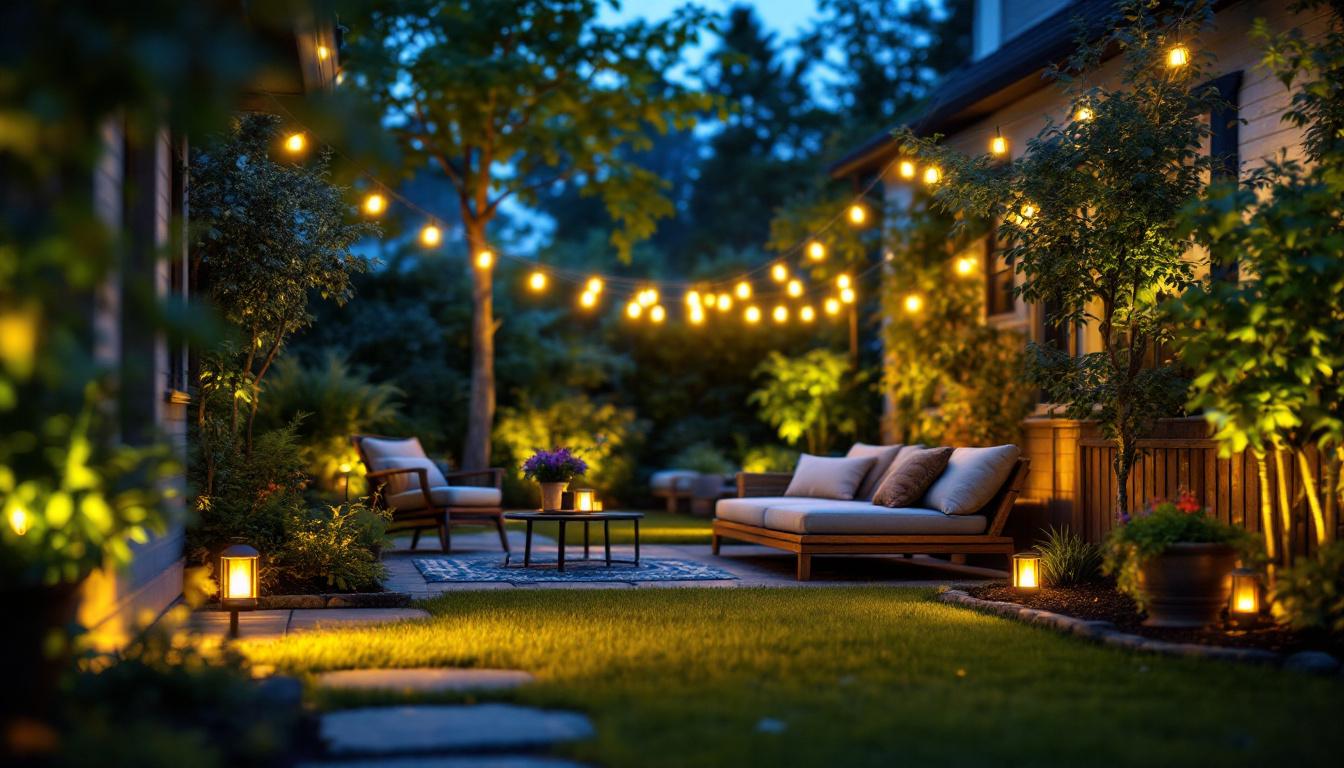
In a recent upscale residential project, LED puck lights were strategically installed along garden pathways, under steps, and within retaining walls. The warm white color temperature created an inviting atmosphere, while the IP67-rated fixtures ensured reliable performance through seasonal weather changes.
The contractor utilized recessed mounting to maintain a sleek aesthetic and integrated a smart control system allowing the homeowner to adjust lighting scenes remotely. This project demonstrated how careful product selection and installation techniques enhance both safety and beauty.
Commercial Outdoor Seating Area
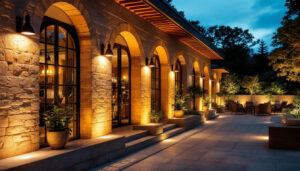
A restaurant expanded its outdoor seating with ambient lighting using cool white LED puck lights embedded in wooden pergolas and planter boxes. The fixtures’ high CRI ensured that food and decor colors appeared vibrant, enhancing the dining experience.
The contractor addressed electrical challenges by installing weatherproof junction boxes and using low-voltage transformers to minimize energy consumption. The result was a durable, visually striking lighting design that supported extended business hours and customer comfort.
Conclusion: Mastering Outdoor LED Puck Lights for Contractor Success
For lighting contractors, outdoor LED puck lights represent a versatile and efficient solution that meets the demands of modern outdoor lighting projects. By understanding the technical specifications, installation best practices, and maintenance requirements, contractors can deliver superior results that satisfy client expectations and withstand environmental challenges.
Staying informed about advancements in LED technology, control systems, and material innovations empowers contractors to offer cutting-edge solutions. Ultimately, expertise in outdoor LED puck lighting enhances project quality, operational efficiency, and professional reputation in a competitive marketplace.
Illuminate Your Projects with LumenWholesale
Ready to elevate your outdoor lighting projects with the efficiency and elegance of LED puck lights? Look no further than LumenWholesale for all your lighting needs. Our extensive selection of spec-grade lighting products is designed to meet the highest industry standards, ensuring you deliver exceptional results every time. Say goodbye to inflated markups and hello to unbeatable wholesale prices, free shipping, and the convenience of bulk buying. Don’t compromise on quality or value—choose LumenWholesale and make your next project shine. Discover our premium lighting solutions and take advantage of the best value in wholesale lighting by visiting Wholesale Lighting at the Best Value today.