Introduction to LED Arena Lighting
In the evolving landscape of sports and entertainment venues, LED arena lighting has emerged as a transformative technology. Lighting contractors play a pivotal role in designing, installing, and maintaining these systems to meet the demanding requirements of arenas. Unlike traditional lighting technologies, LED solutions offer superior energy efficiency, enhanced control capabilities, and improved visual quality, making them the preferred choice for modern arenas.
Understanding the nuances of LED arena lighting is essential for contractors aiming to deliver optimal performance, compliance, and client satisfaction. This guide delves into the technical, practical, and strategic aspects of LED arena lighting, providing contractors with a comprehensive resource to navigate this specialized field.
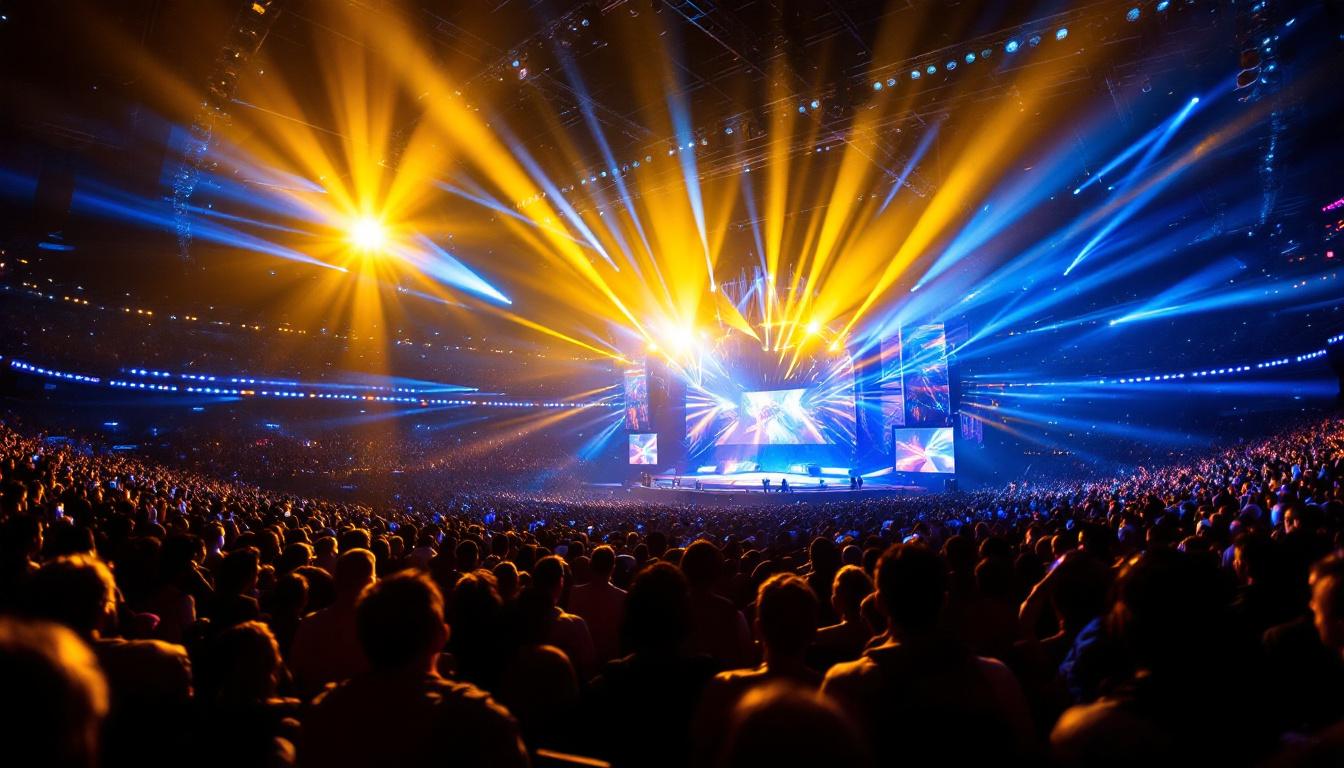
One of the most significant advantages of LED arena lighting is its ability to produce a wide spectrum of colors and effects, which can be tailored to enhance the atmosphere of any event. Whether it’s a high-stakes basketball game, a concert featuring a dynamic light show, or a community event, the versatility of LED lighting allows for creative expressions that can captivate audiences. Furthermore, the integration of smart lighting systems enables real-time adjustments, allowing for seamless transitions between different lighting scenarios, thereby enhancing the overall experience for both performers and spectators.
Moreover, the longevity and durability of LED fixtures contribute to reduced maintenance costs and downtime, making them an economically viable option for arena operators. Unlike traditional bulbs that may require frequent replacements, LED lights can last up to 25 times longer, significantly lowering the frequency of maintenance interventions. This reliability is particularly crucial in large venues where access to lighting systems can be challenging and costly. Additionally, the reduced heat output of LED lights minimizes the risk of overheating, further extending the lifespan of the fixtures and ensuring a safer environment for all users.
Key Advantages of LED Lighting in Arenas
Energy Efficiency and Cost Savings
One of the most compelling benefits of LED lighting is its significant reduction in energy consumption compared to traditional metal halide or high-pressure sodium lamps. LEDs can use up to 60-70% less energy, which translates into substantial cost savings for arena operators. For contractors, this means that specifying LED systems can be a strong selling point when discussing operational budgets with clients.
Moreover, the longer lifespan of LEDs—often exceeding 50,000 hours—reduces maintenance frequency and costs. This is particularly advantageous in arenas where lighting fixtures are installed at great heights, making maintenance both costly and logistically challenging. The durability of LEDs also means they are less prone to breakage, which is a critical factor in high-traffic venues where accidental damage can occur. As a result, arena operators can allocate their resources more efficiently, focusing on enhancing the overall guest experience rather than dealing with frequent lighting replacements.
Superior Light Quality and Flexibility
LEDs provide excellent color rendering and uniformity, which are critical for arenas hosting diverse events, from sports to concerts. Enhanced color rendering index (CRI) values ensure that colors appear vibrant and natural, improving the experience for spectators and broadcast quality for television audiences. This high-quality lighting not only elevates the visual appeal of events but also plays a vital role in player performance and safety, as athletes can better perceive their surroundings under optimal lighting conditions.
Additionally, LED systems offer dynamic control options, including dimming, color tuning, and zoning. This flexibility allows arenas to tailor lighting to specific event requirements, creating immersive atmospheres and optimizing energy use during different scenarios. For instance, during a concert, the ability to create dramatic lighting effects can enhance the overall performance, while during a sporting event, bright and consistent lighting ensures that every detail is captured for both live audiences and television viewers. The adaptability of LED systems also means that arenas can easily switch between different lighting setups, accommodating everything from community events to high-profile tournaments without the need for extensive reconfiguration.
Technical Considerations for LED Arena Lighting
Understanding Photometric Requirements
Accurate photometric planning is fundamental in arena lighting projects. Contractors must ensure that illumination levels meet the standards set by governing bodies such as the Illuminating Engineering Society (IES) and sports federations. For example, basketball arenas typically require an average horizontal illuminance of 500 to 750 lux, while ice hockey arenas may demand even higher levels due to reflective surfaces. Additionally, different sports may have unique lighting requirements; for instance, volleyball courts often benefit from enhanced vertical illuminance to better illuminate players and the ball, which can be critical for both performance and spectator enjoyment.
Uniformity ratios and glare control are also critical. Poor uniformity can cause distracting shadows, while excessive glare can impair athletes’ performance and spectator comfort. Utilizing photometric software and collaborating with lighting designers can help contractors achieve optimal lighting layouts. Moreover, it is essential to consider the color temperature of the lighting; cooler color temperatures (around 4000K to 5000K) are often preferred in sports arenas as they enhance visibility and improve the overall atmosphere, making the environment more engaging for both players and fans alike.
Thermal Management and Fixture Durability
LED fixtures generate heat that must be effectively dissipated to maintain performance and longevity. Contractors should specify fixtures with robust thermal management systems, including heat sinks and active cooling if necessary. This is especially important in arenas where fixtures operate for extended periods under high loads. Furthermore, the choice of materials in the construction of these fixtures can significantly impact thermal performance; using aluminum or other heat-conductive materials can enhance heat dissipation, thereby prolonging the life of the LEDs and maintaining consistent light output.
Durability is another factor, as arena lighting equipment must withstand vibrations, dust, and sometimes moisture. Selecting fixtures with appropriate ingress protection (IP) ratings and mechanical robustness ensures reliability and reduces downtime. In addition, considering the potential for extreme temperature fluctuations in certain regions, fixtures should be tested for performance in various environmental conditions. This attention to durability not only safeguards the investment but also ensures that the lighting system remains functional and effective throughout its intended lifespan, providing a consistently high-quality experience for both athletes and spectators.
Installation Best Practices for LED Arena Lighting
Site Assessment and Planning
Before installation, a thorough site assessment is essential. Contractors should evaluate existing infrastructure, mounting points, electrical capacity, and potential obstructions. This groundwork facilitates accurate fixture placement and wiring design, minimizing surprises during installation.
Coordination with arena management and other contractors (e.g., audio-visual, structural) ensures that lighting installation integrates seamlessly with other systems and venue operations.
Electrical and Control System Integration
LED arena lighting often involves complex control systems, including DMX, DALI, or proprietary protocols. Contractors must be proficient in integrating these controls to enable features such as scene setting, automated dimming, and remote monitoring.
Proper wiring, grounding, and surge protection are critical to safeguard sensitive LED drivers and control electronics. Additionally, incorporating energy management systems can provide arenas with real-time data to optimize usage and maintenance schedules.
Safety and Compliance
Given the scale and height of arena lighting installations, safety protocols are paramount. Contractors should adhere to OSHA standards and local regulations regarding working at heights, electrical safety, and equipment handling.
Compliance with lighting standards, including flicker limits and electromagnetic compatibility (EMC), ensures that installations meet regulatory requirements and provide a comfortable environment for occupants.
Maintenance and Troubleshooting of LED Arena Lighting
Routine Inspection and Cleaning
Despite their longevity, LED fixtures require periodic inspection and cleaning to maintain optimal performance. Dust accumulation can reduce light output and cause thermal buildup, potentially shortening fixture life.
Contractors should establish maintenance schedules that include visual inspections, cleaning of lenses and heat sinks, and verification of control system functionality. Using specialized lifts or drones can facilitate safe access to high fixtures.
Diagnosing Common Issues
Common problems in LED arena lighting include flickering, dimming inconsistencies, and complete fixture failures. Flickering may indicate driver issues, loose connections, or incompatible dimmers. Dimming irregularities often stem from control system misconfigurations or wiring faults.
Systematic troubleshooting involves checking electrical connections, verifying control signals, and replacing faulty components. Maintaining detailed records of installations and repairs helps contractors quickly identify recurring issues and improve future projects.
Emerging Trends and Innovations in LED Arena Lighting
Smart Lighting and IoT Integration
The integration of Internet of Things (IoT) technology into LED arena lighting is revolutionizing how venues manage illumination. Smart lighting systems enable real-time monitoring, predictive maintenance, and adaptive lighting strategies that respond to occupancy and event type.
For contractors, familiarity with IoT-enabled fixtures and platforms is becoming increasingly important. These systems offer opportunities to provide value-added services such as remote diagnostics and energy analytics.
Human-Centric and Tunable Lighting
Human-centric lighting (HCL) focuses on adjusting light spectrum and intensity to support circadian rhythms and enhance occupant well-being. In arenas, tunable white LEDs can adjust color temperature to create different moods or improve athlete alertness during events.
Contractors should consider specifying fixtures capable of tunable lighting to future-proof installations and meet evolving client demands for versatile lighting environments.
Conclusion: Delivering Excellence in LED Arena Lighting
LED arena lighting represents a sophisticated intersection of technology, design, and operational efficiency. Lighting contractors who master the technical requirements, installation best practices, and emerging trends will be well-positioned to deliver superior solutions that satisfy venue owners and end-users alike.
By prioritizing energy efficiency, light quality, system integration, and maintenance, contractors can ensure that arenas provide safe, vibrant, and adaptable lighting environments that enhance both live and broadcast experiences. Staying informed about innovations and maintaining rigorous standards will continue to drive success in this dynamic sector.
Illuminate Your Projects with LumenWholesale
Ready to elevate your LED arena lighting projects to new heights? At LumenWholesale, we provide lighting contractors with the highest quality, spec-grade lighting products at prices that can’t be beaten. Say goodbye to middleman markups and hello to a vast selection of reliable, high-performance lighting that meets the most rigorous industry standards. With the convenience of free shipping on bulk orders, you can trust that you’re getting premium lighting at the best value — no hidden fees, no compromises. Enhance your next project with the perfect blend of quality, affordability, and convenience. Wholesale Lighting at the Best Value is just a click away.