Introduction to Recessed Lighting in Residential Spaces
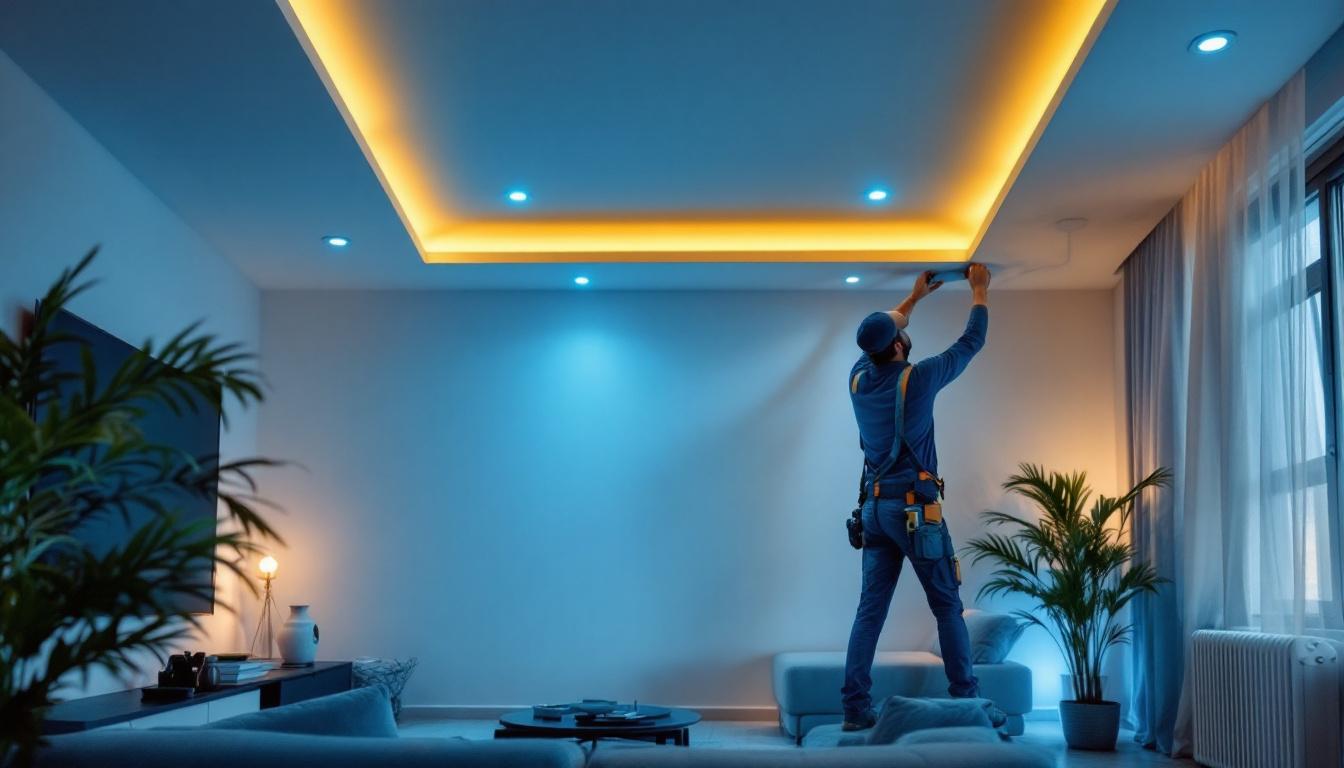
Recessed lighting has become a cornerstone in modern residential lighting design, offering a sleek, unobtrusive way to illuminate spaces. For lighting contractors, understanding the evolving trends in housing recessed lighting is essential to meet client expectations and stay competitive in the market. This article explores the latest developments, technologies, and design preferences shaping the recessed lighting landscape in homes today.
As homeowners increasingly seek lighting solutions that combine functionality, aesthetics, and energy efficiency, recessed lighting continues to adapt. From smart controls to innovative fixture designs, contractors must be well-versed in these trends to provide expert guidance and superior installation services.
One of the most significant advancements in recessed lighting is the integration of smart technology. Homeowners now have the ability to control their lighting systems remotely through smartphone applications or voice-activated devices, allowing for personalized ambiance settings that can be adjusted based on mood or occasion. This trend not only enhances convenience but also promotes energy conservation, as homeowners can easily schedule lighting to turn off when not in use. Moreover, the introduction of tunable white LED lights allows users to adjust the color temperature of their recessed fixtures, creating a dynamic environment that can shift from warm, cozy tones to cooler, more energizing hues, depending on the time of day or activity.
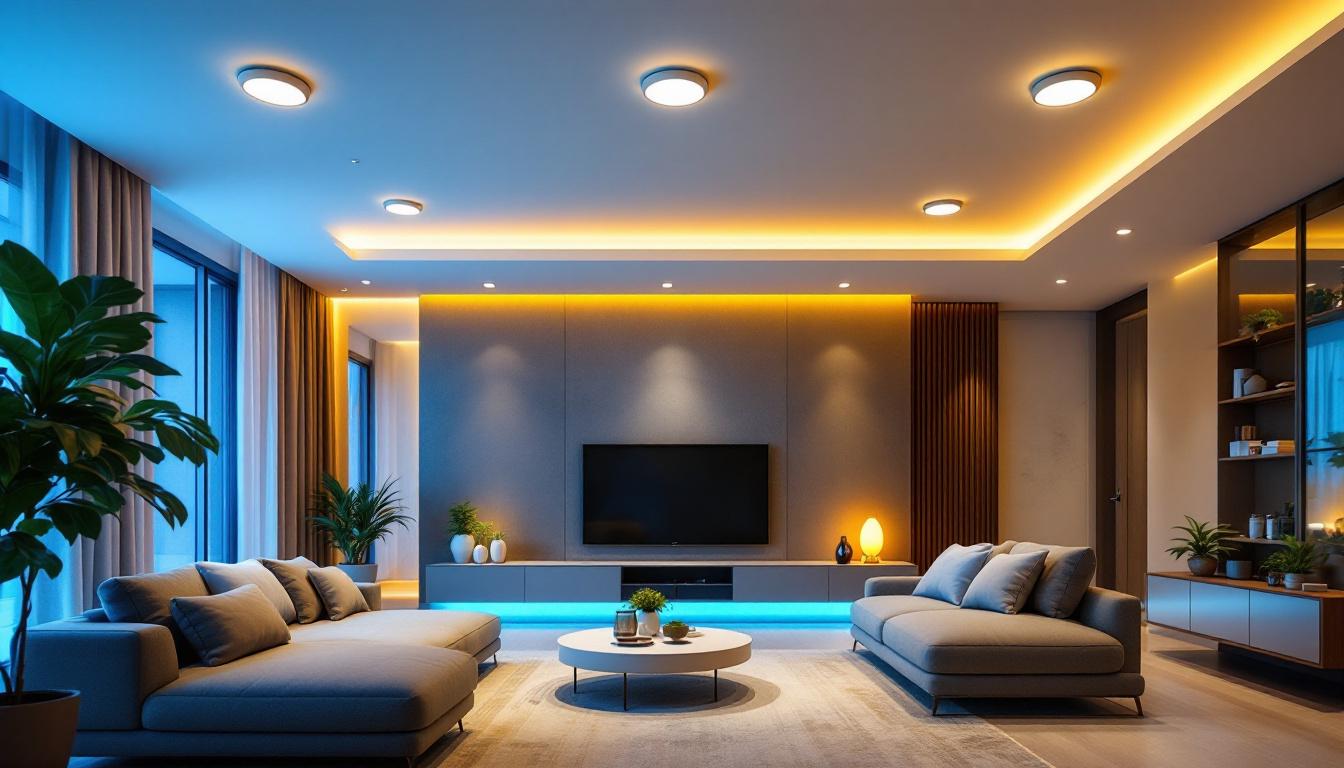
In addition to technological advancements, aesthetic preferences have also evolved, with a growing emphasis on minimalism and clean lines. Homeowners are gravitating towards recessed fixtures that blend seamlessly with their ceilings, often opting for low-profile designs that create a streamlined look. This trend is particularly evident in open-concept living spaces, where the goal is to maintain an airy and spacious feel. Furthermore, the use of adjustable or directional recessed lights allows for greater versatility in highlighting architectural features or artwork, enhancing the overall design while providing functional illumination. As these design preferences continue to shape the market, contractors must stay informed about the latest styles and installation techniques to meet the diverse needs of their clients.
Energy Efficiency and Sustainability: The Driving Forces Behind Modern Recessed Lighting
LED Integration and Its Impact
The transition from traditional incandescent and halogen bulbs to LED technology has revolutionized recessed lighting. LEDs offer significant energy savings—using up to 75% less energy than incandescent bulbs—and boast a longer lifespan, reducing maintenance costs for homeowners. This shift not only benefits individual households but also contributes to broader environmental goals by lowering overall energy consumption and reducing carbon footprints.
Lighting contractors should emphasize LED retrofitting options for existing recessed fixtures and advocate for new installations that incorporate LED modules. This not only aligns with growing environmental concerns but also addresses clients’ desires for cost-effective lighting solutions. Furthermore, the versatility of LED lighting allows for a range of color temperatures and dimming capabilities, enabling homeowners to create the perfect ambiance for any occasion. As smart home technology continues to evolve, integrating LED recessed lighting with smart controls can enhance convenience and efficiency, allowing users to adjust lighting remotely or set schedules that optimize energy use.
Certifications and Energy Codes
Compliance with energy codes such as those outlined by the International Energy Conservation Code (IECC) and ENERGY STAR certification is increasingly important. Many regions now require recessed lighting fixtures to meet airtightness standards to prevent energy loss through ceiling penetrations. These regulations not only ensure that homes remain energy-efficient but also help in maintaining indoor air quality, as they minimize the infiltration of unconditioned air.
Contractors must be familiar with these regulations and recommend airtight, IC-rated (insulation contact) recessed housings. These fixtures prevent heat transfer and improve overall home energy efficiency, which is a strong selling point for environmentally conscious consumers. Additionally, educating clients about the benefits of these certifications can enhance their understanding of the long-term financial savings associated with energy-efficient lighting. By highlighting the importance of selecting certified products, contractors can position themselves as knowledgeable advocates for sustainable building practices, fostering trust and loyalty among their clientele.
Smart Lighting Integration: Enhancing Control and Convenience
Smart Home Compatibility
The rise of smart home technology has influenced recessed lighting design and installation. Homeowners expect seamless integration with voice assistants and smartphone apps, allowing them to control lighting intensity, color temperature, and scheduling remotely.
Lighting contractors should stay updated on the latest smart lighting platforms and compatible recessed fixtures. Offering solutions that support popular ecosystems like Amazon Alexa, Google Home, and Apple HomeKit can differentiate a contractor’s services and add value for clients. Moreover, the ability to create customized lighting scenes—such as a “movie night” setting that dims lights and adjusts color tones—can significantly enhance the user experience. This not only makes the home more enjoyable but also promotes energy efficiency by allowing users to optimize their lighting based on their activities and preferences.
Adaptive Lighting and Tunable White LEDs
Adaptive lighting systems that adjust brightness and color temperature based on time of day or user preference are gaining traction. Tunable white LEDs allow homeowners to shift from warm, cozy lighting in the evening to bright, daylight-mimicking light during the day, enhancing comfort and well-being.
Contractors can educate clients on the benefits of tunable white technology, particularly in living rooms, kitchens, and home offices, where lighting needs vary throughout the day. Additionally, studies have shown that exposure to natural light during the day can improve mood and productivity, making this technology particularly appealing for those working from home. By incorporating sensors that detect ambient light levels, these systems can automatically adjust to ensure optimal illumination without manual intervention, further enhancing convenience and energy savings. This level of sophistication not only meets the evolving demands of modern homeowners but also positions contractors as experts in the cutting-edge field of smart lighting solutions.
Design Trends: Balancing Aesthetics and Functionality
Minimalist and Flush-Mount Fixtures
Modern residential design favors clean lines and minimal visual clutter. Recessed lighting fixtures with ultra-thin trims and flush-mount designs are increasingly popular, as they blend seamlessly with ceilings and complement contemporary interiors.
Contractors should be prepared to recommend fixtures that maintain a low profile without sacrificing light output. Matte finishes and color-matched trims that coordinate with ceiling paint or textures are also in demand.
Directional and Adjustable Fixtures
Homeowners are looking for versatility in their recessed lighting. Adjustable or gimbal-style fixtures allow for directional lighting to highlight artwork, architectural features, or specific areas within a room.
Providing options for adjustable recessed cans enables contractors to offer tailored lighting solutions that enhance the overall ambiance and functionality of living spaces.
Integration with Other Lighting Types
Recessed lighting is rarely the sole source of illumination in a home. Layering lighting with pendants, sconces, and under-cabinet lights creates depth and interest. Contractors should advise clients on how recessed lighting can complement other fixtures to achieve balanced, multi-dimensional lighting schemes.
Installation Best Practices and Technical Considerations
IC-Rated vs. Non-IC-Rated Housings
Understanding the distinction between IC-rated and non-IC-rated recessed housings is critical. IC-rated housings are designed for direct contact with insulation, preventing fire hazards and ensuring code compliance. Non-IC-rated housings require clearance from insulation, which can complicate installation in tightly insulated ceilings.
Contractors should assess the ceiling construction and insulation type before selecting housings to avoid costly rework and ensure safety.
Proper Spacing and Layout Planning
Effective recessed lighting design involves strategic placement to avoid uneven lighting and shadows. A common guideline is to space fixtures approximately 4 to 6 feet apart, but this varies depending on ceiling height, fixture type, and room function.
Lighting contractors should collaborate closely with designers or homeowners during the planning phase to create layouts that provide uniform illumination and meet the specific needs of each room.
Heat Management and Ventilation
Although LED fixtures generate less heat than traditional bulbs, proper heat dissipation remains important to prolong fixture life and maintain safety. Contractors must ensure housings have adequate ventilation and that fixtures are installed according to manufacturer specifications.
Emerging Materials and Technologies in Recessed Lighting
Advanced Optics for Improved Light Quality
Recent advancements in lens and reflector technology have enhanced the quality and distribution of light from recessed fixtures. Improved optics reduce glare and create more uniform light patterns, which is especially beneficial in residential environments where comfort is paramount.
Contractors should familiarize themselves with these technologies to recommend fixtures that deliver superior visual comfort.
Wireless and Battery-Powered Options
Wireless recessed lighting fixtures powered by batteries or low-voltage systems are becoming more common, particularly in retrofit projects where running new wiring is challenging. These options offer flexibility and reduce installation time.
While not suitable for all applications, contractors should consider these alternatives when working in historic homes or spaces with limited access to electrical infrastructure.
Conclusion: Staying Ahead in the Recessed Lighting Market
For lighting contractors, mastering the latest trends in housing recessed lighting is crucial to delivering exceptional service and maintaining a competitive edge. Embracing energy-efficient LEDs, smart home integration, and contemporary design preferences enables contractors to meet the evolving demands of residential clients.
By combining technical expertise with a keen understanding of aesthetic and functional trends, lighting professionals can guide homeowners through the selection and installation process, ensuring that recessed lighting enhances both the beauty and utility of their living spaces.
Continuing education, staying informed about emerging technologies, and adhering to best installation practices will empower contractors to excel in this dynamic segment of the residential lighting market.
Get the Best in Recessed Lighting with LumenWholesale
Ready to elevate your lighting projects with the latest trends in recessed lighting? Look no further than LumenWholesale for a superior selection of spec-grade lighting products at unbeatable wholesale prices. Our commitment to quality and affordability means you can provide your clients with the high-performance, energy-efficient lighting solutions they demand, without the inflated markups. Plus, with free shipping on bulk orders, you can stock up on the best lighting options with ease. Don’t compromise on quality or value—choose LumenWholesale for all your lighting needs. Discover our extensive range and take advantage of the best value in wholesale lighting by visiting Wholesale Lighting at the Best Value today.