Understanding the Growing Demand for LED Outdoor Security Lighting
As urban environments expand and security concerns rise, the demand for effective outdoor security lighting has surged. LED technology has become the preferred choice for lighting contractors due to its energy efficiency, durability, and superior illumination capabilities. However, despite its advantages, the installation and maintenance of LED outdoor security lights present unique challenges that contractors must navigate to deliver optimal results.
Lighting contractors play a pivotal role in ensuring that LED security lighting systems not only meet safety standards but also satisfy client expectations for performance and cost-effectiveness. Understanding the nuances of LED technology and the particular demands of outdoor environments is essential for overcoming obstacles and achieving successful project outcomes. The versatility of LED lights allows for various applications, from illuminating pathways and parking lots to enhancing the security of residential properties. This adaptability is particularly beneficial in urban settings, where lighting needs can vary significantly based on the area’s layout and the specific security threats present.
Moreover, advancements in smart lighting technology have further transformed the landscape of outdoor security lighting. Many LED systems now come equipped with motion sensors, timers, and even integration with smart home systems, allowing for real-time monitoring and control. This not only enhances security but also provides users with the ability to customize their lighting preferences based on their specific needs. For contractors, staying informed about these technological advancements is crucial, as it enables them to offer clients cutting-edge solutions that maximize both safety and convenience. Additionally, the environmental benefits of LED lighting, such as reduced carbon footprints and lower energy consumption, align with the growing trend towards sustainability, making it an appealing option for eco-conscious consumers.
Key Challenges Lighting Contractors Face with LED Outdoor Security Lights
1. Selecting the Right LED Fixtures for Diverse Environments
One of the foremost challenges is choosing LED fixtures that are appropriate for varying outdoor conditions. Factors such as weather exposure, ambient light levels, and the specific security needs of a site influence fixture selection. For instance, a parking lot may require high-intensity floodlights with wide coverage, while a residential pathway might benefit from lower-intensity, motion-activated fixtures.
Lighting contractors must balance brightness, beam angle, color temperature, and fixture durability. Selecting fixtures with appropriate Ingress Protection (IP) ratings is critical to ensure resistance against dust, moisture, and extreme temperatures. Failure to match fixtures to environmental conditions can lead to premature failure, increased maintenance costs, and dissatisfied clients. Additionally, the aesthetic appeal of the fixtures should not be overlooked; they must blend seamlessly with the architecture of the surrounding environment while still fulfilling their primary function of security. This often requires contractors to stay updated on the latest design trends and technological advancements in LED lighting to provide clients with innovative solutions that are both functional and visually appealing.
2. Navigating Installation Complexities and Electrical Considerations
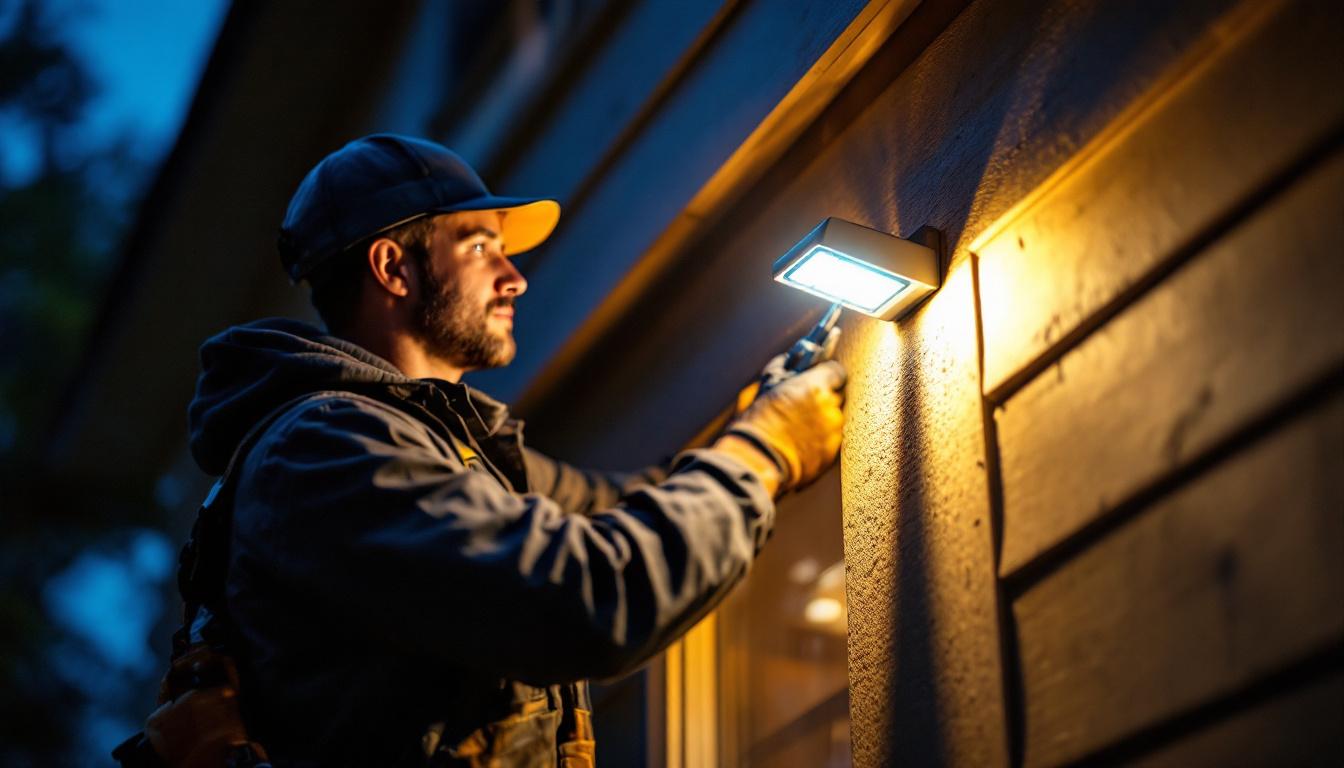
Installing LED outdoor security lighting involves more than simply mounting fixtures. Contractors often encounter challenges related to electrical infrastructure, such as outdated wiring, insufficient power supply, or the need for integration with existing security systems. Ensuring compliance with local electrical codes and safety regulations adds another layer of complexity.
Moreover, LED fixtures sometimes require specific drivers or transformers, and improper installation can lead to flickering, reduced lifespan, or electrical hazards. Lighting contractors must be adept at assessing site conditions, planning electrical layouts, and executing installations that optimize performance and safety. Additionally, the location of fixtures is crucial; contractors must consider factors such as light pollution and glare, which can affect not only the immediate area but also neighboring properties. By conducting thorough site assessments and involving clients in the planning process, contractors can ensure that the final installation meets both safety standards and the specific needs of the environment.
3. Addressing Client Expectations and Budget Constraints
Clients increasingly expect energy-efficient, low-maintenance lighting solutions that provide robust security without exorbitant upfront costs. Balancing these expectations with the realities of material costs, labor, and long-term maintenance can be challenging. Some clients may prioritize initial cost savings over quality, leading to potential compromises in fixture selection or installation quality.
Lighting contractors must educate clients on the total cost of ownership, emphasizing the long-term savings and reliability that quality LED systems offer. Transparent communication and detailed proposals can help align client expectations with practical solutions. Furthermore, contractors should be prepared to offer a range of options that cater to different budget levels, showcasing the benefits of investing in higher-quality systems. By providing case studies or testimonials from previous projects, contractors can build trust and demonstrate the value of their recommendations, ultimately guiding clients toward informed decisions that enhance security while remaining within financial constraints.
Strategies to Overcome LED Outdoor Security Lighting Challenges
Comprehensive Site Assessments and Customized Lighting Designs
Thorough site evaluations are the foundation of successful LED outdoor security lighting projects. Contractors should conduct detailed assessments that consider environmental factors, security objectives, and existing infrastructure. Utilizing lighting design software and photometric analysis can help in creating customized lighting plans that optimize coverage and minimize light pollution.
By tailoring designs to the specific needs of each site, contractors can ensure effective illumination, reduce energy consumption, and enhance security outcomes. This approach also allows for better anticipation of installation challenges and more accurate budgeting.
Investing in Quality Products and Trusted Suppliers
Partnering with reputable manufacturers and suppliers is crucial. High-quality LED fixtures with proven track records offer better reliability, warranty support, and performance consistency. Contractors should prioritize products with certifications such as UL listing, DLC qualification, and compliance with relevant safety standards.
Additionally, sourcing components from trusted suppliers reduces the risk of counterfeit or substandard products, which can undermine project success and damage contractor reputation.
Enhancing Technical Expertise and Ongoing Training
Given the rapid evolution of LED technology and lighting controls, continuous education is vital. Lighting contractors should invest in training programs that cover the latest advancements in LED fixtures, drivers, control systems, and installation techniques.
Technical proficiency enables contractors to troubleshoot issues effectively, adapt to new technologies, and provide clients with informed recommendations. Certifications from recognized industry organizations can also enhance credibility and marketability.
Implementing Smart Controls and Integration Solutions
Incorporating smart lighting controls such as motion sensors, dimmers, and remote monitoring systems can significantly improve the functionality and energy efficiency of outdoor security lighting. Lighting contractors should familiarize themselves with these technologies and their integration with security systems like cameras and alarms.
Smart controls not only enhance security by enabling adaptive lighting but also provide clients with data-driven insights for maintenance and energy management. This adds value to the service offering and helps differentiate contractors in a competitive market.
Best Practices for Installation and Maintenance
Ensuring Proper Fixture Placement and Orientation
Correct placement and aiming of LED fixtures are critical to maximize coverage and minimize glare or light trespass. Contractors should follow industry guidelines and leverage photometric data to position lights effectively.
Consideration of mounting height, angle, and spacing helps achieve uniform illumination and avoids creating shadows or dark spots that could compromise security.
Adhering to Electrical Safety and Code Compliance
Strict adherence to electrical codes and safety standards protects both installers and end-users. Contractors must verify that all wiring, grounding, and circuit protection measures meet regulatory requirements.
Regular inspections during and after installation can identify potential hazards early, preventing costly repairs and liability issues.
Establishing Routine Maintenance Protocols
Although LED fixtures require less maintenance than traditional lighting, periodic inspections and cleaning are essential to sustain performance. Contractors should provide clients with maintenance schedules that include checking for fixture damage, cleaning lenses, and verifying electrical connections.
Proactive maintenance extends fixture lifespan and ensures consistent security lighting, which is critical for client satisfaction.
Leveraging Technology and Industry Trends for Competitive Advantage
Adopting Energy Management Systems
Energy management systems (EMS) enable real-time monitoring and control of outdoor lighting, facilitating energy savings and predictive maintenance. Lighting contractors who integrate EMS into their projects can offer clients enhanced operational efficiency and cost control.
These systems often include analytics dashboards that help identify usage patterns and potential issues, empowering clients to make informed decisions about their lighting infrastructure.
Exploring Renewable Energy Integration
With growing emphasis on sustainability, integrating solar-powered LED security lights is an attractive option for many clients. Lighting contractors should evaluate the feasibility of renewable energy solutions based on site conditions and client goals.
Solar LED fixtures reduce dependence on grid power, lower operating costs, and contribute to environmental responsibility, positioning contractors as forward-thinking professionals.
Staying Informed on Regulatory Changes and Incentives
Regulations regarding outdoor lighting, energy efficiency, and dark-sky compliance are continually evolving. Lighting contractors must stay abreast of local and national codes to ensure project compliance and to advise clients accurately.
Additionally, awareness of government incentives, rebates, and tax credits for energy-efficient lighting can help contractors present cost-effective solutions that maximize client benefits.
Conclusion: Empowering Lighting Contractors to Excel with LED Outdoor Security Lighting
LED outdoor security lighting represents a dynamic and rewarding segment for lighting contractors, offering opportunities to deliver enhanced safety, energy savings, and client satisfaction. By understanding and addressing the inherent challenges—ranging from product selection and installation complexities to client communication and maintenance—contractors can position themselves as trusted experts in the field.
Embracing technological advancements, investing in ongoing education, and adopting best practices are essential strategies for overcoming obstacles and achieving excellence. Ultimately, lighting contractors who master these elements will not only meet the growing demand for LED outdoor security lighting but also build lasting client relationships and sustainable business success.
Get Your Premium LED Outdoor Security Lighting from LumenWholesale
Ready to elevate your lighting projects with the best LED outdoor security solutions? Look no further than LumenWholesale for all your lighting needs. Our spec-grade lighting products are designed to meet the highest industry standards, ensuring you deliver enhanced safety and satisfaction to your clients. With unbeatable wholesale prices and the convenience of free shipping on bulk orders, we provide the value and quality you need to succeed. Don’t let inflated markups affect your business—choose LumenWholesale for the perfect blend of quality, affordability, and convenience. Wholesale Lighting at the Best Value is just a click away.