Understanding Ballasts and Their Role in Lighting Systems
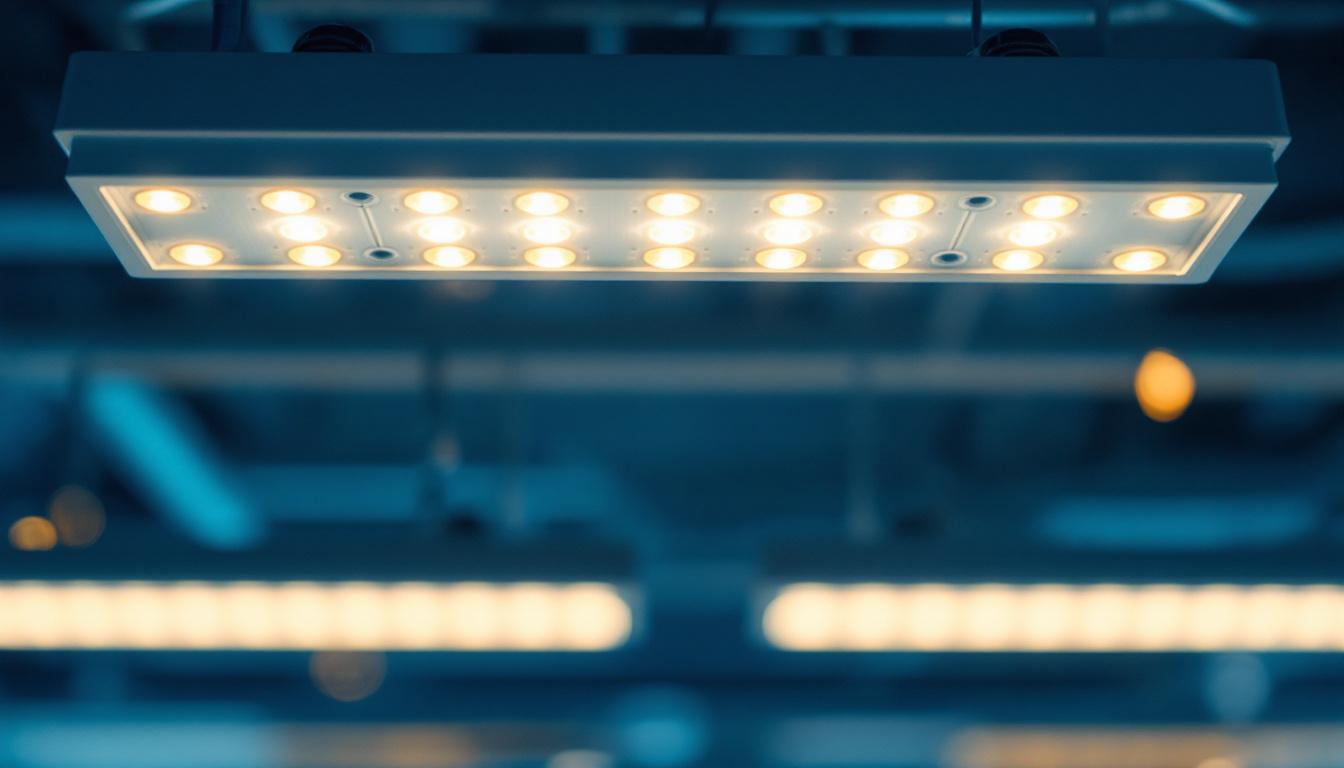
In traditional fluorescent lighting systems, ballasts play a crucial role in regulating the current to the lamps and providing the necessary voltage to start them. These components ensure that the lamp receives a steady and controlled electrical flow, preventing damage and maintaining optimal performance. However, with the increasing adoption of LED lighting, the necessity of ballasts has come into question, especially regarding energy efficiency and system compatibility.
Ballasts come in two main types: magnetic and electronic. Magnetic ballasts are older technology, heavier, and less efficient, often producing a noticeable hum and generating excess heat. Electronic ballasts, on the other hand, are lighter, more efficient, and operate silently. Despite these improvements, both types are designed specifically for fluorescent lamps, and their presence can affect the performance of LED retrofit lamps.
Understanding the intricacies of ballasts is essential for anyone involved in lighting design or maintenance. For instance, magnetic ballasts utilize an inductor to regulate the current, which can lead to flickering and inconsistent light output, particularly as the lamps age. This flickering not only affects the ambiance of a space but can also lead to eye strain for occupants. In contrast, electronic ballasts employ advanced circuitry to provide a more stable light output, often incorporating features such as dimming capabilities and compatibility with smart lighting systems, which can further enhance energy savings and user experience.
Moreover, the transition to LED technology has sparked a significant shift in how we approach lighting systems. While some LED lamps are designed to work directly with existing ballasts, others are intended for direct wiring, bypassing the ballast altogether. This shift not only simplifies installation but also enhances energy efficiency, as LED technology inherently consumes less power than traditional fluorescent lamps. However, it is vital to ensure compatibility between the LED lamps and the existing electrical infrastructure to avoid potential issues such as flickering or reduced lifespan of the new lighting solutions.
Why Consider Bypassing the Ballast for LED Lights?
LED retrofit lamps are designed to replace fluorescent tubes in existing fixtures, offering improved energy efficiency, longer lifespan, and reduced maintenance costs. Many LED tubes are compatible with existing ballasts, allowing for a straightforward replacement without rewiring. However, this compatibility comes with trade-offs.
Bypassing the ballast, also known as direct wiring or ballast bypass, involves removing or disabling the ballast and connecting the LED tubes directly to the line voltage. This approach eliminates ballast-related energy losses and potential points of failure, often resulting in higher energy savings and improved reliability.
For lighting contractors, understanding when and how to bypass ballasts is critical. It impacts installation complexity, safety, warranty considerations, and overall system performance. The decision to bypass should be based on a thorough assessment of the existing infrastructure, the type of LED tubes used, and the client’s energy efficiency goals.
One of the significant advantages of bypassing the ballast is the reduction in the overall system’s energy consumption. Traditional ballasts can consume a considerable amount of energy, contributing to higher electricity bills. By removing this component, the entire lighting system can operate more efficiently, leading to substantial cost savings over time. Additionally, LED lights themselves are designed to use less power than their fluorescent counterparts, further enhancing energy efficiency. This is particularly beneficial for commercial spaces where lighting accounts for a significant portion of energy expenditure.
Moreover, bypassing the ballast can enhance the lifespan of the LED tubes. Ballasts can sometimes fail, leading to flickering lights or complete outages, which can be frustrating and disruptive. By connecting the LED tubes directly to the power source, the risk of ballast failure is eliminated, resulting in a more reliable lighting solution. This reliability is especially crucial in environments where consistent lighting is necessary for safety and productivity, such as in warehouses, offices, and retail spaces. Ultimately, the decision to bypass the ballast not only improves energy efficiency but also contributes to a more sustainable and dependable lighting system.
Energy Efficiency Implications of Bypassing Ballasts
Reducing Energy Losses
Ballasts consume energy themselves, even when the lamps are off, known as ballast losses or phantom loads. Electronic ballasts typically consume between 2 to 5 watts per ballast, while magnetic ballasts can consume even more. When multiplied across multiple fixtures, these losses become significant.
By bypassing the ballast, these parasitic energy draws are eliminated, directly reducing the overall energy consumption of the lighting system. For example, in a facility with 100 fluorescent fixtures, each with a 4-watt ballast loss, bypassing the ballasts could save approximately 400 watts continuously, translating to substantial annual energy savings. This reduction not only lowers electricity bills but also decreases the carbon footprint associated with energy production, contributing to a more sustainable environment.
In addition to the financial and environmental benefits, the elimination of ballast losses can enhance the overall performance of the lighting system. Facilities can reallocate the savings towards other energy-efficient upgrades or improvements, creating a ripple effect of efficiency throughout the building. As energy costs continue to rise, the importance of such measures becomes increasingly critical for businesses aiming to maintain operational budgets while promoting sustainability.
Improved System Efficiency
LED tubes designed for direct wiring often have optimized drivers that better regulate power consumption and improve lumen output per watt. Without the ballast, the LED system operates more efficiently, delivering consistent light levels without the variability sometimes introduced by ballast degradation or incompatibility.
Moreover, ballast bypass reduces the risk of flickering, buzzing, or premature LED failure caused by ballast incompatibility or malfunction. This reliability improvement indirectly supports energy efficiency by minimizing maintenance visits and lamp replacements. Facilities can enjoy longer-lasting lighting solutions, which not only enhances the quality of illumination but also reduces the labor and materials costs associated with frequent replacements.
Furthermore, the improved efficiency of LED systems can lead to better lighting quality, which is essential in environments such as offices, schools, and hospitals where optimal visibility is crucial. Enhanced lighting can boost productivity, improve mood, and even contribute to better health outcomes for occupants. As organizations increasingly recognize the importance of a well-lit environment, the transition to ballast-bypassed LED systems becomes not just an energy-saving measure but a strategic investment in the well-being of their workforce and clientele.
Safety and Installation Considerations
Electrical Safety and Code Compliance
Bypassing the ballast involves modifying the fixture’s wiring, which must be done carefully to comply with electrical codes and safety standards. Incorrect wiring can lead to shock hazards, fire risks, or damage to the LED tubes.
Lighting contractors must ensure that the power is disconnected before rewiring and that the new wiring configuration is clearly labeled to prevent confusion during future maintenance. Additionally, using LED tubes specifically designed for direct wiring is essential to avoid voiding warranties or creating unsafe conditions.
Installation Complexity and Labor Costs
While bypassing the ballast can lead to energy savings, it also increases installation time and labor costs compared to simple plug-and-play LED tubes compatible with existing ballasts. Removing ballasts requires opening fixtures, rewiring, and sometimes replacing sockets, which may extend project timelines.
Contractors should weigh these upfront costs against long-term energy savings and maintenance benefits. In some cases, particularly in large-scale retrofits, the return on investment justifies the additional labor.
Impact on Maintenance and Long-Term Performance
Reduced Maintenance Needs
Ballasts are mechanical and electronic components prone to failure over time, often requiring replacement during the lifecycle of fluorescent fixtures. By bypassing the ballast, one less component is subject to wear and tear, reducing maintenance frequency and associated costs.
LED tubes themselves have longer lifespans than fluorescent lamps, and direct wiring ensures that the system’s reliability is not compromised by ballast failures. This can be particularly beneficial in commercial or industrial settings where fixture accessibility is limited or costly.
Warranty and Manufacturer Guidelines
Many LED tube manufacturers provide specific guidelines regarding ballast compatibility and bypassing. Using LED tubes in a manner inconsistent with manufacturer recommendations can void warranties and lead to liability issues.
Contractors should carefully review product datasheets and installation instructions to ensure compliance. Selecting LED tubes explicitly designed for ballast bypass and following proper installation procedures protects both the contractor and the end user.
Environmental and Economic Benefits
Lower Carbon Footprint
Energy savings from bypassing ballasts contribute to reduced greenhouse gas emissions, especially when electricity is sourced from fossil fuels. Large-scale lighting retrofits can significantly decrease a building’s carbon footprint, aligning with sustainability goals and regulatory requirements.
Additionally, reducing electronic waste by eliminating ballasts supports environmental stewardship. Ballasts contain materials like PCBs (in older models) and other hazardous substances that require careful disposal.
Cost Savings Over Time
Although the initial cost of bypassing ballasts may be higher due to labor and parts, the cumulative savings from reduced energy consumption and lower maintenance can provide a favorable return on investment. Energy savings typically account for a substantial portion of operational expenses in commercial buildings, making this an attractive strategy.
Furthermore, some utility companies offer incentives or rebates for lighting upgrades that include ballast bypass, enhancing the economic appeal for building owners and contractors alike.
When to Avoid Bypassing Ballasts
Despite the advantages, there are scenarios where bypassing ballasts may not be advisable. For instance, in historic buildings or facilities with specific lighting controls, preserving the original ballast system might be necessary to maintain compatibility with dimmers or sensors.
Additionally, if the existing ballasts are electronic and in good condition, and compatible LED tubes are available, the simpler plug-and-play approach may be more cost-effective and less disruptive.
Contractors should conduct a thorough site assessment and consult with clients to determine the best approach based on technical, financial, and operational factors.
Conclusion: Making Informed Decisions for Energy-Efficient Lighting
Bypassing ballasts for LED lighting can significantly enhance energy efficiency, reduce maintenance, and improve system reliability. However, this approach requires careful consideration of safety, installation complexity, and manufacturer guidelines.
For lighting contractors, understanding the technical and economic implications is essential to delivering optimal solutions tailored to client needs. By balancing upfront costs with long-term benefits, contractors can help clients achieve sustainable, cost-effective lighting upgrades that stand the test of time.
Illuminate Your Projects with LumenWholesale
Ready to take the next step towards energy-efficient lighting solutions? At LumenWholesale, we provide lighting contractors with the highest quality LED products at unbeatable wholesale prices. Say goodbye to unnecessary markups and hello to a vast selection of spec-grade lighting that meets rigorous industry standards. With free shipping on bulk orders, you can stock up on premium lighting without any hidden fees. Enhance your lighting projects with the perfect combination of quality, affordability, and convenience. Wholesale Lighting at the Best Value is just a click away. Transform your lighting solutions with LumenWholesale today.