Understanding the Impact of Lighting in Restaurants
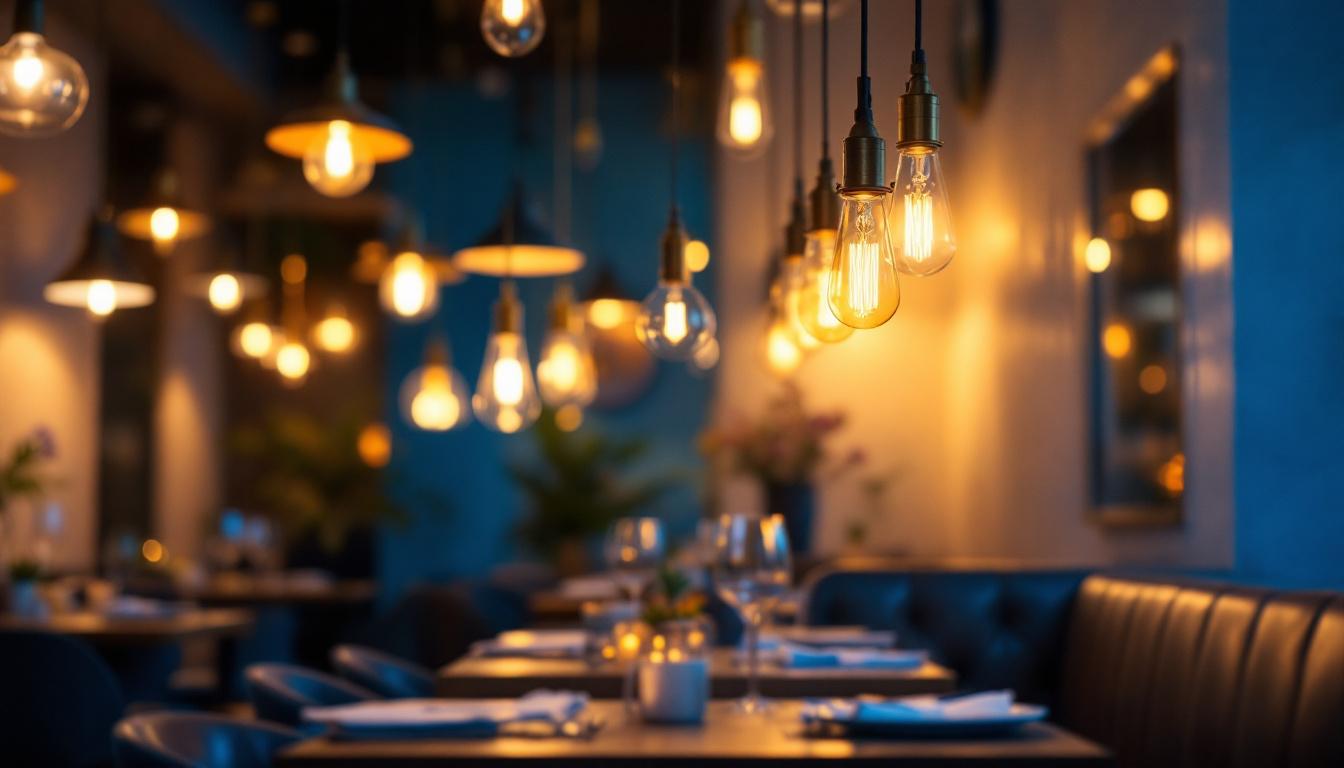
Lighting plays a pivotal role in shaping the ambiance and overall dining experience in restaurants. For lighting contractors, grasping the nuanced effects of different lighting styles and technologies is essential to delivering solutions that not only illuminate spaces but also enhance mood, highlight design elements, and influence customer behavior.
Studies consistently show that well-designed lighting can increase customer dwell time and spending. For instance, softer, warmer lighting tends to encourage relaxation and longer stays, which can translate to higher revenue. Conversely, overly harsh or cold lighting may deter patrons from lingering or returning. The color temperature of the light can also evoke specific feelings; for example, a warm glow can create an inviting atmosphere, while cooler tones might be more suitable for modern, minimalist spaces aiming for a sleek and contemporary vibe.
Beyond aesthetics, lighting impacts operational efficiency. Properly lit kitchens and service areas improve staff productivity and safety. Therefore, contractors must balance the needs of both front-of-house and back-of-house environments to create a cohesive lighting plan. In addition to general illumination, task lighting is crucial in areas where precision is required, such as food preparation zones or at the bar. This ensures that staff can perform their duties effectively, minimizing errors and enhancing overall service quality.
Moreover, the integration of smart lighting systems is becoming increasingly popular in the restaurant industry. These systems allow for dynamic adjustments based on the time of day, customer volume, or even the type of event being hosted. For example, a restaurant might employ brighter, more energetic lighting during peak hours to create a lively atmosphere, while transitioning to softer, more intimate lighting for evening dining. This adaptability not only enhances the customer experience but also contributes to energy efficiency, as lights can be dimmed or adjusted according to real-time needs.
Key Lighting Types and Their Applications in Restaurants
Ambient Lighting: Setting the Foundation
Ambient lighting provides the general illumination necessary for safe navigation and comfortable visibility. It forms the base layer of any lighting design and should be carefully calibrated to avoid glare or shadows that can disrupt the dining experience.
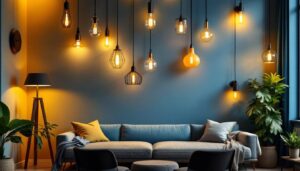
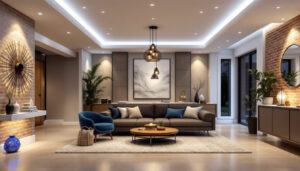
Common ambient lighting solutions include recessed ceiling fixtures, pendant lights, and indirect cove lighting. The color temperature typically ranges from 2700K to 3000K, offering a warm and inviting glow that complements most restaurant interiors. This warm light not only enhances the aesthetic appeal of the space but also plays a crucial role in creating a welcoming atmosphere that encourages guests to linger longer and enjoy their meals.
Additionally, ambient lighting can be layered with dimmable options to adjust the mood throughout the day. For instance, brighter settings can be used during lunch hours to create an energetic vibe, while softer lighting can be employed during dinner service to foster intimacy and relaxation. Incorporating smart lighting controls can further enhance this adaptability, allowing restaurant owners to tailor the ambiance to match special events or seasonal themes.
Accent Lighting: Highlighting Design and Culinary Art
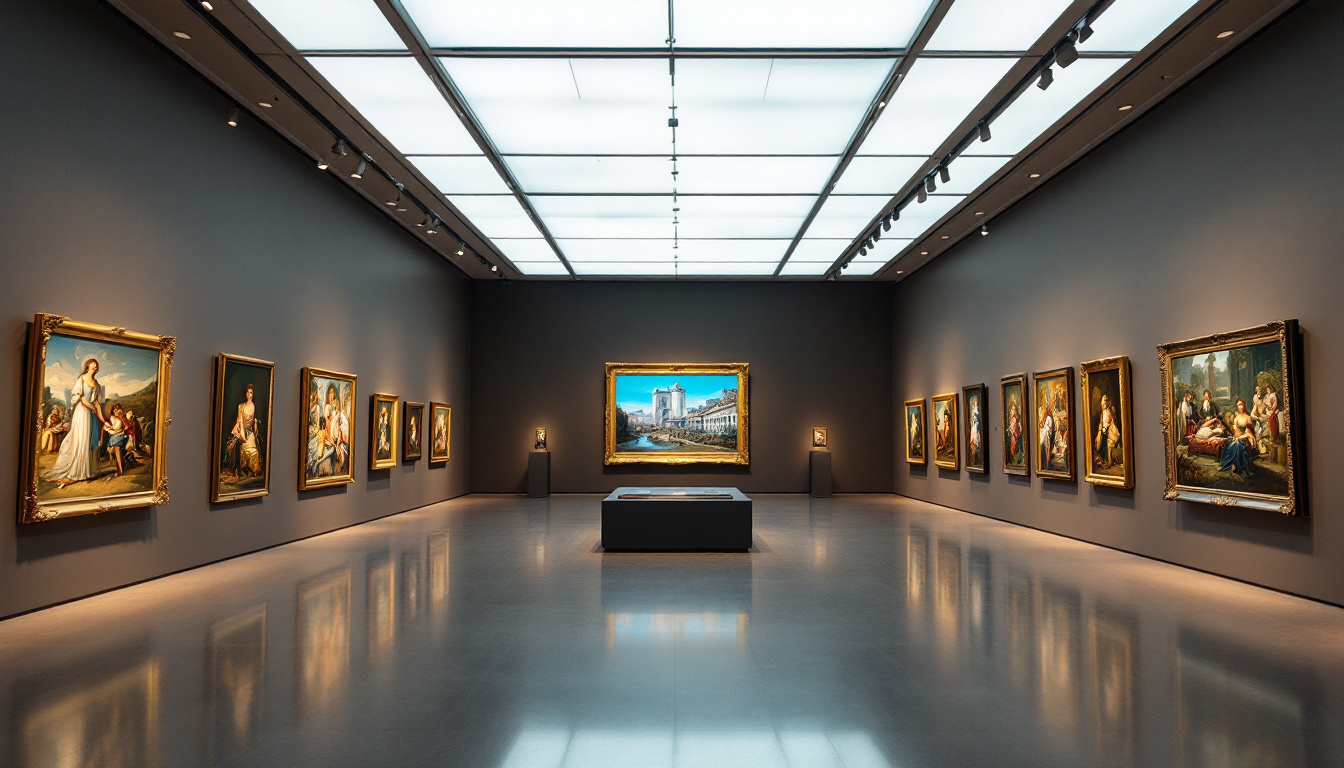
Accent lighting directs attention to specific features such as artwork, architectural details, or even the food itself. For example, strategically placed spotlights can emphasize a chef’s special dish or a decorative wall installation, adding depth and interest to the space.
LED track lighting and adjustable downlights are popular choices for accent lighting due to their flexibility and energy efficiency. Contractors should consider beam angles and fixture placement carefully to avoid unwanted shadows or excessive brightness. Furthermore, the use of colored filters or gels can enhance the visual appeal of certain elements, creating a dynamic interplay of light and color that captivates diners.
Accent lighting can also be employed to create focal points that tell a story about the restaurant’s theme or cuisine. For instance, a wine display illuminated with soft, warm lights can draw attention to the selection, while a vibrant mural can be highlighted to showcase local artistry. This not only enriches the dining experience but also reinforces the restaurant’s brand identity and connection to the community.
Task Lighting: Enhancing Functionality for Staff
Task lighting is essential in areas where precision and clarity are paramount, such as kitchens, bars, and cashier stations. Bright, focused lighting helps staff perform tasks efficiently and safely, reducing errors and accidents.
Under-cabinet LED strips, pendant lights over prep stations, and adjustable fixtures behind bars are effective task lighting solutions. Ensuring these lights have a high Color Rendering Index (CRI) is critical to accurately displaying food colors and textures. In high-traffic areas like the kitchen, it’s also important to consider the placement of task lighting to minimize glare and ensure that all surfaces are well-lit without creating hotspots that can distract or hinder staff performance.
Moreover, task lighting can be integrated with motion sensors to enhance energy efficiency, automatically adjusting brightness based on occupancy. This not only reduces energy costs but also ensures that staff always have the right amount of light when they need it. As restaurants increasingly focus on sustainability, the implementation of energy-efficient task lighting solutions can contribute to a greener operation while maintaining optimal functionality for the team.
Choosing the Right Lighting Fixtures and Technologies
LED Lighting: The Industry Standard
LED technology has revolutionized restaurant lighting by offering energy efficiency, longevity, and versatility. LEDs consume significantly less power than traditional incandescent or halogen bulbs, reducing operational costs and environmental impact.
In addition to energy savings, LEDs provide superior control over color temperature and brightness, allowing contractors to tailor lighting schemes precisely. Dimmable LEDs enable dynamic ambiance adjustments throughout the day, accommodating breakfast, lunch, and dinner service moods.
Smart Lighting Controls: Enhancing Flexibility and Efficiency
Integrating smart lighting controls is increasingly common in modern restaurant designs. These systems allow for automated adjustments based on time of day, occupancy, or natural light levels, optimizing energy use and maintaining consistent ambiance.
Lighting contractors should recommend control solutions compatible with existing infrastructure and user-friendly interfaces for restaurant staff. Features such as scene presets and remote management can streamline operations and adapt lighting to special events or seasonal changes.
Fixture Selection: Balancing Aesthetics and Performance
The choice of fixtures impacts both the visual appeal and functionality of restaurant lighting. Fixtures should complement the interior design style—whether modern, rustic, or industrial—while meeting technical requirements like beam spread and mounting options.
Contractors must also consider maintenance accessibility and durability, especially in high-traffic or humid environments. Fixtures rated for damp or wet locations are essential in kitchens and outdoor dining areas to ensure safety and longevity.
Design Considerations for Different Restaurant Zones
Dining Area: Creating a Welcoming Atmosphere
The dining area is the heart of the restaurant where lighting must balance intimacy with visibility. Layered lighting combining ambient, accent, and task elements creates depth and interest while catering to diverse seating arrangements.
Lighting intensity should be adjustable to accommodate different times and occasions. For example, brighter lighting during lunch hours can energize the space, while dimmer, warmer tones in the evening promote relaxation and intimacy.
Bar and Lounge Areas: Fostering Social Interaction
Bars and lounges benefit from dynamic lighting that encourages socializing and highlights the beverage selection. Colored LED accents, backlit shelves, and pendant lighting over the bar counter add vibrancy and character.
Contractors should ensure that lighting in these areas avoids glare on glassware and screens, maintaining comfort for patrons. Incorporating dimming and color-changing capabilities allows for mood shifts aligned with music and crowd energy.
Kitchen and Service Areas: Prioritizing Clarity and Safety
In kitchens and service zones, lighting must be bright, uniform, and shadow-free to support fast-paced work and maintain hygiene standards. High CRI lighting helps chefs and staff accurately assess food quality and presentation.
Task lighting should be strategically placed to illuminate work surfaces without causing heat buildup or visual fatigue. Durable, easy-to-clean fixtures are essential to withstand the demanding environment.
Energy Efficiency and Sustainability in Restaurant Lighting
Energy-efficient lighting solutions not only reduce operational costs but also align with growing consumer demand for sustainable business practices. Restaurants that prioritize eco-friendly lighting can enhance their brand image and appeal to environmentally conscious diners.
Contractors should advocate for LED retrofits, occupancy sensors, and daylight harvesting systems to minimize energy waste. Additionally, selecting fixtures with recyclable materials and certifications like ENERGY STAR supports long-term sustainability goals.
Regular maintenance and timely upgrades further ensure that lighting systems operate at peak efficiency, preventing unnecessary energy consumption and costly repairs.
Practical Tips for Lighting Contractors Working with Restaurants
Conduct Thorough Site Assessments
Before designing or installing lighting, contractors should perform comprehensive site evaluations to understand the restaurant’s layout, natural light sources, and existing electrical infrastructure. This information is crucial for creating tailored lighting plans that meet client needs and comply with safety codes.
Collaborate Closely with Designers and Owners
Successful lighting projects require close collaboration with interior designers, architects, and restaurant owners. Understanding the brand identity, target clientele, and operational workflows helps contractors recommend lighting solutions that support the restaurant’s vision and functionality.
Prioritize Flexibility and Scalability
Restaurants often evolve, adding new areas or adjusting layouts. Contractors should design lighting systems with flexibility in mind, incorporating modular fixtures and scalable control systems that can adapt to future changes without extensive rewiring or replacement.
Provide Clear Documentation and Training
Comprehensive documentation, including lighting plans, fixture specifications, and control system instructions, empowers restaurant staff to operate and maintain the lighting effectively. Offering training sessions ensures that the team can adjust settings and troubleshoot minor issues independently.
Conclusion
Effective restaurant lighting is a sophisticated blend of art and science, requiring lighting contractors to apply technical expertise alongside creative insight. By understanding the unique demands of restaurant environments and leveraging modern lighting technologies, contractors can deliver solutions that enhance ambiance, improve operational efficiency, and contribute to a memorable dining experience.
Staying current with industry trends, prioritizing energy efficiency, and fostering strong client collaboration are key strategies for success in this specialized field. With thoughtful design and professional execution, lighting contractors play a vital role in illuminating the path to restaurant success.
Illuminate Your Projects with LumenWholesale
Ready to elevate your restaurant lighting projects with the perfect blend of quality and value? Look no further than LumenWholesale. Our spec-grade lighting products are designed to meet the highest industry standards, ensuring that every installation enhances ambiance and operational efficiency. With unbeatable wholesale prices and free shipping on bulk orders, you can trust us to provide premium lighting solutions that fit your budget. Don’t compromise on quality or price—choose LumenWholesale for Wholesale Lighting at the Best Value and make your next project shine.