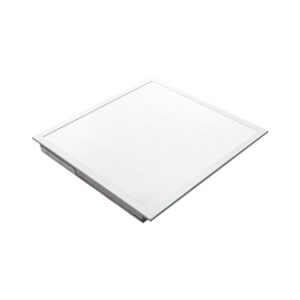
Understanding the Fundamentals: LED and Fluorescent Lighting Technologies
For lighting contractors, mastering the nuances between LED and fluorescent lighting is essential to delivering optimal solutions for clients. Both technologies have distinct characteristics that influence their performance, energy efficiency, and application suitability.
Fluorescent lights operate by passing an electric current through mercury vapor, which produces ultraviolet light that excites a phosphor coating inside the bulb, emitting visible light. This technology has been a staple in commercial and industrial lighting due to its relatively low cost and decent energy efficiency compared to traditional incandescent bulbs. However, the presence of mercury in fluorescent tubes raises environmental concerns regarding disposal and potential hazards, prompting many businesses to seek alternatives that align with sustainability goals.
In contrast, LED (Light Emitting Diode) lights produce light through electroluminescence, where electrons recombine with electron holes within a semiconductor, releasing energy in the form of photons. LEDs are known for their superior energy efficiency, longer lifespan, and versatility in design and color temperature options. The ability to customize color temperatures allows for tailored lighting solutions that can enhance mood and productivity in various environments, from warm tones in hospitality settings to cooler, more focused lighting in office spaces.
Key Technical Differences
Understanding technical distinctions is critical for contractors advising clients on lighting upgrades or installations. LEDs typically consume 40-60% less energy than fluorescent lights while providing comparable or superior luminosity. Additionally, LEDs offer instant-on capabilities without warm-up time, unlike fluorescents which may flicker or require a brief startup period. This immediate illumination is particularly beneficial in applications where lighting needs to be activated frequently, such as in retail environments or security lighting, where visibility is paramount.
Another important factor is lifespan. Fluorescent bulbs generally last between 7,000 to 15,000 hours, whereas LEDs can operate for 25,000 to 50,000 hours or more. This longevity translates into reduced maintenance costs and fewer replacements over time, an essential consideration for commercial spaces with high ceilings or difficult access. Furthermore, the durability of LEDs, which are less prone to breakage compared to fragile fluorescent tubes, makes them an ideal choice for high-traffic areas or environments where vibration and impact are concerns. As the industry continues to evolve, advancements in LED technology are also leading to even greater efficiencies and innovative applications, further solidifying their role as the future of lighting solutions.
Energy Efficiency and Environmental Impact
Energy consumption and environmental considerations are increasingly influential in lighting decisions. LEDs have emerged as the preferred choice for eco-conscious projects due to their high energy efficiency and lower carbon footprint. Lighting contractors must be well-versed in these aspects to guide clients effectively. The transition to LED technology not only aligns with sustainability goals but also meets the growing demand for energy-efficient solutions in both residential and commercial sectors. As awareness of climate change and resource depletion rises, stakeholders are more inclined to invest in lighting systems that contribute positively to the environment.
Fluorescent lights contain small amounts of mercury, a hazardous material requiring careful disposal and recycling. Improper handling can lead to environmental contamination and regulatory penalties. LEDs, on the other hand, do not contain mercury, making them safer and easier to dispose of responsibly. Furthermore, the manufacturing process of LEDs has also improved significantly, with many manufacturers now adopting practices that minimize waste and energy use, further enhancing their sustainability profile. This shift not only benefits the environment but also resonates with consumers who are increasingly prioritizing eco-friendly products in their purchasing decisions.
Cost Implications Over Time
While fluorescent fixtures often have a lower upfront cost, the total cost of ownership tends to favor LEDs. The reduced energy consumption and longer lifespan of LED fixtures result in significant savings on electricity bills and maintenance over the fixture’s lifecycle. Lighting contractors can leverage this data to build compelling business cases for clients considering upgrades. Additionally, the durability of LED lights means they are less likely to fail and require replacement, which can lead to a decrease in waste and further cost savings for businesses. This longevity is particularly advantageous in hard-to-reach installations, where replacing fixtures can be labor-intensive and costly.
For example, in large-scale commercial installations, switching from fluorescent to LED lighting can reduce energy costs by up to 50%. When combined with potential utility rebates and incentives for energy-efficient upgrades, the financial benefits become even more pronounced. Moreover, the enhanced quality of light provided by LEDs can improve productivity and employee satisfaction in workplace environments, creating a more inviting and effective atmosphere. As companies increasingly recognize the importance of employee well-being, investing in LED lighting becomes not just a financial decision but also a strategic move towards fostering a positive work culture.
Application Suitability and Performance Considerations
Lighting contractors must evaluate the specific requirements of each project to determine the most appropriate lighting technology. Factors such as color rendering, dimming capabilities, and environmental conditions play a pivotal role in this decision-making process.
Color Rendering and Quality of Light
Color Rendering Index (CRI) measures how accurately a light source reveals the colors of objects compared to natural light. LEDs generally offer higher CRI values, often above 80, which is suitable for retail, healthcare, and hospitality environments where color accuracy is critical. Fluorescent lights can vary widely in CRI, sometimes falling below 70, which may result in less vibrant or accurate color representation.
Additionally, LEDs provide a broader range of color temperatures, from warm white to daylight, allowing for tailored ambiance and functionality. Fluorescent lamps are more limited in this regard, often producing a cooler, bluish light that may not suit all applications.
Dimming and Control Systems
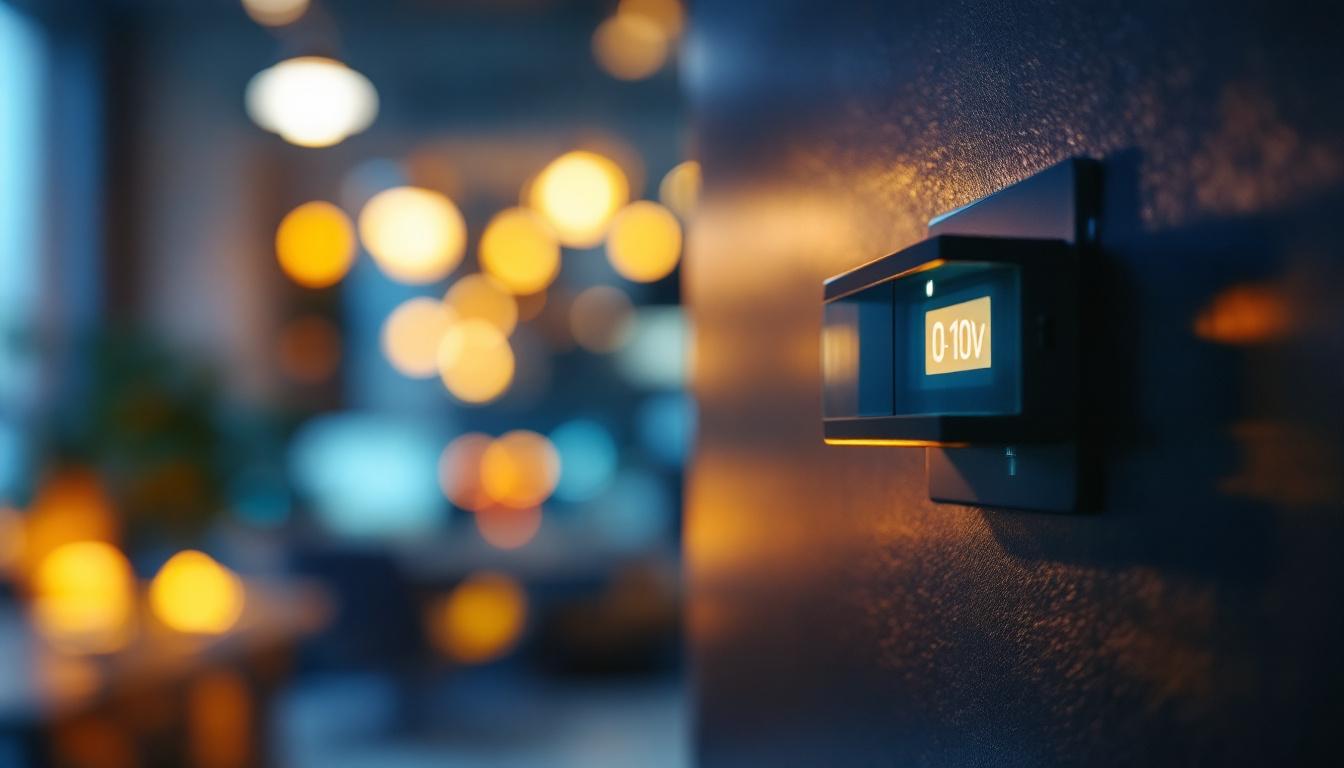
Modern LED fixtures are highly compatible with advanced dimming and smart control systems, enabling energy savings and customized lighting scenes. Fluorescent lighting, while dimmable, often requires specialized ballasts and may not integrate as seamlessly with contemporary control technologies.
Lighting contractors should consider the client’s desire for automation, energy management, and user experience when recommending lighting systems. LEDs offer greater flexibility and future-proofing in this area, which can be a strong selling point.
Environmental and Operational Conditions
Certain environments, such as cold storage or outdoor installations, demand lighting solutions that perform reliably under specific conditions. LEDs excel in low-temperature environments because their performance is not adversely affected by cold, unlike fluorescents which may experience reduced output or delayed start-up.
Furthermore, LEDs are more resistant to shock and vibration, making them ideal for industrial settings or locations with heavy machinery. Fluorescent tubes are fragile and more prone to breakage, which can increase maintenance and replacement costs.
Top Resources for Lighting Contractors to Master LED and Fluorescent Technologies
Staying informed about the latest developments, standards, and best practices is vital for lighting contractors aiming to excel in their field. A wealth of resources is available to deepen knowledge and enhance expertise in LED and fluorescent lighting.
Industry Standards and Guidelines
Familiarity with standards such as those from the Illuminating Engineering Society (IES), Underwriters Laboratories (UL), and the National Electrical Manufacturers Association (NEMA) ensures that lighting installations meet safety, performance, and quality benchmarks. These organizations publish detailed guides on lighting metrics, fixture classifications, and testing protocols.
Contractors should regularly consult these standards to ensure compliance and to stay abreast of evolving requirements, particularly as LED technology advances rapidly.
Manufacturer Technical Documentation and Training
Leading lighting manufacturers provide comprehensive technical datasheets, installation manuals, and training programs tailored for contractors. These resources cover product specifications, wiring diagrams, troubleshooting tips, and application recommendations.
Engaging with manufacturer-led workshops or webinars can also offer hands-on experience and direct access to product experts, enabling contractors to confidently specify and install both LED and fluorescent systems.
Professional Associations and Certification Programs
Organizations such as the National Association of Electrical Contractors (NAEC) and the Lighting Certified program offer certification courses that validate a contractor’s proficiency in lighting technologies. These credentials not only enhance credibility but also open doors to specialized projects requiring advanced expertise.
Participating in these programs helps contractors stay current on best practices, energy codes, and emerging technologies, positioning them as trusted advisors to their clients.
Online Forums, Publications, and Case Studies
Engaging with online communities and industry publications provides valuable insights into real-world applications and challenges. Websites like Lighting Design & Application (LD+A) and Electrical Contractor Magazine feature articles, case studies, and product reviews that highlight trends and innovations.
Contractors can learn from peers’ experiences, discover new tools, and adapt strategies that have proven successful in similar projects.
Practical Tips for Lighting Contractors When Choosing Between LED and Fluorescent
Making informed recommendations requires a holistic assessment of project goals, budget constraints, and client preferences. Here are actionable tips to guide the decision-making process:
Conduct a Detailed Lighting Audit
Evaluate existing lighting conditions, energy consumption, and maintenance history. Identifying inefficiencies and pain points allows contractors to tailor solutions that maximize benefits, whether through LED retrofits or fluorescent upgrades.
Consider Total Cost of Ownership
Beyond initial purchase price, factor in energy savings, maintenance costs, and potential rebates. Presenting clients with a comprehensive financial analysis helps justify investments in higher-quality LED systems.
Prioritize Quality and Compliance
Specify fixtures that meet recognized standards and certifications to ensure safety, durability, and performance. Avoid low-quality products that may compromise reliability and client satisfaction.
Customize Solutions Based on Application
Assess the specific lighting needs of each space, including brightness levels, color quality, and control preferences. Tailored solutions enhance occupant comfort and operational efficiency.
Stay Informed and Adapt
Lighting technology evolves rapidly. Continuously update knowledge through training and industry engagement to offer cutting-edge solutions that meet changing client demands and regulatory landscapes.
Conclusion: Empowering Lighting Contractors with Knowledge and Resources
Mastering the distinctions between LED and fluorescent lighting empowers contractors to deliver superior value and innovation. By leveraging technical understanding, energy insights, and authoritative resources, lighting professionals can confidently guide clients toward sustainable, efficient, and high-quality lighting solutions.
In a competitive market, this expertise not only enhances project outcomes but also strengthens client relationships and business growth. Embracing continuous learning and resource utilization is the key to thriving in the dynamic lighting industry.
Illuminate Your Projects with LumenWholesale
Ready to elevate your lighting game? At LumenWholesale, we provide lighting contractors like you with the highest quality, spec-grade LED and fluorescent lighting products at unbeatable wholesale prices. Say goodbye to local distributor markups and hello to a vast selection of reliable, high-performance lighting that meets the most rigorous industry standards. Plus, with free shipping on bulk orders, you can stock up on premium lighting solutions without worrying about hidden fees or compromises. Don’t miss out on the perfect blend of quality, affordability, and convenience. Visit LumenWholesale now for Wholesale Lighting at the Best Value and start transforming your lighting projects today.