Introduction to Lantern Solar Lights for Outdoor Projects
Lantern solar lights have become a staple in outdoor lighting solutions, offering a blend of aesthetic appeal, energy efficiency, and environmental friendliness. For lighting contractors, understanding the nuances of these fixtures is essential to delivering projects that meet client expectations and comply with industry standards.
Outdoor lantern solar lights harness solar energy during the day and illuminate spaces at night, making them ideal for pathways, gardens, patios, and commercial landscapes. Their versatility and ease of installation make them a preferred choice for both residential and commercial projects.
One of the key advantages of lantern solar lights is their ability to reduce electricity costs significantly. By relying on renewable energy, these fixtures not only lower utility bills but also contribute to a more sustainable future. Many models are equipped with advanced LED technology, which provides bright illumination while consuming minimal power. This means that even in areas with limited sunlight, high-quality solar lanterns can still perform efficiently, making them a reliable option for various climates.
Moreover, the design options for lantern solar lights are vast, ranging from classic Victorian styles to sleek modern aesthetics. This diversity allows homeowners and businesses to select fixtures that complement their existing architecture and landscaping. Additionally, many solar lanterns come with features such as motion sensors, dimming capabilities, and adjustable brightness settings, enhancing their functionality and user experience. As outdoor living spaces continue to gain popularity, integrating these stylish and practical lighting solutions can elevate the ambiance while ensuring safety and visibility during nighttime hours.
Key Benefits of Lantern Solar Lights in Outdoor Applications
Energy Efficiency and Sustainability
One of the primary advantages of lantern solar lights is their energy independence. By utilizing solar panels, these lights reduce reliance on grid electricity, significantly lowering energy costs and carbon footprints. According to recent studies, solar lighting can reduce energy consumption by up to 80% compared to traditional electric lighting, an important consideration for eco-conscious clients.
Moreover, solar lanterns contribute to sustainable building practices, aligning with green certifications such as LEED and WELL, which are increasingly demanded in commercial projects. The ability to harness renewable energy not only supports environmental goals but also appeals to a growing demographic of consumers who prioritize sustainability in their purchasing decisions. As communities become more aware of climate change and its impacts, the demand for energy-efficient solutions like solar lighting continues to rise, making it a smart investment for both residential and commercial properties.
Ease of Installation and Maintenance
Lantern solar lights eliminate the need for complex wiring and trenching, which can be costly and time-consuming. This feature is particularly advantageous in remote or difficult-to-access locations where electrical infrastructure is limited or non-existent. The straightforward installation process allows for quick deployment, enabling property owners to enjoy immediate benefits without the hassle of traditional lighting setups.
Maintenance requirements are minimal, typically involving periodic cleaning of solar panels and battery checks. This reduces long-term operational costs and enhances client satisfaction. Additionally, many modern solar lanterns are equipped with smart technology that can alert users to any performance issues, further simplifying maintenance. With advancements in battery technology, these lights can now offer longer operational hours and improved performance in varying weather conditions, making them a reliable choice for outdoor lighting solutions.
Design Flexibility and Aesthetic Appeal
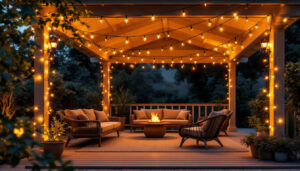
Modern lantern solar lights come in a variety of styles, materials, and finishes, allowing contractors to tailor lighting schemes to diverse architectural themes. From classic wrought iron designs to sleek contemporary models, these fixtures enhance outdoor ambiance while providing functional illumination. The versatility of solar lanterns means they can be used in various settings, from garden pathways to patio areas, creating inviting spaces for relaxation and entertainment.
In addition to their functional benefits, solar lanterns can serve as decorative elements that complement landscaping and outdoor decor. Many designs incorporate artistic features such as intricate patterns or colored glass, which can cast beautiful shadows and patterns on surrounding surfaces when illuminated. This not only adds visual interest but also enhances the overall atmosphere of outdoor spaces, making them more enjoyable for gatherings and events. As outdoor living continues to gain popularity, the aesthetic appeal of solar lanterns becomes an essential factor in creating inviting and functional outdoor environments.
Essential Considerations for Lighting Contractors When Specifying Lantern Solar Lights
Assessing Site Conditions and Solar Exposure
Before selecting lantern solar lights, contractors must conduct a thorough site analysis to evaluate solar exposure. The effectiveness of solar lighting depends heavily on the availability of direct sunlight throughout the day. Factors such as shading from trees, buildings, or other structures can significantly impact performance.
Utilizing tools like solar pathfinders or smartphone apps can aid in determining optimal fixture placement to maximize solar gain. In areas with limited sunlight, contractors may need to consider hybrid solutions or supplemental power sources.
Battery Capacity and Lifespan
The battery is a critical component of lantern solar lights, storing energy collected during daylight hours for nighttime illumination. Contractors should specify batteries with adequate capacity to meet the required lighting duration and intensity, especially in regions with variable weather conditions.
Common battery types include lithium-ion and nickel-metal hydride (NiMH), each offering different trade-offs in terms of lifespan, cost, and environmental impact. Lithium-ion batteries, for instance, generally provide longer service life and better performance in cold temperatures.
Light Output and Color Temperature
Understanding the photometric properties of lantern solar lights is essential to achieving desired lighting effects. Lumens measure the total light output, and contractors should select fixtures that provide sufficient brightness for safety and aesthetics without causing glare or light pollution.
Color temperature, measured in Kelvins (K), influences the ambiance. Warm white (2700K–3000K) creates a cozy atmosphere, ideal for residential and hospitality settings, while cooler temperatures (4000K–5000K) are suited for commercial or security lighting.
Durability and Weather Resistance
Outdoor lighting fixtures must withstand harsh environmental conditions, including rain, wind, temperature fluctuations, and UV exposure. Contractors should specify lantern solar lights with appropriate Ingress Protection (IP) ratings, typically IP65 or higher, to ensure resistance to dust and water ingress.
Materials such as powder-coated aluminum, stainless steel, and tempered glass enhance durability and longevity, reducing maintenance and replacement costs.
Installation Best Practices for Lantern Solar Lights
Site Preparation and Fixture Placement
Proper site preparation is vital to optimize the performance and lifespan of solar lanterns. Clear any obstructions that may cast shadows on solar panels. Position fixtures where they will receive maximum sunlight, ideally facing south in the northern hemisphere or north in the southern hemisphere.
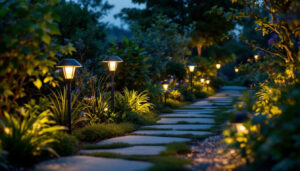
Consider the height and spacing of lanterns to achieve uniform illumination and avoid dark spots. Pathway lighting typically requires fixtures spaced between 6 to 10 feet apart, depending on the brightness and beam angle.
Secure Mounting and Stability
Lantern solar lights can be mounted on posts, walls, or placed on flat surfaces. Ensure that mounting hardware is robust and compatible with the fixture and substrate. For post-mounted lights, use corrosion-resistant brackets and anchors to prevent loosening over time.
In areas prone to high winds or vandalism, additional security measures such as tamper-proof screws or protective cages may be necessary.
Electrical and Safety Compliance
Although solar lanterns operate independently of the electrical grid, contractors must still adhere to local codes and regulations regarding outdoor lighting installations. This includes ensuring proper grounding where applicable and avoiding interference with existing electrical systems.
Documenting compliance and providing clients with operation and maintenance manuals enhances professionalism and client trust.
Maintenance and Troubleshooting Guidelines
Routine Cleaning and Inspection
Solar panels accumulate dust, dirt, and debris over time, which can reduce energy absorption by up to 25%. Regular cleaning with a soft cloth and mild detergent is recommended to maintain optimal performance.
Inspect fixtures for signs of corrosion, loose connections, or damage. Replace batteries as needed, typically every 2 to 4 years, depending on usage and environmental factors.
Common Issues and Solutions
Contractors should be prepared to address common problems such as reduced light output, flickering, or failure to turn on. These issues often stem from battery degradation, insufficient sunlight, or faulty sensors.
Testing battery voltage, checking solar panel alignment, and verifying sensor functionality can quickly diagnose problems. Providing clients with troubleshooting tips and service options adds value and supports long-term satisfaction.
Emerging Trends and Innovations in Lantern Solar Lighting
Smart Controls and IoT Integration
The integration of smart technology into solar lanterns is revolutionizing outdoor lighting management. Features such as remote dimming, scheduling, and motion detection enhance energy savings and user convenience.
Internet of Things (IoT) connectivity allows contractors to offer clients advanced monitoring and control capabilities, improving maintenance efficiency and enabling adaptive lighting strategies.
Advanced Materials and Energy Storage
Innovations in materials science are leading to more durable and lightweight fixtures, while advances in battery technology, including solid-state batteries, promise longer life and faster charging.
These developments enable contractors to specify higher-performance lantern solar lights that meet increasingly stringent client demands and environmental standards.
Conclusion: Delivering Excellence with Lantern Solar Lights
For lighting contractors, mastering the selection, installation, and maintenance of lantern solar lights is crucial to delivering high-quality outdoor lighting solutions. By considering site conditions, technical specifications, and emerging technologies, contractors can enhance project outcomes, reduce costs, and promote sustainability.
Adopting a comprehensive checklist approach ensures that every aspect of the project is addressed, from initial assessment to long-term maintenance, resulting in satisfied clients and a strong reputation in the competitive lighting industry.
Illuminate Your Projects with LumenWholesale
Ready to elevate your outdoor lighting projects with the finest lantern solar lights on the market? Look no further than LumenWholesale, where we offer an exceptional range of spec-grade lighting solutions tailored to your needs. Our commitment to quality and affordability means you can provide your clients with top-notch, sustainable lighting without breaking the bank. Take advantage of our wholesale prices, free shipping, and the convenience of cutting out the middleman. For Wholesale Lighting at the Best Value, visit LumenWholesale and discover how we can brighten your next project.