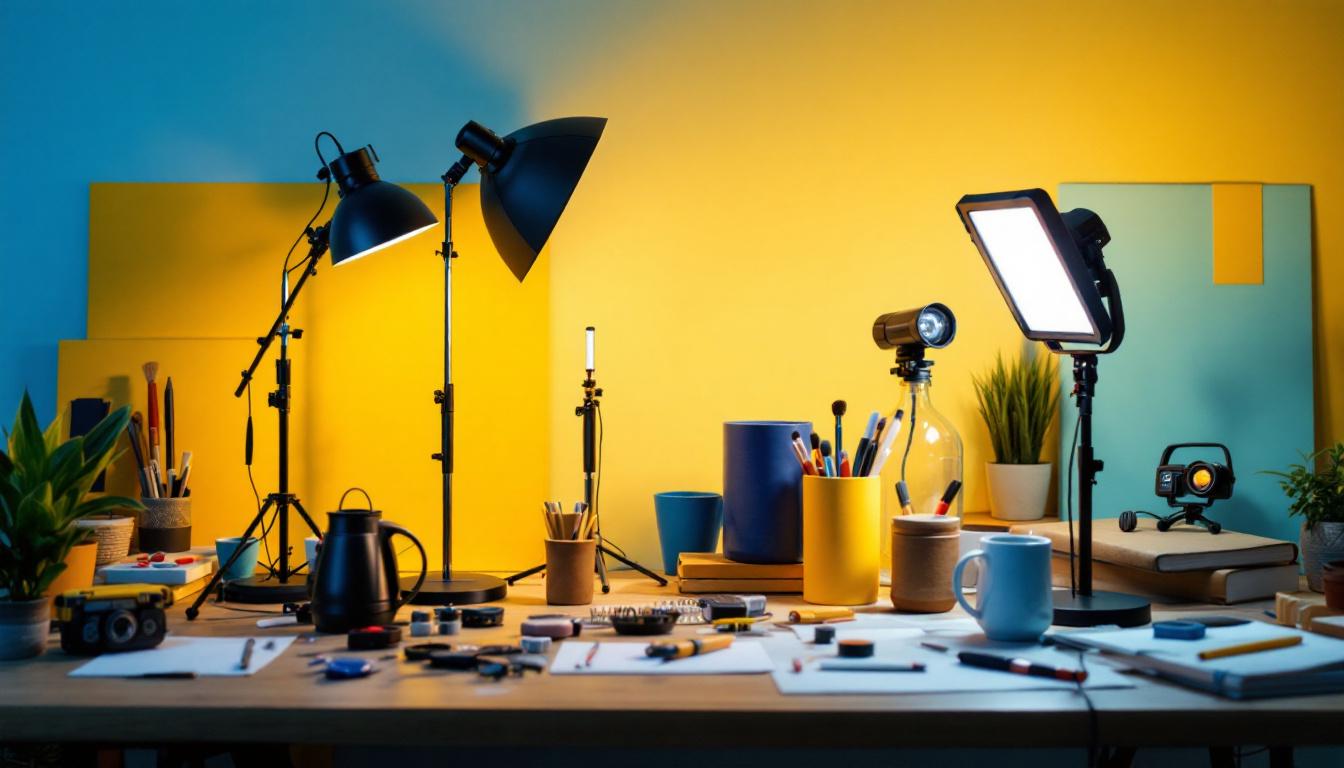
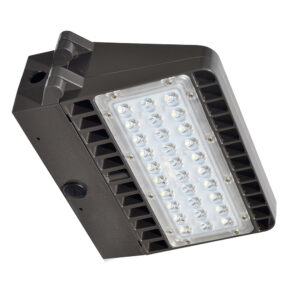
In the world of lighting projects, whether it be for construction sites, events, or temporary installations, the importance of reliable and effective lighting cannot be overstated. LED temporary lights have emerged as a crucial tool for lighting contractors, offering a range of benefits that enhance both safety and efficiency. This article delves into the various aspects of LED temp lights, exploring their advantages, applications, and why they should be an essential part of any lighting contractor’s toolkit.
Understanding LED Temporary Lights
LED temporary lights are portable lighting solutions designed for short-term use in various environments. They are often utilized on construction sites, during events, or in any situation where temporary illumination is required. Unlike traditional lighting options, LED lights are energy-efficient, durable, and versatile, making them an ideal choice for contractors.
What Makes LED Lights Stand Out?
The primary advantage of LED technology lies in its energy efficiency. LED lights consume significantly less power compared to incandescent or fluorescent bulbs, which translates to lower energy costs. This is particularly beneficial for projects that require continuous lighting over extended periods.
Additionally, LED lights have a longer lifespan, often lasting up to 25 times longer than traditional bulbs. This longevity reduces the frequency of replacements, minimizing downtime and maintenance costs. Furthermore, LEDs emit less heat, making them safer to use in various environments, especially in confined spaces.
Another noteworthy aspect of LED lights is their ability to provide instant illumination. Unlike some fluorescent lights that require a warm-up period, LEDs reach full brightness immediately, which is crucial in situations where immediate visibility is necessary, such as during emergency repairs or nighttime events. This feature not only enhances safety but also improves efficiency, allowing workers to focus on their tasks without delay.
Key Features of LED Temporary Lights
LED temporary lights come with a variety of features that enhance their usability. Many models are designed to be lightweight and portable, allowing for easy transport and setup. Some lights offer adjustable brightness levels, enabling contractors to customize illumination based on specific project needs.
Moreover, many LED temporary lights are equipped with weather-resistant housings, making them suitable for outdoor use in various conditions. This durability ensures that they can withstand the rigors of construction sites while providing reliable lighting.
In addition to their robust construction, many LED temporary lights also feature integrated safety measures such as overload protection and surge protection, which safeguard the lights from electrical fluctuations. This is particularly important in environments where power supply can be inconsistent. Some models even come with built-in sensors that automatically adjust brightness based on ambient light levels, further enhancing energy efficiency and ensuring optimal lighting conditions at all times.
Applications of LED Temporary Lights
LED temporary lights are incredibly versatile and can be used in a wide range of applications. Understanding these applications can help contractors make informed decisions about their lighting needs.
Construction Sites
One of the most common applications for LED temporary lights is in construction. Proper lighting is essential for safety and efficiency on job sites, especially during early morning or late evening hours. LED lights can illuminate work areas, ensuring that workers can see clearly and perform tasks safely.
Furthermore, the portability of LED lights allows contractors to easily reposition them as work progresses, ensuring that all areas remain well-lit. This adaptability is crucial for maintaining productivity and safety on dynamic job sites. In addition to their flexibility, many LED temporary lights are designed to withstand harsh weather conditions, making them ideal for outdoor construction projects. Their durability means they can endure rain, wind, and dust, ensuring that the work continues uninterrupted, regardless of the elements.
Events and Festivals
LED temporary lights are also widely used in the event industry. From outdoor festivals to indoor gatherings, effective lighting creates an inviting atmosphere and enhances the overall experience for attendees. LED lights can be used for general illumination, decorative purposes, or to highlight specific areas of interest.
The ability to customize brightness and color temperature makes LED lights particularly appealing for event planners. They can create different moods and ambiances, catering to the specific needs of each event. For instance, warm white lights can create a cozy atmosphere for intimate gatherings, while vibrant colored lights can energize a lively festival. Additionally, LED lights can be synchronized with music or programmed to change colors, adding an interactive element that captivates audiences and elevates the overall experience.
Emergency Situations
In emergency situations, such as power outages or natural disasters, LED temporary lights can provide essential illumination. Their portability and ease of use make them ideal for quickly establishing a safe environment. Many contractors keep LED lights on hand for such emergencies, ensuring they are prepared for any situation.
Additionally, the low energy consumption of LED lights allows them to be powered by generators or battery packs, making them a reliable option when traditional power sources are unavailable. Their long lifespan means that they can be used repeatedly without the need for frequent replacements, which is particularly beneficial in emergency preparedness kits. Furthermore, some LED lights come equipped with features like flashing modes or SOS signals, which can be invaluable for signaling for help or guiding individuals to safety during chaotic situations.
Benefits of Using LED Temporary Lights
The advantages of incorporating LED temporary lights into lighting projects extend beyond just energy efficiency and portability. Here are some key benefits that highlight their value.
Cost-Effectiveness
While the initial investment in LED temporary lights may be higher than traditional lighting options, the long-term savings are significant. Lower energy consumption leads to reduced electricity bills, and the extended lifespan of LED bulbs means fewer replacements and maintenance costs.
For contractors, this translates to a more cost-effective solution over the life of the project. The ability to allocate resources more efficiently can lead to increased profitability and improved project outcomes.
Enhanced Safety
Safety is a top priority on any job site, and proper lighting plays a critical role in preventing accidents. LED temporary lights provide bright, clear illumination that helps workers avoid hazards and perform tasks more effectively.
Moreover, the cooler operating temperature of LED lights reduces the risk of burns or fires, further enhancing safety in various environments. By investing in quality lighting solutions, contractors can create a safer work environment for their teams.
Sustainability and Environmental Impact
As the construction and event industries increasingly focus on sustainability, LED temporary lights offer an environmentally friendly lighting option. Their energy efficiency reduces carbon emissions, contributing to a smaller ecological footprint.
Furthermore, LED lights are free from harmful substances such as mercury, which is commonly found in fluorescent bulbs. This makes them a safer choice for both workers and the environment, aligning with the growing demand for sustainable practices in the industry.
Choosing the Right LED Temporary Lights
With a variety of options available on the market, selecting the right LED temporary lights for a project can be challenging. Here are some factors to consider to ensure the best choice is made.
Brightness and Lumens
The brightness of LED lights is measured in lumens, and understanding the required lumen output for a specific project is essential. Different tasks may require varying levels of illumination, so contractors should assess the specific needs of each project before making a selection.
For example, detailed work may necessitate higher lumen outputs for optimal visibility, while general site lighting may require less. Evaluating the project’s requirements will help in choosing the appropriate LED lights.
Power Source and Portability
Another critical consideration is the power source of the LED temporary lights. Some models are designed to be plugged into standard outlets, while others may operate on battery power or generators. Understanding the available power options on-site will help in selecting the most suitable lights.
Additionally, the portability of the lights should be assessed. Lightweight designs with easy-to-carry handles or mounting options can significantly enhance usability, allowing for quick setup and repositioning as needed.
Durability and Weather Resistance
Given that many applications for LED temporary lights occur in rugged environments, durability is a key factor. Contractors should look for lights with robust housings that can withstand impacts and harsh weather conditions.
Weather-resistant features, such as IP ratings, indicate the level of protection against dust and moisture. Choosing lights with appropriate ratings ensures reliability, even in challenging conditions.
Installation and Maintenance Tips
Once the right LED temporary lights have been selected, proper installation and maintenance are essential for maximizing their effectiveness. Here are some tips to ensure optimal performance.
Proper Setup
When setting up LED temporary lights, it is crucial to position them strategically to maximize coverage and minimize shadows. Placing lights at appropriate heights and angles can significantly enhance visibility in work areas.
Additionally, securing lights to prevent accidental displacement is important, especially in high-traffic areas. Using tripods or mounting brackets can help stabilize lights and ensure they remain in place throughout the project.
Regular Inspections
To maintain the performance of LED temporary lights, regular inspections should be conducted. Checking for any signs of damage, loose connections, or malfunctioning components can help prevent issues before they arise.
Moreover, keeping the lights clean and free from debris will ensure optimal brightness and efficiency. A simple routine of wiping down fixtures and checking connections can go a long way in prolonging the lifespan of the lights.
Conclusion
In the realm of lighting projects, LED temporary lights have proven to be indispensable tools for contractors. Their energy efficiency, durability, and versatility make them ideal for a wide range of applications, from construction sites to events and emergencies.
By understanding the benefits of LED temporary lights and making informed choices about their selection and use, lighting contractors can enhance safety, reduce costs, and contribute to more sustainable practices in the industry. Investing in quality LED temporary lights is not just a smart decision—it’s a necessary step toward successful lighting projects.
Illuminate Your Projects with LumenWholesale
Ready to elevate your lighting projects with the most efficient, durable, and versatile LED temporary lights on the market? Look no further than LumenWholesale, where we provide contractors with spec-grade lighting solutions at unbeatable wholesale prices. Say goodbye to middleman markups and hello to a vast selection of premium lighting that meets the highest industry standards. Plus, with free shipping on bulk orders, you can stock up on quality lighting without any hidden fees. Don’t compromise on your lighting needs—choose LumenWholesale for the perfect blend of quality, affordability, and convenience. Wholesale Lighting at the Best Value is just a click away.