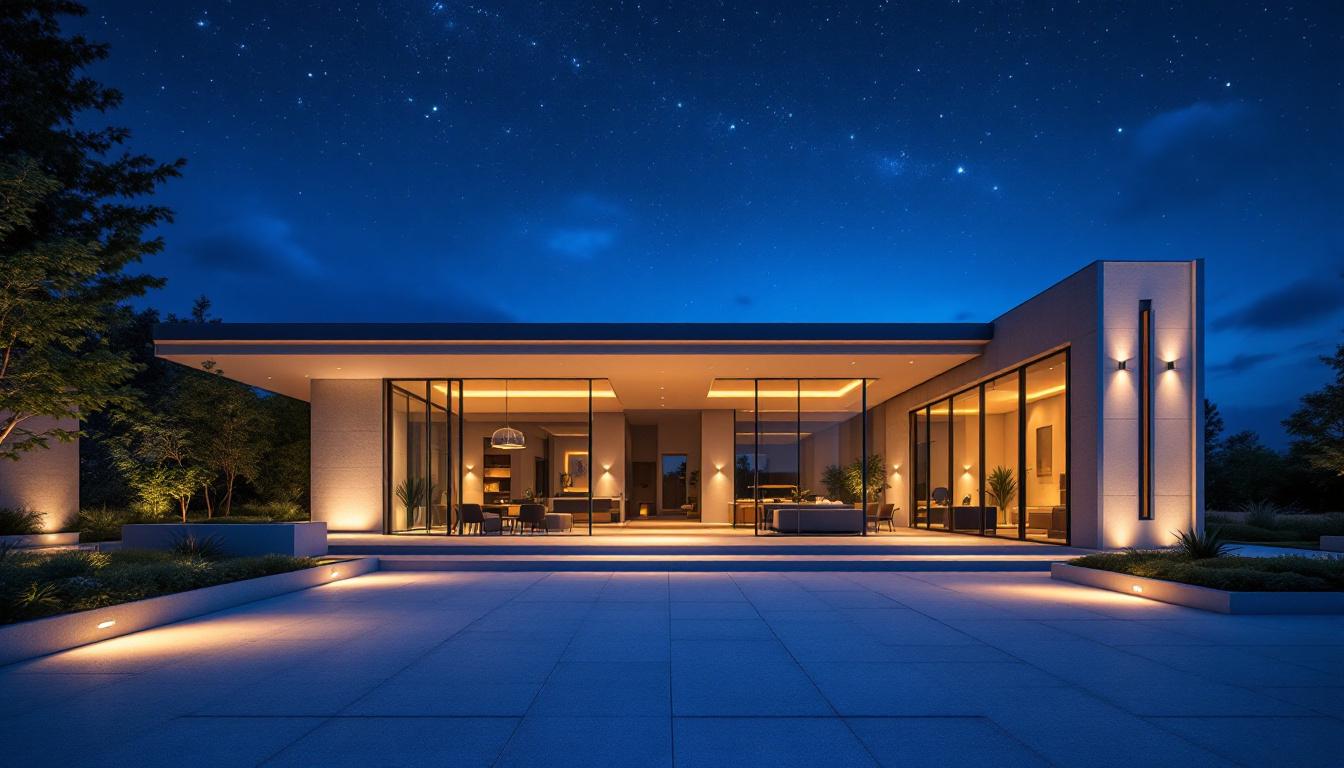
Best LED Recessed Retrofit: How It Can Improve Lighting Installation Projects
In the ever-evolving world of lighting design, LED recessed retrofits have emerged as a game-changer for both contractors and homeowners alike. These innovative solutions not only enhance the aesthetic appeal of a space but also offer significant energy efficiency and cost savings. This article explores the benefits of LED recessed retrofits, their installation process, and how they can elevate lighting projects to new heights.
Understanding LED Recessed Retrofits
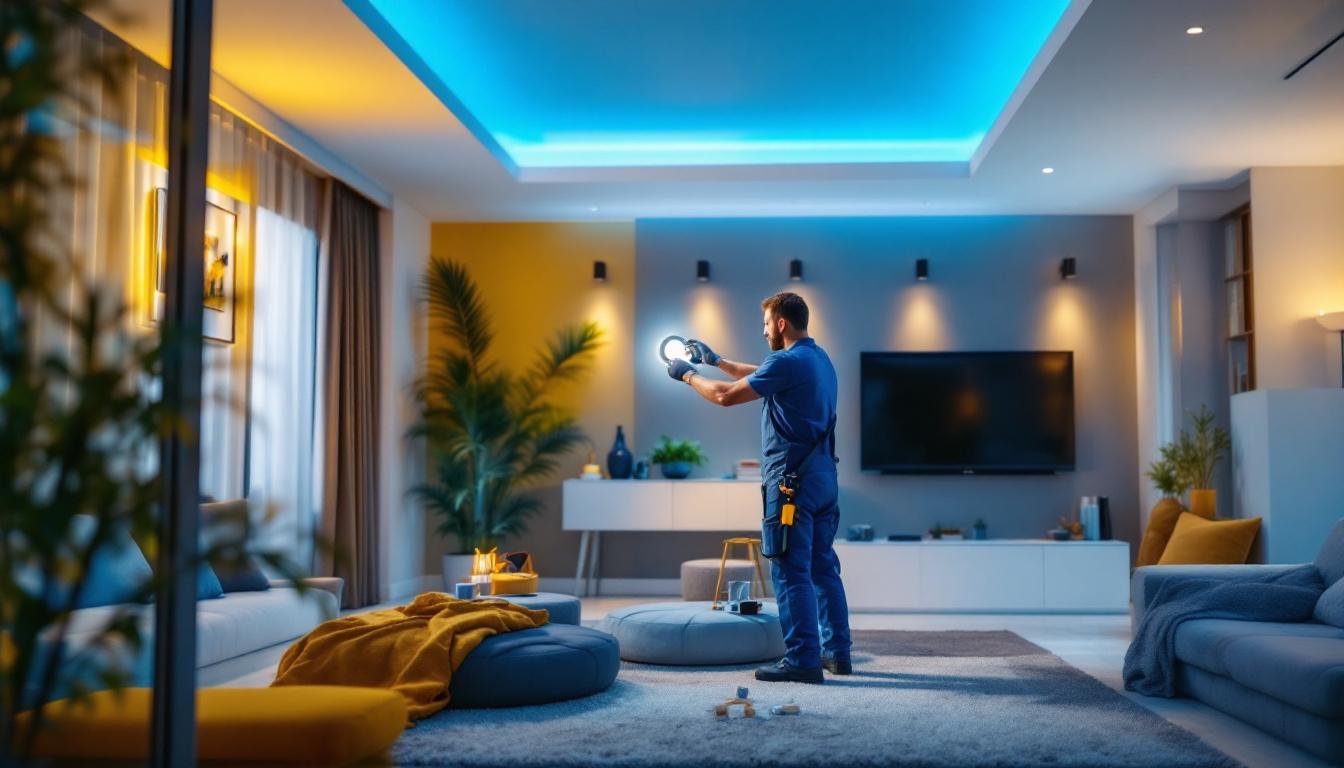
LED recessed retrofits are designed to replace traditional incandescent or fluorescent bulbs in existing recessed fixtures. They provide a seamless upgrade, allowing contractors to modernize lighting systems without the need for extensive renovations. This adaptability makes them an ideal choice for a variety of settings, from residential homes to commercial spaces.
What Makes LED Retrofits Stand Out?
One of the primary advantages of LED recessed retrofits is their energy efficiency. Compared to traditional lighting options, LEDs consume significantly less power while delivering the same, if not better, luminosity. This efficiency translates into lower electricity bills for clients, making it an attractive selling point for contractors.
Moreover, LED technology has advanced tremendously, offering a wide range of color temperatures and brightness levels. This versatility allows contractors to tailor lighting solutions to meet the specific needs and preferences of their clients, enhancing the overall satisfaction with the project. For instance, a warm white light can create a cozy atmosphere in a living room, while a cooler daylight tone can enhance productivity in an office environment. The ability to customize lighting not only improves aesthetics but also contributes to the functionality of the space.
Environmental Benefits
In addition to energy savings, LED recessed retrofits contribute to environmental sustainability. They have a longer lifespan than traditional bulbs, reducing the frequency of replacements and minimizing waste. Furthermore, LEDs do not contain harmful substances like mercury, making them a safer choice for both installers and end-users.
By promoting the use of LED technology, contractors can position themselves as environmentally conscious professionals, appealing to clients who prioritize sustainability in their purchasing decisions. The reduced carbon footprint associated with LED usage is another compelling factor, as it aligns with global efforts to combat climate change. Additionally, many municipalities offer incentives for energy-efficient upgrades, which can further entice clients to invest in LED retrofits. This not only benefits the environment but also enhances the contractor’s reputation as a forward-thinking and responsible choice in the marketplace.
Installation Process of LED Recessed Retrofits
The installation of LED recessed retrofits is a straightforward process, making it a preferred choice for contractors looking to enhance their service offerings. Understanding the steps involved can help streamline the installation and ensure a high-quality finish.
Preparation and Planning
Before beginning the installation, it is essential to assess the existing recessed fixtures. Contractors should check for compatibility with retrofit kits, ensuring that the new LEDs will fit seamlessly into the existing housing. Additionally, planning the layout of the lighting is crucial to achieve the desired illumination effect.
Consideration should also be given to the specific needs of the space. For instance, different areas may require varying levels of brightness or color temperature. By discussing these details with clients, contractors can provide customized solutions that enhance the overall ambiance.
Installation Steps
Once the planning is complete, the installation can commence. The process typically involves the following steps:
- Turn off the power to the existing fixtures to ensure safety.
- Remove the existing bulbs and trim from the recessed housing.
- Install the LED retrofit kit according to the manufacturer’s instructions, ensuring that all connections are secure.
- Replace the trim and restore power to the fixtures.
- Test the lights to confirm proper functionality and make any necessary adjustments.
These steps can usually be completed in a short amount of time, allowing contractors to efficiently manage their schedules while delivering high-quality results.
Choosing the Right LED Recessed Retrofit
With a plethora of options available on the market, selecting the right LED recessed retrofit can be a daunting task. However, understanding the key features and specifications can simplify the decision-making process.
Brightness and Color Temperature
When evaluating LED retrofits, brightness is typically measured in lumens. Contractors should consider the required lumens for the specific application, as different spaces may need varying levels of illumination. For example, a kitchen may require brighter lighting compared to a bedroom.
Color temperature, measured in Kelvin, also plays a significant role in the overall atmosphere of a space. Warmer temperatures (2700K-3000K) create a cozy ambiance, while cooler temperatures (4000K-5000K) are more suitable for task-oriented areas. Offering clients options in both brightness and color temperature can enhance their satisfaction with the final result.
Energy Efficiency Ratings
Energy efficiency ratings, such as the ENERGY STAR certification, are important indicators of a product’s performance. Contractors should prioritize retrofits that meet these standards, as they not only ensure quality but also provide clients with peace of mind regarding their energy savings.
Additionally, energy-efficient products often come with longer warranties, which can further enhance the value proposition for clients. By selecting high-quality, energy-efficient retrofits, contractors can build a reputation for reliability and professionalism.
Cost Considerations
While the initial investment in LED recessed retrofits may be higher than traditional lighting options, the long-term savings often outweigh the upfront costs. Contractors should communicate these benefits to clients to help them understand the value of their investment.
Long-Term Savings
LEDs have a significantly longer lifespan than traditional bulbs, often lasting up to 25,000 hours or more. This longevity means fewer replacements and lower maintenance costs over time. Additionally, the energy savings associated with LED technology can lead to substantial reductions in electricity bills, further enhancing the return on investment.
For contractors, emphasizing these long-term savings can be a powerful selling point when discussing project budgets with clients. It positions the retrofit as not just a lighting upgrade, but as a smart financial decision.
Budget-Friendly Options
For clients on a tighter budget, there are still options available within the LED recessed retrofit market. Many manufacturers offer a range of products at different price points, allowing contractors to find solutions that fit their clients’ financial constraints without sacrificing quality.
Additionally, contractors can explore bulk purchasing options or partnerships with suppliers to secure better pricing, ultimately passing those savings on to clients. This approach not only enhances client satisfaction but also fosters long-term relationships with suppliers.
Enhancing Aesthetics with LED Recessed Retrofits
Beyond energy efficiency and cost savings, LED recessed retrofits can dramatically enhance the aesthetics of a space. The sleek design and modern look of LED fixtures can elevate the overall ambiance, making them an attractive choice for various applications.
Design Versatility
LED recessed retrofits come in a variety of styles, shapes, and finishes, allowing contractors to select options that complement the existing decor. Whether it’s a contemporary home or a traditional office, there are retrofits available that can seamlessly integrate into the design scheme.
Moreover, the ability to adjust brightness and color temperature gives contractors the flexibility to create dynamic lighting solutions that can transform a space for different occasions. This versatility is a significant advantage in both residential and commercial projects.
Highlighting Architectural Features
LED recessed lighting can also be used strategically to highlight architectural features within a space. By directing light toward specific elements, such as artwork, textured walls, or unique furnishings, contractors can create focal points that enhance the overall design.
In commercial settings, this technique can be particularly effective in retail environments, where highlighting products can influence purchasing decisions. By utilizing LED recessed retrofits, contractors can help clients achieve their desired aesthetic while maximizing functionality.
Future-Proofing Lighting Installations
As technology continues to advance, the lighting industry is also evolving. LED recessed retrofits are designed to be compatible with various smart home systems, allowing for future upgrades and integrations.
Smart Technology Integration
Many LED retrofits now come with options for smart technology integration, enabling features such as remote control, dimming capabilities, and scheduling. This adaptability not only enhances user convenience but also positions contractors at the forefront of modern lighting solutions.
By offering smart lighting options, contractors can cater to tech-savvy clients who are looking for innovative solutions that enhance their living or working environments. This capability can set a contractor apart in a competitive market, showcasing their commitment to staying ahead of industry trends.
Adaptability to Changing Needs
As clients’ needs evolve, so too can their lighting systems. LED recessed retrofits provide the flexibility to adjust lighting configurations without the need for extensive renovations. Whether a client wants to change the ambiance of a room or adapt to new technology, LED retrofits offer a simple solution.
This adaptability not only enhances client satisfaction but also positions contractors as forward-thinking professionals who can provide lasting value through their services.
Conclusion
LED recessed retrofits represent a significant advancement in lighting technology, offering numerous benefits for contractors and clients alike. From energy efficiency and cost savings to aesthetic enhancements and future-proofing capabilities, these solutions can elevate any lighting installation project.
By understanding the advantages of LED recessed retrofits and effectively communicating these benefits to clients, contractors can position themselves as leaders in the lighting industry. As the demand for sustainable and innovative lighting solutions continues to grow, embracing LED technology will undoubtedly be a key factor in the success of future projects.
Incorporating LED recessed retrofits into lighting installation projects not only improves the quality of light but also enhances the overall value of the service provided. As the industry continues to evolve, staying informed about the latest trends and technologies will ensure that contractors remain competitive and successful in their endeavors.
Illuminate Your Projects with LumenWholesale
Ready to take your lighting installation projects to the next level? At LumenWholesale, we provide contractors with the finest LED recessed retrofits that combine quality, energy efficiency, and cost-effectiveness. Say goodbye to local distributor markups and hello to our spec-grade lighting products at wholesale prices. With our commitment to excellence and hassle-free bulk buying, you can trust that you’re getting the best value for your investment. Elevate your lighting game and enjoy the convenience of free shipping on your orders. Discover the ideal solution for your lighting needs at Wholesale Lighting at the Best Value.