In the ever-evolving world of home lighting, timer lights have emerged as a popular choice for homeowners seeking convenience, energy efficiency, and enhanced security. As a lighting contractor, understanding the intricacies of timer lights is essential for providing clients with informed recommendations and effective solutions. This article delves into the various aspects of timer lights, including their types, benefits, installation considerations, and best practices for integrating them into residential lighting systems.
Understanding Timer Lights
Timer lights are lighting fixtures or systems that can be programmed to turn on and off at specific times. This functionality can be achieved through various mechanisms, including mechanical timers, digital timers, and smart home technology. Each type offers unique features and benefits, making it crucial for lighting contractors to understand their differences and applications.
Types of Timer Lights
There are several types of timer lights available on the market, each catering to different needs and preferences. The most common types include:
- Mechanical Timers: These are simple devices that allow users to set a specific time for lights to turn on and off. They are typically easy to install and operate, making them a popular choice for basic lighting needs.
- Digital Timers: Digital timers provide more advanced features, such as multiple programming options and countdown timers. They often come with LCD displays, making it easier for users to set and adjust their lighting schedules.
- Smart Timers: Integrated with smart home systems, these timers can be controlled remotely via smartphone apps or voice commands. They offer the most flexibility, allowing homeowners to adjust their lighting schedules from anywhere.
Benefits of Timer Lights
Incorporating timer lights into residential lighting systems offers numerous advantages. For lighting contractors, understanding these benefits can help in persuading clients to adopt this technology:
- Energy Efficiency: Timer lights help reduce energy consumption by ensuring that lights are only on when needed. This can lead to significant savings on electricity bills.
- Enhanced Security: By programming lights to turn on and off at specific times, homeowners can create the illusion of occupancy, deterring potential intruders.
- Convenience: Timer lights eliminate the need for manual operation, allowing homeowners to enjoy a more convenient and automated lifestyle.
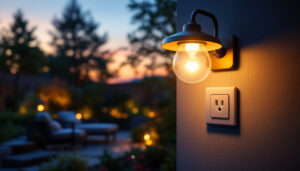
Moreover, timer lights can be particularly beneficial for outdoor lighting systems. For instance, landscape lighting can be programmed to illuminate gardens and pathways at dusk, enhancing the aesthetic appeal of a property while also providing safety for those navigating the area at night. This feature is especially useful for homeowners who entertain guests outdoors, as it sets the perfect ambiance without requiring constant adjustments. Additionally, many outdoor timer lights are designed to withstand various weather conditions, ensuring durability and reliability throughout the seasons.
Another noteworthy aspect of timer lights is their potential integration with energy management systems. By combining timer lights with sensors and smart thermostats, homeowners can create a comprehensive energy-saving strategy. For example, lights can be programmed to turn off automatically when no one is home, or adjust based on the time of year, taking advantage of natural daylight. This synergy not only maximizes energy savings but also contributes to a more sustainable lifestyle, aligning with the growing trend of eco-conscious living among consumers.
Installation Considerations
When installing timer lights, several factors must be taken into account to ensure optimal performance and user satisfaction. Lighting contractors should be well-versed in these considerations to provide the best service possible.
Wiring and Compatibility
Before installation, it is essential to assess the existing wiring and compatibility of the timer with the lighting fixtures. Some timers may require specific wiring configurations or may not be compatible with certain types of lights, such as LED or fluorescent bulbs. Ensuring compatibility can prevent issues down the line and guarantee a seamless installation process. Additionally, it is advisable to check the electrical load capacity of the timer to avoid overloading, which could lead to malfunction or even electrical hazards. Understanding the specifications of both the timer and the lighting system will help in selecting the right products for the installation.
Location and Accessibility
The placement of timer switches is crucial for user convenience. Contractors should consider the accessibility of the timer for homeowners, as well as its location in relation to the lights being controlled. For instance, placing a timer switch near an entry point can enhance usability, allowing homeowners to easily control outdoor lighting. Furthermore, it is important to consider the surrounding environment; for example, outdoor timers should be weather-resistant and placed in locations that minimize exposure to the elements. This attention to detail ensures that the timer remains functional and reliable throughout its lifespan, even in varying weather conditions.
Programming and User Education
Once installed, educating homeowners on how to program and use their timer lights is vital. A thorough walkthrough of the timer’s features and functions can empower clients to make the most of their new lighting system. Providing written instructions or resources can also be beneficial, ensuring that homeowners feel confident in managing their timer lights. Additionally, offering tips on optimal programming schedules can enhance energy efficiency and security. For instance, homeowners might benefit from learning how to set their lights to mimic their presence at home during vacations, thus deterring potential intruders. This kind of practical advice not only improves the user experience but also reinforces the value of professional installation and guidance.
Best Practices for Timer Light Integration
To maximize the effectiveness of timer lights in residential settings, lighting contractors should adhere to best practices during the integration process. These practices not only enhance the functionality of the lighting system but also improve client satisfaction.
Creating a Lighting Schedule
One of the key advantages of timer lights is the ability to create customized lighting schedules. Contractors should work with homeowners to develop a lighting schedule that aligns with their daily routines. For example, outdoor lights might be programmed to turn on at dusk and off at dawn, while indoor lights can be set to mimic occupancy during the evening hours.
Incorporating Multiple Timers
For larger homes or properties with multiple lighting zones, using multiple timers can provide greater control and flexibility. Contractors should consider recommending a system that allows homeowners to manage different areas independently, ensuring that each space is illuminated according to its specific needs.
Integrating with Smart Home Systems
As smart home technology continues to gain traction, integrating timer lights with smart home systems can offer homeowners unparalleled control and convenience. Lighting contractors should be knowledgeable about various smart home platforms and how timer lights can be seamlessly integrated. This not only enhances the user experience but also positions contractors as experts in modern lighting solutions.
Common Challenges and Solutions
While timer lights offer numerous benefits, they can also present challenges during installation and use. Being aware of these common issues allows lighting contractors to proactively address potential concerns.
Timer Malfunctions
One of the most common issues with timer lights is malfunctioning timers, which can lead to lights not turning on or off as scheduled. This can be caused by power surges, improper installation, or outdated devices. Contractors should recommend high-quality timers and ensure that they are installed correctly to minimize the risk of malfunctions.
User Confusion
Homeowners may sometimes find timer programming confusing, especially with digital or smart timers. To combat this, contractors should provide clear instructions and offer ongoing support. Additionally, creating simple programming guides or video tutorials can help demystify the process for clients.
Compatibility Issues
As mentioned earlier, compatibility between timers and lighting fixtures is crucial. Contractors should stay informed about the latest lighting technologies and ensure that they are recommending timers that are compatible with the types of bulbs and fixtures used in their clients’ homes.
Future Trends in Timer Lighting
The lighting industry is continually evolving, and timer lights are no exception. Staying ahead of emerging trends can help lighting contractors provide cutting-edge solutions to their clients.
Advancements in Smart Technology
As smart home technology advances, timer lights are becoming increasingly sophisticated. Features such as geofencing, which allows lights to be controlled based on the homeowner’s location, are gaining popularity. Contractors should familiarize themselves with these advancements to offer innovative solutions that meet modern consumer demands.
Integration with Energy Management Systems
As energy efficiency becomes a priority for many homeowners, integrating timer lights with energy management systems can provide valuable insights into energy consumption. This integration allows homeowners to monitor their usage patterns and make informed decisions about their lighting habits.
Increased Focus on Sustainability
With a growing emphasis on sustainability, timer lights that utilize energy-efficient bulbs, such as LEDs, are becoming more prevalent. Lighting contractors should advocate for these eco-friendly options, educating clients on the long-term benefits of energy-efficient lighting solutions.
Conclusion
Timer lights are a valuable addition to any residential lighting system, offering convenience, energy savings, and enhanced security. For lighting contractors, understanding the types, benefits, installation considerations, and best practices for timer lights is essential for providing clients with effective solutions. By staying informed about common challenges and future trends, contractors can position themselves as knowledgeable experts in the field, ultimately leading to increased client satisfaction and business growth.
As the demand for smart and efficient lighting solutions continues to rise, embracing timer lights and their capabilities will not only benefit homeowners but also enhance the reputation and service offerings of lighting contractors in the industry.
Get Your Premium Timer Lights at LumenWholesale
Ready to elevate your lighting projects with the best timer lights on the market? Look no further than LumenWholesale, where we provide lighting contractors with exceptional, spec-grade lighting products at unbeatable wholesale prices. Say goodbye to local distributor markups and hello to a vast selection of high-quality lighting that meets the strictest industry standards. With LumenWholesale, you can enjoy the convenience of bulk buying with free shipping, ensuring that you get the premium lighting you need at the best value — all without hidden fees or compromises. Don’t miss out on the opportunity to enhance your service offerings with reliable, high-performance lighting. Wholesale Lighting at the Best Value is just a click away!