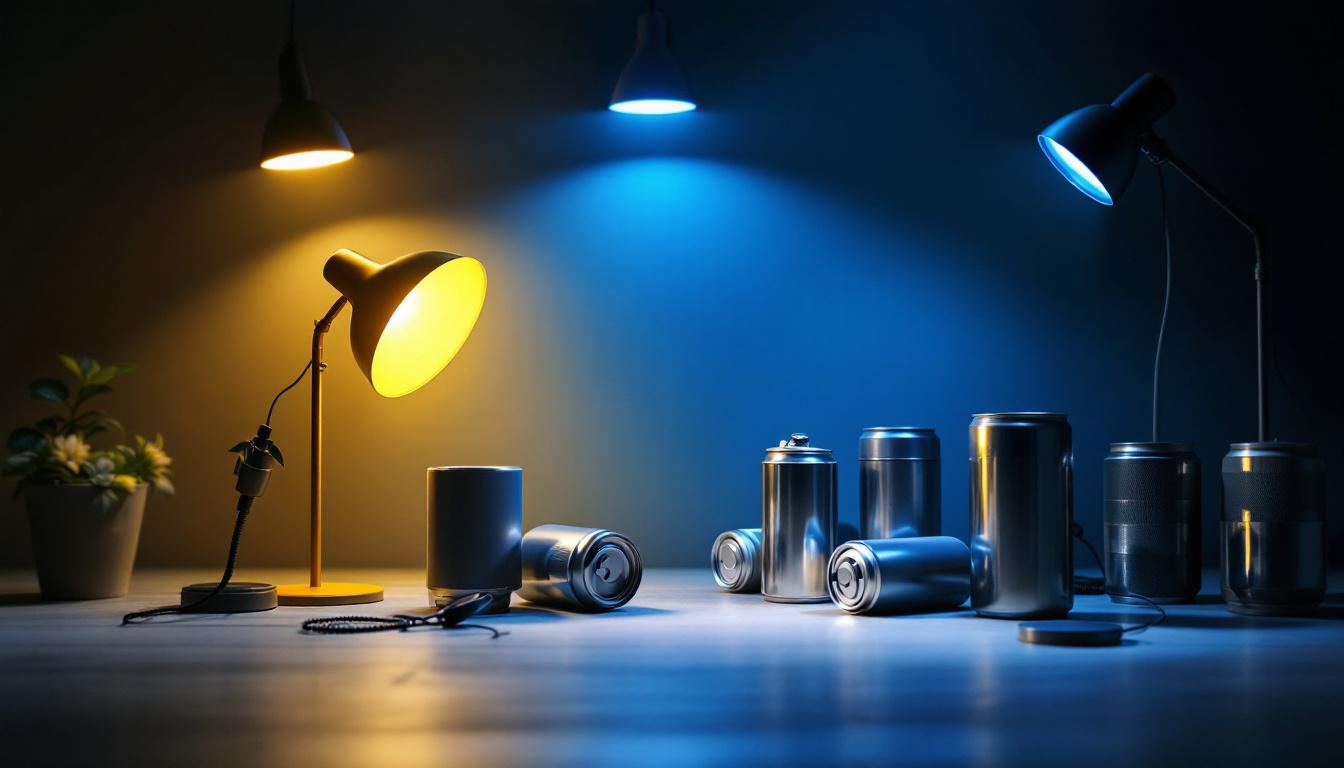
In the realm of lighting installations, the term “light cans” often surfaces, yet it is sometimes misunderstood or underestimated. Light cans, also known as recessed lighting fixtures, play a pivotal role in both residential and commercial lighting designs. Understanding their importance and functionality is essential for lighting contractors aiming to deliver quality installations that meet client expectations.
Understanding Light Cans
Light cans are typically cylindrical fixtures installed into ceilings or walls, designed to house light bulbs and direct light downwards or outwards. Their unobtrusive nature allows them to blend seamlessly into various architectural styles, making them a popular choice among designers and homeowners alike. These fixtures not only serve a practical purpose but also contribute to the overall ambiance of a room, creating a warm and inviting atmosphere when designed thoughtfully.
Types of Light Cans
There are several types of light cans available, each serving different purposes and accommodating various lighting needs. The most common types include:
- New Construction Cans: These are designed for installation in new builds before the ceiling is finished.
- Remodel Cans: Ideal for retrofitting existing spaces, these fixtures can be installed without major renovations.
- IC Rated Cans: These are designed to be installed in insulated ceilings, ensuring safety and compliance with building codes.
Functionality and Versatility
Light cans offer versatility in lighting design, allowing for various applications, including ambient, task, and accent lighting. Their adjustable features enable contractors to customize light direction, intensity, and color temperature, enhancing the overall aesthetic of a space. The ability to create layered lighting with light cans can dramatically change the perception of a room, making it feel larger or more intimate depending on the desired effect.
Moreover, the ability to use different types of bulbs—such as LED, halogen, or incandescent—further expands their functionality. This adaptability makes light cans suitable for various environments, from cozy residential settings to expansive commercial spaces. For instance, in a home office, warm LED bulbs can create a comfortable working environment, while cooler tones in a retail space can highlight products effectively. Additionally, many modern light cans come equipped with smart technology, allowing homeowners to control lighting remotely or set schedules, further enhancing convenience and energy efficiency.
The Importance of Proper Installation
While the design and selection of light cans are crucial, the installation process is equally significant. Proper installation ensures optimal performance and longevity of the fixtures, which directly impacts the quality of lighting in a space.
Compliance with Electrical Codes
Lighting contractors must adhere to local electrical codes and regulations when installing light cans. Compliance not only ensures safety but also minimizes the risk of electrical hazards. Understanding the specific requirements for different types of light cans, such as IC ratings and clearance specifications, is essential for a successful installation. Moreover, staying updated on any changes to these codes is vital, as regulations can evolve to accommodate new technologies and safety standards. This diligence not only protects the installer but also provides peace of mind to homeowners, knowing that their lighting system is safe and compliant.
Positioning and Spacing
Another critical aspect of installation is the positioning and spacing of light cans. The spacing between fixtures should be carefully calculated based on the room’s dimensions, ceiling height, and desired lighting effect. Incorrect placement can lead to uneven lighting, creating dark spots or overly bright areas that detract from the overall ambiance. A well-thought-out layout can enhance the functionality of a space, making it more inviting and comfortable.
Additionally, considering the room’s function can guide the positioning of light cans. For instance, task lighting in a kitchen may require more focused fixtures, while ambient lighting in a living room may benefit from a broader spread of light. It’s also important to take into account the color temperature of the bulbs being used, as this can significantly affect how colors appear in the room. Warmer tones can create a cozy atmosphere, ideal for relaxation, while cooler tones may be more suitable for workspaces, promoting alertness and focus. By thoughtfully combining these elements, one can achieve a harmonious balance that elevates the overall aesthetic and functionality of the environment.
Energy Efficiency and Sustainability
In today’s environmentally conscious market, energy efficiency is a top priority for many clients. Light cans, particularly those designed for LED bulbs, offer significant energy savings compared to traditional lighting solutions. This not only reduces energy costs but also contributes to a smaller carbon footprint. As more consumers and businesses recognize the importance of sustainability, the demand for energy-efficient products continues to rise, driving innovation and improvements in lighting technology.
Benefits of LED Light Cans
LED light cans are becoming increasingly popular due to their numerous advantages. They consume significantly less energy than incandescent or halogen bulbs, which translates to lower electricity bills for homeowners and businesses. Additionally, LED bulbs have a longer lifespan, reducing the frequency of replacements and maintenance costs. This longevity not only saves money but also minimizes waste, aligning with the principles of a circular economy where products are designed to be reused and recycled.
Moreover, many LED light cans are designed with advanced technology, such as dimming capabilities and smart home integration, allowing users to customize their lighting experience further. This level of control not only enhances comfort but also promotes energy conservation. For instance, smart LED light cans can be programmed to adjust brightness based on the time of day or occupancy, ensuring that energy is used efficiently. Furthermore, the ability to control lighting remotely through mobile apps adds convenience and encourages users to adopt more sustainable habits, such as turning off lights when they are not needed.
In addition to their energy-saving features, LED light cans are also available in a variety of styles and color temperatures, allowing for greater design flexibility in both residential and commercial spaces. Whether creating a warm, inviting atmosphere in a living room or a bright, focused environment in an office, the versatility of LED lighting can meet diverse aesthetic and functional needs. This adaptability makes LED light cans an ideal choice for architects and interior designers who prioritize sustainability without sacrificing style.
Enhancing Aesthetics with Light Cans
Beyond functionality, light cans play a crucial role in enhancing the aesthetic appeal of a space. Their ability to provide subtle, indirect lighting can create a warm and inviting atmosphere, making them a favorite among interior designers.
Creating Visual Interest
Strategically placed light cans can highlight architectural features, artwork, or decorative elements within a room. By directing light to specific areas, contractors can create focal points that draw the eye and add depth to the overall design.
Additionally, the use of adjustable light cans allows for flexibility in lighting design. By changing the angle or intensity of the light, contractors can transform a space’s mood and functionality, catering to different activities or times of day.
Integrating with Other Lighting Solutions
Light cans can be effectively integrated with other lighting solutions, such as wall sconces, pendant lights, or track lighting, to create a cohesive lighting design. This layering of light sources enhances both functionality and aesthetics, providing a well-rounded approach to illumination.
By combining different types of lighting, contractors can achieve a balanced and dynamic lighting scheme that meets the diverse needs of their clients. This holistic approach ensures that each space is not only well-lit but also visually appealing.
Challenges in Light Can Installation
While light cans offer numerous benefits, there are challenges associated with their installation that contractors must navigate. Understanding these challenges can help ensure a smoother installation process and a higher quality outcome.
Access and Space Constraints
One of the primary challenges in installing light cans is access to the ceiling space. In existing buildings, contractors may encounter obstacles such as insulation, ductwork, or plumbing that can complicate the installation process. Careful planning and assessment of the space are essential to avoid potential issues.
Additionally, in tight spaces, maneuvering tools and materials can be challenging. Contractors must be equipped with the right tools and techniques to ensure a successful installation without compromising safety or quality.
Client Expectations and Communication
Another challenge lies in managing client expectations. Clear communication regarding the capabilities and limitations of light cans is crucial to avoid misunderstandings. Contractors should take the time to educate clients about the installation process, potential challenges, and the final outcome.
By fostering open communication, contractors can build trust and ensure that clients feel informed and involved in the decision-making process. This approach not only enhances client satisfaction but also leads to more successful project outcomes.
Future Trends in Light Cans
The lighting industry is continually evolving, and light cans are no exception. Emerging trends are shaping the future of recessed lighting, offering exciting opportunities for contractors to explore.
Smart Lighting Technology
Smart lighting technology is rapidly gaining traction, and light cans are increasingly being designed to accommodate this trend. Features such as app-controlled dimming, color changing, and automation are becoming standard in modern light cans, allowing users to customize their lighting experience with ease.
As smart home technology continues to advance, contractors will need to stay informed about the latest developments to provide clients with cutting-edge solutions that enhance convenience and energy efficiency.
Sustainable Materials and Design
Another trend gaining momentum is the use of sustainable materials in lighting design. Manufacturers are increasingly focusing on eco-friendly materials and production processes, aligning with the growing demand for environmentally responsible products. Contractors should consider these options when selecting light cans, as they can appeal to environmentally conscious clients.
Additionally, energy-efficient designs that minimize waste and maximize performance will likely become more prevalent, further promoting sustainability in lighting installations.
Conclusion
In summary, light cans are a critical component of effective lighting installations, offering versatility, energy efficiency, and aesthetic appeal. For lighting contractors, understanding the various types of light cans, their installation requirements, and the latest trends in the industry is essential for delivering high-quality results.
By prioritizing proper installation techniques, adhering to electrical codes, and staying informed about emerging technologies, contractors can ensure that their lighting installations meet the diverse needs of their clients while enhancing the overall beauty and functionality of the spaces they serve.
As the lighting industry continues to evolve, embracing innovation and sustainability will be key to staying competitive and providing exceptional service in an ever-changing market.
Illuminate Your Projects with LumenWholesale
Ready to elevate your lighting installations with the versatility and efficiency of light cans? Look no further than LumenWholesale, where we provide contractors with the highest quality, spec-grade lighting products at unbeatable wholesale prices. Say goodbye to inflated markups and hello to a vast selection of reliable lighting solutions that meet the highest industry standards. With free shipping on bulk orders, LumenWholesale is your go-to source for premium lighting without hidden fees or compromises. Don’t miss out on the perfect blend of quality, affordability, and convenience. Visit us now at Wholesale Lighting at the Best Value and bring superior lighting to every project.