Understanding the Importance of Future-Proofing Residential Exterior Lighting
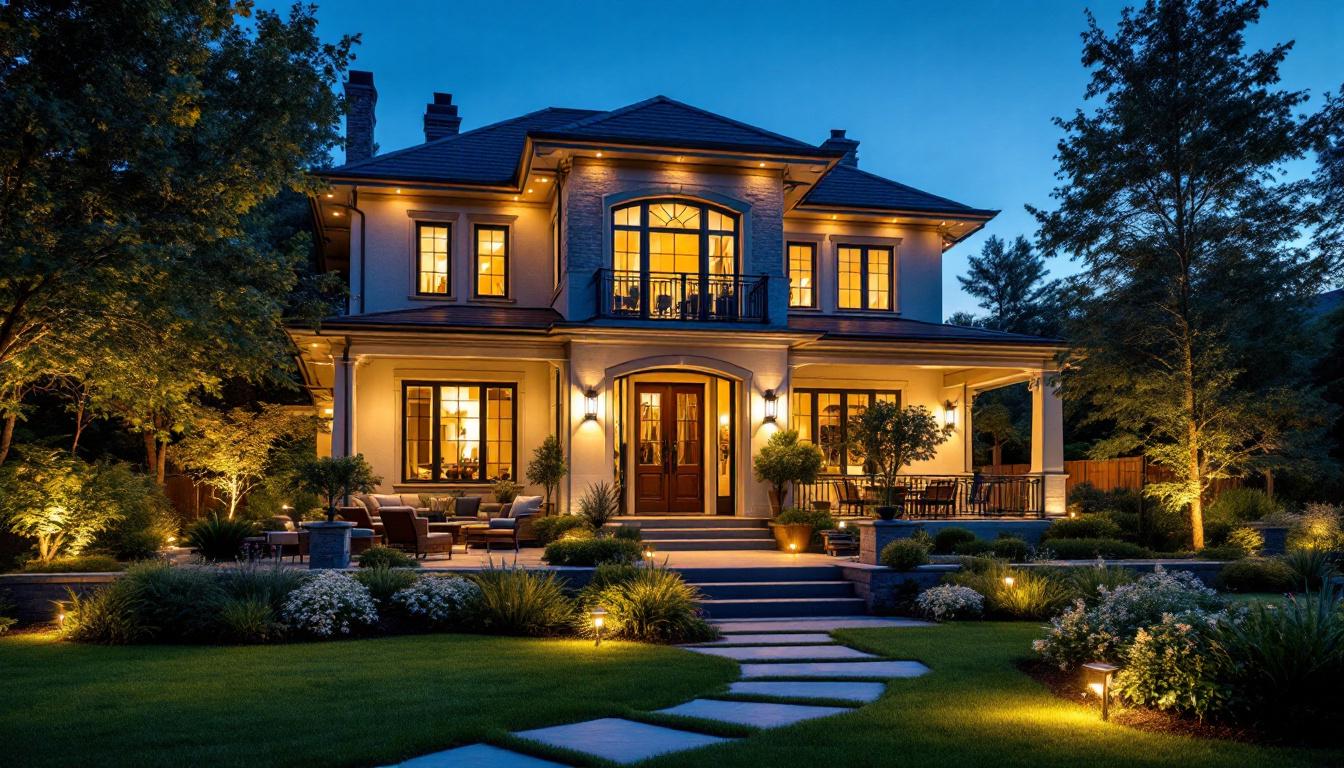
In the realm of residential exterior lighting, contractors face the challenge of designing and installing systems that not only meet current aesthetic and functional demands but also remain adaptable to evolving technologies and homeowner needs. Future-proofing lighting projects is essential to ensure longevity, cost-effectiveness, and customer satisfaction.
As lighting technology rapidly advances, what is state-of-the-art today can become obsolete in a few years. For contractors, this means that a forward-thinking approach to design and installation is critical. Future-proofing helps avoid costly retrofits, reduces maintenance headaches, and positions contractors as trusted advisors who deliver lasting value.
Why Future-Proofing Matters to Lighting Contractors
Residential clients increasingly expect their exterior lighting to incorporate smart technology, energy efficiency, and customizable features. A lighting system installed today should seamlessly integrate with tomorrow’s innovations, such as advanced sensors, IoT connectivity, and sustainable power sources.
Moreover, regulations and standards related to energy consumption and environmental impact are continually evolving. Contractors who anticipate these changes can design systems that comply with future codes, thereby protecting homeowners from potential fines or the need for premature upgrades.
In addition to regulatory considerations, the rise of smart home technology has transformed consumer expectations. Homeowners are now looking for lighting solutions that can be controlled remotely via smartphones or voice-activated assistants, allowing for enhanced convenience and security. By incorporating adaptable systems that can easily integrate with smart home platforms, contractors not only meet current demands but also position themselves to capitalize on the growing trend of home automation. This foresight can lead to increased referrals and repeat business as satisfied clients recommend their services to others.
Furthermore, the environmental impact of lighting choices cannot be overstated. As sustainability becomes a priority for many homeowners, contractors who prioritize energy-efficient options, such as LED fixtures and solar-powered solutions, will find themselves ahead of the curve. These choices not only reduce energy costs for homeowners but also contribute to a greener planet, aligning with the values of an increasingly eco-conscious consumer base. By educating clients on the benefits of sustainable lighting solutions, contractors can foster trust and loyalty, ensuring that their services remain in demand as the market continues to evolve.
Key Strategies for Future-Proofing Exterior Lighting Projects
1. Opt for Modular and Scalable Designs
Modularity is a cornerstone of future-proof design. By selecting lighting fixtures and control systems that are modular, contractors enable homeowners to expand or modify their setups without extensive rewiring or replacement of entire systems.
For example, using fixtures with interchangeable components or control hubs that support additional nodes allows for incremental upgrades. This flexibility is particularly valuable as smart home ecosystems grow and homeowners seek to integrate new devices. Moreover, modular designs can accommodate changing trends in aesthetics and technology, ensuring that outdoor spaces remain contemporary and functional over time. Homeowners can easily switch out lighting styles or add features like color-changing bulbs to adapt to seasonal themes or personal preferences, enhancing the overall ambiance of their outdoor areas.
2. Prioritize Energy Efficiency and Sustainable Technologies
Energy-efficient lighting solutions not only reduce utility costs but also align with increasing environmental awareness among homeowners. LED technology remains the gold standard for efficiency and longevity, but contractors should also consider innovations like solar-powered fixtures and low-voltage systems.
Incorporating renewable energy options, such as solar panels paired with battery storage, can future-proof lighting projects by reducing dependence on grid power and enhancing resilience during outages. Additionally, energy-efficient designs often qualify for rebates or incentives, adding value for clients. Beyond just the financial benefits, these sustainable technologies can significantly decrease the carbon footprint of a home, appealing to eco-conscious consumers. As the market for green building practices expands, homeowners may find that energy-efficient lighting not only increases property value but also enhances their quality of life by creating healthier outdoor environments.
3. Embrace Smart Lighting Controls and Integration
Smart lighting controls are transforming residential exterior lighting by offering remote access, automation, and customization. Contractors should install control systems that support popular communication protocols (e.g., Zigbee, Z-Wave, Wi-Fi) to ensure compatibility with a wide range of smart home platforms.
Integration with voice assistants, security systems, and environmental sensors enhances functionality and user experience. Future-proof projects incorporate hubs or gateways that can be updated via software, allowing homeowners to benefit from new features without hardware changes. Furthermore, the ability to program lighting schedules and respond to real-time data, such as weather conditions or occupancy, means that outdoor lighting can be both adaptive and energy-efficient. For instance, lights can automatically brighten when a person approaches or dim when no one is around, creating a safer and more inviting atmosphere while conserving energy. This level of sophistication not only elevates the user experience but also positions the home at the forefront of technological advancements in residential living.
Technological Considerations for Long-Term Success
Choosing Durable and Weather-Resistant Fixtures
Exterior lighting must withstand harsh weather conditions, including rain, snow, UV exposure, and temperature fluctuations. Selecting fixtures with high ingress protection (IP) ratings and corrosion-resistant materials ensures durability and reduces maintenance needs.
Contractors should also consider the ease of maintenance and replacement. Fixtures designed with accessible components and standardized parts simplify future upgrades or repairs, contributing to the system’s longevity.
Implementing Advanced Sensor Technologies
Motion sensors, ambient light detectors, and occupancy sensors enhance both security and energy efficiency. Modern sensors with adjustable sensitivity and range settings allow for tailored lighting responses that meet specific homeowner preferences.
Integrating sensors that communicate with smart controls enables dynamic lighting scenes, such as dimming during low activity or brightening upon movement detection. This adaptability not only improves user experience but also extends fixture lifespan by reducing unnecessary operation.
Planning for Network and Power Infrastructure
Robust network infrastructure is vital for smart lighting systems. Contractors should advise clients on installing reliable Wi-Fi extenders or dedicated mesh networks to ensure consistent connectivity across the property.
Power infrastructure should accommodate future expansions. Installing conduit pathways and junction boxes during initial construction simplifies adding new fixtures or upgrading control systems. Additionally, using low-voltage wiring where possible increases safety and flexibility.
Design Principles to Enhance Future-Proofing
Balancing Aesthetics with Functionality
Exterior lighting serves both decorative and practical purposes. Future-proof designs strike a balance by selecting timeless fixture styles that complement the home’s architecture while incorporating adaptable features like adjustable color temperature and beam angles.
Neutral fixture designs reduce the risk of becoming outdated, while customizable lighting effects allow homeowners to refresh their outdoor ambiance without replacing hardware.
Incorporating Zoning and Layered Lighting
Dividing the exterior lighting into zones controlled independently provides homeowners with greater flexibility. For instance, pathways, patios, gardens, and security areas can each have tailored lighting schedules and intensities.
Layered lighting—combining ambient, task, and accent lights—enhances usability and visual interest. Designing with layering in mind ensures that future additions or modifications integrate smoothly into the existing system.
Ensuring Accessibility and User-Friendly Controls
Future-proof lighting systems should prioritize ease of use. Intuitive control interfaces, whether through mobile apps, wall panels, or voice commands, encourage homeowner engagement and satisfaction.
Contractors should provide thorough documentation and training to clients, enabling them to maximize the benefits of their lighting system and adapt settings as their needs evolve.
Emerging Trends and Innovations to Watch
Integration with Home Automation and Security Systems
The convergence of lighting with broader home automation platforms is accelerating. Lighting contractors who collaborate with security and smart home professionals can offer integrated solutions that enhance safety, convenience, and energy management.
For example, exterior lighting that responds to security camera alerts or doorbell activity provides proactive illumination, deterring intruders and improving visibility for residents.
Advances in Human-Centric and Circadian Lighting
Human-centric lighting considers the impact of light on health and well-being. Emerging exterior lighting solutions adjust color temperature and intensity to support natural circadian rhythms, promoting restful sleep and alertness.
Incorporating these principles into residential exterior lighting can differentiate contractors’ offerings and appeal to health-conscious homeowners.
Wireless Power and Energy Harvesting Technologies
Innovations in wireless power transfer and energy harvesting, such as kinetic or thermal energy capture, are beginning to influence outdoor lighting design. While still emerging, these technologies promise to reduce wiring complexity and enhance sustainability.
Contractors who stay informed about these developments can prepare clients for seamless adoption as the technologies mature and become commercially viable.
Best Practices for Installation and Maintenance
Thorough Site Assessment and Planning
Successful future-proofing begins with a comprehensive site assessment. Contractors should evaluate environmental factors, existing infrastructure, and homeowner preferences to tailor lighting solutions effectively.
Planning should include provisions for future expansions, such as spare conduits and accessible control hubs, minimizing disruption during upgrades.
Quality Installation Techniques
Meticulous installation practices ensure system reliability and ease of maintenance. Proper sealing of fixtures, secure wiring connections, and adherence to electrical codes are fundamental.
Documenting the installation with diagrams and photographs supports troubleshooting and future modifications, providing value to both contractors and clients.
Scheduled Maintenance and Client Education
Regular maintenance extends the lifespan of exterior lighting systems. Contractors should offer maintenance plans that include cleaning fixtures, testing sensors, and updating software for smart controls.
Educating homeowners on basic troubleshooting and system operation empowers them to manage minor issues and recognize when professional service is needed.
Conclusion: Positioning for Long-Term Success in Residential Exterior Lighting
For lighting contractors, future-proofing residential exterior lighting projects is not just a technical imperative but a strategic advantage. By embracing modular designs, energy-efficient technologies, smart controls, and durable materials, contractors can deliver solutions that adapt gracefully to changing technologies and homeowner expectations.
Staying informed about emerging trends and maintaining high standards in installation and maintenance further solidify a contractor’s reputation for quality and innovation. Ultimately, future-proofing enhances customer satisfaction, reduces lifecycle costs, and positions contractors as leaders in a competitive market.
Illuminate Your Projects with LumenWholesale
Ready to elevate your residential exterior lighting projects with cutting-edge, future-proof solutions? Look no further than LumenWholesale, where we provide contractors with the highest quality, spec-grade lighting products at unparalleled wholesale prices. Our commitment to affordability, quality, and convenience ensures that you can confidently meet and exceed homeowner expectations, today and in the future. Take advantage of our hassle-free bulk buying and free shipping to secure premium lighting at the best value. Visit Wholesale Lighting at the Best Value and transform your lighting projects with LumenWholesale.