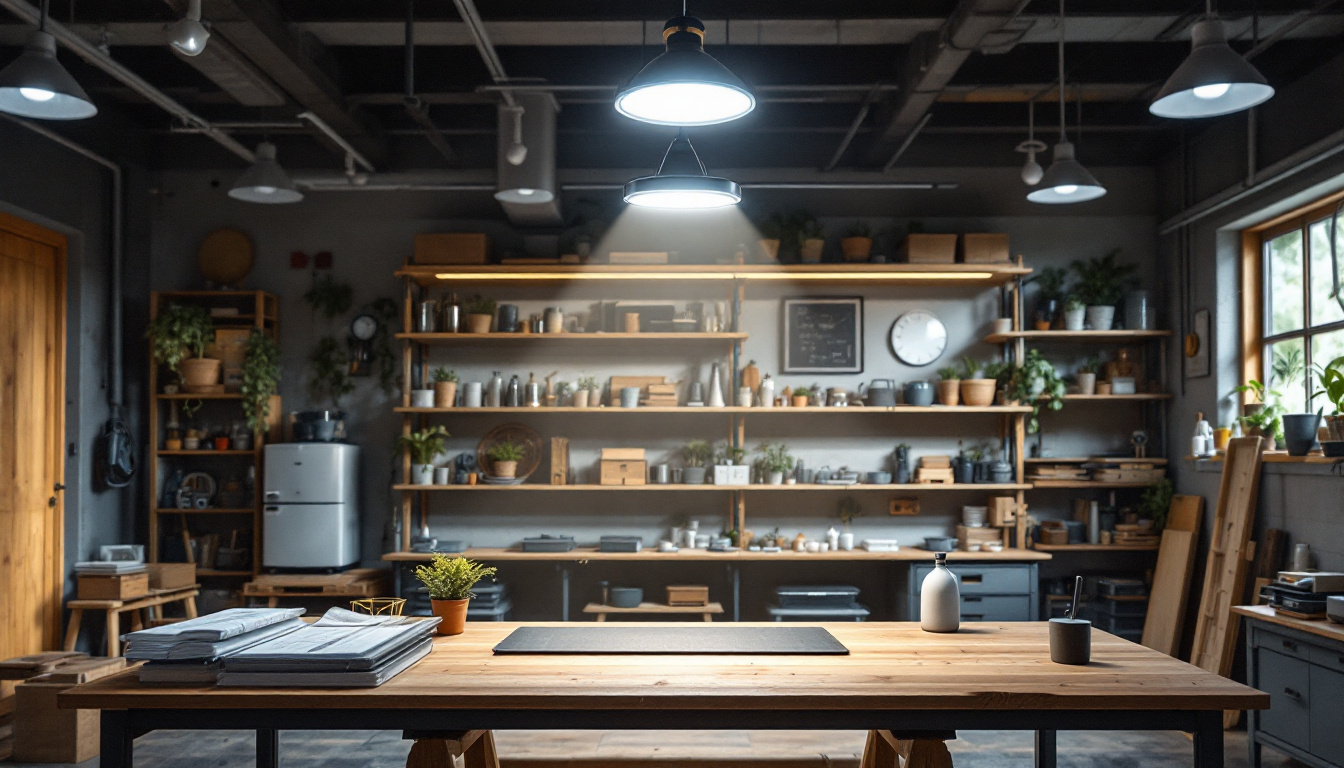
Introduction to LED Growlights in Modern Lighting Installations
In the evolving landscape of lighting technology, LED growlights have emerged as a pivotal component in both commercial and residential lighting installations. For lighting contractors, understanding the critical role of LED growlights is essential to meeting the demands of clients who seek efficient, sustainable, and high-performing lighting solutions for plant cultivation.
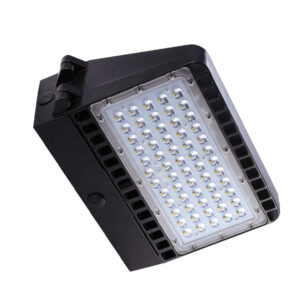
LED growlights are specialized light sources designed to support photosynthesis by emitting light spectra tailored to plant growth cycles. Unlike traditional lighting methods, these lights offer precise control over intensity and wavelength, making them indispensable in controlled environment agriculture, vertical farming, and even hobbyist gardening setups.
The versatility of LED growlights extends beyond just their spectral output. Many models are equipped with smart technology, allowing users to program light schedules and adjust settings remotely via smartphone applications. This feature not only enhances user convenience but also optimizes energy consumption, ensuring that plants receive the appropriate light at the right times without unnecessary energy waste. Furthermore, the longevity of LED growlights, often rated for tens of thousands of hours, means that they require less frequent replacement compared to traditional bulbs, thereby reducing maintenance costs and downtime.
In addition to their energy efficiency and longevity, LED growlights also contribute to a healthier growing environment. They produce minimal heat compared to incandescent or fluorescent lights, which helps maintain optimal temperatures for plant growth and reduces the need for additional cooling systems. This characteristic is particularly beneficial in small spaces or urban settings where heat buildup can be a significant concern. Moreover, the ability to customize the light spectrum allows growers to tailor their lighting to specific plant types, enhancing growth rates and yields while minimizing the risk of issues such as stretching or leaf burn that can occur with less adaptable lighting solutions.
The Science Behind LED Growlights
Optimized Light Spectrum for Plant Growth
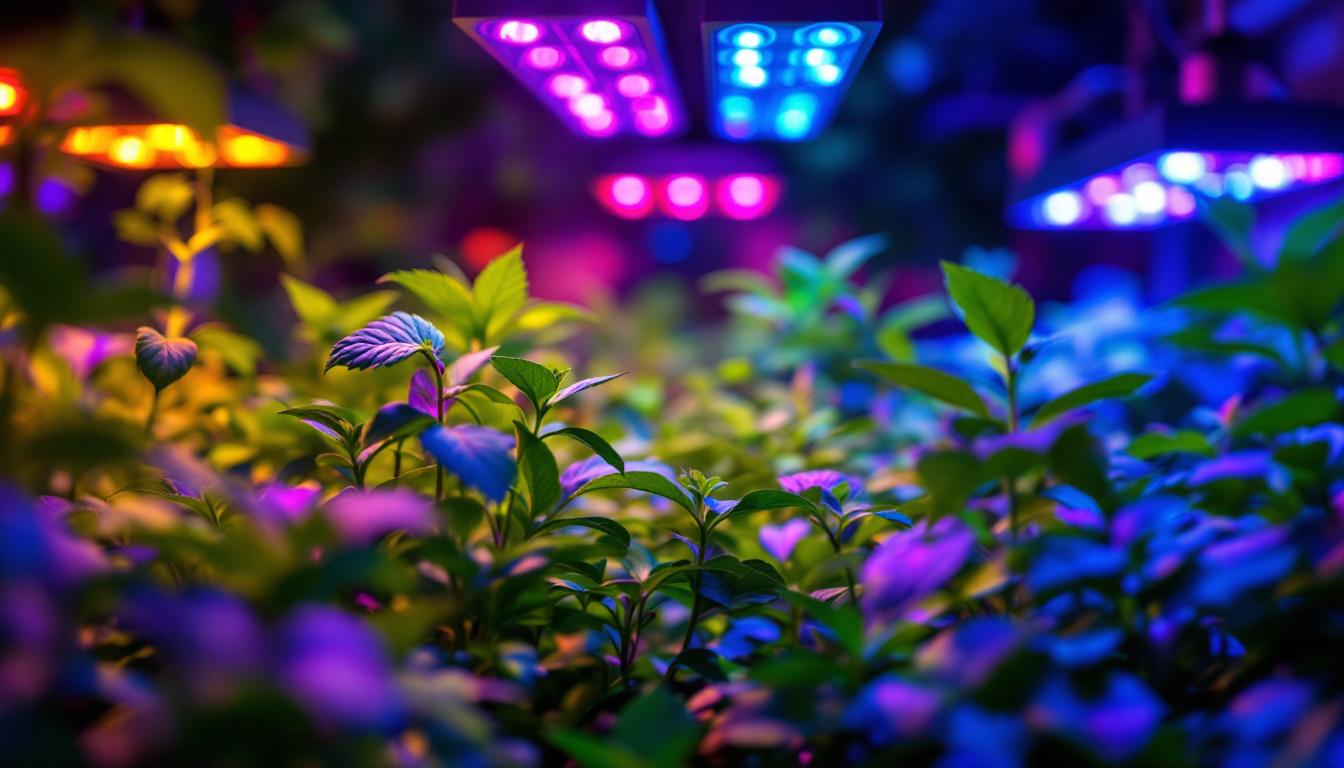
Plants rely on specific wavelengths of light, primarily in the blue (400–500 nm) and red (600–700 nm) regions, for photosynthesis and development. LED growlights can be engineered to emit these precise wavelengths, maximizing photosynthetic efficiency. This targeted approach contrasts with conventional lighting, which often emits a broad spectrum with significant energy wasted on non-beneficial wavelengths.
By delivering light that closely matches chlorophyll absorption peaks, LED growlights enhance plant growth rates, improve yields, and can even influence plant morphology and flowering times. This spectral customization is a game-changer for lighting contractors aiming to provide tailored solutions for horticultural clients. Additionally, recent advancements in LED technology have introduced the use of supplemental wavelengths, such as far-red (700–800 nm), which can further stimulate plant responses, promoting processes like photomorphogenesis and flowering. This means that growers can not only optimize growth but also fine-tune their plants’ development stages, leading to healthier and more robust crops.
Energy Efficiency and Longevity
One of the most compelling reasons LED growlights are critical in lighting installations is their superior energy efficiency. LEDs convert a higher percentage of electrical energy into usable light compared to traditional HID or fluorescent growlights, reducing operational costs significantly. For contractors, this translates into offering clients lighting systems with lower total cost of ownership.
Moreover, LED growlights boast longer lifespans, often exceeding 50,000 hours of operation. This durability reduces maintenance frequency and replacement costs, which is especially important in commercial grow operations where downtime can be costly. Beyond just the financial benefits, the environmental impact of using energy-efficient LEDs cannot be overlooked. With a lower carbon footprint and reduced heat output, these lights contribute to a more sustainable growing environment, allowing for cooler temperatures that can enhance plant health and reduce the need for additional cooling systems. As the industry moves towards more eco-friendly practices, the adoption of LED technology stands out as a pivotal step in promoting sustainable agriculture.
Applications of LED Growlights in Lighting Installations
Commercial Agriculture and Vertical Farming
Commercial growers increasingly rely on LED growlights to optimize indoor farming environments. Vertical farms, which stack layers of crops to maximize space, benefit immensely from the compact and directional nature of LEDs. Lighting contractors working on these installations must understand how to integrate LED growlights to ensure uniform light distribution and energy efficiency.
Additionally, LED growlights enable year-round production by providing consistent light conditions regardless of external weather, enhancing food security and supply chain resilience. This makes LED growlights a critical component in modern agricultural lighting design. The ability to control light spectra also allows growers to tailor the light conditions to specific plant needs, promoting faster growth cycles and higher yields. As a result, many commercial growers are now experimenting with different light recipes to optimize their crops, leading to innovative approaches in agricultural practices.
Greenhouses and Supplemental Lighting
In greenhouse environments, LED growlights serve as supplemental lighting to natural sunlight. They extend photoperiods and compensate for low light conditions during cloudy days or winter months. Lighting contractors must consider factors such as light intensity, spectrum, and heat output when integrating LED growlights into greenhouse systems to avoid plant stress and optimize growth.
With LEDs producing less heat than traditional lamps, they reduce the risk of leaf burn and allow lights to be positioned closer to plants, improving light penetration and energy efficiency. Furthermore, the versatility of LED technology allows for the use of adjustable light settings, enabling growers to fine-tune their lighting based on the growth stage of the plants. This adaptability not only enhances plant health but also contributes to a more sustainable growing environment by minimizing energy consumption and operational costs.
Residential and Hobbyist Use
Beyond commercial applications, LED growlights have gained popularity among home gardeners and hobbyists. Lighting contractors serving residential clients can leverage LED growlights to support indoor herb gardens, ornamental plants, and small-scale vegetable cultivation. The compact size and low heat emission make LEDs ideal for limited spaces such as apartments and balconies.
Moreover, the aesthetic appeal of LED growlights has led to their integration into home decor, allowing urban gardeners to create visually pleasing displays of greenery. Many hobbyists appreciate the ability to customize their lighting setups with programmable features, such as timers and color adjustments, which can simulate natural sunlight patterns. This not only enhances the growth of plants but also provides an engaging and educational experience for families, fostering a deeper connection to the food they grow and the environment around them.
Key Benefits of LED Growlights for Lighting Contractors
Customization and Control
Modern LED growlight systems often come with advanced control options, including dimming, spectrum tuning, and programmable light cycles. This level of customization allows lighting contractors to design installations that precisely match the needs of different plant species and growth stages.
Such flexibility is a significant selling point, enabling contractors to differentiate their services by offering tailored lighting solutions that optimize plant health and productivity.
Reduced Environmental Impact
With growing emphasis on sustainability, LED growlights contribute to reducing the environmental footprint of lighting installations. Their high energy efficiency lowers electricity consumption, and their longer lifespan means less waste from discarded bulbs. Lighting contractors who prioritize green building practices can highlight these benefits to attract environmentally conscious clients.
Cost Savings and Return on Investment
Although the initial investment in LED growlights may be higher than traditional lighting, the overall cost savings over time are substantial. Reduced energy bills, lower maintenance costs, and increased crop yields contribute to a favorable return on investment. Lighting contractors equipped with this knowledge can effectively communicate the long-term economic advantages to clients.
Challenges and Considerations in LED Growlight Installations
Initial Cost and Budgeting
One of the primary challenges contractors face is the upfront cost of high-quality LED growlight systems. While prices have decreased over time, budgeting for these installations requires careful planning and client education to justify the expenditure based on long-term benefits.
Heat Management and Ventilation
Although LEDs generate less heat than traditional growlights, heat dissipation remains a consideration, especially in densely packed installations. Proper heat sinks, ventilation, and cooling systems must be incorporated to maintain optimal operating temperatures and prevent damage to both the lights and plants.
Light Placement and Coverage
Ensuring uniform light distribution is critical for consistent plant growth. Contractors must design layouts that avoid shadows and hotspots, taking into account the height, spacing, and angle of LED growlights. Advanced modeling tools and photometric data can assist in achieving optimal coverage.
Future Trends in LED Growlight Technology
Integration with Smart Systems
The future of LED growlighting is closely tied to smart technology integration. Automated control systems that adjust lighting based on real-time environmental data, plant health sensors, and AI-driven growth optimization are becoming increasingly accessible. Lighting contractors who stay abreast of these advancements can offer cutting-edge solutions that enhance efficiency and outcomes.
Advancements in Spectrum Engineering
Research continues to refine the spectral output of LED growlights, exploring wavelengths beyond traditional blue and red bands to include far-red, UV, and green light. These enhancements aim to further improve plant growth, flavor, nutritional content, and resistance to pests and diseases, opening new possibilities for horticultural lighting design.
Modular and Scalable Systems
Modularity in LED growlight design allows for scalable installations that can grow alongside the client’s needs. Lighting contractors can offer flexible systems that adapt to expanding operations, making LED growlights not just a current solution but a future-proof investment.
Conclusion: The Indispensable Role of LED Growlights in Lighting Installations
For lighting contractors, LED growlights represent a critical technology that bridges the gap between efficient lighting and effective plant cultivation. Their tailored spectral output, energy efficiency, longevity, and adaptability make them indispensable in a wide range of applications from commercial agriculture to residential gardening.
By mastering the technical aspects and installation best practices of LED growlights, contractors can provide superior value to clients, drive sustainability, and position themselves at the forefront of the lighting industry’s future. As the demand for controlled environment agriculture and sustainable lighting solutions grows, LED growlights will continue to be a cornerstone of innovative lighting installations.
Illuminate Your Projects with LumenWholesale
Ready to elevate your lighting installations with the efficiency and innovation of LED growlights? Look no further than LumenWholesale, where we provide contractors with the highest quality, spec-grade lighting solutions at unbeatable wholesale prices. Our extensive selection is designed to meet the most rigorous industry standards, ensuring your projects shine with reliability and high performance. Plus, with the convenience of free shipping on bulk orders, you can trust that you’re getting the best value without any hidden fees. Make the smart choice for your lighting needs and experience the perfect blend of quality, affordability, and convenience. Visit LumenWholesale today for Wholesale Lighting at the Best Value and transform the way you light up your horticultural projects.