In the world of lighting, understanding the intricacies of different bulb types is essential for contractors. The 40 Watt Type G light bulb, a staple in many residential and commercial settings, offers a unique blend of efficiency and versatility. This article aims to provide valuable insights for lighting contractors regarding the use, application, and benefits of Type G bulbs, ensuring that they can make informed decisions for their projects.
Understanding Type G Light Bulbs
Type G light bulbs are characterized by their globe shape and are commonly used in a variety of settings, including homes, offices, and retail spaces. These bulbs typically provide a soft, diffused light that is ideal for creating a warm and inviting atmosphere. Understanding the specifications and features of Type G bulbs is crucial for lighting contractors who aim to deliver optimal lighting solutions.
Specifications and Features
The 40 Watt Type G light bulb typically has a base type of E26, which is standard for many household fixtures. It operates at a voltage of 120 volts, making it compatible with most residential electrical systems. The bulb’s shape allows for a wide beam angle, providing even illumination across a space. Contractors should also note the color temperature, which usually falls within the warm white spectrum, ranging from 2700K to 3000K.
Another important feature to consider is the bulb’s lifespan. While traditional incandescent Type G bulbs have a shorter lifespan, advancements in technology have led to the development of energy-efficient alternatives such as LED Type G bulbs. These options not only consume less energy but also last significantly longer, reducing the frequency of replacements. Moreover, many LED Type G bulbs are now available with dimmable features, allowing for greater control over lighting levels and enhancing the versatility of the fixtures they are used in.
Applications of Type G Bulbs
Type G bulbs are versatile and can be used in various applications. They are commonly found in decorative fixtures, such as chandeliers and pendant lights, where their aesthetic appeal enhances the overall design. Additionally, they are suitable for use in table lamps and floor lamps, providing ambient lighting that enhances comfort and functionality. The globe shape of Type G bulbs not only serves a practical purpose but also adds a touch of elegance to any lighting design, making them a popular choice among interior designers.
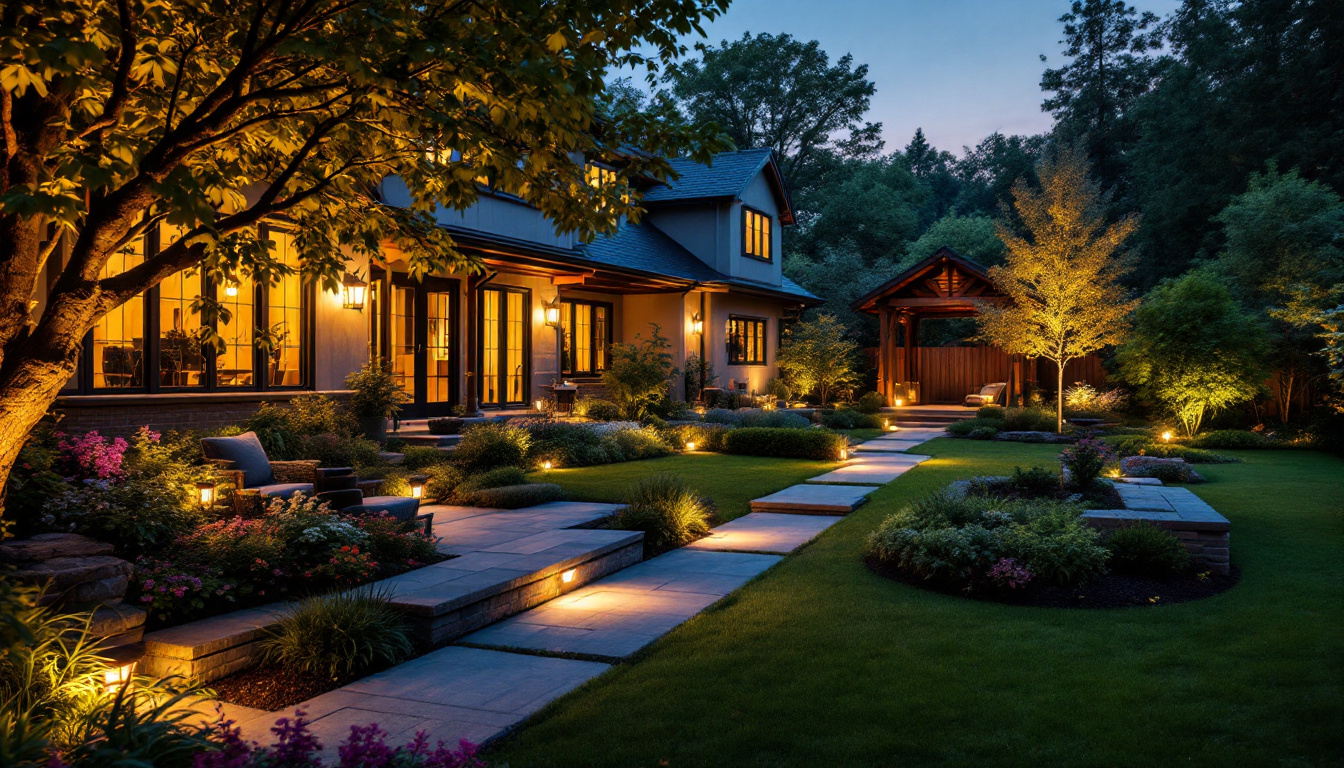
In commercial spaces, Type G bulbs can be used in retail displays to highlight products, creating an inviting shopping experience. Their soft light can also be beneficial in hospitality settings, such as restaurants and hotels, where ambiance plays a crucial role in customer satisfaction. Beyond these applications, Type G bulbs are also gaining traction in outdoor settings, such as patios and garden areas, where their warm glow can create a cozy atmosphere for evening gatherings. With the rise of smart home technology, many Type G bulbs are now available with smart capabilities, allowing users to control brightness and color temperature through mobile apps or voice commands, further expanding their usability in modern lighting designs.
Energy Efficiency Considerations
As energy efficiency becomes increasingly important in the lighting industry, contractors must consider the implications of using 40 Watt Type G bulbs. While traditional incandescent bulbs have been popular for years, their energy consumption is significantly higher compared to modern alternatives.
Comparing Incandescent and LED Options
When comparing incandescent Type G bulbs to their LED counterparts, the differences in energy consumption are striking. An incandescent bulb typically consumes 40 watts, while an LED equivalent may only use around 6 to 8 watts to produce the same amount of light output. This reduction in wattage translates to lower energy bills and a smaller carbon footprint, making LED Type G bulbs a more sustainable choice.
Moreover, LED bulbs have a longer lifespan, often lasting up to 25,000 hours compared to the 1,000 hours of incandescent bulbs. This longevity not only reduces waste but also minimizes the need for frequent replacements, which is a significant advantage for contractors managing large projects. Additionally, the durability of LED technology means they are less prone to breakage, which can be particularly beneficial in high-traffic areas or settings where fixtures are subject to vibration or movement.
Incentives for Energy-Efficient Lighting
Many regions offer incentives for using energy-efficient lighting solutions, including rebates and tax credits. Contractors should stay informed about local programs that promote the installation of LED lighting. By incorporating these options into their projects, contractors can not only enhance the sustainability of their work but also provide clients with cost-saving benefits.
Furthermore, the shift towards energy-efficient lighting is not just a trend; it is becoming a regulatory requirement in many areas. Building codes increasingly mandate the use of energy-efficient lighting solutions, and failing to comply can result in penalties or increased operational costs. By proactively adopting LED technology, contractors can position themselves as leaders in the industry, ensuring they meet current and future regulations while appealing to environmentally conscious clients who prioritize sustainability in their projects.
Installation Tips for Type G Bulbs
Proper installation is crucial for maximizing the performance of Type G bulbs. Lighting contractors should be aware of best practices to ensure that the bulbs operate efficiently and safely.
Choosing the Right Fixture
When selecting fixtures for Type G bulbs, it is essential to ensure compatibility. The fixture should be designed to accommodate the bulb’s size and wattage. Additionally, contractors should consider the fixture’s design and how it complements the overall aesthetic of the space. A well-chosen fixture can enhance the bulb’s performance and contribute to the desired ambiance.
Moreover, the material and finish of the fixture can significantly impact the light quality. For instance, fixtures with reflective surfaces can amplify the brightness and spread of light, while those with diffusers can soften the illumination, creating a more inviting atmosphere. It’s also beneficial to consider the bulb’s color temperature when selecting a fixture, as warmer tones can create a cozy feel in living spaces, while cooler tones are often preferred in work environments for better focus and productivity.
Wiring and Electrical Considerations
Before installation, contractors must verify that the electrical wiring is suitable for the wattage of the bulbs being used. Overloading a circuit can lead to safety hazards and potential damage to the electrical system. It is advisable to consult local electrical codes and regulations to ensure compliance.
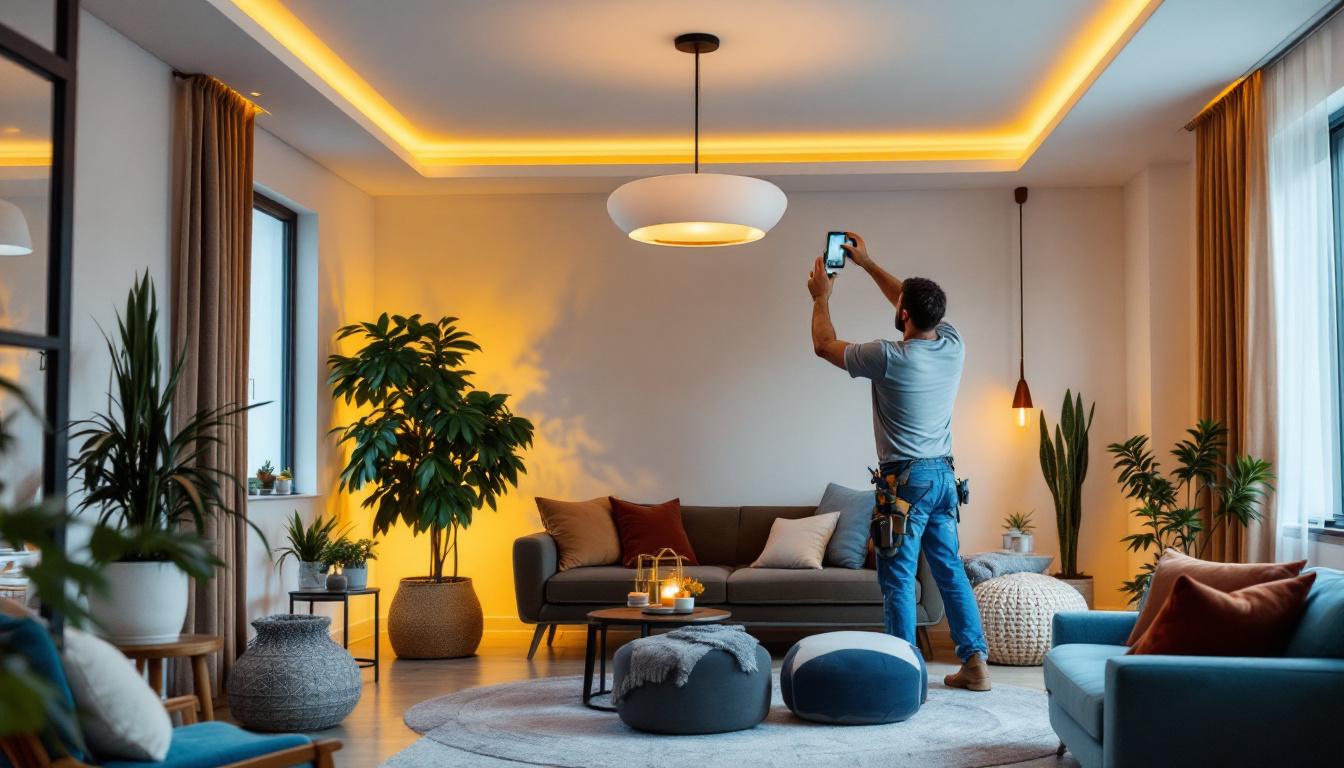
Furthermore, using dimmer switches with Type G bulbs can provide added versatility, allowing clients to adjust the light intensity according to their preferences. However, it is important to ensure that the dimmer is compatible with the specific type of bulb being installed, especially when using LED options. Additionally, contractors should educate clients about the benefits of smart lighting systems, which can offer remote control and programmable settings, enhancing both convenience and energy efficiency. By integrating such technology, users can create dynamic lighting scenarios that adapt to their daily routines or special occasions, further elevating the functionality of their spaces.
Maintenance and Troubleshooting
Regular maintenance is key to ensuring the longevity and performance of Type G bulbs. Contractors should educate clients on the importance of keeping fixtures clean and free from dust and debris, as this can impact light output and efficiency.
Identifying Common Issues
One common issue that may arise with Type G bulbs is flickering. This can be caused by several factors, including loose connections, incompatible dimmer switches, or the bulb nearing the end of its lifespan. Contractors should be prepared to troubleshoot these issues and provide solutions to clients, ensuring their lighting systems operate smoothly.
Replacement Recommendations
When it comes time to replace Type G bulbs, contractors should recommend energy-efficient alternatives to clients. Educating clients on the benefits of LED options can help them make informed decisions that align with their budget and sustainability goals. Providing a range of options, including different color temperatures and brightness levels, can also enhance client satisfaction.
Future Trends in Lighting
The lighting industry is continually evolving, with new technologies and trends emerging regularly. Staying informed about these developments is essential for lighting contractors looking to remain competitive in the market.
Smart Lighting Solutions
One significant trend is the rise of smart lighting solutions. These systems allow users to control their lighting remotely through smartphones or voice-activated devices. Incorporating smart technology into Type G bulb installations can enhance user experience and provide added convenience for clients. Contractors should familiarize themselves with the various smart lighting options available and consider how they can integrate these systems into their projects.
Sustainability and Eco-Friendly Practices
As sustainability becomes a priority for consumers, contractors should focus on eco-friendly practices in their lighting installations. This includes recommending energy-efficient bulbs, utilizing sustainable materials for fixtures, and promoting recycling programs for old bulbs. By adopting these practices, contractors can position themselves as environmentally conscious professionals, appealing to a growing market of eco-aware clients.
Conclusion
The 40 Watt Type G light bulb remains a popular choice for both residential and commercial applications. Understanding its specifications, applications, and energy efficiency considerations is crucial for lighting contractors aiming to provide quality solutions. By staying informed about installation best practices, maintenance, and emerging trends, contractors can enhance their expertise and deliver exceptional service to their clients.
As the lighting industry continues to evolve, embracing energy-efficient options and smart technology will not only benefit contractors but also contribute to a more sustainable future. By prioritizing these aspects, lighting contractors can ensure that they remain at the forefront of the industry, ready to meet the diverse needs of their clients.
Illuminate Your Projects with LumenWholesale
Ready to elevate your lighting projects with the best in class solutions? Look no further than LumenWholesale for all your 40 Watt Type G light bulb needs and more. Our commitment to quality and affordability ensures that you have access to the most efficient, durable, and cost-effective lighting products on the market. Say goodbye to inflated markups and hello to hassle-free bulk buying with free shipping. Don’t compromise on quality or price. Discover the value of wholesale lighting with LumenWholesale and light up your client’s spaces with confidence.