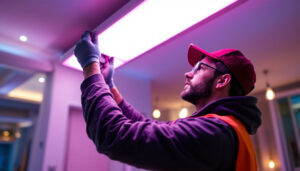
Understanding Light Panel Ceilings: A Modern Lighting Solution
Light panel ceilings represent a significant advancement in architectural lighting design, combining aesthetics, functionality, and energy efficiency. For lighting contractors, mastering the nuances of these systems is essential to meet the evolving demands of commercial, institutional, and residential projects.
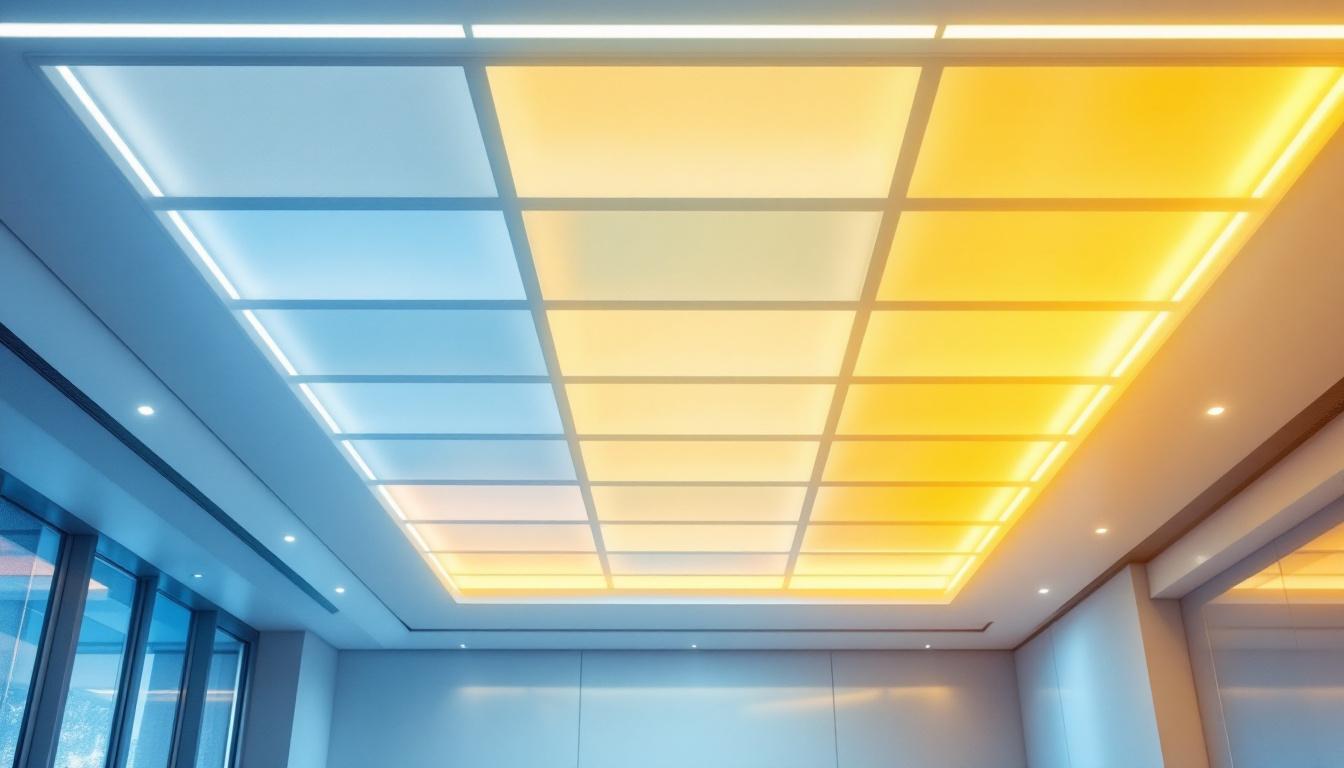
At their core, light panel ceilings consist of integrated LED panels installed flush with or recessed into the ceiling structure. These panels provide uniform, glare-free illumination, making them ideal for environments where consistent lighting quality is paramount. Their sleek, minimalist appearance also supports contemporary interior design trends, offering a seamless ceiling surface without traditional fixtures protruding.
Why Light Panel Ceilings Matter to Lighting Contractors
Lighting contractors play a crucial role in the successful implementation of light panel ceilings. Unlike conventional fixtures, these panels require precise installation techniques, electrical integration, and an understanding of photometric performance. Contractors must also be adept at coordinating with architects and interior designers to ensure the lighting complements the overall space design.
Moreover, the growing emphasis on energy efficiency and sustainability has led to increased demand for LED-based lighting solutions. Light panel ceilings, with their low power consumption and long lifespan, align perfectly with these priorities, making them a valuable offering in a contractor’s portfolio.
In addition to their energy-saving benefits, light panel ceilings also contribute to improved indoor air quality. By eliminating the need for bulky fixtures that can trap dust and allergens, these systems promote a cleaner environment. Furthermore, many light panel designs incorporate smart technology, allowing for features such as dimming, color temperature adjustment, and integration with building management systems. This level of control not only enhances user experience but also optimizes energy usage, making spaces more adaptable to various activities throughout the day.
Another important aspect of light panel ceilings is their versatility in design and application. Available in a range of sizes, colors, and configurations, these panels can be tailored to fit diverse architectural styles and functional requirements. Whether it’s a sleek corporate office, a vibrant educational facility, or a cozy residential space, light panel ceilings can provide the right ambiance while ensuring that the lighting meets specific task needs. This adaptability makes them an appealing choice for contractors looking to expand their service offerings and cater to a wider clientele.
Key Components and Types of Light Panel Ceilings
To effectively install and maintain light panel ceilings, contractors should be familiar with their main components and variations.
LED Light Panels
The heart of a light panel ceiling is the LED panel itself. These panels typically consist of a thin, flat LED array embedded within a diffuser that ensures even light distribution. The quality of LEDs and diffusers directly impacts brightness, color rendering, and uniformity.
Panels come in various sizes, commonly 600×600 mm or 1200×600 mm, designed to fit standard ceiling grid systems. Some models offer dimming capabilities and tunable white options, allowing for dynamic lighting control tailored to occupant needs. Additionally, energy efficiency is a significant advantage of LED technology, as these panels consume considerably less power compared to traditional fluorescent lighting, leading to long-term cost savings and a reduced carbon footprint.
Mounting and Integration Systems
Light panel ceilings can be surface-mounted, recessed, or suspended depending on the architectural requirements. Recessed installations are popular in commercial offices and healthcare facilities, where a clean ceiling line is desired. Surface-mounted panels are easier to retrofit in existing spaces without ceiling grid systems.
Integration with ceiling tiles, HVAC diffusers, and fire safety systems is another critical consideration. Contractors must ensure that light panels do not interfere with ventilation or sprinkler coverage while maintaining accessibility for maintenance. Furthermore, the choice of mounting system can influence the overall aesthetic of a space. For instance, suspended panels can create a modern, industrial look, while recessed options provide a more minimalist appearance, allowing for greater design flexibility in various environments.
Control Systems and Smart Lighting
Modern light panel ceilings often incorporate advanced control systems, including DALI, DMX, or wireless protocols like Zigbee and Bluetooth. These allow for automated dimming, occupancy sensing, and daylight harvesting, which optimize energy use and enhance occupant comfort.
Understanding these control technologies is vital for contractors, as proper wiring, programming, and commissioning ensure the lighting system performs as intended and integrates seamlessly with building management systems. Moreover, the implementation of smart lighting solutions can significantly enhance the user experience by allowing occupants to customize their lighting preferences through mobile apps or voice-activated assistants. This level of control not only promotes energy efficiency but also contributes to improved well-being, as studies have shown that lighting can impact mood, productivity, and overall health in indoor environments.
Installation Best Practices for Lighting Contractors
Successful installation of light panel ceilings requires meticulous planning and execution. The following best practices help ensure quality outcomes and client satisfaction.
Pre-Installation Assessment
Before installation, contractors should conduct a thorough site survey to verify ceiling dimensions, structural integrity, and existing electrical infrastructure. Coordination with other trades is essential to avoid conflicts with HVAC, fire protection, and data cabling.
Additionally, reviewing the lighting design specifications and photometric layouts helps confirm the correct panel types, quantities, and placement, ensuring compliance with relevant lighting standards and client expectations. Understanding the client’s vision and discussing any potential adjustments during the pre-installation phase can lead to a more tailored outcome. Engaging with the client about their preferences for color temperature and brightness can also enhance satisfaction with the final product.
Electrical Wiring and Safety Considerations
Proper electrical wiring is critical for the performance and safety of light panel ceilings. Contractors must adhere to local electrical codes, ensuring correct circuit protection, grounding, and cable management.
Special attention should be given to the power supply units (drivers) for LED panels, which may be integrated or remote. Ensuring compatibility between drivers and control systems prevents flickering, premature failure, and operational issues. Moreover, contractors should consider the energy efficiency of the components used, as this not only impacts the client’s utility costs but also contributes to sustainability goals. Incorporating energy-efficient practices, such as using smart controls or sensors, can further enhance the system’s functionality and longevity.
Panel Installation and Alignment
Installing light panels requires precision to maintain uniform ceiling aesthetics and lighting performance. Panels should be securely fixed to avoid movement or vibration, which can cause noise or damage over time.
Alignment within ceiling grids must be exact to prevent gaps or uneven surfaces. Contractors should also verify that diffusers are clean and free from scratches before installation, as these affect light quality. Additionally, using laser levels or other alignment tools can significantly improve accuracy during installation. It’s also beneficial to have a checklist in place to ensure that all necessary tools and materials are on-site before beginning the installation, reducing delays and enhancing overall efficiency.
Testing and Commissioning
After installation, comprehensive testing is essential. This includes verifying electrical connections, dimming functionality, and control system integration. Contractors should measure light levels to confirm compliance with design criteria and adjust settings as needed.
Documenting the commissioning process provides clients with assurance of system performance and facilitates future maintenance. Furthermore, offering a brief training session for clients on how to operate and maintain their new lighting system can foster a positive relationship and encourage referrals. Providing a user manual that outlines troubleshooting tips and maintenance schedules can also empower clients to take charge of their lighting systems, ensuring they achieve optimal performance for years to come.
Common Challenges and Solutions in Light Panel Ceiling Projects
Despite their advantages, light panel ceilings can present challenges during installation and operation. Awareness of these issues allows contractors to proactively address them.
Glare and Light Uniformity Issues
Improper diffuser selection or panel placement can result in glare or uneven illumination, which negatively impacts occupant comfort. Using high-quality diffusers with anti-glare properties and adhering to recommended spacing guidelines mitigates these problems.
Compatibility with Existing Ceiling Systems
Retrofitting light panel ceilings into older buildings with non-standard ceiling grids can be complex. Custom mounting frames or adapters may be necessary. Early coordination with architects and structural engineers helps identify and resolve these challenges.
Heat Dissipation and Longevity
Although LEDs generate less heat than traditional lighting, inadequate ventilation around panels can shorten their lifespan. Ensuring sufficient airflow and selecting panels with built-in thermal management features prolongs system durability.
Control System Integration Difficulties
Integrating light panels with building automation systems can be complicated by incompatible protocols or wiring errors. Contractors should verify control system specifications in advance and consider using universal drivers or gateways to bridge different technologies.
Emerging Trends and Future Outlook for Light Panel Ceilings
The lighting industry continues to evolve rapidly, and light panel ceilings are at the forefront of innovation.
Human-Centric Lighting
Advancements in tunable white and full-spectrum LED panels support human-centric lighting strategies that adjust color temperature and intensity throughout the day. This approach enhances occupant well-being, productivity, and circadian rhythm regulation, making it a compelling feature for commercial and healthcare environments.
Integration with IoT and Smart Buildings
Light panel ceilings are increasingly integrated into Internet of Things (IoT) ecosystems, enabling real-time monitoring, predictive maintenance, and adaptive lighting control. For contractors, familiarity with these technologies expands service offerings and positions them as key contributors to smart building projects.
Sustainability and Energy Efficiency
With growing regulatory pressure and client demand for green building certifications, light panel ceilings continue to improve in energy performance. Innovations in LED efficiency, recyclable materials, and modular designs support sustainable construction practices.
Conclusion: Mastering Light Panel Ceilings for Professional Success
For lighting contractors, understanding light panel ceilings is essential to delivering modern, efficient, and aesthetically pleasing lighting solutions. By grasping their components, installation techniques, common challenges, and emerging trends, contractors can confidently specify, install, and maintain these systems.
As the industry moves toward smarter, more sustainable lighting, expertise in light panel ceilings will remain a valuable asset, enabling contractors to meet client needs and contribute to innovative building environments.
Get Your Light Panel Ceilings from LumenWholesale
Ready to elevate your lighting projects with the latest in light panel ceiling technology? Look no further than LumenWholesale for all your lighting needs. Our commitment to quality and affordability ensures that you have access to the best spec-grade lighting products at wholesale prices. With LumenWholesale, you can confidently tackle any project, knowing you’re backed by reliable, high-performance lighting solutions. Plus, with the convenience of free shipping on bulk orders, you can save even more without sacrificing quality. Don’t let inflated markups dim your potential; choose LumenWholesale for Wholesale Lighting at the Best Value and light up your professional success.