Lighting is an essential aspect of any construction or renovation project. For lighting contractors, understanding the nuances of lumens and brightness is crucial to delivering optimal results. This guide aims to demystify these concepts, providing valuable insights that can enhance the quality of lighting installations.
Understanding Lumens
Lumens are the standard unit of measurement for luminous flux, which quantifies the amount of light emitted by a source. Unlike watts, which measure power consumption, lumens focus solely on the light output. This distinction is vital for lighting contractors who need to ensure that their projects meet specific brightness requirements. In a world where energy efficiency is increasingly important, understanding lumens allows for a more sustainable approach to lighting design, ensuring that spaces are both well-lit and energy-conscious.
The Importance of Lumens in Lighting Design
When designing a lighting scheme, the total lumen output is a primary consideration. It determines how well a space is illuminated and can significantly affect the ambiance and functionality of an area. For instance, a well-lit workspace can enhance productivity, while a dimly lit environment may lead to fatigue and discomfort. Moreover, the psychological effects of lighting cannot be understated; studies have shown that appropriate lighting can improve mood and even influence decision-making processes in retail environments.
Contractors should also consider the intended use of the space when calculating lumens. Different areas require varying levels of brightness; for example, a kitchen may require more lumens than a living room. Understanding these requirements helps contractors make informed decisions about light fixtures and their placements. Additionally, the color temperature of the light, often measured in Kelvins, plays a crucial role in how lumens are perceived. Warmer light can create a cozy atmosphere, while cooler light can enhance focus and alertness, making it essential to align both lumens and color temperature with the intended use of each space.
How to Calculate Required Lumens
Calculating the required lumens for a space involves considering several factors, including the size of the area, the type of activities that will take place, and the desired brightness level. A common method is to use the formula: Total Lumens = Area (in square feet) x Footcandle Requirement.
Footcandles are a measure of light intensity, indicating how much light is received on a surface. For example, a typical office space may require around 50 footcandles, while a retail store might need upwards of 100 footcandles. By multiplying the area by the footcandle requirement, contractors can determine the total lumens needed for effective lighting. It’s also important to factor in the reflectivity of surfaces in the space; lighter walls and ceilings can reflect more light, potentially reducing the total lumens needed. Furthermore, the arrangement of light fixtures can impact how evenly light is distributed, necessitating careful planning to avoid dark spots or overly bright areas that can be distracting or uncomfortable for occupants.
Brightness vs. Lumens: What’s the Difference?
While lumens provide a quantitative measure of light output, brightness is a more subjective perception of how light appears to the human eye. Factors such as the color temperature of the light, the surface reflectivity of the room, and the surrounding environment can all influence perceived brightness.
Color Temperature and Its Impact on Brightness
Color temperature, measured in Kelvin (K), plays a significant role in how brightness is perceived. Warmer light (around 2700K) tends to create a cozy atmosphere, while cooler light (above 5000K) can make a space feel more energetic and alert. Lighting contractors must consider the color temperature when selecting fixtures to ensure that the desired ambiance is achieved.
Additionally, the reflectivity of surfaces within a space can alter how light is perceived. Dark walls absorb more light, making a room feel dimmer, while lighter surfaces reflect light, enhancing brightness. Therefore, it is essential to evaluate the materials used in a space when planning lighting installations. For example, glossy finishes can amplify light reflection, creating a brighter environment, while matte surfaces might absorb more light, leading to a softer, more subdued atmosphere. This interplay between surface texture and light can be a powerful tool in design, allowing for tailored lighting solutions that meet specific aesthetic and functional needs.
Understanding the Human Eye and Brightness Perception
The human eye is remarkably adaptive, capable of perceiving brightness across a wide range of lighting conditions. However, this adaptability can lead to varying perceptions of brightness in different environments. Factors such as glare, contrast, and the distribution of light can significantly affect how bright a space feels.
For instance, a room with uniform lighting can feel brighter than one with harsh shadows, even if the total lumens are the same. Lighting contractors should aim for a balanced distribution of light to create a comfortable and visually appealing environment. Moreover, the eye’s response to brightness is influenced by the surrounding colors and patterns, which can either enhance or diminish the perceived brightness of a space. For example, a brightly colored artwork on a wall can draw attention and create a focal point, making the surrounding area feel more vibrant. Understanding these nuances is crucial for designers and architects who wish to create spaces that not only look good but also feel inviting and functional.
Choosing the Right Light Fixtures
Selecting appropriate light fixtures is a critical step in achieving the desired brightness and lumens in a project. Different types of fixtures have unique characteristics that can influence light output and distribution.
Types of Light Fixtures
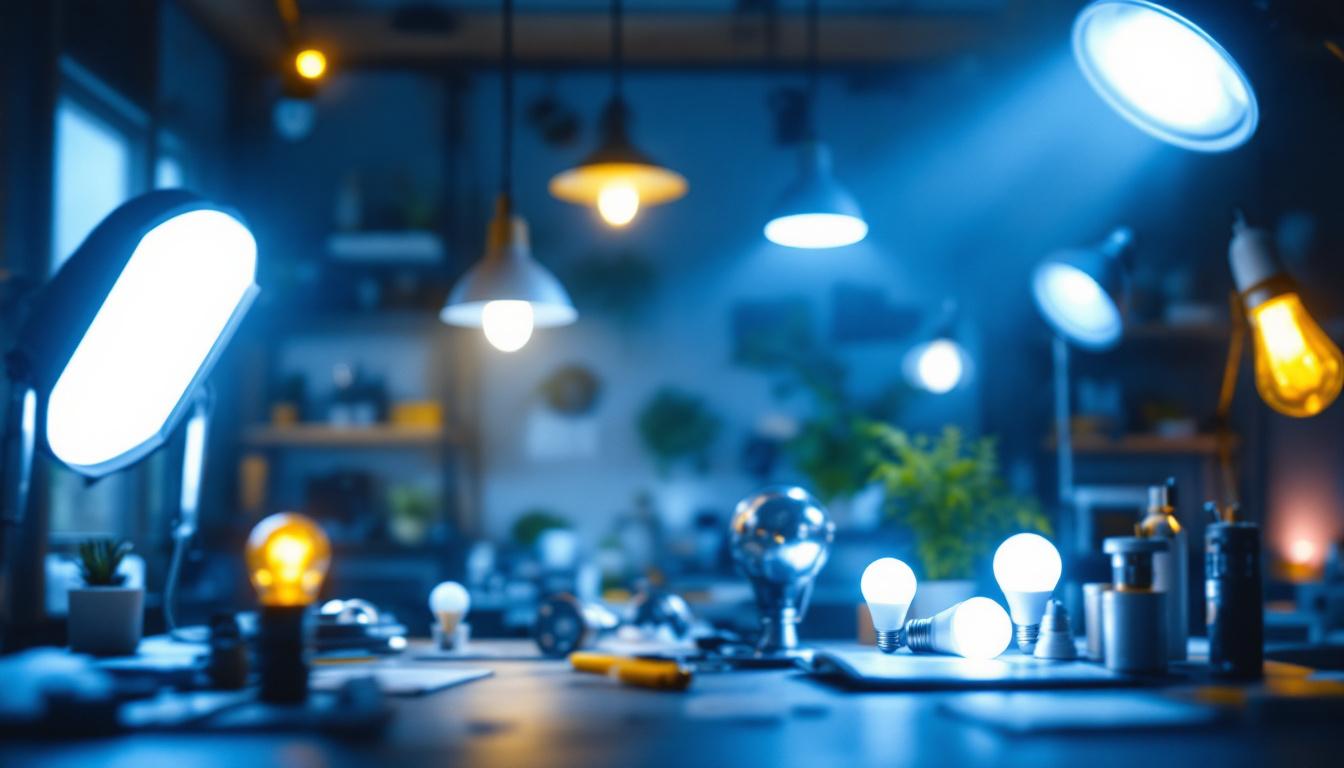
There are several types of light fixtures available, including recessed lights, pendant lights, track lighting, and wall sconces. Each type serves different purposes and can be used to create various lighting effects.
Recessed lights, for example, provide a clean, modern look and are ideal for general lighting. Pendant lights can serve as focal points while offering task lighting, making them suitable for dining areas or kitchens. Understanding the strengths and weaknesses of each fixture type helps contractors make informed choices that align with the project’s goals.
Track lighting, on the other hand, offers versatility and flexibility, allowing homeowners to adjust the direction of the light to highlight artwork or architectural features. Wall sconces can add a touch of elegance and warmth to a space, often used in hallways or as accent lighting in living rooms. When selecting fixtures, it’s essential to consider not only the functional aspects but also how each type can enhance the aesthetic appeal of the environment.
LED vs. Traditional Lighting
In recent years, LED lighting has gained popularity due to its energy efficiency and longevity. Unlike traditional incandescent bulbs, which emit light in all directions, LED fixtures can be designed to focus light where it is needed most. This directional lighting can enhance brightness while using fewer lumens.
Furthermore, LED technology allows for a range of color temperatures and dimming capabilities, providing flexibility in design. Lighting contractors should consider the benefits of LED fixtures when planning installations, as they can significantly impact energy consumption and overall lighting quality. Additionally, the lifespan of LED bulbs can reach up to 25,000 hours or more, drastically reducing the frequency of replacements and maintenance costs.
Moreover, the growing trend of smart lighting systems integrates LED technology with home automation, allowing users to control their lighting via smartphone apps or voice commands. This not only enhances convenience but also promotes energy savings by enabling users to schedule lighting according to their needs. As the market continues to evolve, staying informed about the latest advancements in LED lighting can empower contractors to offer cutting-edge solutions that meet the demands of modern living spaces.
Lighting Techniques for Enhanced Brightness
Beyond selecting the right fixtures, employing various lighting techniques can optimize brightness and enhance the overall atmosphere of a space.
Layered Lighting
Layered lighting involves using multiple light sources to create depth and dimension in a room. By combining ambient, task, and accent lighting, contractors can achieve a well-balanced lighting scheme that enhances both functionality and aesthetics.
For example, in a living room, ambient lighting can provide general illumination, while task lighting, such as table lamps, can be used for reading. Accent lighting can highlight artwork or architectural features, adding visual interest. This approach not only improves brightness but also creates a more inviting environment.
Utilizing Natural Light
Incorporating natural light into a design can significantly enhance brightness and reduce the need for artificial lighting. Contractors should consider the placement of windows and skylights to maximize daylight exposure.
Moreover, using reflective surfaces and light-colored materials can help distribute natural light throughout a space, further enhancing brightness. By blending natural and artificial lighting, contractors can create a harmonious and energy-efficient environment.
Common Mistakes to Avoid
Even experienced lighting contractors can fall prey to common pitfalls when it comes to lumens and brightness. Being aware of these mistakes can help ensure successful lighting installations.
Overlooking the Importance of Lumens
One of the most common mistakes is neglecting to calculate the required lumens for a space. Failing to consider the specific lighting needs can lead to under- or over-lit areas, impacting both functionality and comfort. Contractors should always perform a thorough assessment of the space before selecting fixtures.
Ignoring the Impact of Color Temperature
Another frequent oversight is disregarding the effects of color temperature on brightness perception. Choosing the wrong color temperature can create an uncomfortable atmosphere, making a space feel either too harsh or too warm. It is essential to align color temperature with the intended use of the space to achieve the desired ambiance.
Conclusion
Understanding lumens and brightness is essential for lighting contractors aiming to create effective and aesthetically pleasing lighting designs. By grasping the nuances of lumens, brightness perception, and the various factors that influence them, contractors can make informed decisions that enhance their projects.
From selecting the right fixtures to employing effective lighting techniques, there are numerous ways to optimize brightness in any space. Avoiding common mistakes and focusing on the specific needs of each project will ultimately lead to successful lighting installations that meet client expectations.
In the ever-evolving world of lighting design, staying informed about the latest technologies and trends is crucial. By continually expanding knowledge and skills, lighting contractors can ensure they are well-equipped to tackle any project with confidence and expertise.
Illuminate Your Projects with LumenWholesale
Ready to bring your lighting designs to life with the right lumens and brightness? Look no further than LumenWholesale for all your lighting needs. Our spec-grade lighting products are not only top-quality but also offered at unbeatable wholesale prices. Say goodbye to local distributor markups and hello to superior lighting products that meet the highest industry standards. With LumenWholesale, bulk buying is a breeze, thanks to our hassle-free process and free shipping. Don’t compromise on quality or value—choose LumenWholesale for premium lighting solutions that combine quality, affordability, and convenience. Elevate your lighting projects today by visiting Wholesale Lighting at the Best Value.