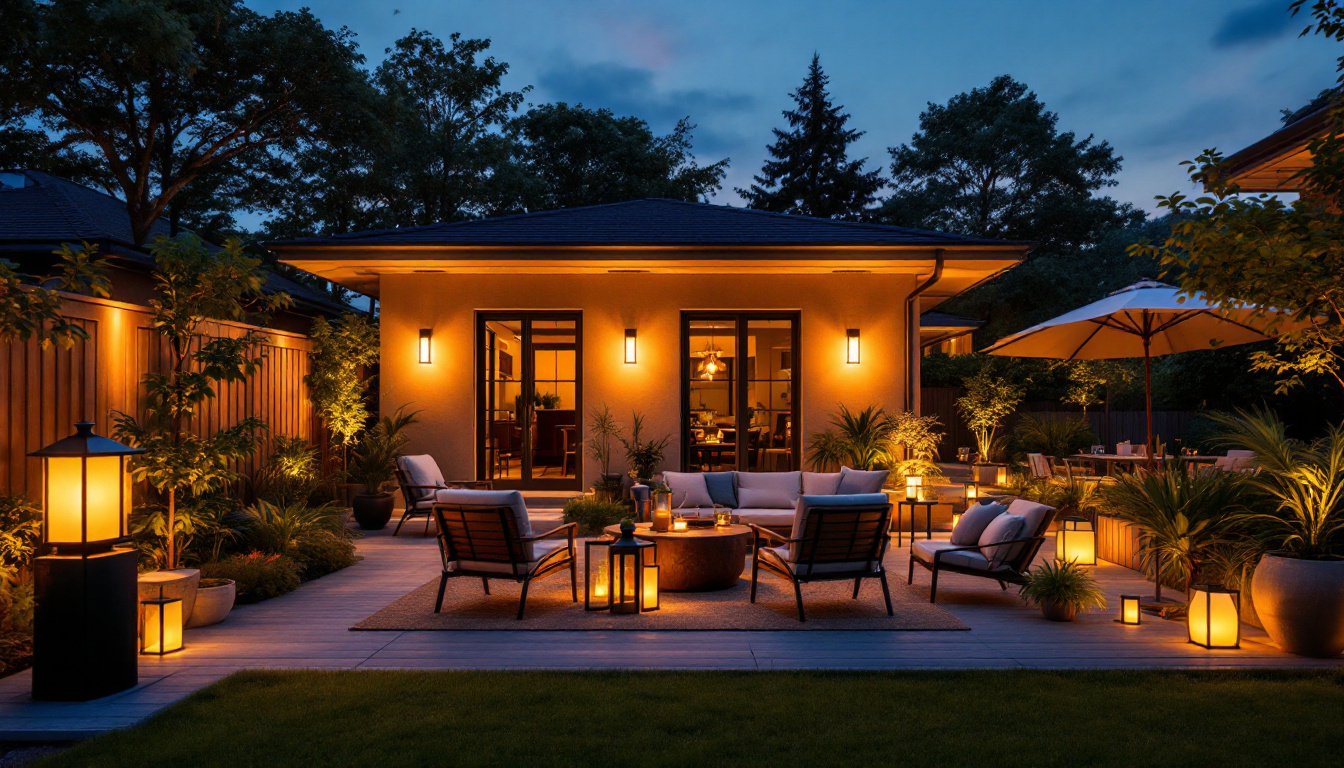
In the realm of outdoor lighting, the importance of considering wildlife cannot be overstated. As lighting contractors, understanding how to choose the right lighting solutions that are both effective and environmentally friendly is crucial. This guide aims to provide insights into the best practices for wildlife lighting, ensuring that projects not only meet aesthetic and functional requirements but also promote ecological balance.
Understanding Wildlife and Lighting Interactions
Wildlife is an integral part of our ecosystems, and the way we illuminate our outdoor spaces can significantly impact their behavior and habitats. Certain types of lighting can disrupt natural patterns, leading to adverse effects on various species. Therefore, it is essential for lighting contractors to comprehend these interactions when selecting lighting solutions.
The Impact of Artificial Light on Wildlife
Artificial lighting can interfere with the natural behaviors of wildlife, including mating, foraging, and migration. For instance, many bird species rely on natural light cues for navigation. Bright lights can disorient them, leading to fatal collisions with buildings or other structures. Similarly, nocturnal animals may alter their hunting and feeding habits due to the presence of artificial light. The consequences of these disruptions can ripple through ecosystems, affecting not just individual species but also the intricate web of interactions that sustain biodiversity.
Understanding these impacts is vital for contractors who aim to create lighting designs that minimize harm. By choosing the right fixtures and placements, it is possible to reduce light pollution and create a more wildlife-friendly environment. Furthermore, implementing motion sensors and dimmable lighting options can provide additional flexibility, allowing for adjustments based on the time of day or specific wildlife activity patterns. This proactive approach not only enhances the safety of wildlife but also promotes a more harmonious coexistence between urban development and nature.
Species-Specific Considerations
Different species respond uniquely to various types of lighting. For example, sea turtles are known to be affected by coastal lighting, which can lead hatchlings away from the ocean. In contrast, certain insects are attracted to specific wavelengths of light, which can disrupt local ecosystems. Contractors should research the wildlife in the areas they are working in to tailor their lighting designs accordingly. The importance of understanding these species-specific responses cannot be overstated, as even minor adjustments in lighting can lead to significant improvements in wildlife safety and habitat preservation.
Incorporating knowledge about local species can help in selecting fixtures that minimize disruption. For example, using warmer color temperatures can be less intrusive for many animals compared to cooler, bluish lights. Additionally, creating lighting zones that vary in intensity and type can cater to different wildlife needs, allowing some areas to remain dark while others are illuminated for human activity. This thoughtful approach not only enhances the functionality of outdoor spaces but also fosters a greater appreciation for the natural world, encouraging communities to engage in conservation efforts and promote biodiversity in their surroundings.
Choosing the Right Lighting Fixtures
When it comes to selecting lighting fixtures, several factors should be considered to ensure they are suitable for wildlife-friendly designs. The choice of fixtures can greatly influence the overall impact of the lighting on local fauna.
Types of Lighting Fixtures
There are various types of lighting fixtures available, each with its own advantages and disadvantages. LED lights, for example, are energy-efficient and can be designed to emit specific wavelengths that are less harmful to wildlife. Additionally, they have a longer lifespan, which can reduce waste and the frequency of replacements.
On the other hand, traditional incandescent bulbs may emit broader spectrums of light, which can be more disruptive to wildlife. When selecting fixtures, contractors should prioritize those that allow for customization in terms of light output and color temperature.
Shielding and Directionality
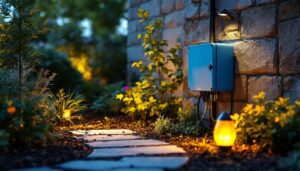
Another critical aspect of wildlife lighting is how fixtures are shielded and directed. Shielded fixtures can help reduce light spill, ensuring that light is directed only where it is needed. This not only enhances the effectiveness of the lighting but also minimizes its impact on surrounding areas, including wildlife habitats.
Directional lighting can also be beneficial. By focusing light on specific areas, contractors can avoid illuminating larger expanses that may disrupt nocturnal animals. This approach not only conserves energy but also aligns with wildlife-friendly practices.
Implementing Smart Lighting Solutions
Smart lighting technology has revolutionized the way outdoor spaces are illuminated. By incorporating smart solutions, lighting contractors can create more adaptable and responsive lighting designs that cater to both human needs and wildlife conservation.
Adaptive Lighting Systems
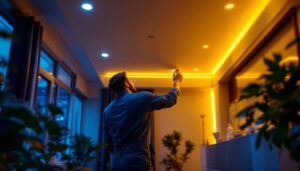
Adaptive lighting systems adjust the intensity and color of light based on environmental conditions. For instance, these systems can dim or change color during specific times of the night when wildlife activity is higher. This flexibility allows for a balance between safety and ecological considerations.
By integrating sensors and timers, contractors can ensure that lighting is only active when necessary, further reducing the impact on wildlife. This approach not only enhances sustainability but also aligns with modern trends in energy conservation.
Remote Monitoring and Control
Remote monitoring capabilities enable contractors to oversee lighting systems from a distance. This technology allows for real-time adjustments based on wildlife activity patterns, ensuring that lighting can be modified to minimize disruption. For example, if certain areas are frequented by wildlife during specific hours, contractors can program the lighting to dim or turn off during those times.
This level of control not only supports wildlife but can also lead to cost savings by reducing energy consumption. Contractors can provide clients with a more comprehensive solution that addresses both aesthetic and ecological concerns.
Regulatory Compliance and Best Practices
As awareness of the impact of lighting on wildlife grows, so does the need for compliance with regulations and best practices. Lighting contractors must stay informed about local laws and guidelines that pertain to outdoor lighting and wildlife protection.
Understanding Local Regulations
Many regions have established regulations regarding outdoor lighting to protect local wildlife. These regulations may include restrictions on light intensity, color temperature, and fixture types. Contractors should familiarize themselves with these regulations to ensure compliance and avoid potential penalties.
In addition to legal requirements, adhering to best practices can enhance a contractor’s reputation. By demonstrating a commitment to environmentally responsible lighting solutions, contractors can build trust with clients and the community.
Educating Clients and Stakeholders
Education plays a crucial role in promoting wildlife-friendly lighting practices. Contractors should take the initiative to inform clients and stakeholders about the importance of considering wildlife in lighting designs. Providing resources and guidance can help clients make informed decisions that align with conservation efforts.
Workshops, informational brochures, and online resources can serve as valuable tools for educating clients. By fostering a collaborative approach, contractors can ensure that wildlife considerations are integrated into the decision-making process.
Case Studies: Successful Wildlife Lighting Projects
Examining successful case studies can provide valuable insights into effective wildlife lighting practices. These examples showcase how contractors have implemented innovative solutions that balance human needs with wildlife conservation.
Coastal Lighting Solutions
In coastal areas, lighting contractors have successfully designed systems that minimize disruption to nesting sea turtles. By using low-intensity, warm-colored lights, these projects have reduced the disorientation of hatchlings, allowing them to navigate safely to the ocean.
Additionally, implementing shielding techniques has prevented light spill onto the beach, further protecting nesting sites. These projects demonstrate the importance of tailored solutions that consider the specific needs of local wildlife.
Urban Wildlife-Friendly Lighting
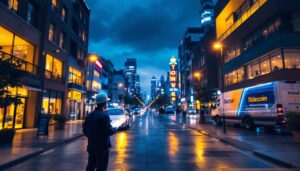
In urban environments, lighting contractors have adopted strategies to create wildlife-friendly spaces amidst bustling city life. By utilizing adaptive lighting systems that adjust based on traffic and pedestrian patterns, these projects have reduced light pollution in areas frequented by nocturnal animals.
Moreover, incorporating green spaces with thoughtfully designed lighting has encouraged biodiversity within urban settings. These initiatives not only enhance the aesthetic appeal of the area but also promote ecological health.
Future Trends in Wildlife Lighting
As technology and awareness continue to evolve, so too will the approaches to wildlife lighting. Staying ahead of trends will be essential for lighting contractors who wish to remain competitive and environmentally conscious.
Integration of Sustainable Materials
Future lighting solutions are likely to focus on sustainability, with an emphasis on using eco-friendly materials. This shift will not only reduce the environmental footprint of lighting installations but also resonate with clients who prioritize sustainability in their projects.
Contractors should explore options for fixtures made from recycled or sustainably sourced materials, as well as energy-efficient technologies that minimize resource consumption.
Collaboration with Conservation Organizations
Building partnerships with conservation organizations can enhance the effectiveness of wildlife lighting projects. Collaborating with experts in wildlife conservation can provide contractors with valuable insights into the specific needs of local species.
These partnerships can also lead to innovative solutions that address both lighting and conservation goals. By working together, contractors and conservationists can create a more harmonious balance between human development and wildlife preservation.
Conclusion
In conclusion, lighting contractors play a pivotal role in shaping outdoor environments that are not only functional and aesthetically pleasing but also considerate of wildlife. By understanding the interactions between lighting and wildlife, selecting appropriate fixtures, implementing smart solutions, and adhering to regulations, contractors can create designs that promote ecological balance.
As the demand for sustainable and wildlife-friendly lighting solutions continues to grow, contractors who prioritize these practices will not only enhance their reputation but also contribute positively to the environment. By embracing innovation and collaboration, the lighting industry can lead the way in creating spaces that benefit both humans and wildlife alike.
Illuminate Responsibly with LumenWholesale
Ready to take the next step in providing wildlife-friendly lighting solutions? At LumenWholesale, we offer a vast array of spec-grade lighting products that align with the environmentally conscious principles outlined in this guide. Our commitment to quality and affordability ensures that you can access the best lighting options for your projects without the burden of inflated costs. Embrace the future of sustainable lighting with confidence and ease. Discover our selection and enjoy the benefits of hassle-free bulk buying with free shipping. Make the smart choice for your business and the environment. Wholesale Lighting at the Best Value is just a click away.