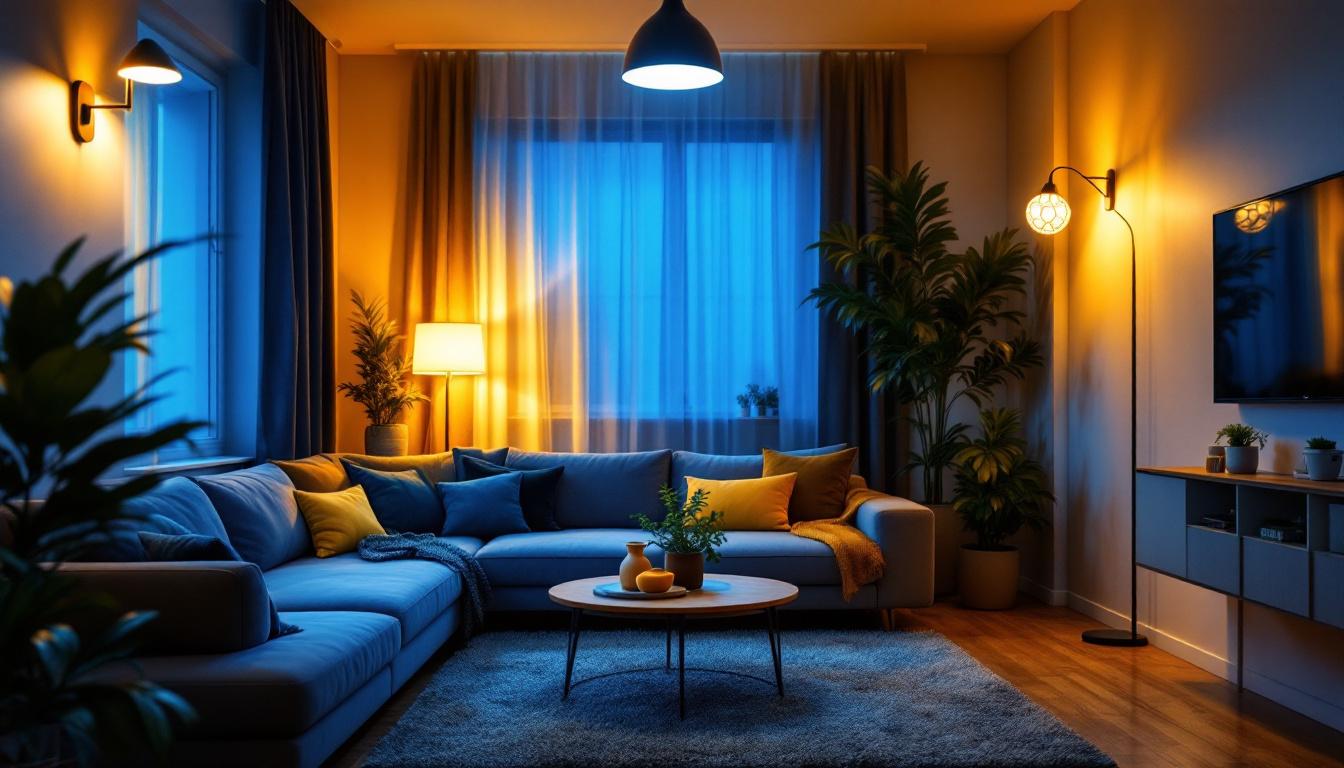
Lighting plays a crucial role in enhancing the aesthetics and functionality of spaces. For lighting contractors, understanding the nuances of LED can lights is essential for delivering exceptional results. This article explores eight strategies that can help lighting contractors optimize their use of LED can lights, ensuring that they meet client expectations while maximizing efficiency and effectiveness.
1. Understanding LED Technology
Before diving into specific strategies, it is essential for lighting contractors to have a solid grasp of LED technology. Unlike traditional incandescent or fluorescent lights, LEDs (Light Emitting Diodes) offer numerous advantages, including energy efficiency, longevity, and versatility. This foundational knowledge allows contractors to make informed decisions when selecting and installing LED can lights. Moreover, understanding the underlying principles of LED technology, such as how they emit light through the movement of electrons, can empower contractors to troubleshoot issues and optimize installations effectively.
Energy Efficiency
One of the most significant benefits of LED lighting is its energy efficiency. LEDs consume significantly less power than their traditional counterparts, which can lead to substantial cost savings for clients. Understanding the wattage equivalence between LED and traditional bulbs is crucial. For instance, a 10-watt LED can provide the same brightness as a 60-watt incandescent bulb, making it an attractive option for energy-conscious clients. In addition to immediate savings on electricity bills, the reduced energy consumption contributes to a lower carbon footprint, aligning with the growing trend of eco-friendly practices in both residential and commercial settings.
Longevity and Maintenance
LEDs have a much longer lifespan than traditional lighting options, often lasting up to 25,000 hours or more. This longevity translates to reduced maintenance costs and fewer replacements over time. Contractors should emphasize this benefit to clients, highlighting how LED can lights can be a cost-effective solution in the long run. Furthermore, the durability of LEDs means they are less prone to breakage, making them ideal for high-traffic areas or environments where lighting fixtures are subject to wear and tear. This resilience not only enhances safety but also ensures consistent lighting quality, which is crucial for both aesthetic and functional purposes in various applications.
2. Choosing the Right Color Temperature
Color temperature is a critical aspect of lighting design that can significantly affect the ambiance of a space. Measured in Kelvins (K), color temperature can range from warm (around 2700K) to cool (up to 6500K). Understanding how to choose the right color temperature for different applications is vital for lighting contractors. The right choice can influence not just the aesthetics of a room, but also the mood and functionality of the space, making it essential for contractors to stay informed about the latest trends and technologies in lighting.
Warm vs. Cool Light
Warm light (2700K-3000K) is ideal for residential settings, creating a cozy and inviting atmosphere. This type of lighting is often associated with relaxation and comfort, making it perfect for living rooms, bedrooms, and dining areas where people gather to unwind. In contrast, cooler light (4000K-5000K) is often preferred in commercial spaces, providing a more energetic and focused environment. Such lighting can enhance productivity in offices and retail settings, where clear visibility is essential for tasks and customer engagement. Contractors should assess the intended use of the space and the preferences of the client when recommending color temperatures, as personal taste can greatly influence the effectiveness of the lighting design.
Adjustable Color Temperature Options
Some LED can lights come with adjustable color temperature features, allowing users to switch between warm and cool light. This flexibility can be a selling point for contractors, as it enables clients to customize their lighting based on different activities or times of day. For example, a warm light setting might be ideal for a family dinner, while a cooler setting could be more suitable for focused work or reading. Educating clients about these options can enhance satisfaction and lead to repeat business. Furthermore, the ability to adjust color temperatures can also contribute to energy efficiency, as users can select the most appropriate lighting for their needs, potentially reducing energy consumption over time.
Additionally, the psychological effects of color temperature should not be overlooked. Research has shown that different color temperatures can influence mood and behavior. For instance, warmer lights can promote relaxation and comfort, making them ideal for spaces designed for leisure, while cooler lights can enhance alertness and concentration, making them suitable for work environments. As such, contractors should consider not only the functional aspects of lighting but also how it can impact the well-being of the occupants. By taking a holistic approach to color temperature selection, contractors can create spaces that are not only visually appealing but also conducive to the activities that take place within them.
3. Proper Placement and Spacing
The placement and spacing of LED can lights are crucial for achieving optimal illumination. Poorly placed lights can lead to uneven lighting, shadows, and an overall unsatisfactory experience. Lighting contractors should consider the following factors when planning the layout.
Room Size and Function
The size and function of the room dictate how many can lights are needed and where they should be positioned. For larger spaces, more fixtures will be necessary to ensure even light distribution. Conversely, smaller rooms may require fewer lights but should still be strategically placed to avoid dark corners.
Layering Light
Layering different types of lighting—ambient, task, and accent—can enhance the overall effect of LED can lights. Ambient lighting provides general illumination, while task lighting focuses on specific areas for activities like reading or cooking. Accent lighting can highlight artwork or architectural features. Contractors should educate clients on the importance of layering light to create a well-balanced atmosphere.
4. Utilizing Dimming Controls
Dimming controls are an essential feature that can significantly enhance the functionality of LED can lights. They allow users to adjust the brightness according to their needs, creating a more versatile lighting solution.
Benefits of Dimming
Using dimmers not only helps in setting the mood but also contributes to energy savings. By lowering the brightness, clients can reduce energy consumption, extending the lifespan of the LED fixtures. Contractors should recommend compatible dimming systems to clients, ensuring that they understand the benefits and functionality.
Smart Dimming Solutions
With the rise of smart home technology, many LED can lights are now compatible with smart dimmers. These systems can be controlled via smartphone apps or voice commands, providing convenience and flexibility. Contractors should stay informed about the latest smart lighting solutions to offer clients cutting-edge options that enhance their living experience.
5. Selecting the Right Trim Style
The trim style of LED can lights can significantly impact the overall look and feel of a space. There are various trim styles available, each offering different aesthetics and functionalities. Understanding these options allows contractors to make informed recommendations.
Types of Trims
Common trim styles include baffle, reflector, and adjustable trims. Baffle trims are designed to reduce glare, making them ideal for living spaces. Reflector trims provide a higher light output, suitable for task-oriented areas. Adjustable trims allow for directional lighting, perfect for highlighting artwork or architectural features. Contractors should assess the client’s needs and preferences when selecting the appropriate trim style.
Finishes and Aesthetics
Trims are available in various finishes, such as white, black, and metallic options. The finish can complement the overall design of the space, contributing to a cohesive look. Contractors should consider the existing decor and style when recommending trim finishes, ensuring that the lighting enhances the overall aesthetic.
6. Ensuring Proper Installation
Proper installation of LED can lights is critical for ensuring optimal performance and longevity. Lighting contractors must adhere to best practices during the installation process to avoid common pitfalls.
Follow Manufacturer Guidelines
Each LED can light comes with specific installation instructions provided by the manufacturer. Contractors should familiarize themselves with these guidelines to ensure compliance and optimal performance. This includes understanding the required spacing, wiring, and any necessary components for installation.
Consider Heat Management
Although LEDs generate less heat than traditional bulbs, proper heat management is still essential. Ensuring adequate ventilation and using fixtures designed for heat dissipation can prevent overheating and prolong the lifespan of the lights. Contractors should educate clients on the importance of heat management to avoid future issues.
7. Educating Clients on Maintenance
While LED can lights require less maintenance than traditional options, educating clients on proper care can further enhance their longevity and performance. Lighting contractors should provide guidance on maintenance practices to ensure client satisfaction.
Cleaning and Care
Clients should be informed about the importance of keeping LED fixtures clean. Dust and debris can accumulate on the surface, affecting light output. Simple cleaning practices, such as using a soft cloth and mild detergent, can help maintain the brightness and appearance of the fixtures.
Monitoring Performance
Encouraging clients to monitor the performance of their LED can lights can help identify any issues early on. If lights flicker, dim, or fail to turn on, it may indicate a problem that requires attention. Providing clients with guidance on what to look for can enhance their overall experience and satisfaction.
8. Staying Updated with Industry Trends
The lighting industry is constantly evolving, with new technologies and trends emerging regularly. For lighting contractors, staying updated on these developments is crucial for maintaining a competitive edge.
Continuing Education
Participating in workshops, webinars, and industry conferences can help contractors stay informed about the latest advancements in LED technology and lighting design. Many manufacturers also offer training sessions that provide valuable insights into new products and installation techniques.
Networking with Peers
Networking with fellow lighting contractors can provide valuable insights and share experiences. Engaging in discussions about challenges and solutions can lead to improved practices and innovative ideas. Joining professional organizations or online forums can facilitate these connections.
Conclusion
In conclusion, understanding and effectively utilizing LED can lights is essential for lighting contractors aiming to deliver high-quality results. By implementing these eight strategies, contractors can enhance their services, meet client expectations, and stay ahead in a competitive market. From understanding LED technology to staying updated with industry trends, each aspect contributes to a successful lighting project. As the demand for energy-efficient and aesthetically pleasing lighting continues to grow, contractors who embrace these strategies will be well-positioned for success.
Illuminate Your Projects with LumenWholesale
Ready to elevate your lighting projects with the strategies discussed? At LumenWholesale, we provide lighting contractors like you with the highest quality LED can lights at unbeatable wholesale prices. Our spec-grade lighting selection is designed to meet the highest industry standards, ensuring your projects shine with reliability and performance. Say goodbye to middleman markups and hello to hassle-free bulk buying with free shipping. Don’t compromise on quality or value; choose LumenWholesale for the perfect blend of affordability and convenience. Start browsing our extensive selection today and experience Wholesale Lighting at the Best Value.