Lighting contractors play a crucial role in ensuring that residential and commercial spaces are illuminated effectively and efficiently. One of the most fundamental tasks in this profession is pulling cable, a skill that requires knowledge, technique, and the right resources. This article aims to provide lighting contractors with valuable insights and resources to master the art of cable pulling, ensuring that their projects are executed with precision and professionalism.
Understanding Cable Types
Before embarking on a cable pulling project, it is essential to understand the various types of cables available. Each type serves a specific purpose and comes with its own set of characteristics. Familiarity with these cables can significantly influence the success of a lighting installation.
Low Voltage vs. High Voltage Cables
Low voltage cables are typically used for lighting systems that operate at 12V or 24V. These cables are often more flexible and easier to handle, making them ideal for intricate installations. On the other hand, high voltage cables are used for standard electrical systems that operate at 120V or 240V. Understanding the differences between these cables is crucial for ensuring safety and compliance with electrical codes. Low voltage cables often come in various insulation types, such as PVC or XLPE, which can enhance their performance in specific applications, including landscape lighting or low-voltage outdoor fixtures.
Choosing the Right Cable for the Job
When selecting cables, consider factors such as the environment, load requirements, and distance. For instance, cables used outdoors must be weather-resistant and durable, while those used indoors can be more flexible. Additionally, it’s vital to ensure that the cable gauge is appropriate for the load it will carry to prevent overheating and potential hazards. In addition to these considerations, it’s also important to think about the installation method. For example, if the cables will be run through walls or ceilings, using cables with a lower smoke and flame rating can provide added safety in case of an emergency. Furthermore, understanding the local building codes and regulations can help ensure that the installation not only meets safety standards but also functions efficiently over time.
Essential Tools for Cable Pulling
Having the right tools at your disposal can make a significant difference in the efficiency and effectiveness of cable pulling. Here are some essential tools that every lighting contractor should consider.
Cable Pulling Grips
Cable pulling grips are designed to securely hold cables during the pulling process. They come in various sizes and types, allowing contractors to choose the right grip based on the cable’s diameter and type. Using a grip not only enhances safety but also minimizes the risk of damaging the cable. Additionally, many grips feature a tapered design that helps to easily slide into tight spaces, making them ideal for complex installations where space is limited. The right grip can also help distribute the pulling force evenly, reducing the chances of kinks or bends that could compromise the cable’s integrity.
Pulleys and Sheaves
Pulleys and sheaves can help reduce friction and make the pulling process smoother. By using these tools, contractors can navigate corners and obstacles more easily, ensuring that the cable is pulled straight without unnecessary strain. Investing in high-quality pulleys can save time and effort during installations. Furthermore, some pulleys are designed with built-in bearings that allow for a smoother rotation, which can be particularly beneficial when pulling heavy cables over long distances. Using a combination of fixed and movable pulleys can also create a mechanical advantage, allowing for easier handling of heavier loads and minimizing the risk of injury during the pulling process.
Cable Lubricants
Using cable lubricants can significantly ease the pulling process, especially when dealing with long runs or tight spaces. These lubricants reduce friction, allowing the cable to glide smoothly through conduits or raceways. It’s essential to choose a lubricant that is compatible with the cable material to avoid any potential damage. In addition to traditional lubricants, there are also eco-friendly options available that can provide similar benefits without harmful chemicals. Some lubricants are specifically formulated to be non-staining and easy to clean up, which can be an added advantage in maintaining a tidy work environment. Moreover, applying lubricant not only aids in the initial pull but can also help protect the cable over time by reducing wear and tear as it moves within its housing.
Techniques for Effective Cable Pulling
Mastering the techniques of cable pulling can enhance efficiency and ensure that installations are completed without issues. Here are some effective methods to consider.
Planning the Route
Before starting the cable pulling process, it’s crucial to plan the route carefully. Assess the layout of the space and identify any potential obstacles, such as walls, beams, or existing wiring. A well-planned route can minimize the need for excessive pulling and reduce the risk of damaging the cable. Additionally, consider the length of the cable run and the type of cable being used, as different cables may have specific bending radii and pulling tension limits. Utilizing tools like cable pull calculators can help determine the best approach for your specific installation, ensuring that the route is not only efficient but also compliant with industry standards.
Using a Team Approach
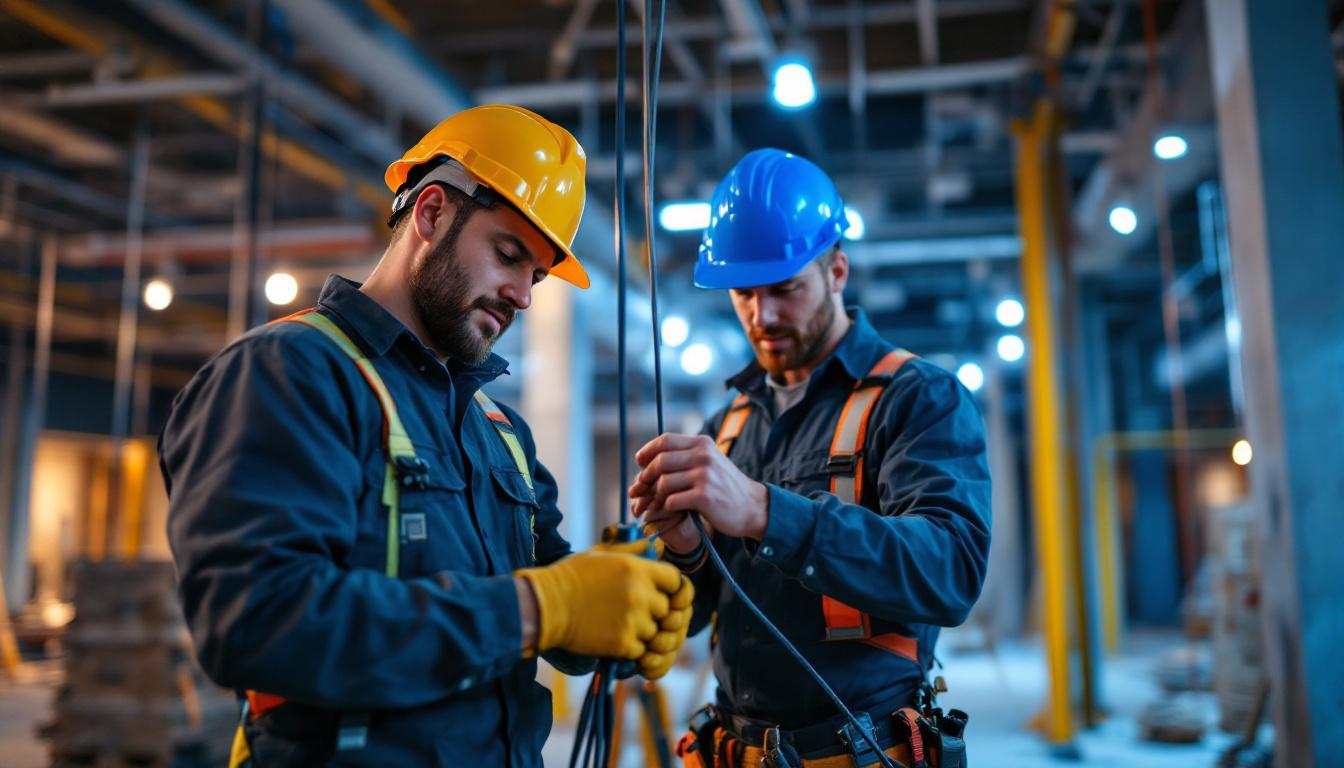
Cable pulling can be a labor-intensive task, and having a team can make the process more manageable. Assign specific roles to team members, such as pulling, guiding, and monitoring the cable. Effective communication is key to ensuring that everyone is on the same page, which can lead to a smoother installation. Establishing hand signals or using two-way radios can facilitate better coordination, especially in larger spaces where verbal communication may be difficult. Furthermore, training team members on the proper techniques for handling and pulling cables can enhance safety and efficiency, reducing the likelihood of accidents or damage to the materials.
Maintaining Tension
Maintaining proper tension during the pulling process is critical. Too much tension can damage the cable, while too little can cause it to kink or twist. It’s important to find a balance and adjust the pulling force as needed. Regularly checking the cable for any signs of stress can help prevent issues down the line. Additionally, using cable lubricants can significantly reduce friction, making the pulling process smoother and easier. This is particularly beneficial when navigating tight bends or long runs, as it allows the cable to slide more freely through conduits or raceways. Always ensure that the lubricant used is compatible with the cable insulation to avoid any adverse reactions that could compromise the cable’s integrity.
Safety Considerations
Safety should always be a top priority when pulling cables. Understanding the risks and implementing safety measures can prevent accidents and injuries on the job site.
Personal Protective Equipment (PPE)
Wearing appropriate personal protective equipment is essential for any lighting contractor. This includes gloves to protect hands from sharp edges, safety glasses to shield eyes from debris, and hard hats to guard against falling objects. Ensuring that all team members are equipped with the necessary PPE can significantly reduce the risk of injury.
Understanding Electrical Codes
Familiarity with local electrical codes and regulations is vital for ensuring compliance and safety. These codes dictate how cables should be installed, the types of materials that can be used, and the necessary safety measures. Staying up-to-date with these regulations can help avoid costly fines and ensure that installations are safe and reliable.
Emergency Procedures
Having a plan in place for emergencies can make a significant difference in a crisis. Ensure that all team members know how to respond in case of an electrical shock, fire, or other emergencies. Regular safety drills can help reinforce these procedures and ensure that everyone is prepared.
Resources for Continued Learning
Staying updated with the latest techniques, tools, and industry standards is crucial for lighting contractors. Here are some valuable resources for continued learning.
Online Courses and Webinars
Many organizations offer online courses and webinars focused on electrical installation and cable pulling techniques. These resources can provide valuable insights and practical tips from industry experts. Participating in these courses can enhance skills and keep contractors informed about the latest trends and technologies.
Industry Associations
Joining industry associations can provide access to a wealth of resources, including publications, networking opportunities, and training programs. Associations often host events and conferences where contractors can learn from peers and experts, share experiences, and stay updated on industry developments.
Trade Publications
Subscribing to trade publications focused on electrical contracting can be an excellent way to stay informed about new products, techniques, and regulations. These publications often feature articles written by experienced professionals, offering practical advice and insights that can be directly applied to daily work.
Case Studies and Best Practices
Learning from real-world examples can provide valuable insights into effective cable pulling techniques and strategies. Here are some case studies and best practices that highlight successful projects.
Successful Commercial Installations
Many commercial lighting projects require extensive cable pulling, often involving complex layouts and high-voltage systems. Analyzing successful installations can reveal best practices in planning, teamwork, and execution. These case studies often showcase innovative solutions to common challenges, providing inspiration for future projects.
Residential Projects and Challenges
Residential installations can present unique challenges, such as limited space and existing structures. Examining case studies of successful residential projects can provide insights into how contractors effectively navigated these challenges. Learning about the techniques used in these situations can help contractors refine their approach to similar projects.
Innovative Techniques in Cable Pulling
Innovation is key to improving efficiency in cable pulling. Case studies showcasing the use of new tools, technologies, and methods can inspire contractors to adopt similar practices. Understanding how others have successfully implemented these innovations can lead to enhanced productivity and better outcomes in future projects.
Conclusion
Mastering the art of cable pulling is essential for lighting contractors looking to enhance their skills and deliver high-quality installations. By understanding cable types, utilizing the right tools, implementing effective techniques, prioritizing safety, and engaging in continuous learning, contractors can position themselves for success in the industry.
As the lighting industry continues to evolve, staying informed and adaptable will be key to thriving in this competitive field. By leveraging the resources and insights provided in this article, lighting contractors can elevate their craft and ensure that their projects meet the highest standards of quality and safety.
Get Your Premium Lighting Supplies at LumenWholesale
Ready to take your lighting installations to the next level? LumenWholesale is here to support your mastery of cable pulling with our extensive selection of spec-grade lighting products. Our commitment to quality and affordability means you can trust us to provide the best value for your wholesale lighting needs. Say goodbye to middleman markups and hello to reliable, high-performance lighting that meets the highest industry standards. Plus, with free shipping on bulk orders, you can stock up on all the essentials without any hidden fees. Elevate your projects with the perfect blend of quality, affordability, and convenience. Visit LumenWholesale today and discover the unbeatable wholesale prices that make us the go-to source for lighting contractors.