Understanding the Importance of Stairway Lighting
Stairways are critical transition points in any building, serving as both functional pathways and architectural features. Proper lighting in these areas is not merely an aesthetic choice but a vital safety measure. For lighting contractors, understanding the nuances of stairway illumination is essential to ensure compliance with safety codes, enhance user experience, and deliver installations that stand the test of time.
Statistics reveal that falls on stairs contribute significantly to injuries in both residential and commercial environments. According to safety studies, inadequate lighting is a leading factor in stair-related accidents, underscoring the need for well-planned lighting solutions. This makes stairway lighting a top priority for contractors aiming to provide safe and code-compliant installations.
Safety and Code Compliance
Lighting contractors must be intimately familiar with local and national building codes related to stairway lighting. These regulations typically specify minimum illumination levels, fixture placement, and emergency lighting requirements. For example, the Illuminating Engineering Society (IES) recommends a minimum of 1 foot-candle (approximately 10 lux) on stair treads to ensure visibility.
Beyond minimum illumination, codes often require uniform lighting to prevent shadows and glare, which can disorient users. Emergency lighting provisions are also critical, ensuring that stairways remain safely navigable during power outages. Contractors should regularly consult updated code manuals and collaborate with inspectors to ensure all installations meet or exceed these standards.
In addition to adhering to safety codes, lighting contractors should consider the psychological impact of stairway lighting on users. Well-lit stairways can instill a sense of security and confidence, encouraging individuals to navigate these spaces without hesitation. The choice of lighting fixtures—whether recessed lights, wall sconces, or LED strips—can significantly influence the ambiance and perception of safety. Moreover, incorporating motion sensors can enhance energy efficiency while providing illumination exactly when it is needed, further reducing the risk of accidents.
Furthermore, the aesthetic aspect of stairway lighting should not be overlooked. Thoughtfully designed lighting can transform a mundane staircase into a striking focal point, enhancing the overall architectural appeal of a space. For instance, using warm-toned lights can create an inviting atmosphere, while cooler tones might be more suitable for modern, minimalist designs. By balancing safety, compliance, and aesthetics, lighting contractors can deliver solutions that not only meet functional requirements but also elevate the design of the environment.
Key Lighting Techniques for Stairways
Effective stairway lighting balances functionality with aesthetics. Contractors must consider the type of fixtures, their placement, and the quality of light to achieve this balance. Several lighting techniques have proven effective in enhancing visibility and safety while complementing architectural design.
Ambient Lighting
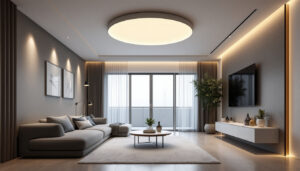
Ambient lighting provides general illumination for the stairway area. Ceiling-mounted fixtures, recessed downlights, or wall sconces can serve this purpose. The goal is to create an even light distribution that eliminates dark spots and shadows. Contractors should select fixtures with appropriate beam spreads and color temperatures, typically between 2700K and 3500K, to provide a warm yet clear light.
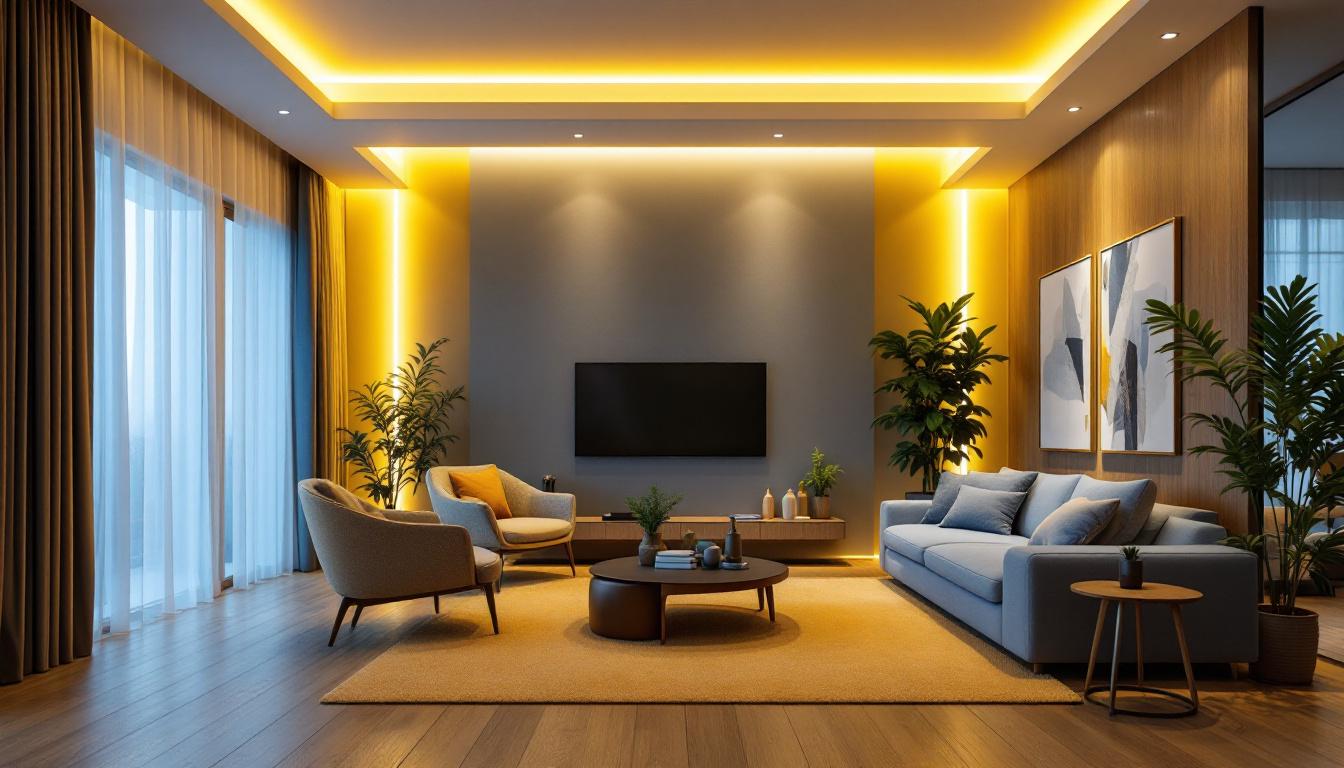
In larger stairwells, multiple ambient light sources may be necessary to maintain consistent illumination. Using dimmable fixtures can also allow for adjustable lighting levels, enhancing comfort and energy efficiency. Additionally, incorporating smart lighting controls can further optimize the ambient lighting, allowing users to set the mood or adjust brightness based on the time of day or specific activities, such as entertaining guests or navigating the stairs during the night.
Accent and Step Lighting
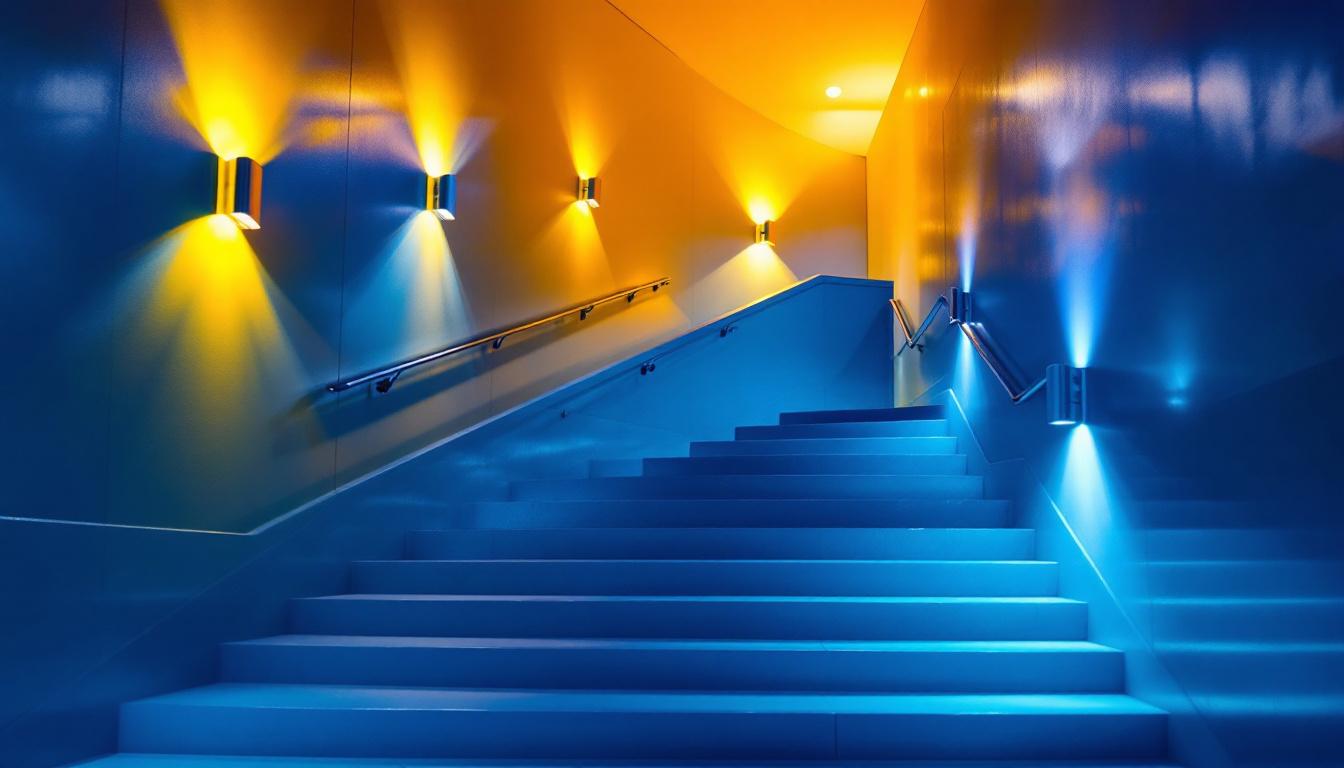
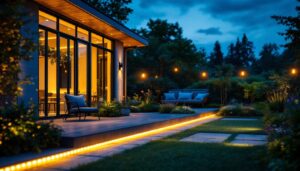
Accent lighting focuses on highlighting the stair treads and risers, improving depth perception and reducing trip hazards. LED strip lights installed under stair nosings or along handrails are popular choices, offering subtle yet effective illumination. These fixtures should be low-profile and glare-free to avoid distracting users.
Step lighting can also be integrated into the stair design using recessed fixtures placed in the wall near each step. This method not only enhances safety but adds a modern aesthetic appeal. Contractors must ensure these fixtures are rated for the environment, especially in outdoor or high-moisture areas. Moreover, the use of color-changing LED lights can add a dynamic element to the stairway, allowing homeowners to customize the ambiance according to their preferences or seasonal themes, creating a visually engaging experience as one ascends or descends.
Motion-Activated and Smart Lighting
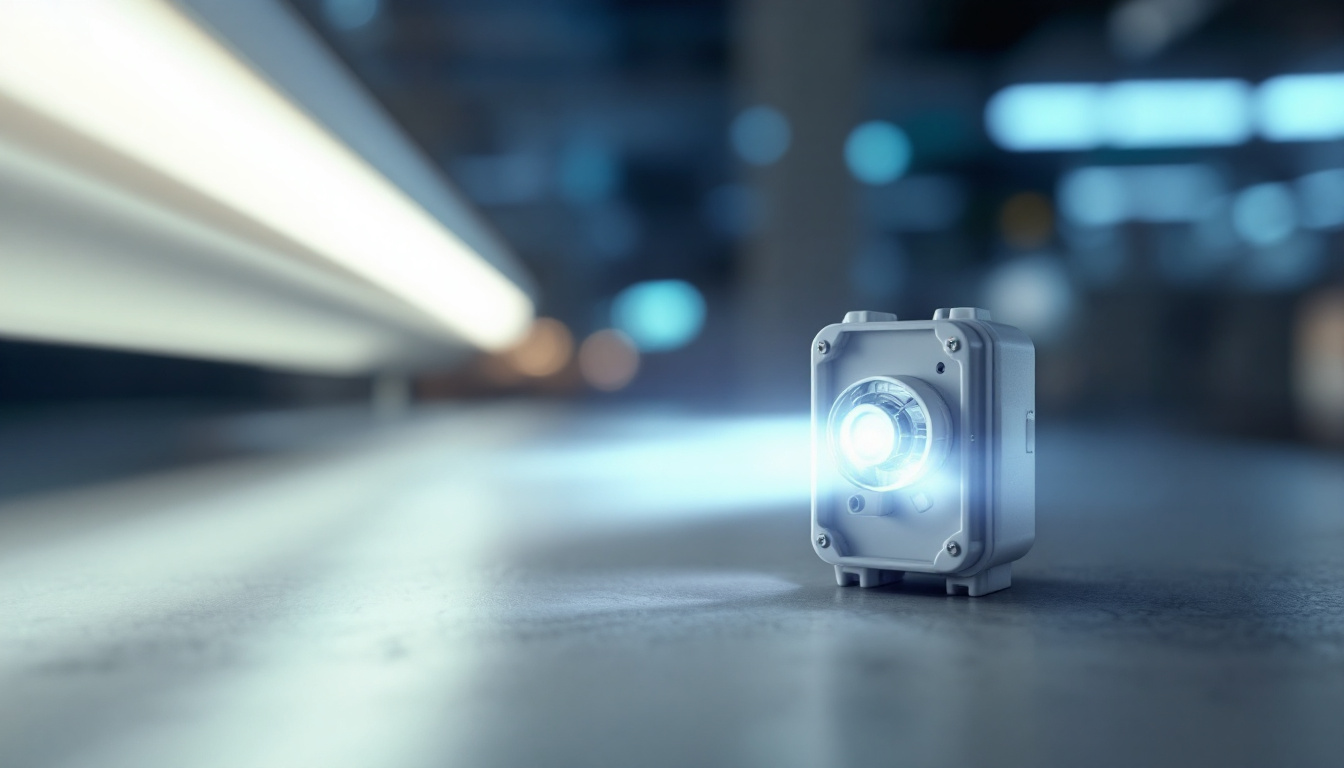
Incorporating motion sensors and smart controls into stairway lighting systems can significantly improve energy efficiency and user convenience. Motion-activated lights illuminate the stairway only when movement is detected, reducing unnecessary energy consumption. For commercial buildings, this approach aligns with sustainability goals and can reduce operating costs.
Smart lighting systems also allow for customizable settings, such as adjusting brightness based on time of day or occupancy patterns. Lighting contractors should be proficient in integrating these technologies, ensuring seamless operation and user-friendly interfaces. Furthermore, the integration of voice-activated systems can enhance accessibility, allowing individuals to control the lighting without needing to physically interact with switches, which is particularly beneficial for those with mobility challenges or when carrying items up and down the stairs.
Choosing the Right Fixtures and Bulbs
Fixture selection is a critical aspect of stairway lighting design. Contractors must consider durability, maintenance, light quality, and compatibility with control systems when choosing fixtures and bulbs.
Fixture Types and Materials
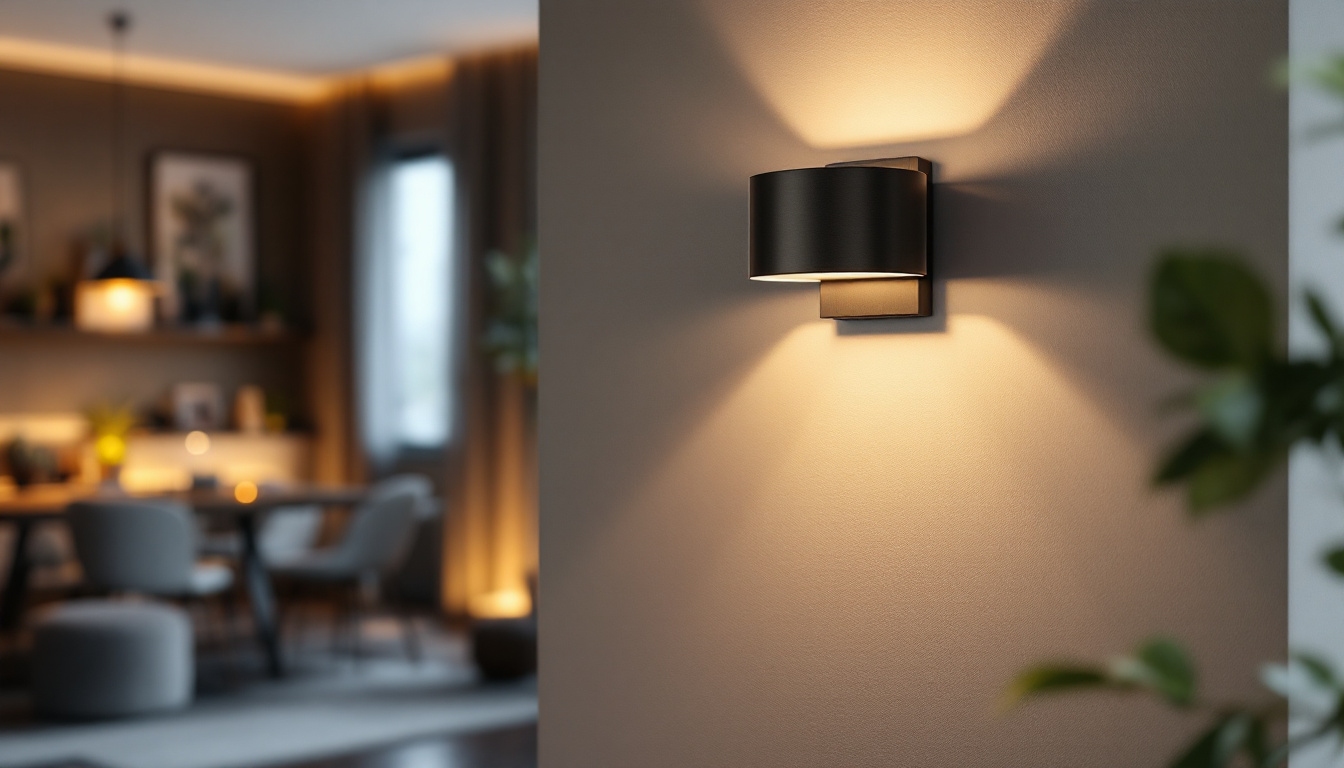
Common fixture types for stairways include recessed downlights, wall sconces, step lights, and LED strips. Each serves a specific purpose and should be chosen based on the stairway’s layout and usage. For example, recessed downlights are ideal for ambient lighting in low-ceiling stairwells, while wall sconces provide decorative and functional illumination in wider spaces. Additionally, step lights can be strategically placed to enhance safety by illuminating each step, reducing the risk of slips and falls, especially in dimly lit areas.
Material choice affects fixture longevity and appearance. Aluminum and stainless steel fixtures offer durability and corrosion resistance, suitable for both indoor and outdoor applications. For residential projects, decorative finishes like bronze or brushed nickel can complement interior design themes. Furthermore, the choice of glass or acrylic diffusers can influence the quality of light emitted; frosted glass can soften the light, creating a warm and inviting atmosphere, while clear glass can provide a more modern and sleek look.
Bulb Selection and Light Quality
LED technology dominates modern stairway lighting due to its energy efficiency, long lifespan, and versatility. LEDs provide instant full brightness, are available in various color temperatures, and generate minimal heat, making them ideal for confined spaces. The ability to dim LED lights adds another layer of flexibility, allowing homeowners or businesses to adjust the lighting according to the time of day or specific activities, enhancing both ambiance and functionality.
Color rendering index (CRI) is an important consideration. A CRI of 80 or higher is recommended to ensure colors appear natural under the stairway lighting, which can be particularly important in commercial or hospitality settings. Additionally, the choice of color temperature, ranging from warm white (around 2700K) to cool white (above 5000K), can significantly affect the mood of the space. Warmer tones create a cozy environment, perfect for residential settings, while cooler tones can enhance focus and alertness, making them suitable for office buildings or public spaces.
Installation Best Practices and Challenges
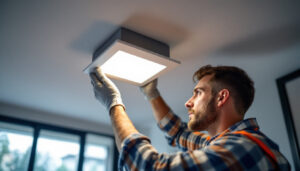
Proper installation is crucial to maximize the performance and safety of stairway lighting. Lighting contractors must be prepared to address common challenges and adhere to best practices during installation.
Wiring and Power Considerations
Stairway lighting often involves multiple fixtures distributed over a vertical space, requiring careful planning of wiring routes and power loads. Contractors should ensure that wiring complies with electrical codes, using appropriate gauge wires and secure connections to prevent hazards.
For installations with motion sensors or smart controls, additional wiring for control modules may be necessary. It is essential to coordinate with other trades, such as electricians and building managers, to integrate these systems smoothly.
Fixture Placement and Mounting
Accurate fixture placement is vital to avoid glare and shadows. Contractors should follow manufacturer guidelines and lighting design plans closely, using tools like laser levels and light meters to verify positioning and illumination levels.
Mounting fixtures securely is equally important, especially for stair lights embedded in walls or steps. Fixtures must be flush with surfaces to prevent tripping hazards and withstand regular use and cleaning.
Addressing Environmental Factors
Stairways located outdoors or in humid environments require fixtures with appropriate ingress protection (IP) ratings to resist moisture and dust. Lighting contractors should select fixtures rated at least IP65 for outdoor stairways to ensure durability.
Temperature fluctuations can also affect fixture performance. Choosing products rated for the expected temperature range and ensuring proper ventilation around fixtures can prevent premature failure.
Maintenance and Longevity Considerations
Long-term maintenance is a critical aspect that lighting contractors must communicate to clients. Proper upkeep ensures that stairway lighting remains effective and safe throughout its lifespan.
Routine Inspection and Cleaning
Regular inspections help identify issues such as burnt-out bulbs, loose fixtures, or damaged wiring before they become safety hazards. Cleaning fixtures to remove dust and grime maintains optimal light output and appearance.
Contractors should provide clients with maintenance schedules and guidelines tailored to the specific lighting system installed, including recommendations for cleaning agents and procedures.
Upgrading and Retrofitting
As lighting technology evolves, clients may seek upgrades to improve energy efficiency or integrate smart controls. Lighting contractors should be prepared to offer retrofit solutions that minimize disruption and leverage existing wiring and fixtures where possible.
Retrofitting older stairways with LED lighting and sensor controls can significantly reduce energy consumption and enhance safety, providing added value to clients.
Conclusion: Elevating Stairway Lighting Expertise
For lighting contractors, mastering the complexities of stairway lighting is a pathway to delivering safer, more attractive, and code-compliant installations. By understanding safety standards, employing effective lighting techniques, selecting the right fixtures, and adhering to best installation practices, contractors can meet client expectations and contribute to safer built environments.
Stairway lighting is more than just illumination; it is a critical component of building safety and design. Staying informed about the latest technologies, codes, and best practices ensures that lighting contractors remain trusted experts in this vital field.
Illuminate Your Projects with LumenWholesale
Ready to elevate your stairway lighting projects with the highest quality fixtures at the best value? Look no further than LumenWholesale. Our spec-grade lighting products are designed to meet the rigorous demands of safety, efficiency, and aesthetic appeal. With unbeatable wholesale prices and free shipping on bulk orders, LumenWholesale is your go-to source for lighting that combines quality, affordability, and convenience. Don’t let middleman markups dim your project’s potential. Choose LumenWholesale for Wholesale Lighting at the Best Value and light up your stairways with confidence.