In the world of lighting design and installation, the importance of effective lighting solutions cannot be overstated. As a lighting contractor, understanding how to leverage various techniques and technologies can significantly enhance the quality of your projects. This article delves into the nuances of lighting solutions, focusing on how to utilize lightly shaded lighting to create optimal environments for both residential and commercial spaces.
The Importance of Lighting in Design
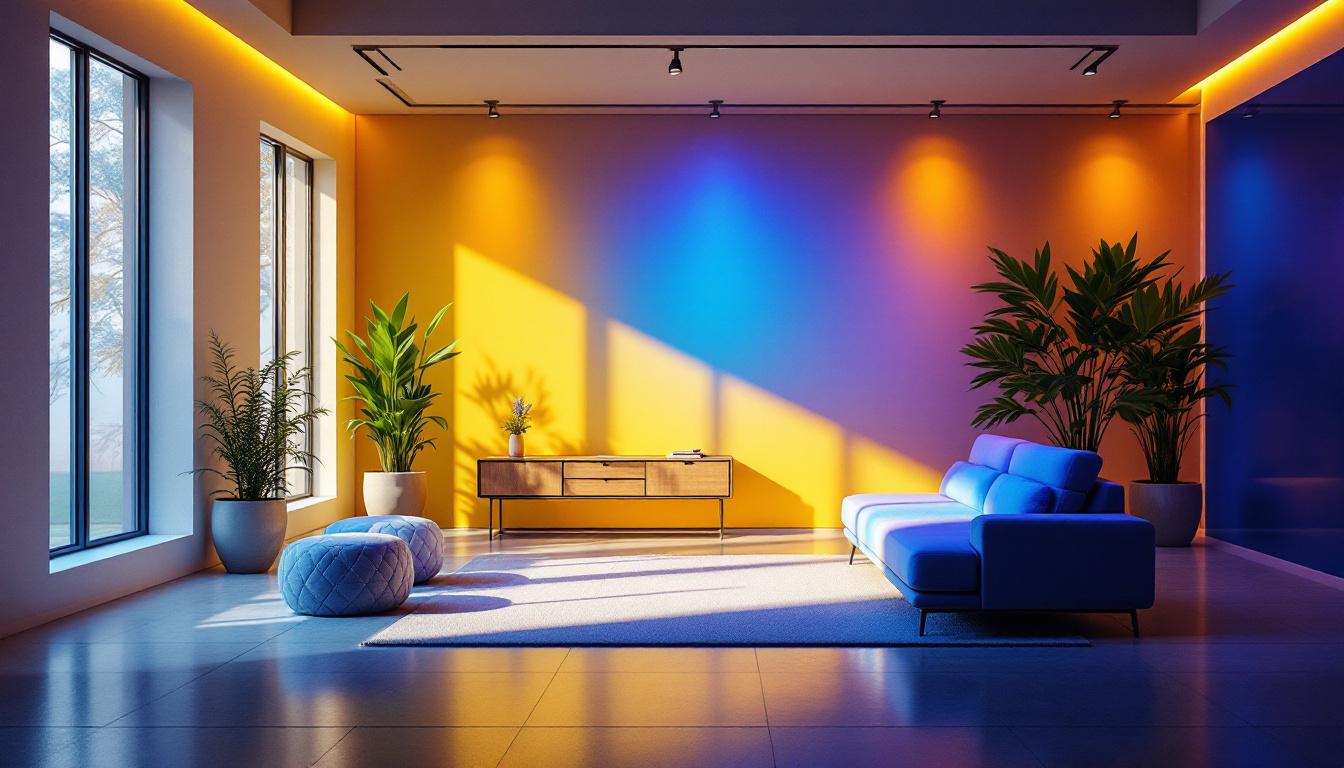
Lighting is more than just a functional aspect of a space; it is a crucial element that influences mood, productivity, and overall aesthetics. A well-thought-out lighting plan can transform an ordinary room into an extraordinary experience. Understanding the interplay of light and shadow, particularly through the use of lightly shaded lighting, can elevate your projects to new heights.
Creating Atmosphere
Light has the power to evoke emotions and set the tone of a space. Soft, diffused lighting can create a warm, inviting atmosphere, while harsher lights can lead to a more clinical or stark environment. By incorporating lightly shaded fixtures, contractors can achieve a balance that enhances the comfort and functionality of a space.
For instance, in a residential setting, using lightly shaded lamps in living areas can promote relaxation and conversation, while in a workspace, the same approach can foster focus and creativity. The key lies in understanding the specific needs of each environment and adjusting the lighting accordingly. Additionally, the color temperature of the light can further influence the ambiance; warm whites can create a cozy feel, while cooler tones can invigorate and energize.
Enhancing Visual Appeal
Lightly shaded lighting can also play a pivotal role in highlighting architectural features and decor. By strategically placing fixtures with soft shades, contractors can draw attention to artwork, furniture, or structural elements without overwhelming the viewer. This subtle approach allows for a more cohesive design that harmonizes with the overall aesthetic.
Moreover, the use of lightly shaded lighting can help in reducing glare, which is particularly important in spaces with large windows or reflective surfaces. This not only enhances visual comfort but also ensures that the design elements remain the focal point. In addition to these benefits, the careful selection of light fixtures can introduce texture and depth to a room. For example, a pendant light with a delicate shade can cast intricate patterns on walls and ceilings, adding an artistic flair that complements the overall design theme.
Furthermore, the integration of dimmable options can provide even greater versatility in lighting design. This allows occupants to adjust the intensity of the light according to the time of day or the activity at hand, whether it be a lively dinner party or a quiet evening of reading. The ability to customize lighting not only enhances the functionality of a space but also empowers individuals to create their desired atmosphere at any moment.
Types of Lightly Shaded Fixtures
When considering lightly shaded lighting solutions, there are various types of fixtures that can be utilized. Each type offers unique benefits and can be tailored to meet the specific demands of a project.
Table and Floor Lamps
Table and floor lamps are versatile options that can be easily integrated into different settings. With a variety of shades available, these fixtures can provide soft, ambient light that complements existing decor. They are particularly effective in living rooms, bedrooms, and reading nooks, where a cozy atmosphere is desired.
When selecting table and floor lamps, it is essential to consider the height and placement of the fixtures. A well-placed lamp can illuminate a space effectively while also serving as a design statement. Additionally, many modern lamps come with adjustable brightness settings, allowing users to customize the light intensity based on the time of day or activity, be it reading, entertaining, or simply relaxing. The choice of materials for the lamp base and shade can further enhance the aesthetic; for instance, a ceramic base paired with a linen shade can evoke a rustic charm, while a sleek metal finish can add a contemporary touch.
Wall Sconces
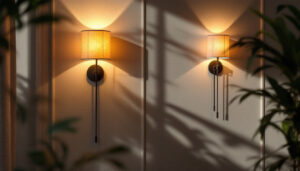
Wall sconces are another excellent choice for lightly shaded lighting. These fixtures can be mounted at various heights and angles, allowing for creative placement that enhances the overall design. Sconces can provide both ambient and task lighting, making them suitable for hallways, dining areas, and bathrooms.
In addition to their functionality, wall sconces can also serve as decorative elements. Choosing fixtures with unique designs or materials can add an extra layer of interest to a space, making them a valuable addition to any lighting plan. For example, vintage-inspired sconces with intricate metalwork can evoke a sense of nostalgia, while minimalist designs can contribute to a clean, modern look. Furthermore, sconces can be used to highlight artwork or architectural features, creating a dynamic interplay of light and shadow that enhances the visual appeal of a room.
Ceiling Fixtures
Ceiling fixtures, such as pendant lights and chandeliers, can also benefit from lightly shaded designs. These fixtures can serve as focal points in a room while providing ample illumination. The use of shades can diffuse light, creating a softer glow that enhances the ambiance.
When selecting ceiling fixtures, it is important to consider the scale of the room and the height of the ceilings. A well-proportioned fixture can make a significant impact, while an ill-suited one can disrupt the flow of the space. Additionally, the choice of bulb can influence the quality of light emitted; for instance, warm-toned bulbs can create an inviting atmosphere, while cooler tones may be more suitable for workspaces. It’s also worth exploring the trend of layered lighting, where ceiling fixtures are combined with other light sources, such as floor lamps and wall sconces, to create a more dynamic and versatile lighting scheme that caters to various activities and moods throughout the day.
Leveraging Technology for Better Lighting Solutions
In today’s rapidly evolving technological landscape, lighting contractors have access to a plethora of tools and systems that can enhance the effectiveness of their designs. Embracing these advancements can lead to more efficient and innovative lighting solutions.
Smart Lighting Systems
Smart lighting systems offer unparalleled control over lighting conditions. With features such as dimming, color temperature adjustment, and scheduling, these systems allow contractors to create dynamic environments that can adapt to various activities and moods. Lightly shaded fixtures can be integrated into smart systems, providing flexibility in how spaces are illuminated.
Moreover, smart lighting can contribute to energy efficiency, reducing costs for clients while promoting sustainability. By leveraging technology, contractors can offer solutions that not only meet aesthetic needs but also align with modern energy standards.
LED Technology
LED technology has revolutionized the lighting industry, providing options that are both energy-efficient and versatile. Lightly shaded LED fixtures can deliver the soft, diffused light that is often sought after in contemporary design. Additionally, the longevity and durability of LED lights make them an attractive choice for contractors and clients alike.
Furthermore, the ability to customize color temperatures with LEDs allows for greater creative freedom. Contractors can select shades that complement the overall design while ensuring that the lighting remains functional and appealing.
Best Practices for Implementing Lightly Shaded Solutions
To successfully implement lightly shaded lighting solutions, contractors should adhere to several best practices. These guidelines can help ensure that the lighting design is both effective and aesthetically pleasing.
Assessing the Space
Before selecting fixtures, it is crucial to assess the space thoroughly. Understanding the layout, purpose, and existing design elements will inform the choice of lighting solutions. Consider factors such as natural light availability, room dimensions, and the activities that will take place in the area.
Additionally, engaging with clients to understand their preferences and needs can lead to more tailored solutions. A collaborative approach can result in a lighting design that not only meets functional requirements but also resonates with the client’s vision.
Layering Light
Layering light is a fundamental principle in lighting design. By combining ambient, task, and accent lighting, contractors can create a well-balanced environment that meets various needs. Lightly shaded fixtures can be incorporated into each layer, ensuring that the overall lighting scheme is cohesive and effective.
For example, using table lamps for ambient light, wall sconces for accent lighting, and ceiling fixtures for task lighting can create a dynamic and inviting atmosphere. This approach allows for flexibility in how spaces are used and enjoyed.
Testing and Adjusting
Once the lighting has been installed, it is essential to test and adjust the fixtures as needed. Observing how the light interacts with the space at different times of day can provide valuable insights into any necessary modifications. This step ensures that the lighting not only looks good but also functions effectively.
Encouraging client feedback during this phase can also lead to refinements that enhance satisfaction. A willingness to make adjustments demonstrates a commitment to quality and client service.
Conclusion
Leveraging lightly shaded lighting solutions can significantly enhance the quality of lighting designs in both residential and commercial spaces. By understanding the importance of lighting in design, utilizing various types of fixtures, embracing technology, and following best practices, lighting contractors can create environments that are not only functional but also visually appealing.
As the demand for innovative and effective lighting solutions continues to grow, staying informed about trends and advancements in the industry will be key. By adopting a thoughtful approach to lighting design, contractors can ensure that their projects stand out and meet the evolving needs of their clients.
Illuminate Your Projects with LumenWholesale
Ready to elevate your lighting designs with the finest lightly shaded fixtures on the market? Look no further than LumenWholesale, where we provide contractors with exceptional, spec-grade lighting products at unbeatable wholesale prices. Our commitment to quality and affordability means you can access a vast selection of premium lighting solutions that meet the highest industry standards. Say goodbye to inflated markups and hello to hassle-free bulk buying with free shipping. Don’t compromise on quality or value—choose LumenWholesale for your next project and experience the ultimate in convenience and performance. Wholesale Lighting at the Best Value is just a click away.