Why Cover Plates Matter More Than You Think
When installing lighting fixtures, the focus often falls on the luminaire itself, wiring, and switches. However, cover plates for electrical outlets are a critical component that can’t be overlooked. These seemingly simple accessories serve multiple purposes beyond aesthetics. They protect wiring connections, prevent accidental electrical shocks, and ensure compliance with electrical codes.
For lighting professionals, selecting the right cover plate is as important as choosing the correct fixture. A poorly chosen cover plate can lead to safety hazards, reduce the lifespan of electrical components, and even cause client dissatisfaction. Understanding the nuances of cover plates helps avoid costly callbacks and enhances the overall quality of your installation.
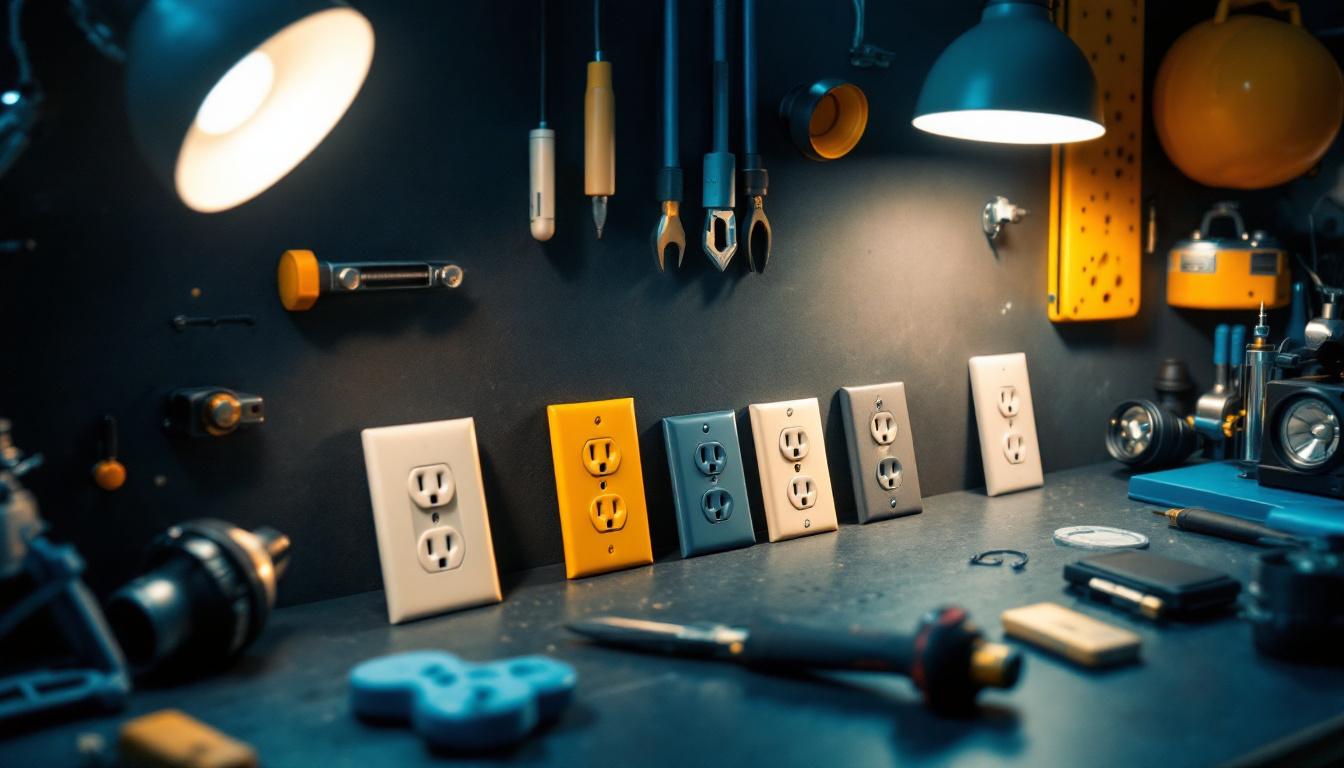
Moreover, cover plates come in a variety of materials, colors, and designs, allowing for customization that can complement any interior style. From sleek metal finishes to colorful plastic options, the right cover plate can enhance the visual appeal of a room while still serving its functional purpose. For instance, in high-end residential projects, a designer may opt for decorative cover plates that match the overall design theme, adding a touch of elegance that reflects the homeowner’s taste.
In addition to aesthetics, it’s essential to consider the installation environment when selecting cover plates. In areas prone to moisture, such as kitchens and bathrooms, using cover plates made from corrosion-resistant materials is crucial to ensure durability and safety. Furthermore, in commercial settings, where wear and tear is more pronounced, opting for heavy-duty cover plates can significantly extend their lifespan. This attention to detail not only enhances safety but also demonstrates a commitment to quality craftsmanship, ultimately leading to greater client satisfaction and trust in your work.
Material Matters: Choosing the Right Cover Plate
Plastic vs. Metal: Pros and Cons
Plastic cover plates are the most common choice due to their affordability and ease of installation. They come in a variety of colors and finishes, making it easy to match any décor. However, plastic plates can crack under impact and may discolor over time, especially in high-traffic or outdoor areas. Additionally, while they are lightweight and easy to handle, plastic plates may not provide the same level of protection against dust and moisture as their metal counterparts. This can be a significant consideration in environments where cleanliness and durability are paramount.
Metal cover plates, typically made from stainless steel, aluminum, or brass, offer superior durability and a sleek, modern look. They are ideal for commercial settings or industrial environments where robustness is essential. Metal plates also provide better grounding in certain applications, enhancing electrical safety. Furthermore, many metal options come with finishes that resist fingerprints and smudges, making them easier to maintain in high-use areas. The weight of metal plates can also provide a sense of permanence and quality that plastic simply cannot match, making them a preferred choice for upscale installations.
Specialty Materials
In some cases, specialty materials like wood, glass, or ceramic are used to complement high-end interior designs. While these add aesthetic value, they require careful handling and may not meet all safety standards. Always verify that specialty cover plates comply with local electrical codes before installation. For instance, wooden plates can bring warmth and a natural element to a space, but they may not be suitable for areas exposed to moisture or extreme temperatures, as they can warp or degrade over time. Similarly, glass cover plates can create a stunning visual impact but may require more frequent cleaning to maintain their pristine appearance.
Moreover, ceramic cover plates can offer unique artistic designs, often featuring intricate patterns or glazes that enhance the overall decor. However, they can be fragile and may not withstand heavy impact or stress. When considering specialty materials, it’s also essential to think about the installation process, as some may require specific tools or techniques to ensure a secure fit. Ultimately, the choice of material should align with both the functional requirements and the aesthetic goals of the space, ensuring a harmonious balance between style and practicality.
Key Features to Consider
Size and Fit
Cover plates come in various sizes to fit different outlet configurations—single, double, or multi-gang boxes. Ensuring the plate fits snugly over the outlet is crucial to prevent dust accumulation and accidental contact with wiring. Lighting professionals should always measure the outlet box and verify compatibility before ordering cover plates. Additionally, it’s important to consider the depth of the outlet box, as some cover plates are designed for shallow boxes while others accommodate deeper installations. This attention to detail not only enhances safety but also contributes to a polished, professional appearance in any installation.
Finish and Color
The finish of a cover plate can impact both aesthetics and maintenance. Matte finishes tend to hide fingerprints and smudges better than glossy ones. For lighting contractors working in commercial spaces, neutral colors like white, beige, or gray are safe bets. Custom colors or finishes can be specified for residential projects aiming for a unique look. Furthermore, the choice of finish can also affect the durability of the cover plate; powder-coated options may offer superior resistance to scratches and corrosion, making them ideal for high-traffic areas. When selecting colors, consider the overall design scheme of the space, as a well-coordinated cover plate can seamlessly blend into the environment or serve as a subtle accent piece.
Weather Resistance
Outdoor lighting installations require cover plates rated for weather resistance. Look for plates with weatherproof seals or gaskets to protect against moisture and dust ingress. Materials should be UV-resistant to prevent fading and brittleness over time. Using the right outdoor cover plate extends the life of the outlet and maintains safety standards. In addition, consider the potential for extreme weather conditions in your area; some cover plates are specifically designed to withstand high winds, heavy rain, or extreme temperatures. Investing in high-quality weather-resistant cover plates not only enhances the longevity of your installations but also ensures that they remain functional and safe throughout the changing seasons. Regular maintenance checks can also help identify wear and tear, allowing for timely replacements that keep outdoor lighting systems in optimal condition.
Compliance and Safety Standards
Understanding UL and CSA Certifications
Underwriters Laboratories (UL) and the Canadian Standards Association (CSA) certifications are benchmarks for electrical safety. Cover plates bearing these marks have been tested for durability, fire resistance, and electrical insulation. Lighting professionals should always specify cover plates with these certifications to ensure compliance with local regulations.
Ground Fault Circuit Interrupter (GFCI) and Tamper-Resistant Plates
GFCI outlets require compatible cover plates that do not interfere with their function. Tamper-resistant (TR) cover plates are mandatory in many residential and commercial settings to protect children from electrical shocks. These plates feature built-in shutters that prevent foreign objects from being inserted. Always confirm the type of outlet and select the appropriate cover plate accordingly.
Installation Best Practices
Proper Alignment and Securing
Even the best cover plate can look unprofessional if installed crooked or loosely. Use a level and the correct screwdriver to secure plates firmly without over-tightening, which can crack plastic or strip screws. Lighting contractors should also inspect the outlet box for damage or debris before installation to ensure a clean fit.
Dealing with Uneven Walls or Surfaces
In older buildings, walls may be uneven, causing gaps between the cover plate and wall surface. In such cases, spacer rings or thicker cover plates can be used to achieve a flush finish. This not only improves appearance but also prevents dust and insects from entering the outlet box.
Special Considerations for Lighting Professionals
Matching Cover Plates with Lighting Controls
Many lighting projects involve dimmers, timers, or smart switches. Cover plates for these devices often differ in size and shape from standard outlet plates. Coordinating cover plates with lighting controls ensures a cohesive look and prevents compatibility issues. Some manufacturers offer coordinated kits for switches and outlets, simplifying this process.
Planning for Future Upgrades
When working on new installations or renovations, consider future upgrades such as USB outlets or wireless charging pads. Selecting cover plates that accommodate or can be easily swapped for these technologies saves time and money down the line. Forward-thinking lighting professionals will advise clients accordingly during project planning.
Common Mistakes to Avoid
Ignoring Local Electrical Codes
Failing to comply with local codes can lead to failed inspections and costly rework. Always stay updated on code changes related to outlet cover plates, especially in commercial and public buildings where regulations are stricter. Consulting with a licensed electrician or code official can prevent costly mistakes.
Overlooking Aesthetic Consistency
Mixing different styles, colors, or materials of cover plates within the same space can look unprofessional and detract from the overall design. Lighting professionals should plan the selection of cover plates early in the project and maintain consistency throughout.
Using Low-Quality Products
Cheap cover plates may save money upfront but often lead to durability issues and safety risks. Investing in high-quality, certified cover plates enhances client satisfaction and reduces maintenance calls. It’s a small detail that reflects the quality of the entire lighting installation.
Conclusion: The Small Details That Make a Big Difference
Cover plates for electrical outlets are more than just finishing touches. They contribute to safety, functionality, and the visual appeal of lighting installations. For lighting professionals, mastering the selection and installation of cover plates is essential to delivering high-quality, code-compliant work.
By considering material, size, safety certifications, and installation best practices, contractors can avoid common pitfalls and enhance their reputation. The right cover plate is a small investment with a big impact-never underestimate its importance in your projects.
Illuminate Your Projects with LumenWholesale
Ready to elevate your lighting installations with the finest cover plates and lighting products? At LumenWholesale, we provide lighting professionals like you with high-quality, spec-grade materials that meet the highest industry standards. Our extensive selection is available at unbeatable wholesale prices, ensuring you get the best value for your investment. Say goodbye to local distributor markups and hello to hassle-free bulk buying with free shipping. Don’t compromise on quality or price. Visit LumenWholesale now to discover how our products can make a significant difference in your next project.