As the demand for sustainable energy solutions continues to rise, wall solar lights have emerged as a popular choice for both residential and commercial applications. For lighting contractors, mastering this technology not only enhances service offerings but also positions them as leaders in the green energy movement. This article delves into the intricacies of wall solar lights, exploring their benefits, installation techniques, and the future of solar lighting.
Understanding Wall Solar Lights
Wall solar lights are outdoor lighting fixtures powered by solar energy. They typically consist of solar panels, LED bulbs, batteries, and a control system that manages the light’s operation. The solar panels absorb sunlight during the day, converting it into electricity stored in the batteries for use at night. This innovative technology not only promotes energy efficiency but also aligns with the growing trend of sustainable living, making it an appealing choice for eco-conscious consumers.
Components of Wall Solar Lights
Each wall solar light comprises several key components that work together to provide efficient lighting. The solar panel is the most critical part, as it captures sunlight and converts it into electrical energy. LED bulbs are favored for their energy efficiency and longevity, providing bright illumination while consuming minimal power. These bulbs can last up to 25,000 hours, significantly reducing the need for frequent replacements and maintenance.
The battery serves as the energy reservoir, ensuring that the light operates even when sunlight is not available. Typically, these batteries are rechargeable lithium-ion or nickel-metal hydride, which are known for their durability and performance. Additionally, a control system regulates the light’s operation, turning it on at dusk and off at dawn, or based on motion detection, depending on the model. Some advanced systems even allow for customizable settings via smartphone apps, giving users greater control over their outdoor lighting.
Benefits of Wall Solar Lights
One of the most significant advantages of wall solar lights is their sustainability. By harnessing solar energy, these lights reduce reliance on conventional electricity sources, leading to lower energy bills and a reduced carbon footprint. Furthermore, they are often easy to install, requiring no extensive wiring or electrical work, making them an attractive option for contractors. This ease of installation also empowers homeowners to enhance their outdoor spaces without the need for professional assistance, promoting a sense of independence and creativity.
Moreover, wall solar lights are versatile and can be used in various settings, including gardens, pathways, and commercial properties. Their ability to function independently of the electrical grid makes them particularly valuable in remote areas or during power outages. Additionally, many models come equipped with features such as adjustable brightness levels and decorative designs, allowing users to tailor the lighting to their specific needs and aesthetic preferences. This adaptability not only enhances safety and visibility but also contributes to the overall ambiance of outdoor environments, making them a popular choice for both residential and commercial applications.
Installation Techniques for Wall Solar Lights
Proper installation is critical to maximizing the performance and longevity of wall solar lights. Lighting contractors must be familiar with best practices to ensure that these fixtures operate efficiently and provide adequate illumination.
Site Assessment
Before installation, a thorough site assessment is essential. Contractors should evaluate the area for potential obstructions that may block sunlight, such as trees or buildings. Identifying the optimal location for the solar panels is crucial, as this will directly impact the amount of energy collected during the day.
Additionally, understanding the specific lighting needs of the client will help determine the number of fixtures required and their placement. For instance, areas with high foot traffic may need brighter lights or more fixtures to ensure adequate visibility. Furthermore, considering the aesthetic preferences of the client can enhance the overall appeal of the installation. For example, choosing fixtures that complement the architectural style of the building can create a harmonious look while still providing functional lighting.
Mounting and Positioning
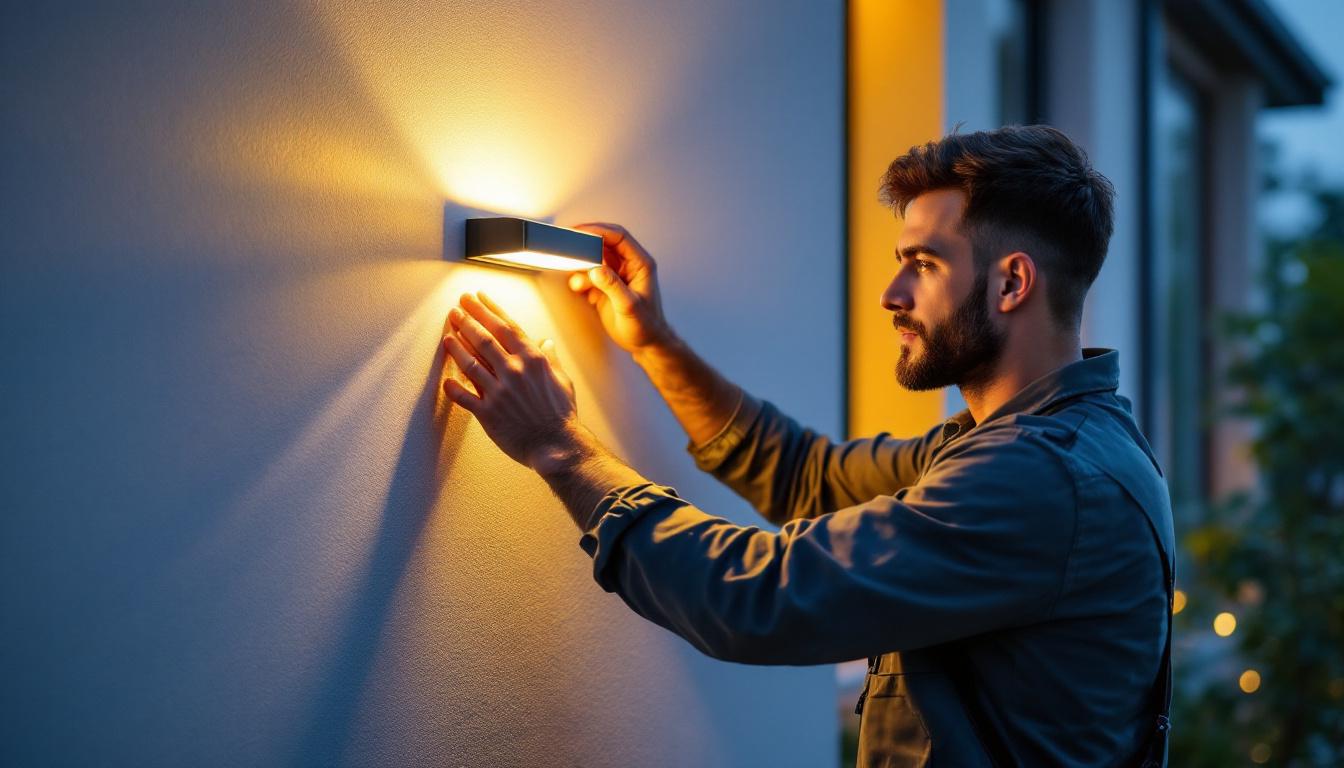
Once the site assessment is complete, contractors can proceed with mounting the wall solar lights. It is vital to install the lights at the correct height and angle to maximize sun exposure. Typically, solar panels should face south in the northern hemisphere to capture the most sunlight throughout the day.
When mounting the lights, contractors should ensure that they are securely fastened to withstand wind and weather conditions. Using appropriate anchors and brackets can enhance stability and prevent damage over time. Additionally, it is beneficial to consider the surrounding environment; for instance, areas prone to heavy snowfall may require lights to be mounted higher to avoid obstruction. This foresight can prevent future maintenance issues and ensure consistent performance throughout the year.
Wiring and Configuration
While many wall solar lights are designed for easy installation without extensive wiring, some models may require basic electrical knowledge for optimal configuration. Contractors should carefully follow the manufacturer’s instructions to ensure proper setup. This may include connecting the solar panel to the battery and configuring any motion sensors or timers.
After installation, testing the lights is crucial to verify that they operate as intended. This includes checking the brightness, ensuring the motion sensors function correctly, and confirming that the lights turn on and off at the appropriate times. Moreover, it is advisable to educate the client on the maintenance of their solar lights, such as cleaning the solar panels periodically to remove dirt and debris, which can significantly affect efficiency. Providing this information empowers clients to take an active role in the upkeep of their lighting system, ultimately leading to better performance and satisfaction with their investment.
Maintenance and Troubleshooting
To ensure the longevity and efficiency of wall solar lights, regular maintenance is essential. Lighting contractors should educate clients on proper care and troubleshooting techniques.
Routine Cleaning
One of the simplest yet most effective maintenance tasks is cleaning the solar panels. Dust, dirt, and debris can accumulate on the surface, reducing the amount of sunlight absorbed. Contractors should recommend that clients clean the panels periodically, especially after severe weather events.
Additionally, checking the LED bulbs for any signs of wear or damage is important. Replacing bulbs as needed will ensure that the lights continue to provide adequate illumination.
Battery Maintenance
The battery is a critical component of wall solar lights, and its performance can diminish over time. Contractors should advise clients on battery care, including the importance of replacing batteries every few years to maintain optimal performance. Signs of a failing battery may include dim lighting or lights that do not turn on at all.
In some cases, clients may experience issues with the control system. If the lights fail to turn on or off as expected, contractors should troubleshoot the settings and ensure that any timers or sensors are correctly configured.
Market Trends and Innovations
The solar lighting market is continually evolving, with new technologies and trends emerging to enhance the functionality and appeal of wall solar lights. Staying informed about these developments can help lighting contractors offer the best solutions to their clients.
Smart Solar Lighting
One of the most significant trends in solar lighting is the integration of smart technology. Smart solar lights can connect to mobile applications, allowing users to control settings remotely, monitor energy usage, and receive alerts about performance issues. This level of control enhances user experience and can be a selling point for contractors.
Additionally, smart solar lights often feature advanced sensors that can adjust brightness based on ambient light conditions or detect motion, providing tailored lighting solutions that enhance security and energy efficiency.
Design and Aesthetics
As the popularity of wall solar lights grows, manufacturers are focusing on design and aesthetics to appeal to a broader audience. Contractors can now offer clients a variety of styles, colors, and finishes to complement their outdoor spaces. From sleek modern designs to more traditional looks, there is a solar light to suit every taste.
Moreover, customizable options, such as interchangeable shades or decorative elements, allow clients to personalize their lighting solutions further, enhancing the overall appeal of their properties.
Challenges and Considerations
While wall solar lights present numerous benefits, there are also challenges and considerations that lighting contractors must address to ensure successful installations.
Weather and Climate Factors
Weather conditions can significantly impact the performance of wall solar lights. In regions with prolonged cloudy or rainy periods, the efficiency of solar panels may decrease, leading to reduced lighting output. Contractors should discuss these factors with clients, helping them understand the potential limitations and consider alternative solutions if necessary.
Additionally, extreme temperatures can affect battery performance. Educating clients on the importance of selecting high-quality batteries designed to withstand local climate conditions can help mitigate these issues.
Regulatory and Compliance Issues
Lighting contractors must also be aware of local regulations and compliance issues related to solar installations. This includes understanding zoning laws, building codes, and any permits required for outdoor lighting installations. Ensuring compliance not only protects the contractor but also provides peace of mind for clients.
Staying informed about any changes in regulations or incentives for solar installations can also benefit contractors, allowing them to offer clients the most up-to-date information and options.
Conclusion
Wall solar lights represent a significant opportunity for lighting contractors to expand their service offerings and embrace the growing demand for sustainable energy solutions. By mastering the intricacies of solar lighting, from installation techniques to maintenance and troubleshooting, contractors can position themselves as experts in the field.
As technology continues to evolve, staying informed about market trends and innovations will enable contractors to provide cutting-edge solutions that meet the diverse needs of their clients. By addressing challenges and considerations, lighting contractors can ensure successful installations that enhance outdoor spaces while promoting environmental sustainability.
In a world increasingly focused on renewable energy, mastering wall solar lights is not just a trend; it is a pathway to a brighter, more sustainable future for both lighting contractors and their clients.
Illuminate Your Projects with LumenWholesale
Ready to take your lighting projects to the next level with sustainable and cost-effective wall solar lights? At LumenWholesale, we provide lighting contractors like you with the highest quality, spec-grade lighting products at unbeatable wholesale prices. Say goodbye to local distributor markups and hello to our extensive selection that meets rigorous industry standards. With free shipping on bulk orders, you can trust that you’re getting premium lighting solutions at the best value — no hidden fees, no compromises. Elevate your service offerings and delight your clients with the perfect blend of quality, affordability, and convenience. Explore our wholesale lighting options today and brighten the future of your business.