In the ever-evolving world of lighting technology, compact fluorescent lamps (CFLs) have emerged as a popular choice for both residential and commercial applications. However, the efficiency and functionality of these lamps heavily rely on a crucial component known as the ballast. For lighting contractors, understanding the science behind compact fluorescent ballasts is essential for ensuring optimal performance and longevity of lighting systems. This article delves into the intricacies of CFL ballasts, their types, functionalities, and best practices for installation and maintenance.
What is a Compact Fluorescent Ballast?
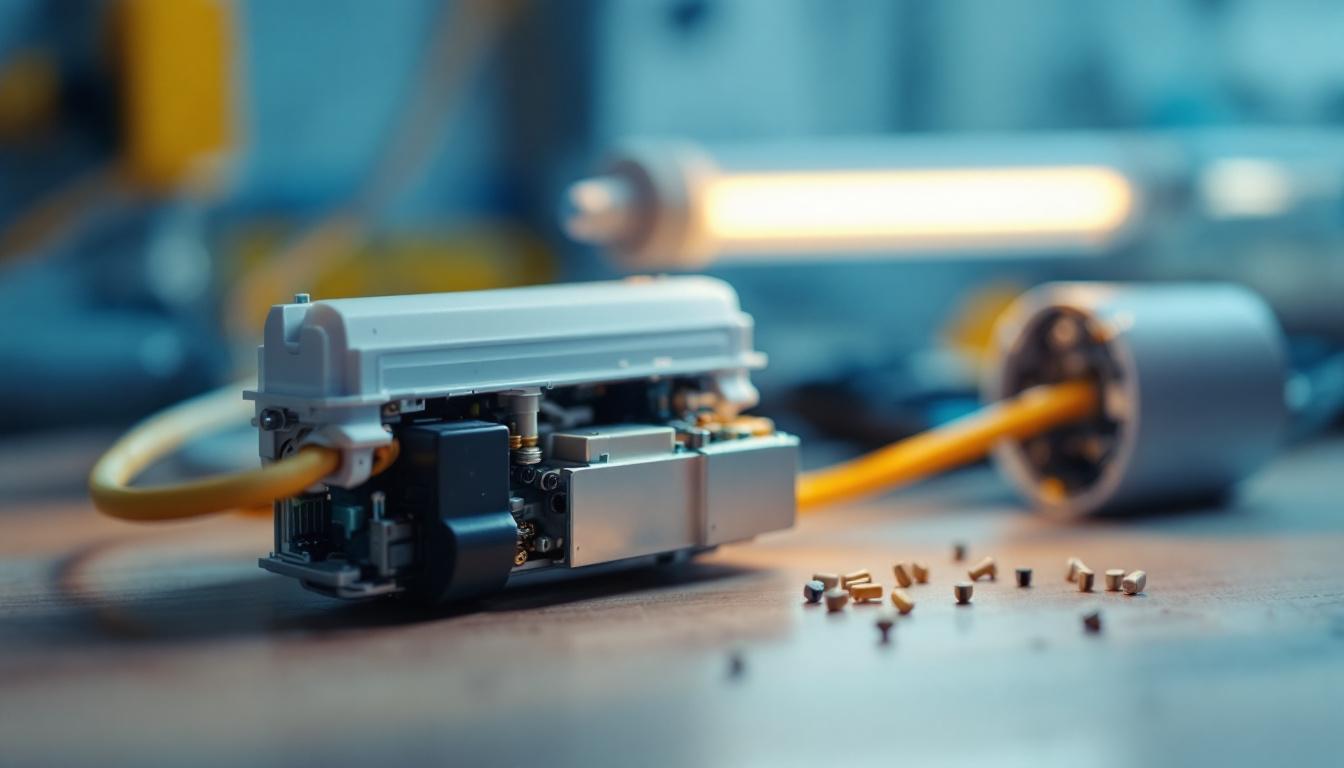
A compact fluorescent ballast is an electrical device that regulates the current to a fluorescent lamp. It provides the necessary voltage to start the lamp and then controls the current flowing through it during operation. Without a ballast, a fluorescent lamp would not function correctly, leading to flickering or complete failure. Understanding how ballasts work is vital for lighting contractors who aim to deliver high-quality lighting solutions.
The Role of the Ballast
The primary role of the ballast is to manage the electrical current that powers the lamp. When the lamp is first turned on, the ballast supplies a high voltage to ignite the gas within the lamp. Once the lamp is lit, the ballast reduces the voltage to a level that maintains a steady light output. This process is crucial because fluorescent lamps require a specific current to operate efficiently. If the current is too high, it can lead to overheating and premature failure of the lamp. Additionally, the ballast plays a significant role in the overall energy efficiency of the lighting system. By ensuring that the lamp operates at the correct current, it minimizes energy waste and extends the lifespan of the bulb, making it a critical component in sustainable lighting solutions.
Types of Compact Fluorescent Ballasts
There are two main types of ballasts used in compact fluorescent lamps: magnetic and electronic. Each type has its unique characteristics and applications.
- Magnetic Ballasts: These are the traditional type of ballasts that use electromagnetic coils to regulate current. They are generally larger and heavier than electronic ballasts and tend to be less efficient. Magnetic ballasts can produce a flickering effect, especially in colder temperatures, which may not be suitable for all applications. Furthermore, they often generate more heat, which can contribute to energy loss and may require additional cooling measures in certain environments.
- Electronic Ballasts: These modern ballasts offer several advantages over magnetic ones. They are lighter, more compact, and provide a more stable light output. Electronic ballasts operate at higher frequencies, which eliminates flickering and improves energy efficiency. They are also designed to work with a wider range of lamp types and wattages. Moreover, electronic ballasts can include features such as dimming capabilities and compatibility with smart lighting systems, making them a versatile choice for contemporary lighting designs.
In addition to their functional differences, the choice between magnetic and electronic ballasts can also impact the overall cost and maintenance of lighting systems. While electronic ballasts may have a higher upfront cost, their energy savings and longer lifespan often make them a more economical choice in the long run. This is particularly relevant in commercial settings where lighting is used extensively, as the cumulative savings on energy bills can be substantial over time. Understanding these distinctions allows consumers and professionals alike to make informed decisions that align with their specific lighting needs and budgetary considerations.
Understanding the Science: How Ballasts Work
The operation of a compact fluorescent ballast involves several scientific principles, including electrical resistance, inductance, and capacitance. Understanding these principles can help lighting contractors troubleshoot issues and optimize performance.
Electrical Resistance and Inductance
Electrical resistance is the opposition to the flow of current in a circuit. In the case of magnetic ballasts, the inductance provided by the coil creates a magnetic field that helps regulate the current. This inductive reactance is essential for starting the lamp and maintaining its operation. However, magnetic ballasts can introduce losses due to heat generation, making them less efficient. The heat produced can also lead to a decrease in the lifespan of the ballast, which is a crucial consideration for both contractors and end-users. Understanding the balance between inductance and resistance is vital for optimizing the performance of these systems, as excessive resistance can lead to dim lighting and flickering, ultimately affecting the overall user experience.
Capacitance and Electronic Ballasts
Electronic ballasts utilize capacitors to improve efficiency and performance. By incorporating capacitors, these ballasts can store and release energy more effectively, allowing for smooth operation and reduced energy consumption. This technology also enables electronic ballasts to operate at higher frequencies, which enhances the quality of light produced by the lamp. Higher frequency operation minimizes flicker and can result in a more stable light output, which is particularly beneficial in environments where consistent lighting is crucial, such as in retail spaces or art galleries. Furthermore, electronic ballasts are generally lighter and more compact than their magnetic counterparts, making them easier to install and integrate into various lighting designs. The advancements in electronic ballast technology not only contribute to energy savings but also align with modern sustainability goals, as they reduce overall electricity consumption and lower greenhouse gas emissions associated with power generation.
Installation Best Practices for Lighting Contractors
Proper installation of compact fluorescent ballasts is crucial for ensuring optimal performance and longevity of the lighting system. Lighting contractors should adhere to specific best practices to achieve the best results.
Choosing the Right Ballast
When selecting a ballast for a compact fluorescent lamp, it is essential to match the ballast type and wattage with the lamp specifications. Using an incompatible ballast can lead to poor performance or lamp failure. Contractors should always refer to manufacturer guidelines to ensure compatibility.
Wiring Considerations
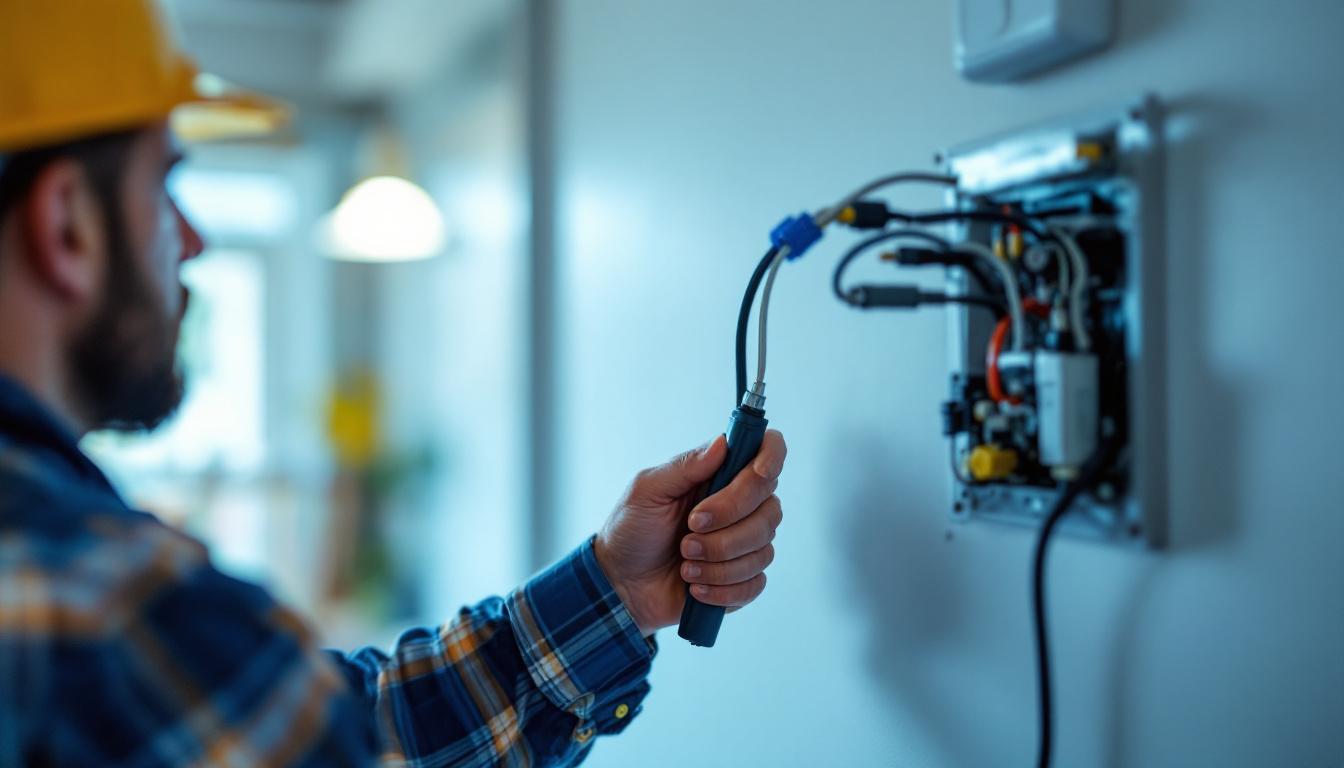
Correct wiring is critical for the proper functioning of the ballast and lamp. Contractors should follow wiring diagrams provided by the ballast manufacturer and ensure that all connections are secure. Loose or incorrect wiring can lead to flickering, reduced efficiency, or even damage to the ballast.
Testing and Troubleshooting
After installation, testing the system is essential to ensure everything is functioning correctly. Lighting contractors should check for flickering, unusual noises, or inconsistent light output. If issues arise, troubleshooting should begin with the ballast, as it is often the source of problems in fluorescent lighting systems.
Maintenance of Compact Fluorescent Ballasts
Regular maintenance of compact fluorescent ballasts can significantly extend their lifespan and improve the overall performance of the lighting system. Lighting contractors should implement a maintenance routine that includes inspection, cleaning, and replacement as necessary.
Inspection and Cleaning
Periodic inspections of the ballast and its connections can help identify potential issues before they become significant problems. Contractors should look for signs of wear, corrosion, or damage. Cleaning the ballast and surrounding area can also prevent dust and debris from affecting its operation.
Replacement Guidelines
When a ballast fails, it is essential to replace it promptly to avoid disruptions in lighting. Contractors should keep a stock of commonly used ballasts to facilitate quick replacements. Additionally, understanding the signs of a failing ballast, such as flickering lights or buzzing sounds, can help contractors address issues before they escalate.
Energy Efficiency and Environmental Impact
As energy efficiency becomes increasingly important in the lighting industry, compact fluorescent ballasts play a significant role in reducing energy consumption. Understanding their impact can help lighting contractors promote sustainable practices.
Energy Savings
Compact fluorescent lamps, when paired with electronic ballasts, can significantly reduce energy consumption compared to traditional incandescent bulbs. This reduction in energy use not only lowers utility bills for consumers but also contributes to a decrease in overall energy demand. Lighting contractors can educate their clients about these benefits, helping them make informed decisions about their lighting choices.
Environmental Considerations
Fluorescent lamps contain small amounts of mercury, which can pose environmental hazards if not disposed of properly. Lighting contractors should be aware of local regulations regarding the disposal of fluorescent lamps and ballasts. Promoting recycling and proper disposal methods can enhance a contractor’s reputation as a responsible and environmentally conscious professional.
Future Trends in Compact Fluorescent Ballast Technology
The lighting industry is continually evolving, and advancements in ballast technology are no exception. Staying informed about these trends can help lighting contractors remain competitive and provide cutting-edge solutions to their clients.
Smart Ballast Technology
As smart lighting systems gain popularity, the integration of smart ballast technology is becoming more common. These ballasts can communicate with other smart devices, allowing for enhanced control over lighting systems. Features such as dimming, scheduling, and remote monitoring can improve energy efficiency and user experience.
LED Compatibility
With the rise of LED technology, many manufacturers are developing ballasts that are compatible with LED lamps. This compatibility allows for a smoother transition for clients looking to upgrade their lighting systems while maintaining existing fixtures. Lighting contractors should stay informed about these developments to offer clients the most versatile solutions.
Conclusion
Understanding compact fluorescent ballasts is essential for lighting contractors who aim to deliver efficient and reliable lighting solutions. By grasping the science behind ballasts, their installation and maintenance best practices, and the impact of energy efficiency, contractors can enhance their expertise and provide exceptional service to their clients. As technology continues to evolve, staying informed about trends and advancements will ensure that lighting professionals remain at the forefront of the industry.
Get Your Premium Compact Fluorescent Ballasts at LumenWholesale
Ready to elevate your lighting projects with the most efficient and reliable compact fluorescent ballasts? Look no further than LumenWholesale. We provide lighting contractors with the highest quality, spec-grade lighting products at unbeatable wholesale prices. Say goodbye to local distributor markups and hello to superior products at the value you deserve. With our extensive selection that meets rigorous industry standards, you can ensure every project shines with excellence. Plus, enjoy the convenience of bulk buying with free shipping and no hidden fees. Make the smart choice for your lighting needs and experience the best value in wholesale lighting with LumenWholesale.