In the realm of residential electrical systems, understanding the intricacies of various components is crucial for lighting contractors. One such component that often raises questions is the house fan switch. This article aims to demystify the house fan switch, providing essential insights and practical knowledge for lighting contractors to enhance their expertise in residential installations.
Understanding the Basics of House Fan Switches
House fan switches are integral to managing the operation of ceiling fans and other ventilation systems in residential settings. They allow homeowners to control the speed and functionality of their fans, contributing to comfort and energy efficiency. However, the variety of switch types and their specific applications can be confusing.
Types of House Fan Switches
There are several types of house fan switches available, each designed for different functionalities. The most common types include:
- Single-Pole Switches: These are the simplest form of fan switches, allowing control from one location. They are typically used for basic fan operation.
- Three-Way Switches: These switches enable control from two different locations, making them ideal for larger rooms or hallways where multiple access points are needed.
- Variable Speed Switches: These advanced switches allow users to adjust the fan speed to their preference, offering greater control over airflow and noise levels.
Each switch type serves a specific purpose, and understanding their differences is essential for lighting contractors when advising clients or making installation decisions.
Installation Considerations
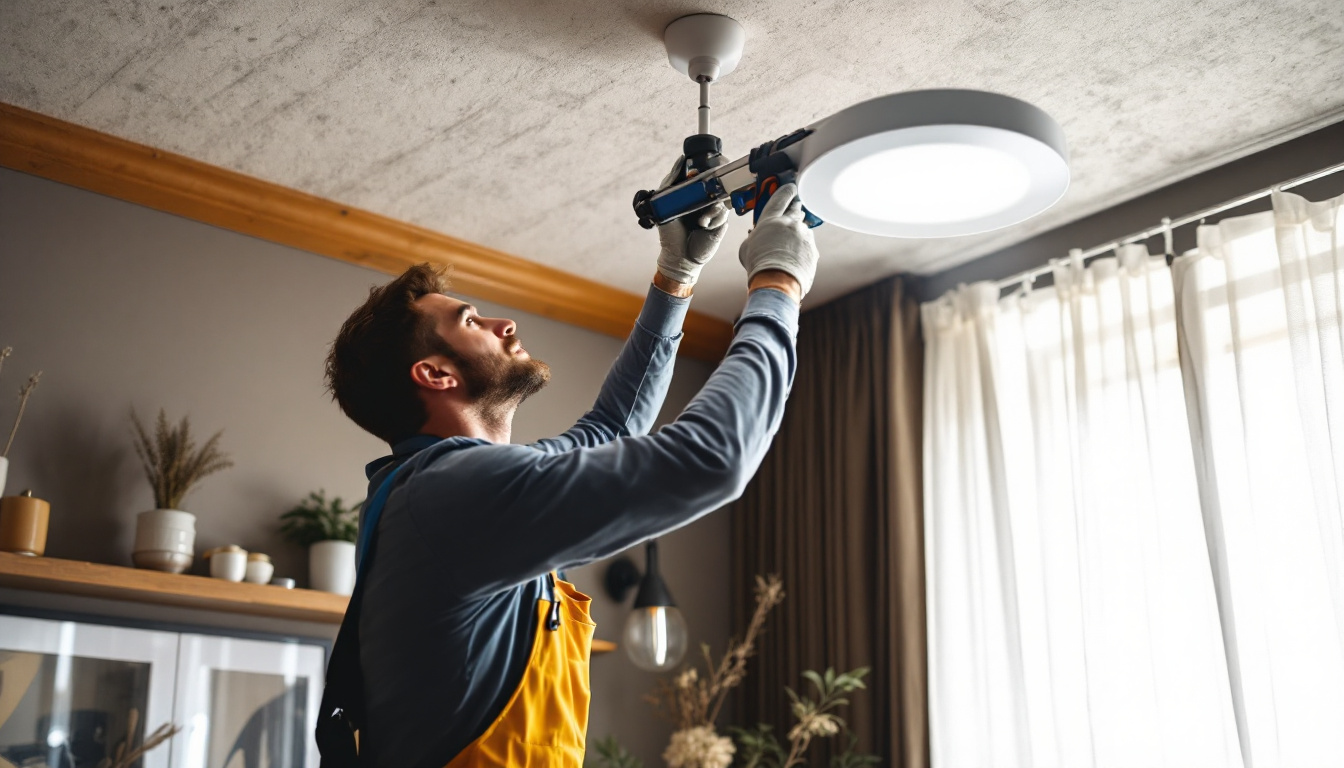
When installing house fan switches, several factors must be considered to ensure optimal functionality and safety. Proper installation not only enhances user experience but also reduces the risk of electrical hazards.
First and foremost, it is vital to ensure that the switch is rated appropriately for the fan it controls. Overloading a switch can lead to overheating and potential failure. Additionally, contractors should be aware of local electrical codes and regulations that govern fan switch installations.
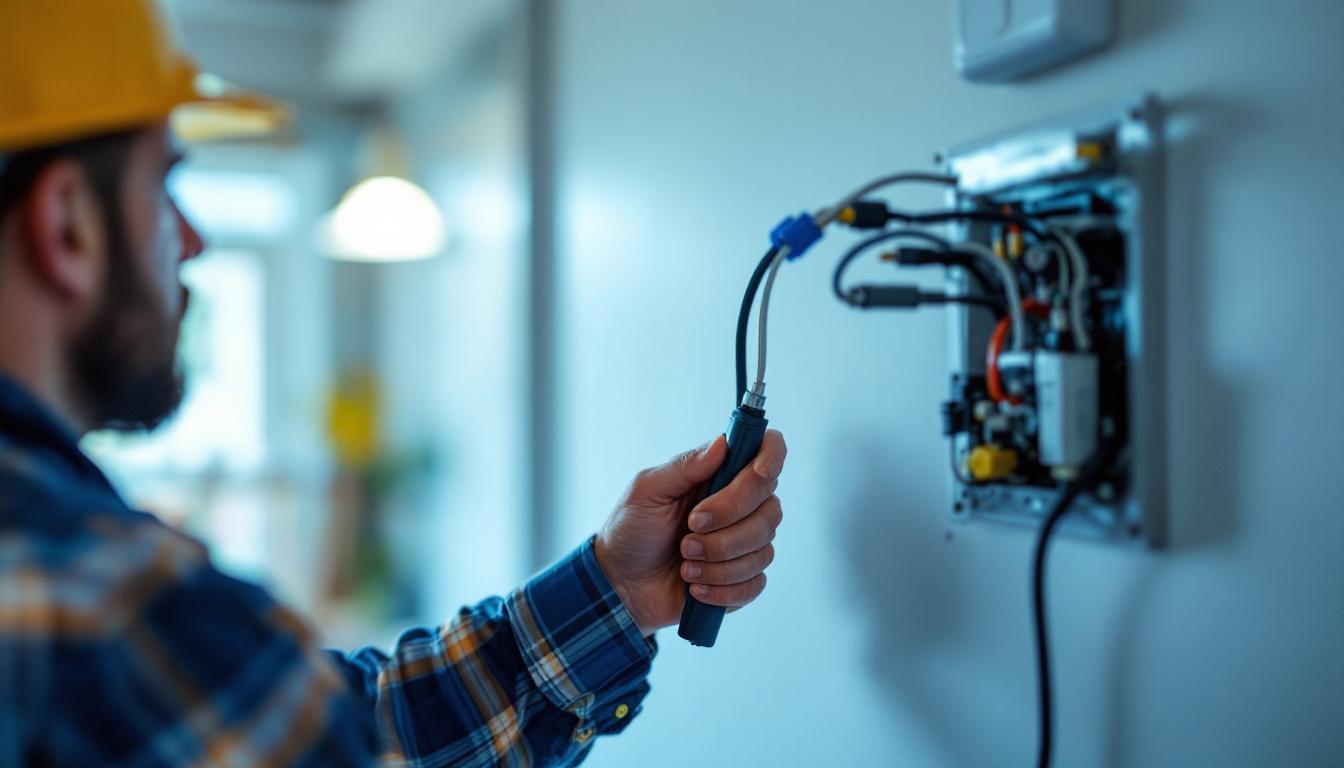
Wiring configurations can also vary based on the type of switch being installed. For instance, three-way switches require a more complex wiring setup than single-pole switches. Familiarity with these configurations is crucial for a successful installation.
Moreover, the placement of the switch is another critical consideration. Ideally, switches should be installed in easily accessible locations to enhance user convenience. This is especially important in larger spaces where the fan’s operation may need to be adjusted frequently. Additionally, ensuring that the switch is mounted at a comfortable height can prevent strain and improve overall usability.
Another aspect to consider is the aesthetic integration of the switch within the room’s decor. With an array of styles and finishes available, homeowners can select switches that complement their interior design while still providing the necessary functionality. This attention to detail can enhance the overall ambiance of a space, making the fan not just a functional appliance but also a stylish addition to the room.
Advanced Features in House Fan Switches
As technology evolves, so do the features available in house fan switches. Many modern options come equipped with advanced functionalities that enhance user convenience and energy efficiency.
Smart Fan Switches
Smart fan switches are becoming increasingly popular in residential settings. These devices can be integrated into home automation systems, allowing users to control their fans remotely via smartphone apps or voice commands. This level of control not only adds convenience but can also contribute to energy savings by allowing users to operate fans only when necessary.
Moreover, many smart switches offer programmable settings, enabling users to set schedules for fan operation based on their daily routines. This feature can significantly improve energy efficiency and comfort levels within the home. For instance, a user can program the fan to turn on automatically in the early evening when the house begins to heat up, ensuring a cool environment without the need for manual adjustments. Additionally, some smart fan switches are equipped with sensors that detect room occupancy, further optimizing energy use by activating the fan only when someone is present.
Remote Control Options
For those who prefer a more traditional approach, remote control options are also available. These allow users to operate their fans from a distance without the need for a physical switch. This can be particularly useful in larger rooms where accessing the switch may be inconvenient.
Remote controls often come with features such as speed adjustment and timer settings, providing users with flexibility and control over their fan usage. Some models even include preset modes for different scenarios, such as “sleep” or “breeze,” allowing users to easily switch between settings that enhance comfort based on their activities. Furthermore, many remote controls are designed with ergonomic considerations in mind, ensuring that they are easy to handle and operate, even in low-light conditions. This thoughtful design enhances the overall user experience, making it easier to enjoy the benefits of ceiling fans without the hassle of getting up to adjust settings manually.
Common Issues and Troubleshooting
Despite their relatively straightforward operation, house fan switches can encounter issues that may require troubleshooting. Understanding these common problems can help lighting contractors assist their clients effectively.
Fan Not Turning On
One of the most common issues is when a fan fails to turn on. This can be due to several reasons, including a blown fuse, tripped circuit breaker, or faulty wiring. Contractors should first check the power supply and ensure that the switch is functioning correctly. If the problem persists, inspecting the wiring connections may be necessary. It’s also wise to consider the age of the fan; older models may have components that wear out over time, leading to operational failures. If the fan is equipped with a remote control, checking the batteries and ensuring the remote is properly paired with the fan can also be crucial steps in troubleshooting.
Inconsistent Fan Speed
Inconsistent fan speed can be frustrating for users. This issue may arise from a malfunctioning variable speed switch or an incompatible fan. Contractors should verify that the switch is rated for the specific fan model and inspect for any signs of damage or wear. Additionally, ensuring that the fan blades are clean and free from obstructions can help maintain consistent performance. Dust and debris can accumulate over time, causing imbalance and affecting the fan’s ability to operate smoothly. Regular maintenance, including cleaning the blades and checking for loose screws or fittings, can significantly enhance the fan’s efficiency and longevity.
Moreover, it’s important to educate clients on the significance of proper installation. Fans that are not mounted securely can vibrate excessively, leading to noise and further complications. Ensuring that the fan is installed according to the manufacturer’s specifications not only optimizes performance but also minimizes the risk of future issues. If a fan continues to exhibit speed inconsistencies, it may be beneficial to explore whether the electrical supply is stable and within the recommended voltage range, as fluctuations can impact performance as well.
Safety Considerations
Safety should always be a top priority when working with electrical components. House fan switches, while generally safe, can pose risks if not handled properly. Lighting contractors must adhere to safety standards and best practices during installation and maintenance. It’s crucial to recognize that even seemingly minor oversights can lead to significant hazards, such as electrical shocks or short circuits, which can endanger both the technician and the homeowner. Therefore, a thorough understanding of the equipment and its specifications is essential for anyone involved in electrical work.
Proper Wiring Techniques
Using proper wiring techniques is essential to prevent electrical hazards. Contractors should always turn off the power at the circuit breaker before beginning any work on fan switches. Additionally, using the correct gauge of wire and ensuring secure connections can help mitigate risks. It is also important to familiarize oneself with local electrical codes, as these regulations can dictate specific requirements for installations, including wire types and circuit configurations. Following these guidelines not only enhances safety but also ensures compliance with legal standards, which can protect contractors from liability.
It’s also advisable to use switches that are rated for the specific load they will handle. This prevents overheating and potential fire hazards, ensuring the safety of the installation. Furthermore, employing high-quality materials and components can significantly reduce the likelihood of failure. For instance, opting for switches with built-in surge protection can safeguard against voltage spikes that may occur during storms or due to faulty wiring elsewhere in the home.
Regular Maintenance
Encouraging clients to perform regular maintenance on their fans and switches can enhance safety and longevity. This includes checking for loose connections, cleaning fan blades, and replacing any worn-out components. Regular maintenance not only ensures optimal performance but also reduces the risk of electrical issues. Homeowners should be educated on the signs of wear, such as unusual noises or flickering lights, which can indicate underlying problems that need immediate attention. By fostering a proactive approach to maintenance, clients can avoid costly repairs and ensure their systems operate efficiently.
In addition to routine checks, it’s beneficial to recommend a professional inspection at least once a year. This can help identify potential issues before they escalate into serious problems. During these inspections, professionals can assess the entire electrical system, including circuit breakers and wiring integrity, ensuring that everything is up to code and functioning as intended. This not only enhances safety but also provides peace of mind for homeowners, knowing that their electrical systems are in good hands.
Conclusion
Understanding house fan switches is essential for lighting contractors looking to provide comprehensive services to their clients. From the basic types of switches to advanced features and troubleshooting techniques, having a solid grasp of these components can significantly enhance the quality of installations.
By staying informed about the latest technologies and adhering to safety standards, contractors can ensure that their clients enjoy reliable and efficient fan operation. As the demand for energy-efficient solutions continues to grow, knowledge of house fan switches will remain a valuable asset in the lighting contractor’s toolkit.
In summary, whether it’s a simple installation or a complex smart home integration, being well-versed in house fan switches equips lighting contractors to meet the diverse needs of homeowners, ensuring comfort, safety, and satisfaction.
Get Your Premium House Fan Switches at LumenWholesale
Ready to elevate your lighting installations with the highest quality house fan switches? Look no further than LumenWholesale. We provide lighting contractors with spec-grade lighting products that meet the highest industry standards, all at unbeatable wholesale prices. Say goodbye to inflated markups and hello to superior lighting solutions that promise reliability and high performance for every project. With our hassle-free bulk buying and free shipping, you can stock up on essential lighting components like house fan switches and more, ensuring you deliver comfort, safety, and satisfaction to your clients. Don’t compromise on quality or value—Wholesale Lighting at the Best Value is just a click away.