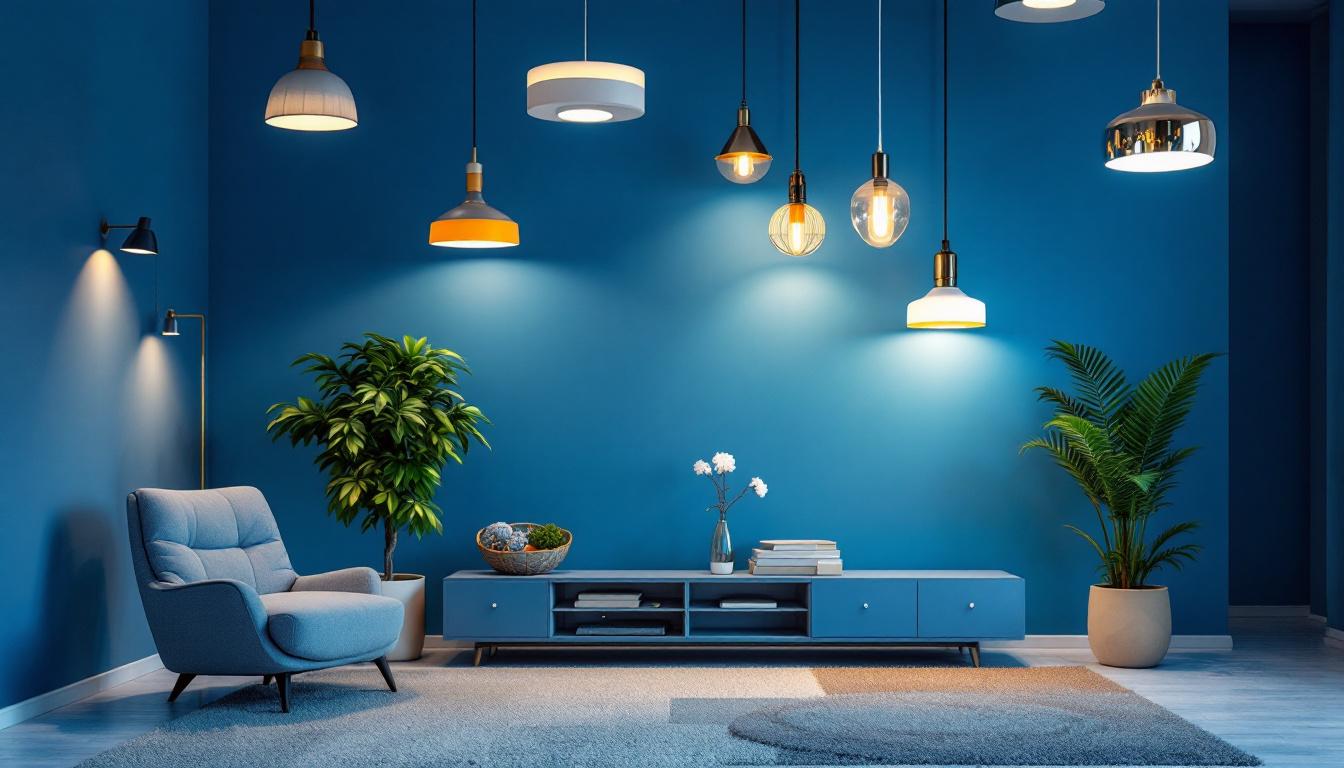
As the demand for energy-efficient lighting solutions continues to rise, LED technology has become a staple in modern homes. For lighting contractors, understanding the nuances of LED lighting is essential to meet client expectations and deliver high-quality installations. This article addresses some of the most common questions that lighting contractors encounter when dealing with LED lights in residential settings.
Understanding LED Technology
LED, or Light Emitting Diode, is a semiconductor device that emits light when an electric current passes through it. Unlike traditional incandescent bulbs, which produce light through heat, LEDs are highly efficient and have a longer lifespan. This section will delve into the fundamental aspects of LED technology that contractors should be familiar with.
How Do LEDs Work?
At the core of LED technology is the principle of electroluminescence. When electricity flows through a semiconductor material, it excites electrons, causing them to release energy in the form of light. This process is highly efficient, resulting in minimal heat production and lower energy consumption compared to traditional lighting options.
Moreover, LEDs can be designed to emit light in various colors without the need for filters. This versatility allows for a wide range of applications, from ambient lighting to task lighting, making them an ideal choice for residential projects. For instance, RGB (Red, Green, Blue) LEDs can be mixed to create an extensive palette of colors, enabling dynamic lighting designs that can enhance the aesthetic appeal of any space. Additionally, advancements in LED technology have led to the development of smart LEDs that can be controlled via smartphone apps, allowing homeowners to customize their lighting experience with ease.
What Are the Advantages of Using LED Lights?
LED lights offer numerous benefits that make them an attractive option for homeowners. First and foremost, they are energy-efficient, consuming up to 80% less energy than incandescent bulbs. This efficiency translates to significant cost savings on electricity bills over time.
Additionally, LEDs have a longer lifespan, often lasting up to 25,000 hours or more. This longevity reduces the frequency of replacements, making them a cost-effective choice in the long run. Furthermore, LEDs are environmentally friendly, as they contain no hazardous materials and are 100% recyclable. Their durability also means they are less likely to break or shatter compared to traditional glass bulbs, making them safer for homes with children or pets. As a result, many contractors are now recommending LED installations not only for their economic advantages but also for their contribution to sustainable building practices, aligning with the growing demand for eco-conscious living solutions.
Installation Considerations
When it comes to installing LED lighting, there are several key factors that contractors must consider to ensure a successful project. From compatibility with existing fixtures to proper placement, understanding these aspects is crucial for achieving optimal results.
Are LED Lights Compatible with Existing Fixtures?
One of the most common questions contractors face is whether LED lights can be used with existing fixtures. In many cases, the answer is yes; however, it is essential to verify compatibility. Some older fixtures may require modifications or the use of specific LED bulbs designed for retrofitting.
Contractors should also be aware of the importance of checking the wattage and voltage specifications of both the existing fixtures and the new LED products. Using incompatible components can lead to performance issues or even damage to the lighting system.
What Are the Best Practices for LED Installation?
Proper installation techniques are vital to maximizing the performance and lifespan of LED lights. First, it is crucial to follow the manufacturer’s guidelines for installation, as each product may have specific requirements.
Additionally, ensuring adequate ventilation around LED fixtures is essential to prevent overheating. While LEDs generate less heat than traditional bulbs, they can still be affected by poor airflow. Proper placement and spacing can help maintain optimal operating temperatures.
Lighting Design and Aesthetics
Beyond functionality, the aesthetic appeal of lighting plays a significant role in home design. Contractors must consider how LED lighting can enhance the overall ambiance of a space while meeting the specific needs of their clients.
How Can LED Lighting Enhance Interior Spaces?
LED lighting offers a unique opportunity to create dynamic and visually appealing interior spaces. With the ability to adjust color temperatures and brightness levels, contractors can tailor lighting solutions to match the mood and purpose of each room.
For example, warmer color temperatures can create a cozy atmosphere in living areas, while cooler tones may be more suitable for workspaces or kitchens. Additionally, the use of dimmable LED fixtures allows homeowners to customize the lighting intensity, further enhancing the versatility of their spaces.
What Are the Trends in LED Lighting Design?
As technology advances, so do the design possibilities for LED lighting. One notable trend is the integration of smart lighting systems, which allow homeowners to control their lighting remotely through mobile apps or voice commands. This innovation not only adds convenience but also enhances energy efficiency.
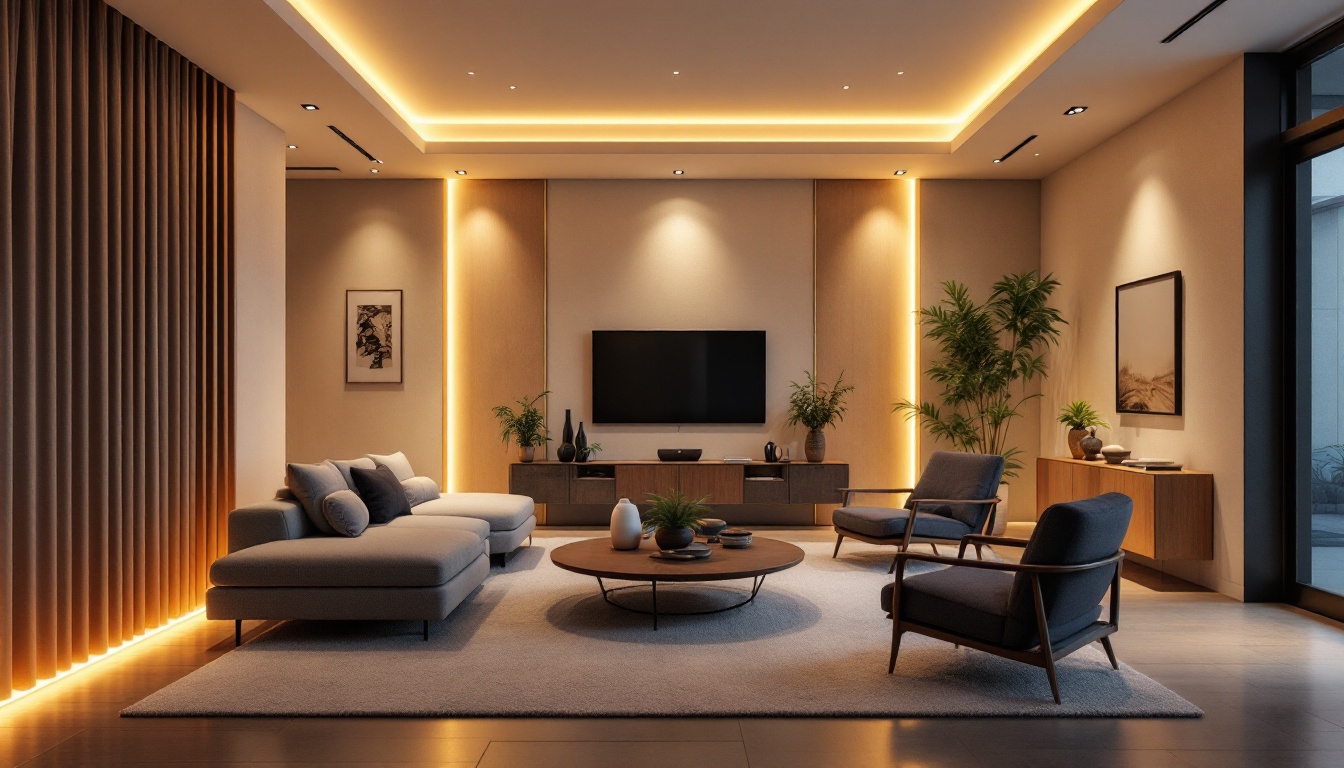
Another emerging trend is the use of LED strip lighting for accentuation. These flexible strips can be installed in various locations, such as under cabinets or along staircases, providing a modern touch to any home. Contractors should stay informed about these trends to offer clients the latest and most appealing lighting solutions.
Energy Efficiency and Sustainability
With growing concerns about energy consumption and environmental impact, many homeowners are prioritizing energy-efficient solutions. Lighting contractors play a crucial role in educating clients about the benefits of LED lighting in this regard.
How Do LEDs Contribute to Energy Savings?
LED lights are renowned for their energy efficiency, consuming significantly less power than traditional incandescent or fluorescent bulbs. This efficiency not only reduces electricity bills but also decreases the overall carbon footprint of a household.
Moreover, many utility companies offer incentives or rebates for homeowners who switch to LED lighting, making it an even more attractive option. Contractors can assist clients in navigating these programs, ensuring they take full advantage of available savings.
What Is the Environmental Impact of LED Lighting?
In addition to energy savings, LED lighting has a positive environmental impact. Unlike traditional bulbs, LEDs do not contain harmful substances such as mercury, making them safer for disposal and reducing the risk of environmental contamination.
Furthermore, the longevity of LED lights means fewer replacements, resulting in less waste. By promoting LED lighting solutions, contractors can contribute to a more sustainable future while meeting the needs of environmentally conscious clients.
Common Misconceptions About LED Lighting
Despite the many advantages of LED lighting, several misconceptions persist that can hinder its adoption. Addressing these myths is essential for lighting contractors to provide accurate information to their clients.
Are LED Lights Too Expensive?
One of the most common misconceptions is that LED lights are too expensive compared to traditional lighting options. While the initial cost of LED bulbs may be higher, their energy savings and longevity make them a more cost-effective choice over time.
Contractors should educate clients about the total cost of ownership, which includes not only the purchase price but also the savings on energy bills and the reduced frequency of replacements. This perspective can help clients see the value in investing in LED technology.
Do LEDs Produce Harsh Light?
Another misconception is that LED lights produce harsh or unflattering light. In reality, LED technology has advanced significantly, allowing for a wide range of color temperatures and brightness levels. Contractors can help clients choose the right LED products to achieve the desired ambiance, whether it be warm and inviting or bright and energizing.
Additionally, the ability to dim LED lights further enhances their versatility, allowing homeowners to create the perfect lighting for any occasion.
Future of LED Lighting
The future of LED lighting looks promising, with ongoing advancements in technology and design. As lighting contractors, staying informed about these developments is crucial for providing clients with the best possible solutions.
What Innovations Are on the Horizon?
One of the most exciting areas of innovation in LED lighting is the integration of smart technology. As smart homes become increasingly popular, the demand for intelligent lighting solutions that can be controlled remotely is on the rise. This trend is expected to continue, with more products featuring connectivity options and automation capabilities.
Additionally, advancements in LED technology are leading to improvements in color rendering and efficiency. New materials and designs are being developed to enhance the performance of LED lights, making them even more appealing to homeowners.
How Can Contractors Prepare for the Future?
To stay competitive in the evolving lighting market, contractors should invest in ongoing education and training. Familiarizing themselves with the latest products, technologies, and trends will enable them to offer clients the most up-to-date solutions.
Furthermore, building strong relationships with suppliers and manufacturers can provide contractors with access to new products and innovations as they become available. By staying informed and adaptable, lighting contractors can ensure they remain valuable partners for their clients in the years to come.
Conclusion
As LED lighting continues to dominate the residential market, lighting contractors must equip themselves with the knowledge and skills necessary to navigate this evolving landscape. By addressing common questions and misconceptions, understanding installation best practices, and staying informed about trends and innovations, contractors can provide exceptional service and meet the needs of their clients.
Ultimately, embracing LED technology not only benefits homeowners through energy savings and enhanced aesthetics but also positions lighting contractors as trusted experts in the field. With the right approach, the future of LED lighting is bright for both contractors and their clients.
Get Your Premium Lighting Solutions at LumenWholesale
Ready to elevate your lighting installations with the best in LED technology? Look no further than LumenWholesale. We provide lighting contractors with high-quality, specification-grade lighting products at unbeatable wholesale prices. Say goodbye to local distributor markups and hello to superior lighting that meets the highest industry standards. With free shipping on bulk orders, you can trust that you’re getting premium lighting at the best value — no hidden fees, no compromises. Enhance your projects and impress your clients by choosing Wholesale Lighting at the Best Value with LumenWholesale today.