Understanding LED Inserts for Recessed Lights
LED inserts for recessed lighting have become a staple in modern lighting projects, offering energy efficiency, longevity, and design flexibility. For lighting contractors, understanding the nuances of these components is essential to delivering high-quality installations that meet client expectations and comply with industry standards.
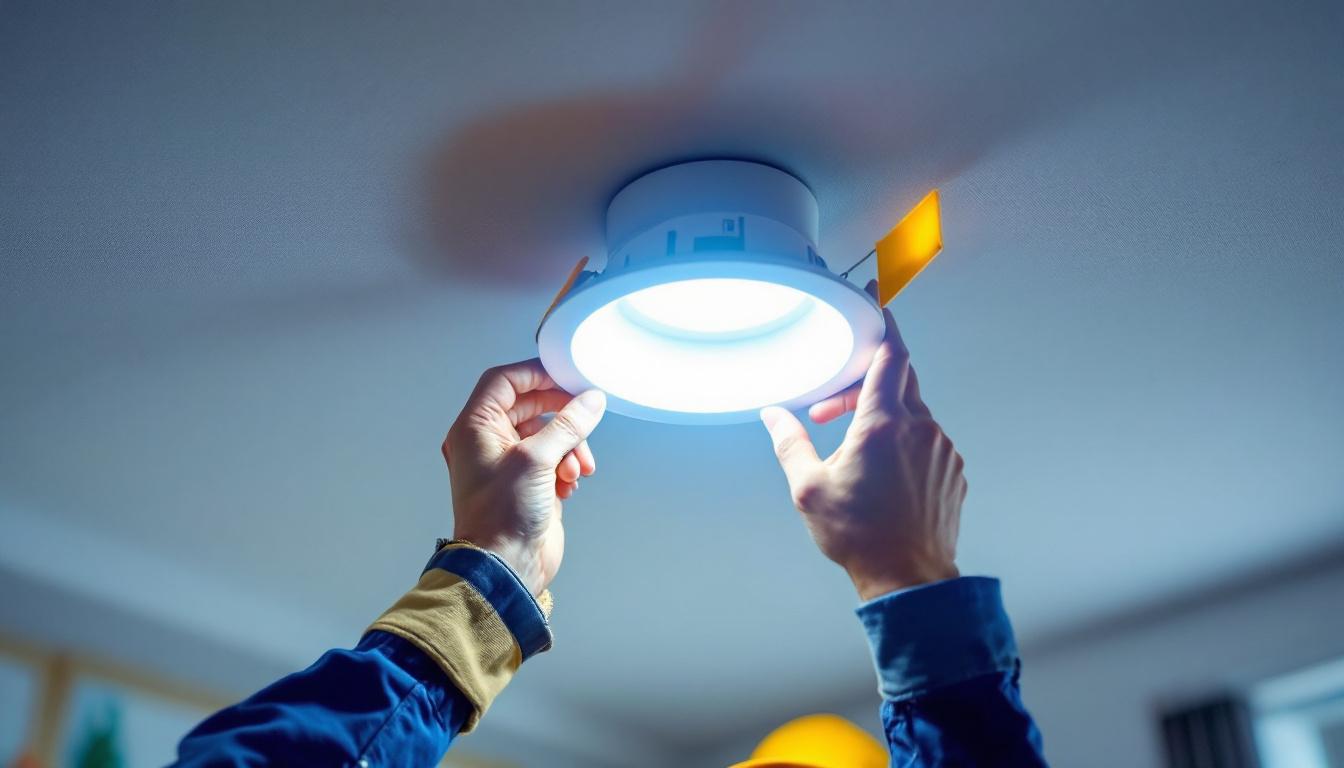
At their core, LED inserts are retrofit modules designed to fit into existing recessed housings, replacing traditional incandescent or fluorescent bulbs. This retrofit approach allows contractors to upgrade lighting systems without the need for extensive rewiring or fixture replacement, saving time and reducing costs.
LED inserts typically come as integrated units, combining the LED light source, driver, and heat sink into a single assembly. This integration simplifies installation and ensures optimal thermal management, which is critical for maintaining LED performance and lifespan.
Why Choose LED Inserts Over Traditional Bulbs?
Energy efficiency is the primary driver behind the shift to LED technology. LED inserts consume significantly less power—often 50% to 70% less—than incandescent or halogen bulbs, translating into substantial energy savings over time. Additionally, LEDs generate less heat, reducing cooling loads in commercial and residential spaces.
Another advantage is the extended lifespan of LED inserts, which can last upwards of 25,000 to 50,000 hours. This longevity reduces maintenance frequency and costs, especially in commercial settings where access to recessed fixtures may be challenging.
From a design perspective, LED inserts offer a range of color temperatures, beam angles, and dimming capabilities, enabling contractors to tailor lighting schemes to client preferences and functional requirements. For instance, warm white tones can create a cozy atmosphere in residential settings, while cooler temperatures are ideal for task-oriented spaces like offices or kitchens. Furthermore, the ability to dim LED inserts provides additional versatility, allowing users to adjust the ambiance according to different activities or times of day.
Moreover, the adaptability of LED inserts extends beyond mere aesthetics. Many modern LED inserts are equipped with smart technology that allows for integration with home automation systems. This feature enables users to control lighting remotely, set schedules, and even adjust brightness or color temperature through voice commands or mobile applications. Such advancements not only enhance user convenience but also contribute to energy savings by allowing for precise control over lighting usage throughout the day.
Common Installation Questions and Best Practices
Lighting contractors frequently encounter specific questions regarding the installation and compatibility of LED inserts. Addressing these concerns upfront ensures smoother project execution and client satisfaction.
Can LED Inserts Fit All Existing Recessed Housings?
Compatibility is a common concern. While many LED inserts are designed to retrofit standard recessed housings, not all inserts fit every type or size. Contractors should verify the housing size (typically 4-inch, 5-inch, or 6-inch) and mounting style before selecting an insert.
Manufacturers often provide compatibility charts or guidelines to assist in matching inserts with housings. It’s also important to check for clearances, especially in insulated ceiling spaces, to prevent overheating and comply with safety codes. Additionally, some LED inserts come with adjustable features that allow for slight modifications in fit, which can be beneficial in unique installations. Understanding the specific requirements of each project can help contractors make informed decisions and avoid costly mistakes.
What Are the Electrical Requirements for LED Inserts?
LED inserts generally operate on standard line voltage (120V), making them suitable for most residential and commercial applications. However, some models may require specific drivers or transformers, particularly when dimming features are involved.
Contractors should ensure that the existing wiring and dimmer switches are compatible with LED technology. Using incompatible dimmers can cause flickering, reduced dimming range, or premature failure of the insert. It’s also wise to consider the total wattage load on the circuit, as exceeding the recommended limits can lead to circuit overloads. In some cases, upgrading the electrical infrastructure may be necessary to accommodate the new lighting solutions, ensuring optimal performance and safety.
How to Ensure Proper Thermal Management?
Heat dissipation is crucial for LED longevity. Although LEDs produce less heat than traditional bulbs, the heat generated must be effectively managed to maintain performance.
LED inserts come equipped with heat sinks designed to draw heat away from the LEDs. Contractors should avoid installing inserts in enclosed housings not rated for LED use, as inadequate ventilation can lead to overheating. Furthermore, proper installation techniques, such as ensuring that the heat sink has a direct path to the surrounding air, can significantly enhance thermal management. Regular maintenance checks can also help identify any potential issues before they affect the overall performance of the lighting system.
Additionally, verifying that the housing is IC-rated (insulation contact rated) is important when installing in insulated ceilings. This rating ensures the fixture can safely operate in contact with insulation without fire risk. It’s also beneficial to educate clients about the importance of thermal management, as this knowledge can lead to better care and longevity of their lighting investments. By fostering a deeper understanding of these elements, contractors can build trust and confidence with their clients, enhancing the overall service experience.
Performance and Quality Considerations
Beyond installation, lighting contractors must evaluate the performance and quality attributes of LED inserts to meet client expectations and industry standards.
Color Temperature and CRI
Color temperature, measured in Kelvins (K), affects the ambiance and functionality of a space. LED inserts are available in a spectrum ranging from warm white (2700K) to daylight (5000K+). Selecting the appropriate color temperature depends on the application—warm tones for residential or hospitality settings, cooler tones for offices or retail environments.
Color Rendering Index (CRI) is another critical factor, indicating how accurately a light source reveals colors compared to natural light. A CRI of 80 or higher is generally recommended for most indoor applications, with 90+ preferred for areas requiring precise color discrimination. In settings such as art galleries or design studios, where color accuracy is paramount, opting for LEDs with a higher CRI ensures that the true colors of artworks and materials are faithfully represented, enhancing the overall aesthetic appeal and functionality of the space.
Lumen Output and Beam Angle
Lumen output determines the brightness of the LED insert. Contractors should match lumen levels to the lighting requirements of the space, balancing sufficient illumination with energy efficiency. For instance, in a kitchen or workspace, higher lumen outputs are essential to ensure visibility and safety, while softer lighting may be more appropriate for living areas to create a cozy atmosphere.
Beam angle influences the spread of light. Narrow beam angles (15°–30°) create focused lighting ideal for accent or task lighting, while wider angles (60°–120°) provide general ambient lighting. Understanding these parameters helps contractors design effective lighting layouts. Additionally, utilizing adjustable fixtures can offer versatility, allowing users to modify the beam angle based on changing needs or preferences, which is particularly beneficial in multi-functional spaces like open-concept living areas.
Dimming Compatibility and Controls
Many clients seek dimmable LED inserts to enhance ambiance and save energy. Not all LED inserts are dimmable, and among those that are, compatibility with existing dimmer switches varies. It’s crucial for contractors to educate clients about the benefits of dimming, such as extending the lifespan of the LEDs and reducing energy consumption during off-peak hours.
Lighting contractors should test dimming functionality during installation and recommend compatible dimmers. Advances in smart lighting controls also offer integration with home automation systems, providing additional value to clients. These systems can allow for programmable settings, enabling users to create different lighting scenes for various activities—like bright lighting for cooking or soft, warm tones for movie nights—enhancing both convenience and energy efficiency in modern living spaces.
Regulatory Compliance and Safety Standards
Adherence to regulatory requirements is a non-negotiable aspect of lighting installations. LED inserts must comply with safety and energy standards to ensure safe operation and eligibility for rebates or certifications.
Energy Star and DLC Certifications
Energy Star and DesignLights Consortium (DLC) certifications indicate that LED inserts meet stringent energy efficiency and performance criteria. Using certified products can help contractors qualify projects for utility rebates and incentives, offering cost savings to clients.
Contractors should verify that the LED inserts carry appropriate certifications and maintain documentation for inspection or rebate applications.
UL Listing and Fire Safety
Underwriters Laboratories (UL) listing ensures that LED inserts have been tested for electrical safety and fire hazards. This is particularly important for recessed lighting, which operates within ceiling cavities and near insulation.
Installing UL-listed inserts in accordance with manufacturer instructions and local codes minimizes risks and liability for contractors.
Maintenance and Troubleshooting Tips
Proper maintenance and troubleshooting knowledge enable lighting contractors to provide ongoing support and uphold their reputation for quality service.
Common Issues and Solutions
Flickering lights, reduced brightness, or complete failure are common issues encountered with LED inserts. Flickering often results from incompatible dimmers or loose wiring connections. Ensuring proper dimmer compatibility and secure wiring can resolve most flicker problems.
Reduced brightness may be due to dust accumulation on the lens or heat-related degradation. Regular cleaning and verifying proper ventilation can mitigate these issues.
Complete failure is rare but may indicate driver malfunction or electrical faults. In such cases, replacing the insert or driver is typically necessary.
Routine Maintenance Recommendations
LED inserts generally require minimal maintenance. However, periodic inspection for dust buildup, secure mounting, and proper operation is advisable, especially in commercial or high-use environments.
Contractors should educate clients on the benefits of routine checks and provide guidance on safe cleaning practices to prolong the life of LED inserts.
Conclusion: Empowering Lighting Contractors with Knowledge
LED inserts for recessed lights represent a versatile and efficient solution for modern lighting needs. By understanding compatibility, installation best practices, performance factors, regulatory compliance, and maintenance, lighting contractors can confidently specify and install these products to achieve optimal results.
Staying informed about the latest advancements and manufacturer guidelines ensures that contractors deliver value, safety, and satisfaction to their clients. As LED technology continues to evolve, ongoing education and attention to detail will remain key components of successful lighting projects.
Get Your Premium LED Inserts at LumenWholesale
Ready to elevate your lighting projects with the highest quality LED inserts? Look no further than LumenWholesale, where we provide contractors with spec-grade lighting solutions at unbeatable wholesale prices. With our direct approach, you’ll enjoy superior products without the extra costs typically associated with local distributors. Our selection not only meets but exceeds industry standards, guaranteeing you reliable and high-performance lighting for every installation. Plus, with the convenience of free shipping on bulk orders, you can stock up on premium lighting without worrying about hidden fees. Make the smart choice for your business and experience the best value in wholesale lighting with LumenWholesale today.