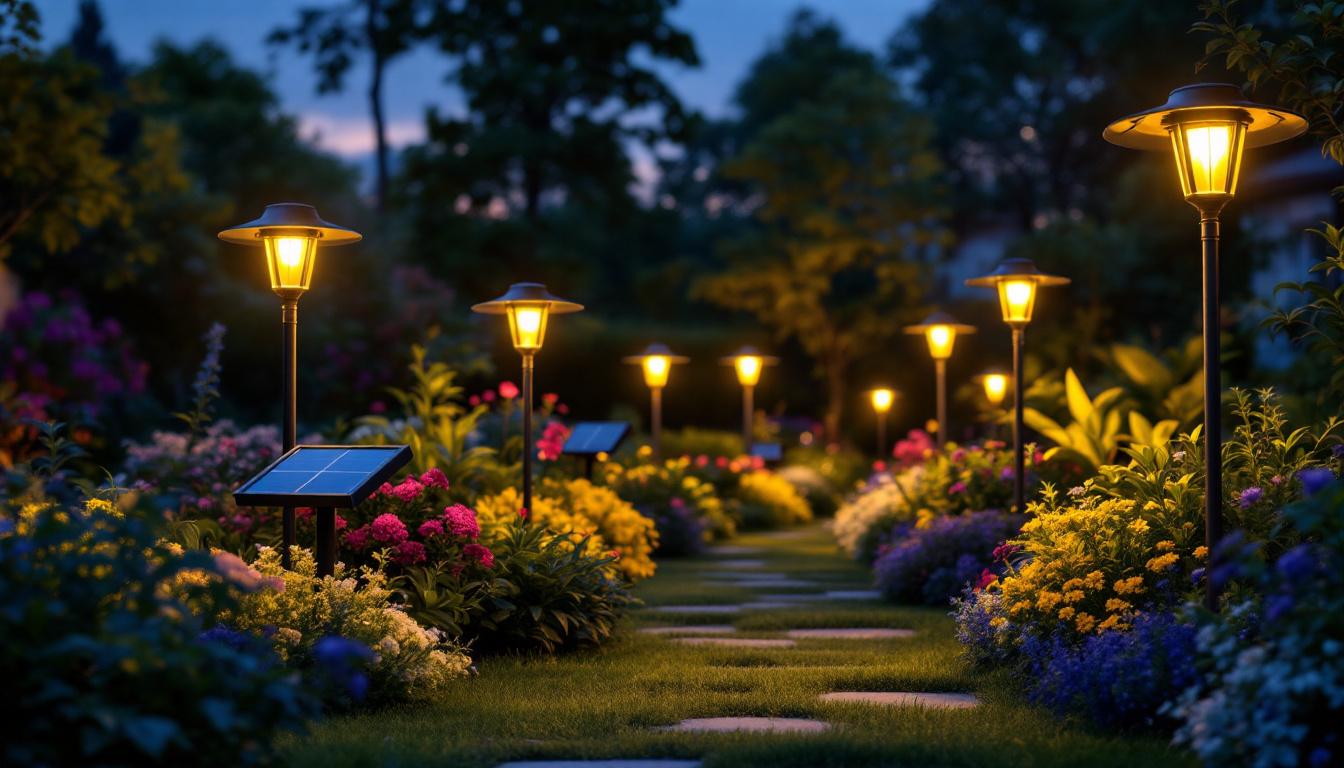
Lighting is not just about illumination; it’s an art form that can transform spaces and enhance the atmosphere of any room. For lighting contractors, mastering the craft of overhead hanging lights is essential. These fixtures not only serve a functional purpose but also act as focal points in interior design. This article delves into the secrets that every lighting contractor should know to excel in the installation and design of overhead hanging lights.
Understanding Overhead Hanging Lights
Overhead hanging lights come in various styles, shapes, and sizes, making them versatile choices for different environments. They can range from simple pendant lights to elaborate chandeliers, each offering unique characteristics that can influence the overall ambiance of a space. The choice of lighting can dramatically alter the mood and functionality of a room, highlighting architectural features or creating cozy nooks for relaxation.
Types of Overhead Hanging Lights
There are several types of overhead hanging lights, each with its own set of features and applications. Understanding these types is crucial for contractors when recommending options to clients. For instance, the material and finish of the light fixtures can also play a significant role in the overall design scheme, with options ranging from sleek metals to rustic woods, each contributing to a distinct aesthetic.
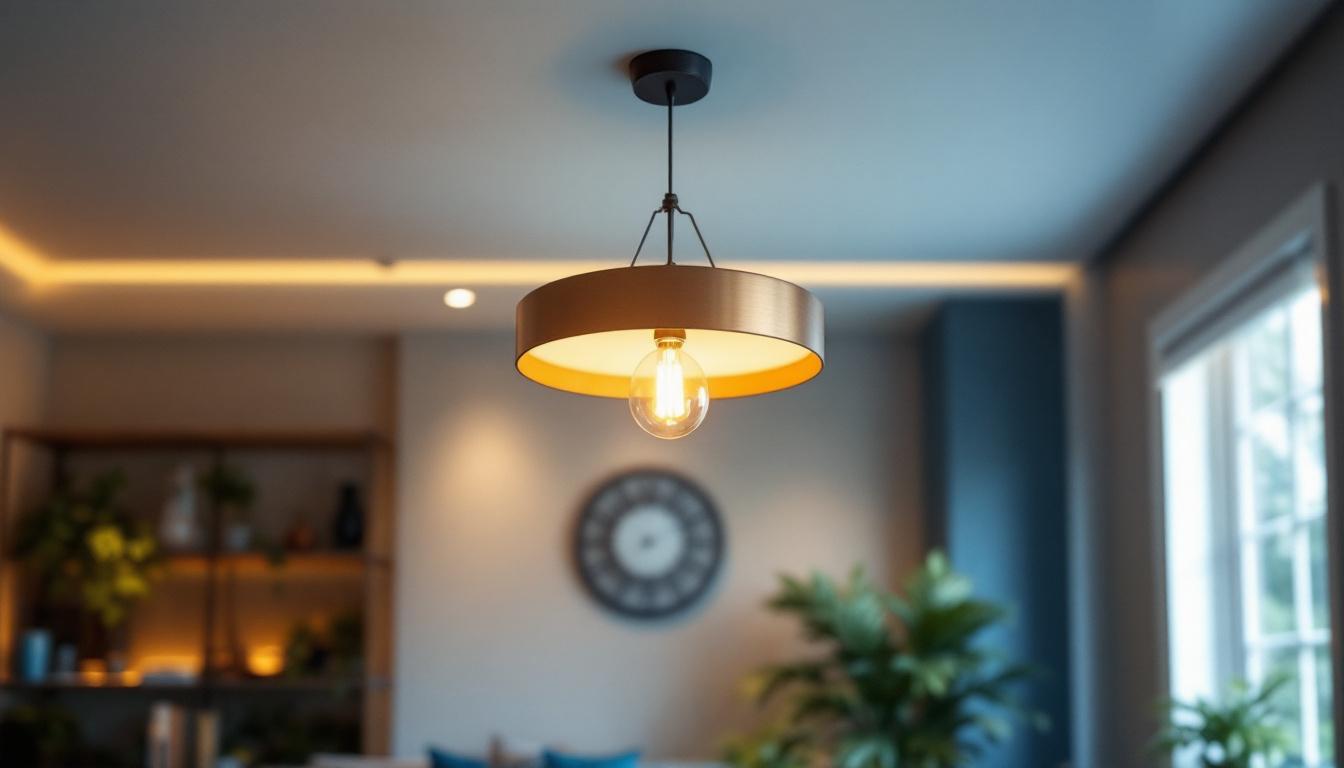
- Pendants: These are perhaps the most common type of hanging light. They can be used individually or in clusters to create a stunning visual effect. Pendant lights are particularly effective in kitchen islands, dining areas, or even as statement pieces in living rooms, where their design can reflect personal style.
- Chandeliers: Often associated with elegance and luxury, chandeliers can serve as statement pieces in dining rooms or entryways. Beyond traditional crystal designs, modern chandeliers can incorporate unique materials and innovative shapes, appealing to those who wish to make a bold design statement.
- Flush Mounts: While not hanging in the traditional sense, flush mounts are installed close to the ceiling and can provide a sleek look in low-ceiling areas. These fixtures are ideal for spaces where headroom is a concern, yet they still offer a stylish solution for effective lighting.
Benefits of Overhead Hanging Lights
Overhead hanging lights offer numerous benefits that make them a popular choice among homeowners and designers alike. Understanding these advantages can help contractors sell these fixtures more effectively. The right overhead lighting can also enhance the functionality of a space, ensuring that areas are well-lit for their intended use, whether it be cooking, reading, or entertaining guests.
- Versatility: They can be used in various settings, from residential to commercial spaces, and can complement different design styles. This adaptability allows for seamless integration into any decor, whether it be contemporary, industrial, or traditional.
- Space Enhancement: Properly placed hanging lights can create a sense of space and depth, making rooms feel larger and more inviting. By directing light strategically, these fixtures can highlight architectural details and create visual interest, drawing the eye upward and enhancing the perception of height.
- Task Lighting: Many overhead lights provide focused illumination, making them ideal for areas such as kitchens and workspaces. This targeted lighting is essential for activities that require precision, ensuring that every detail is visible while also contributing to the overall design aesthetic.
Choosing the Right Overhead Hanging Light
Selecting the right overhead hanging light involves more than just picking a stylish fixture. Several factors should be considered to ensure that the lighting meets the needs of the space and the preferences of the client.
Assessing the Space
Before recommending a specific type of overhead light, it’s essential to assess the space where it will be installed. Factors such as ceiling height, room size, and existing decor play a significant role in the selection process.
For instance, in rooms with high ceilings, larger fixtures or clusters of smaller pendants can create a dramatic effect. Conversely, in smaller spaces, a single pendant light may be more appropriate to avoid overwhelming the area.
Understanding Client Preferences
Every client has unique tastes and preferences. Engaging in a conversation about their vision for the space can provide valuable insights into what type of overhead light will resonate with them.
Consider discussing various styles, such as modern, rustic, or industrial, and how these can be achieved through different lighting options. Providing visual aids, such as catalogs or mood boards, can also help clients visualize their choices.
Installation Techniques for Overhead Hanging Lights
The installation of overhead hanging lights requires a blend of technical skill and artistic sensibility. Proper installation not only ensures safety but also maximizes the aesthetic appeal of the fixture.
Safety First
Safety should always be the top priority when installing overhead lights. Contractors must ensure that all electrical connections are secure and meet local building codes. Using the right tools and equipment is essential to prevent accidents and ensure a smooth installation process.
Additionally, it’s crucial to assess the weight of the fixture and ensure that it is properly anchored to the ceiling. This may involve using ceiling hooks or mounting brackets designed to support the specific weight of the light.
Height and Placement Considerations
Determining the correct height for hanging lights is vital for both functionality and aesthetics. A general rule of thumb is to hang pendant lights about 30 to 36 inches above countertops or tables. This height allows for adequate illumination while maintaining an inviting atmosphere.
For chandeliers, the height may vary based on the room’s ceiling height. In dining areas, a chandelier should typically hang 30 to 36 inches above the table, while in entryways, it should be high enough to avoid obstruction but low enough to create a welcoming ambiance.
Designing with Overhead Hanging Lights
Designing a space with overhead hanging lights involves more than just selecting fixtures. It requires a thoughtful approach to how lighting interacts with other design elements in the room.
Creating Layers of Light
Effective lighting design incorporates multiple layers of light, including ambient, task, and accent lighting. Overhead hanging lights can serve as a key component of this layered approach.
For example, in a kitchen, pendant lights can provide task lighting over an island, while recessed lights can offer ambient illumination throughout the space. Accent lighting, such as wall sconces, can further enhance the overall design, creating a warm and inviting atmosphere.
Color Temperature and Bulb Selection
The choice of light bulbs significantly affects the ambiance created by overhead hanging lights. Different color temperatures can evoke various moods and feelings. Warm white bulbs (2700K to 3000K) create a cozy and inviting atmosphere, making them ideal for living spaces and dining areas.
In contrast, cooler white bulbs (3500K to 4100K) are often preferred for task-oriented spaces like kitchens and offices, where clarity and focus are essential. Educating clients on the impact of color temperature can help them make informed decisions about their lighting choices.
Maintenance and Care for Overhead Hanging Lights
Cleaning and Dusting
Over time, dust and grime can accumulate on light fixtures, diminishing their brightness and appeal. Regular cleaning is essential to maintain their aesthetic and functional qualities. Contractors can recommend specific cleaning methods based on the materials used in the fixtures.
For glass or crystal fixtures, a gentle glass cleaner and soft cloth can work wonders. Metal fixtures may require a different approach, depending on the finish. Educating clients about the right cleaning products can prevent damage and keep the lights looking their best.
Checking Electrical Connections
Periodically checking the electrical connections of overhead hanging lights is crucial for safety and performance. Loose connections can lead to flickering lights or, in worst-case scenarios, electrical fires. Contractors should advise clients to schedule regular inspections to ensure everything is in proper working order.
Additionally, replacing bulbs as needed and ensuring that the fixtures are compatible with the chosen bulbs can prevent issues and maintain optimal performance.
Innovative Trends in Overhead Hanging Lights
As technology and design trends evolve, so do the options available for overhead hanging lights. Staying informed about the latest innovations can help contractors provide cutting-edge solutions to their clients.
Smart Lighting Solutions
Smart lighting technology has revolutionized the way overhead hanging lights can be controlled and customized. Many modern fixtures now come equipped with smart capabilities, allowing users to adjust brightness, color temperature, and even create lighting schedules through mobile apps or voice commands.
Contractors should familiarize themselves with these smart lighting options to offer clients the latest in convenience and efficiency. This technology not only enhances functionality but can also lead to energy savings, making it an attractive option for environmentally conscious consumers.
Sustainable Lighting Choices
As sustainability becomes a priority for many homeowners, the demand for eco-friendly lighting solutions is on the rise. Contractors can guide clients towards energy-efficient LED options that not only reduce energy consumption but also have a longer lifespan than traditional bulbs.
Incorporating sustainable materials into the design of overhead hanging lights, such as recycled metals or sustainably sourced wood, can also appeal to environmentally conscious clients. Highlighting these options can set contractors apart in a competitive market.
Conclusion
Mastering the art of overhead hanging lights is a vital skill for lighting contractors. By understanding the various types of fixtures, installation techniques, design principles, and maintenance requirements, contractors can elevate their services and provide clients with exceptional lighting solutions.
As trends continue to evolve, staying informed about innovative technologies and sustainable practices will further enhance a contractor’s expertise. Embracing these secrets will not only lead to successful installations but also create lasting relationships with clients who appreciate the value of quality lighting in their spaces.
Illuminate Your Projects with LumenWholesale
Ready to take your lighting installations to the next level? Discover the exceptional value and quality that LumenWholesale offers. Our extensive selection of spec-grade lighting products ensures that you can master the art of overhead hanging lights with confidence. With unbeatable wholesale prices and the convenience of free shipping, you’re set to impress your clients with high-performance lighting that doesn’t break the bank. Elevate your lighting game and experience the ease of bulk buying by visiting Wholesale Lighting at the Best Value today.