Understanding the Importance of Yard Security Motion Sensors
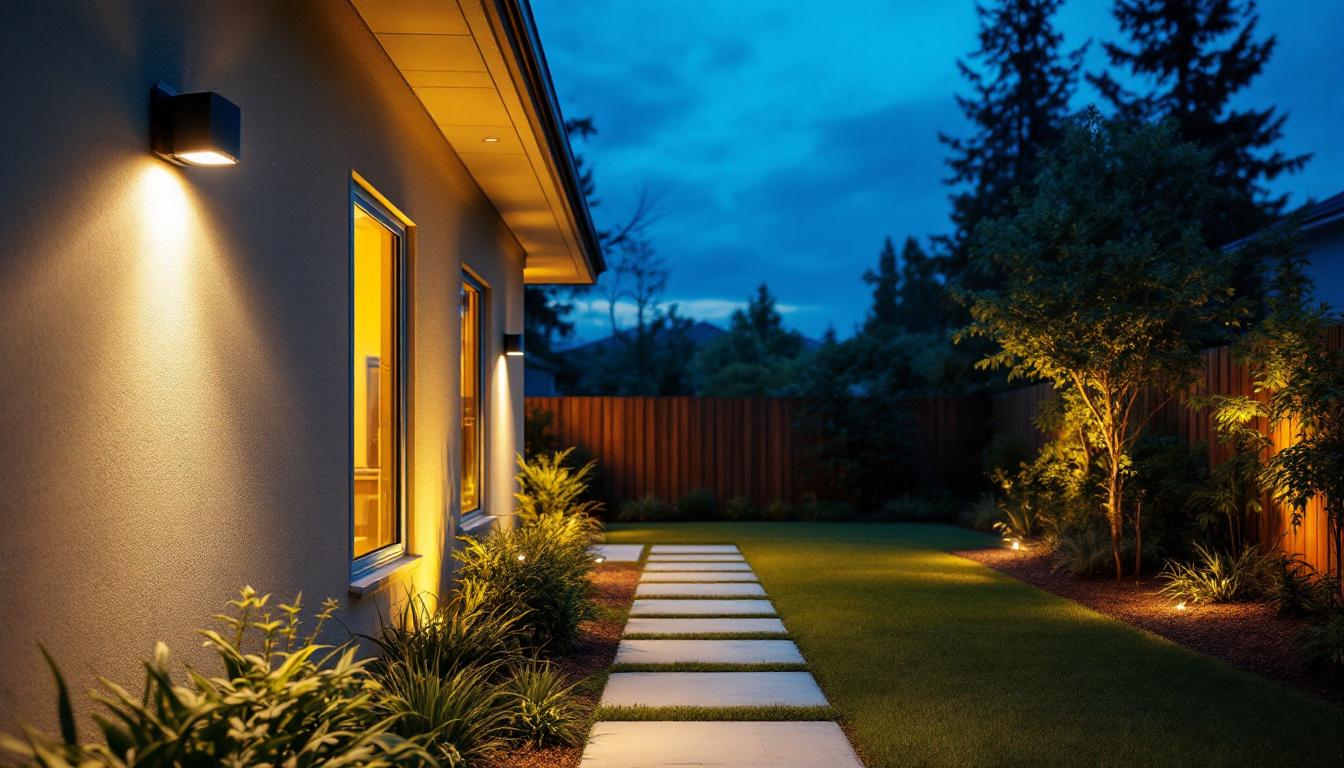
Security lighting has become an essential component of modern yard and property protection. For lighting contractors, recommending and installing motion sensor lighting is a frequent request from homeowners and businesses alike. Motion sensors not only enhance security by deterring intruders but also improve energy efficiency by activating lights only when needed.
With advancements in sensor technology, yard security motion sensors have evolved to offer greater sensitivity, smarter detection zones, and integration with home automation systems. Understanding these developments is crucial for lighting contractors aiming to provide the best solutions tailored to each client’s needs. For instance, some of the latest models can differentiate between human movement and that of pets, reducing the likelihood of false alarms and ensuring that the system remains reliable and user-friendly.
Why Motion Sensors Are a Preferred Security Solution
Motion sensor lighting offers several advantages over traditional security lighting. It activates only when movement is detected, which conserves energy and extends the lifespan of bulbs. This selective activation also makes the lighting more effective as a deterrent, since sudden illumination can startle potential intruders.
Moreover, motion sensors reduce light pollution by avoiding unnecessary illumination, which is a growing concern in residential neighborhoods. For contractors, this means recommending solutions that balance security needs with environmental considerations. Additionally, many modern motion sensors come equipped with adjustable sensitivity settings and timers, allowing homeowners to customize their security lighting to fit their specific lifestyle and preferences. This adaptability not only enhances user satisfaction but also ensures that the system can effectively respond to various situations, from nighttime strolls to unexpected wildlife encounters.
Common Questions Lighting Contractors Encounter
Lighting contractors often face a variety of questions from clients regarding yard security motion sensors. Addressing these inquiries with accurate, practical information helps build trust and ensures the installation meets expectations.
How Do Motion Sensors Detect Movement?
Motion sensors typically use one of three technologies: passive infrared (PIR), microwave, or ultrasonic detection. PIR sensors detect changes in infrared radiation emitted by warm objects, such as humans or animals. Microwave sensors emit microwave pulses and measure the reflection off moving objects, while ultrasonic sensors use high-frequency sound waves to detect motion.
Each technology has its strengths and limitations. PIR sensors are widely used in outdoor lighting due to their reliability and low power consumption. However, they can be triggered by pets or small animals, which is a common concern among homeowners. Combining PIR with microwave sensors in dual-technology sensors can reduce false alarms by requiring both sensors to detect movement before activating the light. Additionally, some advanced models come equipped with adjustable sensitivity settings, allowing homeowners to fine-tune the sensor’s responsiveness based on their specific environment and needs.
What Is the Ideal Placement for Yard Motion Sensors?
Proper placement is critical for optimal performance. Sensors should be installed at a height of about 6 to 10 feet to maximize detection range and minimize false triggers from small animals or moving vegetation. Positioning the sensor to cover main access points such as driveways, walkways, and entrances ensures that any movement is promptly detected.
Lighting contractors should also consider environmental factors such as nearby trees, bushes, or reflective surfaces that might cause false activations. Advising clients on trimming vegetation and avoiding direct sunlight or heat sources near the sensor can improve reliability. Furthermore, it’s important to take into account the angle of the sensor; a slight adjustment can make a significant difference in its effectiveness. For instance, sensors should ideally face the direction of potential intruders while avoiding areas where regular foot traffic occurs, such as paths leading to the home. This strategic placement not only enhances security but also optimizes the functionality of the lighting system.
How Do Motion Sensors Integrate with Existing Lighting Systems?
Many clients want to upgrade existing lighting to include motion sensors without replacing all fixtures. Modern motion sensors can often be retrofitted to work with traditional lighting setups, either by replacing the fixture or installing sensor modules inline with the wiring.
For more advanced systems, integration with smart home platforms allows for remote control and customization of sensor settings via mobile apps. Lighting contractors should assess the client’s current system and recommend compatible sensors that meet both functional and aesthetic requirements. Moreover, the ability to program these sensors for specific times of day or to adjust their sensitivity based on seasonal changes can greatly enhance their utility. For instance, during winter months when daylight is scarce, homeowners might prefer to have their lights activated more readily, whereas in summer, they may wish to reduce unnecessary activations. Educating clients on these features not only empowers them to make informed decisions but also showcases the versatility of modern lighting technology.
Technical Considerations for Effective Installation
Successful installation of yard security motion sensors requires attention to technical details that influence sensor performance and client satisfaction.
Adjusting Sensitivity and Detection Range
Most motion sensors allow adjustment of sensitivity and detection range. Setting these parameters correctly is essential to avoid nuisance activations while ensuring timely detection of legitimate movement. For example, in areas with frequent wildlife activity, lowering sensitivity or narrowing the detection angle can prevent false triggers.
Contractors should test the sensor after installation, simulating typical movement patterns to fine-tune settings. Educating clients on how to adjust these settings themselves can empower them to optimize performance over time.
Power Source and Wiring Options
Motion sensors can be powered by hardwired electrical systems, batteries, or solar panels. Hardwired sensors offer reliable power but require professional installation and may involve more upfront cost. Battery-powered sensors provide flexibility and easier installation but need regular battery replacement. Solar-powered sensors are ideal for remote or off-grid locations and contribute to sustainability goals.
Lighting contractors should evaluate the site conditions and client preferences to recommend the most suitable power option. Understanding local electrical codes and safety standards is also critical for compliance and safety.
Weatherproofing and Durability
Outdoor motion sensors must withstand various weather conditions, including rain, snow, heat, and dust. Selecting sensors with appropriate IP (Ingress Protection) ratings ensures durability and longevity. An IP rating of IP65 or higher is typically recommended for yard security sensors.
Contractors should also consider the materials and build quality of fixtures to prevent corrosion and damage over time. Proper sealing of wiring connections and mounting hardware further protects the system against environmental factors.
Enhancing Security with Complementary Technologies
Motion sensor lighting is often part of a broader security strategy. Lighting contractors can advise clients on integrating sensors with other technologies to maximize protection.
Combining Motion Sensors with Surveillance Cameras
Linking motion sensor lighting with security cameras provides both deterrence and evidence collection. When motion triggers the lights, cameras can start recording, capturing clear footage of any activity. This integration improves the effectiveness of surveillance systems and can be a strong selling point for clients concerned about property security.
Smart Home Integration and Remote Monitoring
Many modern motion sensors support connectivity with smart home hubs, enabling remote monitoring and control. Clients can receive alerts on their smartphones when motion is detected, adjust sensor settings remotely, and integrate lighting with other smart devices such as alarms and door locks.
Lighting contractors should stay informed about popular smart home ecosystems and compatible products to offer clients seamless integration options that enhance convenience and security.
Energy Efficiency and Sustainability Considerations
Energy-efficient LED bulbs combined with motion sensors significantly reduce electricity consumption compared to traditional lighting. This not only lowers utility bills but also aligns with growing consumer demand for sustainable solutions.
Contractors can highlight these benefits during consultations, helping clients understand the long-term cost savings and environmental impact. Additionally, recommending solar-powered motion sensor lights can appeal to eco-conscious customers and those seeking off-grid solutions.
Addressing Common Challenges and Troubleshooting
Despite their advantages, yard security motion sensors can sometimes present challenges that lighting contractors must be prepared to resolve.
Dealing with False Alarms
False alarms are a frequent complaint, often caused by animals, moving vegetation, or environmental factors like wind or temperature changes. Contractors can mitigate these issues by selecting dual-technology sensors, adjusting sensitivity, and advising clients on landscaping maintenance.
In some cases, repositioning the sensor or installing physical barriers to limit the detection zone helps reduce nuisance activations. Clear communication with clients about these potential issues and solutions fosters realistic expectations.
Sensor Malfunctions and Maintenance
Over time, sensors may experience reduced sensitivity or fail due to dirt accumulation, insect nests, or electrical issues. Routine maintenance, including cleaning the sensor lens and checking wiring connections, is essential for reliable operation.
Lighting contractors can offer maintenance services or provide clients with guidance on simple upkeep tasks. Prompt response to malfunction reports enhances customer satisfaction and system longevity.
Compatibility and Upgrades
As technology evolves, clients may seek to upgrade their motion sensor systems or integrate new features. Contractors should stay updated on industry trends and product innovations to recommend compatible upgrades that enhance security without requiring complete system replacement.
Providing options for modular systems or recommending products with firmware update capabilities ensures clients can adapt their security lighting as needs change.
Conclusion: Empowering Lighting Contractors with Knowledge
Yard security motion sensors are a vital tool in the modern security lighting arsenal. For lighting contractors, mastering the technical aspects, installation best practices, and client communication strategies is key to delivering effective and reliable solutions.
By addressing common questions and challenges, contractors can position themselves as trusted experts, helping clients protect their properties with confidence. Staying informed about technological advancements and integrating complementary security measures further enhances the value offered to customers.
Ultimately, the goal is to provide motion sensor lighting that not only deters intruders but also meets energy efficiency, durability, and usability expectations, ensuring long-term satisfaction and safety.
Get Your Premium Security Lighting Supplies at LumenWholesale
Ready to enhance your lighting installations with the most reliable yard security motion sensors on the market? Look no further than LumenWholesale, where we provide lighting contractors with the highest quality, spec-grade lighting products at unbeatable wholesale prices. Our extensive selection is designed to meet the highest industry standards, ensuring your projects shine with reliability and high performance. Plus, with free shipping on bulk orders, you can stock up on premium lighting without the worry of hidden fees or compromises. Elevate your security lighting solutions today and experience the perfect blend of quality, affordability, and convenience. Visit LumenWholesale for Wholesale Lighting at the Best Value.